154 पटक हेरिएको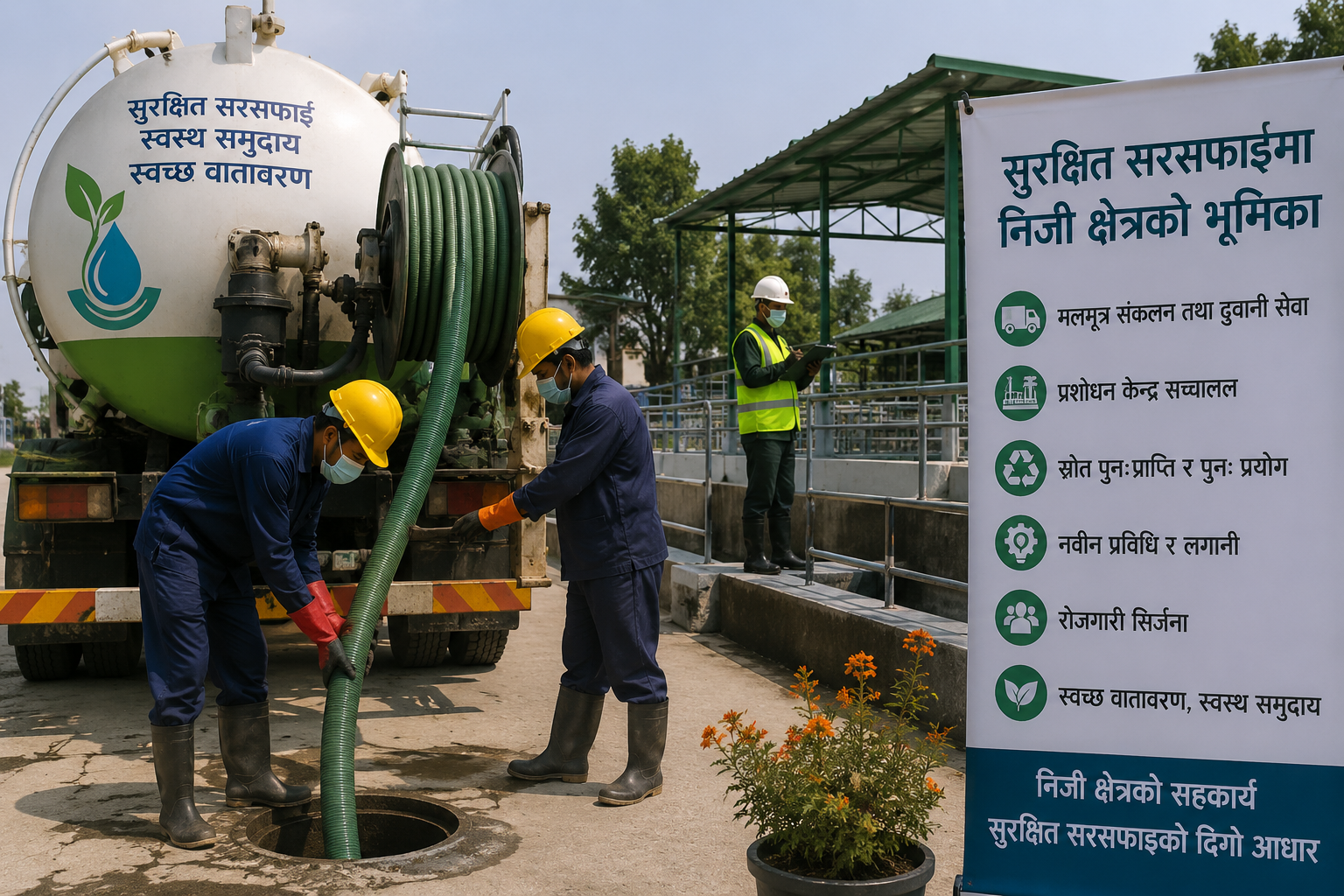
Although Nepal has made remarkable progress in declaring the country open defecation free (ODF), expanding access to basic sanitation services, and improving access to safe drinking water, the safe management of human waste remains a major challenge.
This is particularly true in municipalities and rural areas that are not connected to sewer networks, where there is still inadequate provision for the safe collection, transportation, treatment, and reuse of faecal sludge from septic tanks and pit latrines.
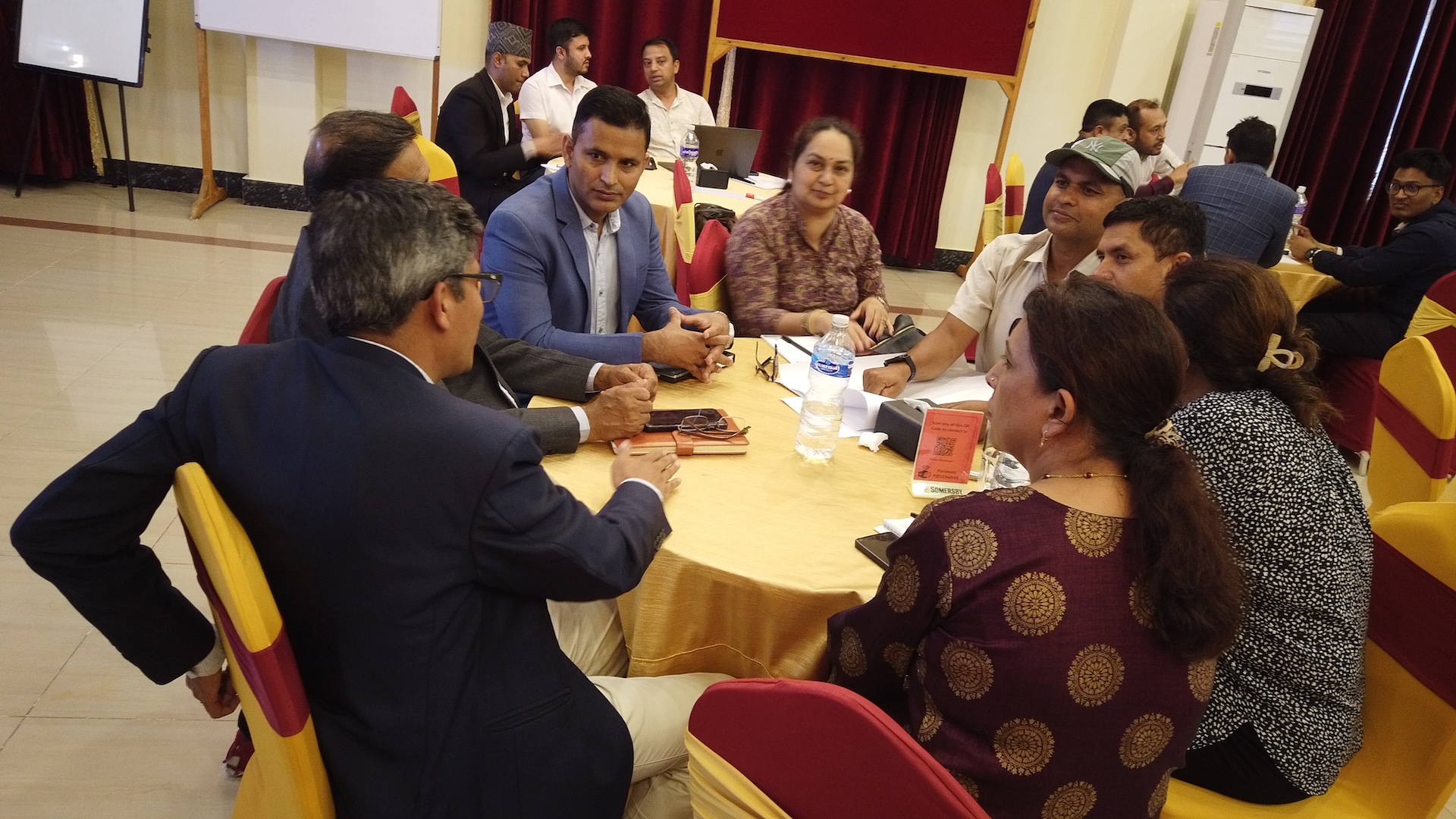
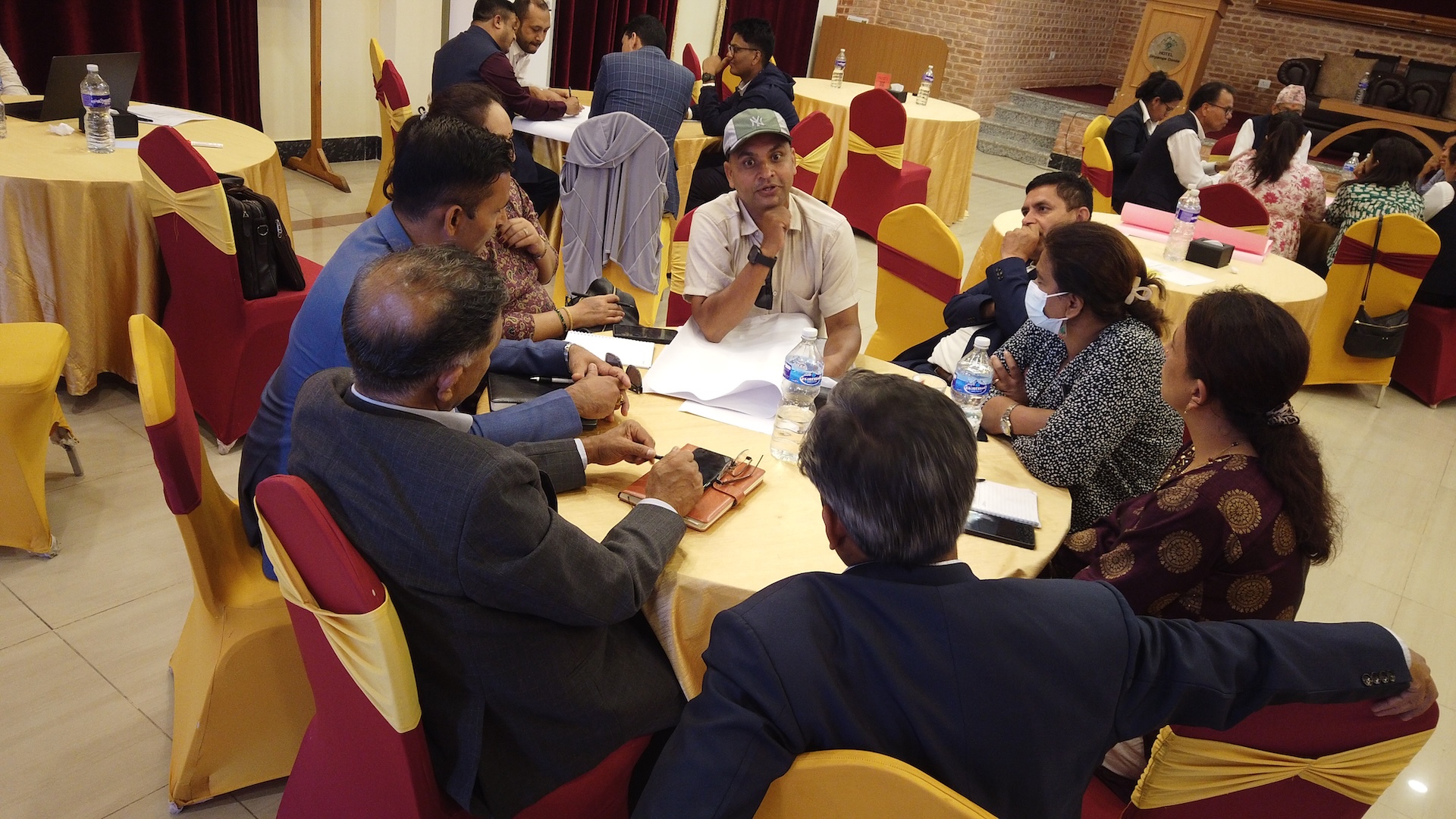
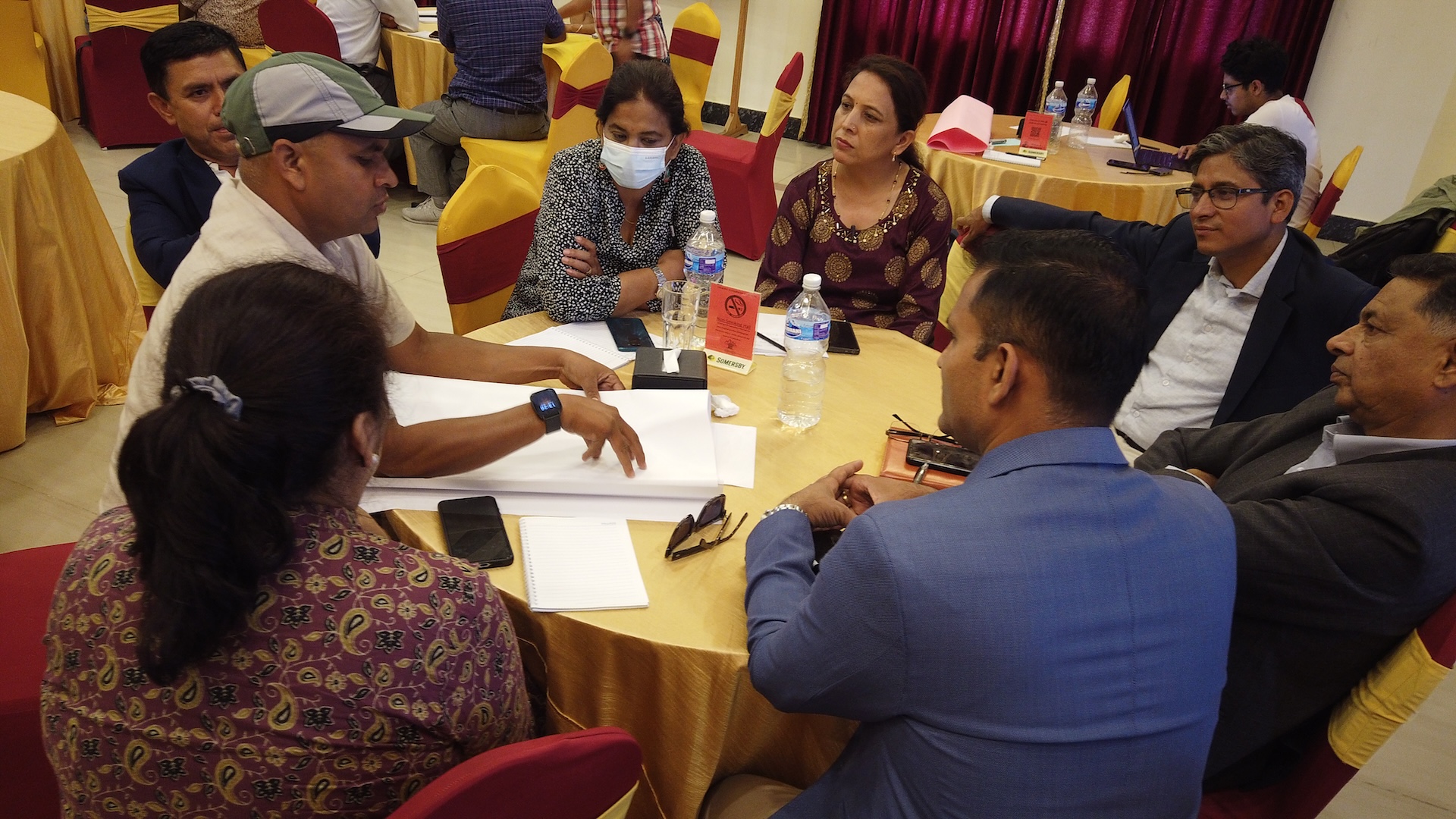
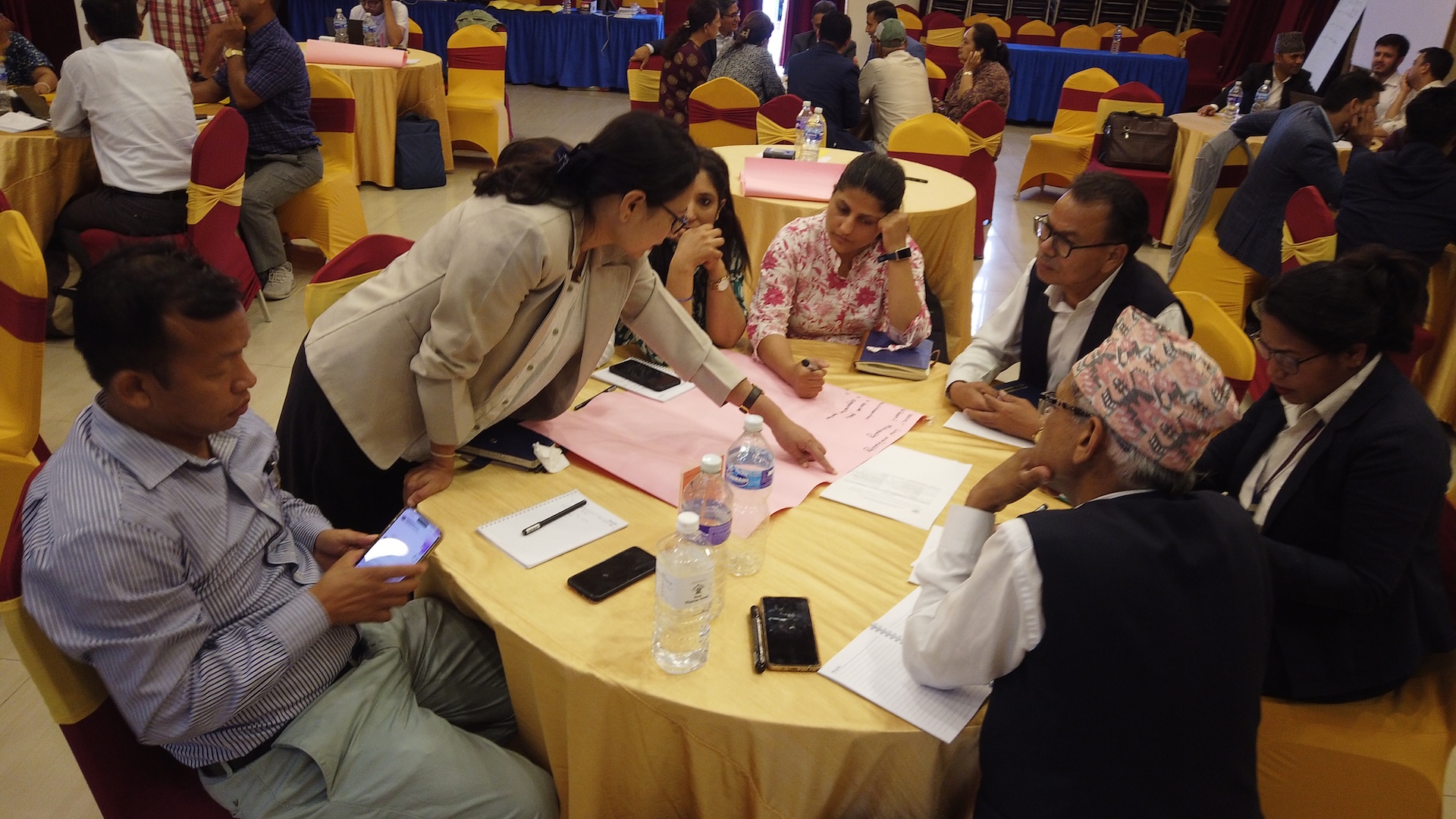
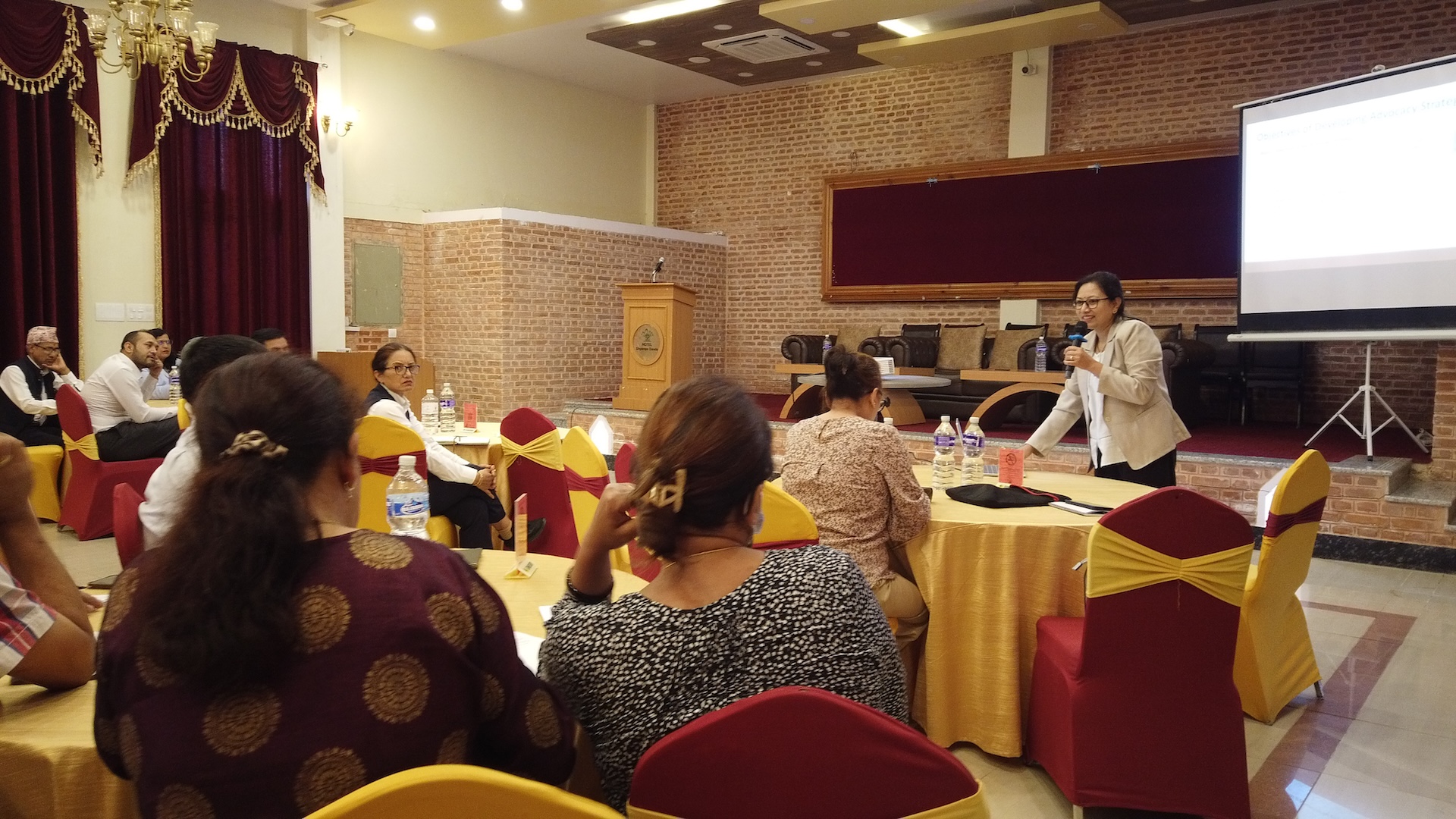
According to Sudha Shrestha, National Professional Officer (WASH) at UN-Habitat, the goal of achieving safe sanitation cannot be accomplished through government and development partner investments alone. Speaking at an interaction program on stakeholder mapping and private sector engagement, she emphasized that faecal sludge management should no longer be viewed solely as a social service but also as an economic opportunity. Her remarks reinforce the idea that the private sector can become a key partner in achieving safe sanitation.
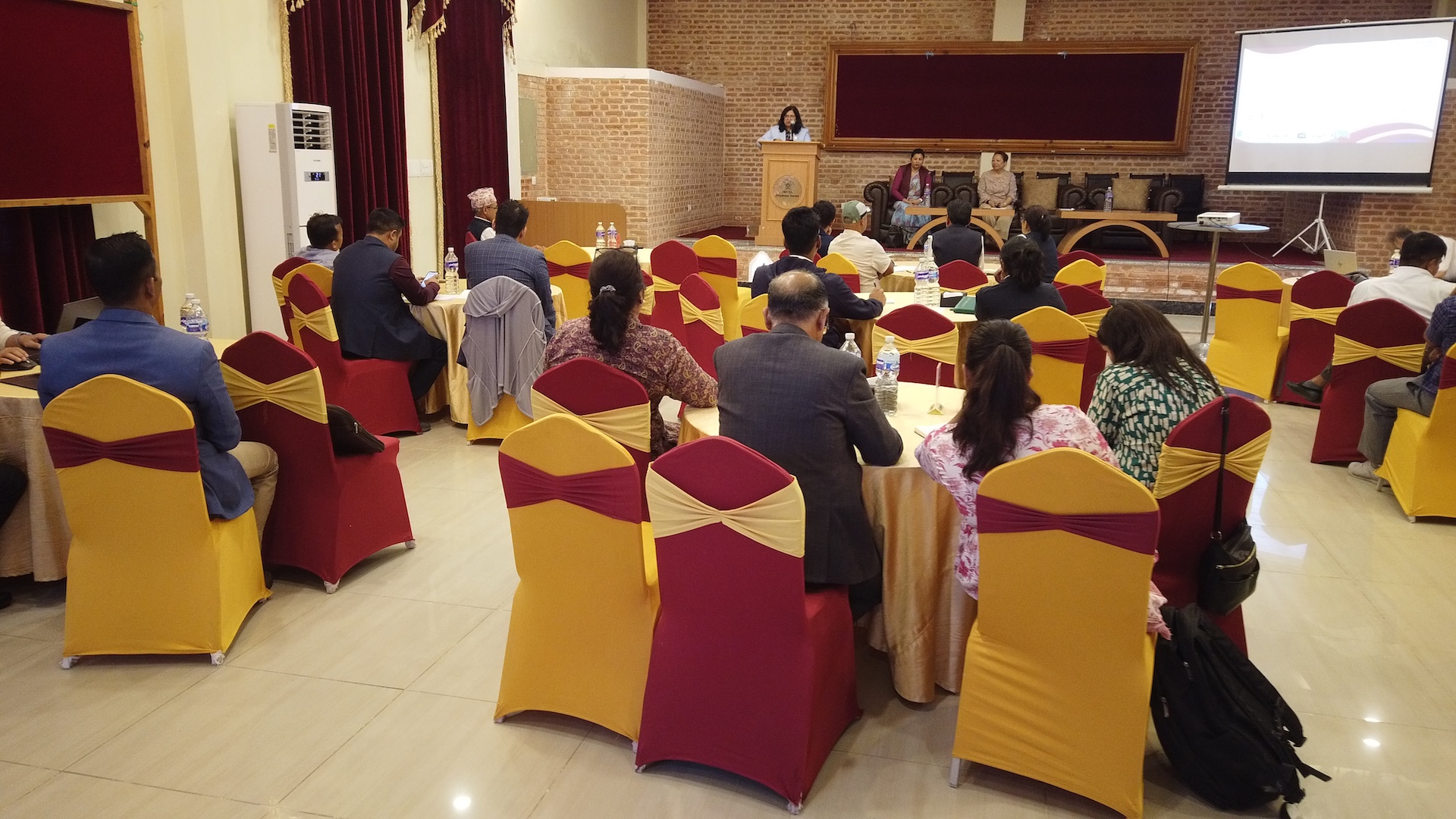
The program featured extensive discussions on why private sector engagement is essential for safe sanitation, the roles private companies can play, the benefits they can generate, and the responsibilities of local governments and development partners in creating an enabling environment.
Why is the Private Sector Needed for Safe Sanitation?
Although most municipalities in Nepal have achieved widespread household toilet coverage, there is still no comprehensive system for the safe management of the faecal sludge generated from these facilities. In many places, septic tanks are emptied by vacuum tankers, but the sludge is often disposed of into rivers, streams, agricultural land, or open spaces without proper treatment.
Such practices contaminate rivers and groundwater, increase the risk of waterborne diseases such as cholera, diarrhoea, and typhoid, contribute to environmental pollution, and pose serious long-term public health risks.
Professional services provided by the private sector are essential to address these challenges.
Key Roles the Private Sector Can Play
1. Faecal Sludge Collection and Transportation
The first step in faecal sludge management is safe collection. Private companies can operate modern vacuum trucks to empty septic tanks, provide timely customer services, safely transport sludge to treatment facilities, maintain service records, and ensure compliance with environmental standards.
A well-managed service system can improve service quality for households while reducing illegal dumping of faecal sludge.
2. Operation of Faecal Sludge Treatment Plants (FSTPs)
The private sector can play a significant role in operating Faecal Sludge Treatment Plants (FSTPs). Their responsibilities may include managing daily operations, maintaining equipment, deploying skilled personnel, financing operational costs, and investing in continuous service improvements. This can substantially reduce the financial and technical burden on local governments.
3. Resource Recovery from Faecal Sludge
Human waste should not be regarded merely as waste but as a valuable resource. After proper treatment, faecal sludge can be converted into organic fertilizer, compost, biogas, soil conditioners, and even energy.
Resource recovery transforms waste into products with economic value while contributing to environmental sustainability.
4. Investment in Innovative Technologies
Private companies often have greater flexibility to adopt innovative technologies than government institutions. They can introduce smart desludging services, digital booking platforms, GPS-based tanker monitoring, online payment systems, customer management systems, and faecal sludge tracking technologies.
Such innovations improve efficiency, transparency, accountability, and customer satisfaction.
5. Job Creation
The sanitation sector has considerable potential to generate employment. Opportunities include vacuum truck operators, sanitation technicians, treatment plant operators, laboratory assistants, compost production workers, equipment maintenance technicians, environmental specialists, and sanitation consultants.
6. Financial Investment
Many municipalities lack sufficient financial resources to develop the infrastructure required for comprehensive faecal sludge management. Through Public-Private Partnerships (PPPs), service contracts, operation and maintenance agreements, and joint investment models, the private sector can contribute capital and expertise to expand sanitation services more rapidly.
7. Public Awareness and Behaviour Change
Because private sanitation service providers interact directly with customers, they are well-positioned to promote regular septic tank emptying, encourage safe sanitation practices, foster willingness to pay for sanitation services, and raise awareness about health and environmental protection.
Why Has the Private Sector Not Been Fully Engaged?
Despite significant opportunities, private sector investment in Nepal’s sanitation sector remains limited.
The major constraints include:
• Lack of clear policies and regulatory frameworks.
• Uncertainty in service tariff determination.
• Unclear return on investment.
• Limited availability of treatment facilities.
• Weak regulatory enforcement.
• Lack of long-term service agreements with local governments.
• Limited access to finance and banking services.
• High business and investment risks.
What Should Local Governments Do?
To attract private investment, local governments should:
• Develop clear policies and regulatory frameworks.
• Establish transparent service tariffs.
• Strengthen licensing and permit systems.
• Invest in the construction of treatment facilities.
• Promote Public-Private Partnership (PPP) models.
• Monitor and regulate service delivery.
• Provide tax incentives and other investment incentives.
• Enforce mandatory disposal of faecal sludge at authorized treatment facilities.
Role of Development Partners
Development partners can support the sector by providing seed funding, technology transfer, capacity building, research, business development support, pilot projects, and technical assistance for policy formulation.
However, in the long term, sustainable sanitation services should be delivered through partnerships between local governments and the private sector.
The Way Forward
In many countries around the world, the private sector plays a leading role in faecal sludge management, providing services ranging from collection and transportation to treatment and resource recovery. These models have improved service quality, reduced the operational burden on local governments, created employment opportunities, and contributed to environmental protection.
Nepal has also begun implementing promising initiatives, including private vacuum tanker services, operation of Faecal Sludge Treatment Plants (FSTPs), and Public-Private Partnership models in selected municipalities. These experiences should be expanded and supported through stronger national policies and sustainable financing mechanisms.
Creating an investment-friendly environment, establishing clear policies, ensuring reasonable financial returns, and offering long-term business opportunities will encourage greater private sector participation and help make faecal sludge management more sustainable, efficient, and financially viable.
To achieve the Sustainable Development Goal of “Sanitation for All” by 2030, positioning the private sector as a key development partner is no longer an option—it is a necessity.