243 पटक हेरिएको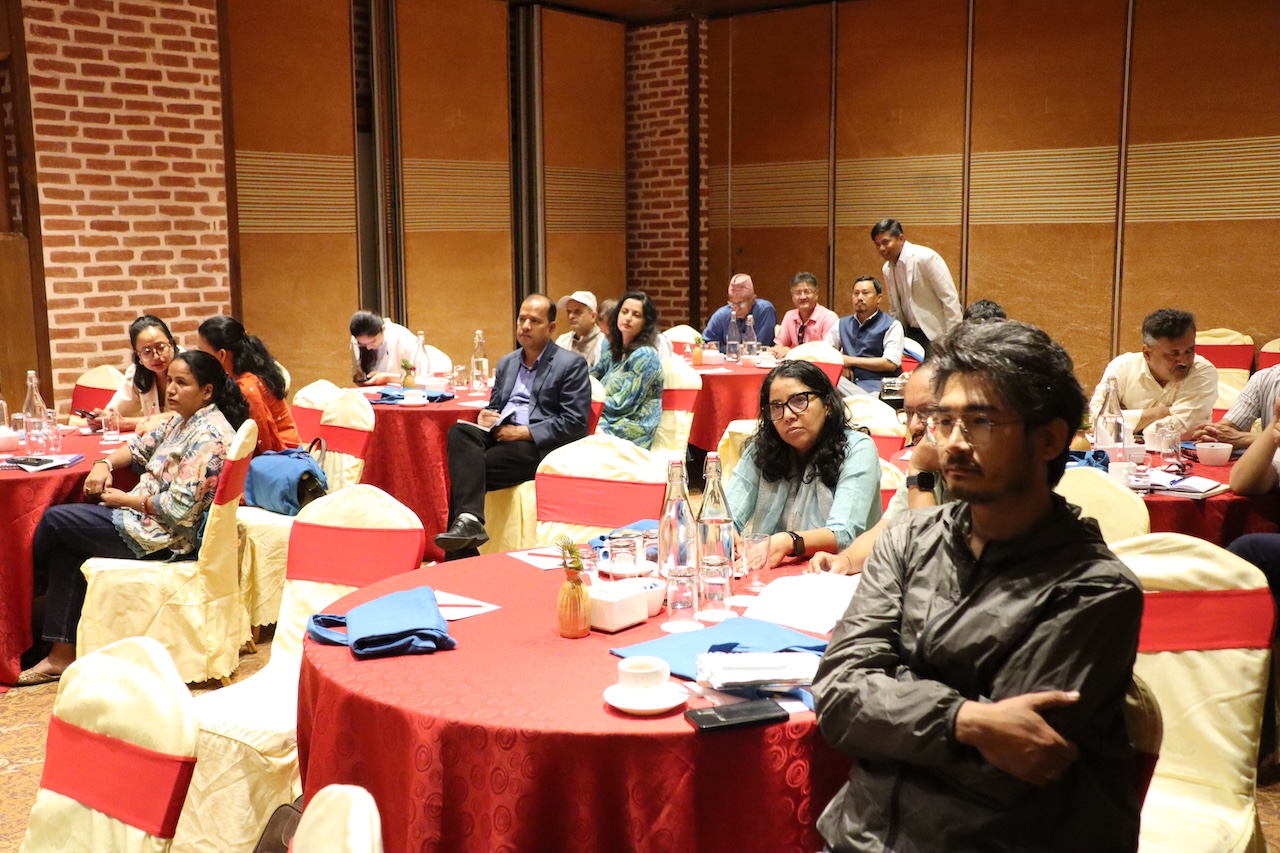
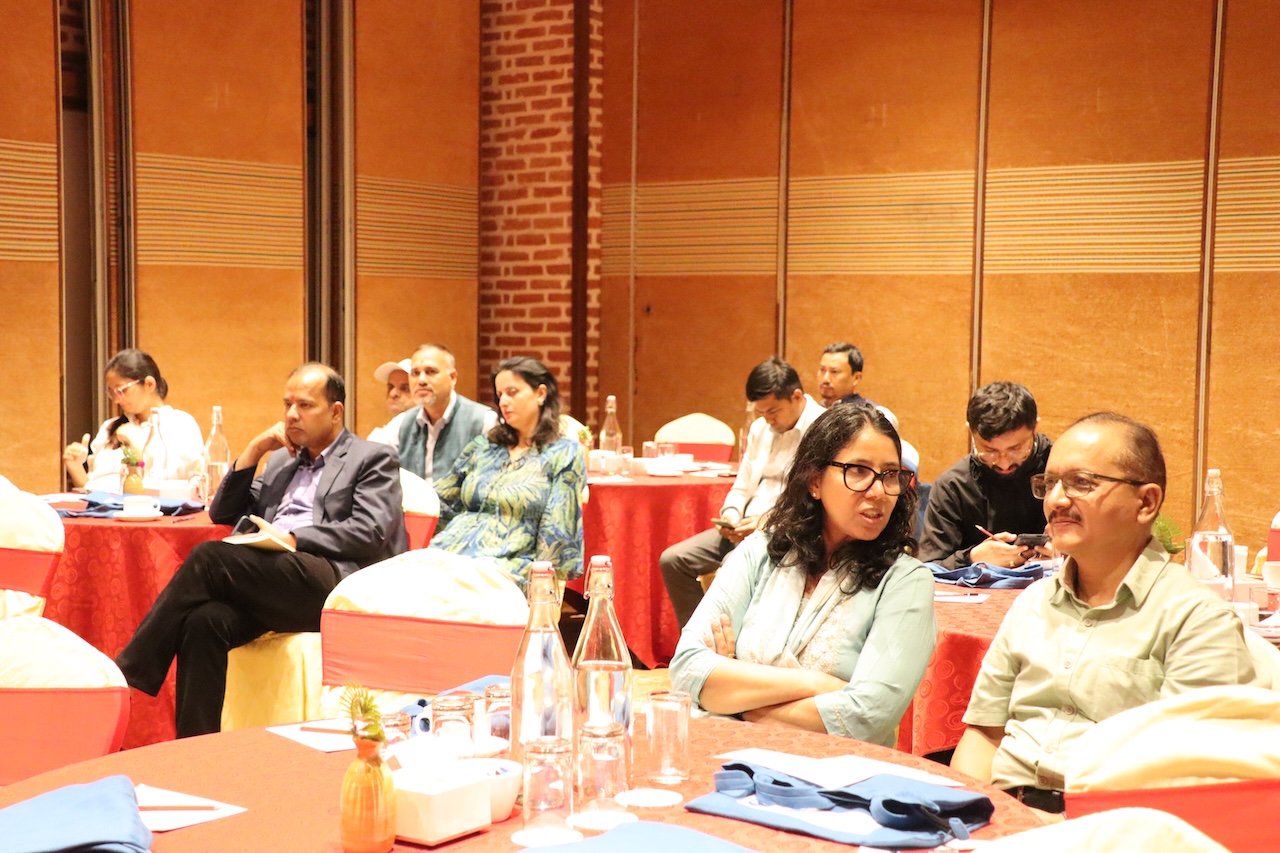
Kathmandu: The WASH Systems for Health (WS4H) project, implemented in Koshi and Madhesh Provinces, has laid an important foundation for expanding safe, inclusive, and sustainable water, sanitation, and hygiene (WASH) services through decentralized WASH systems strengthening, capacity development of local governments, and the promotion of the National WASH Management Information System (NWASH-MIS).
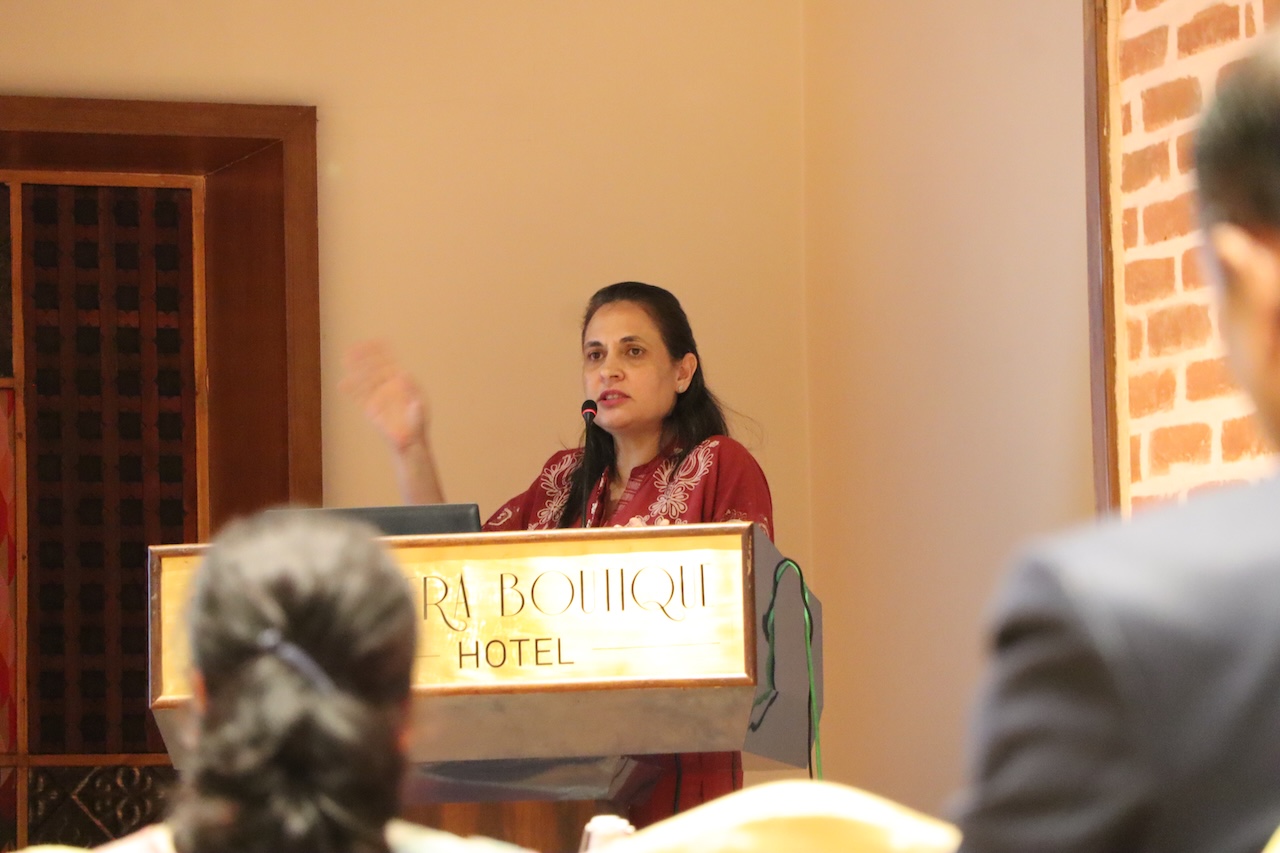
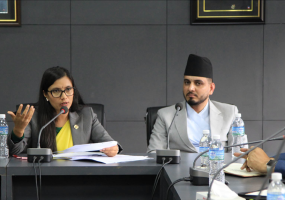
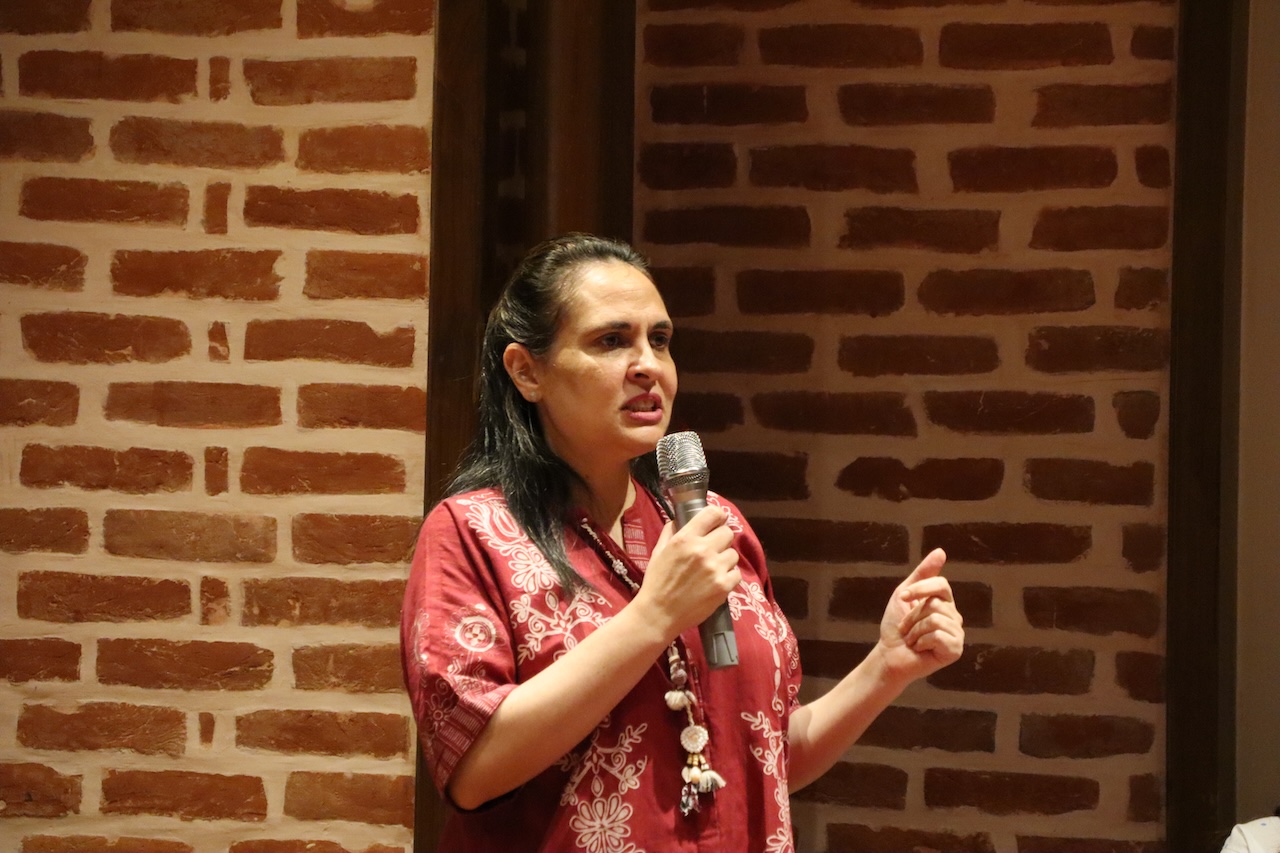
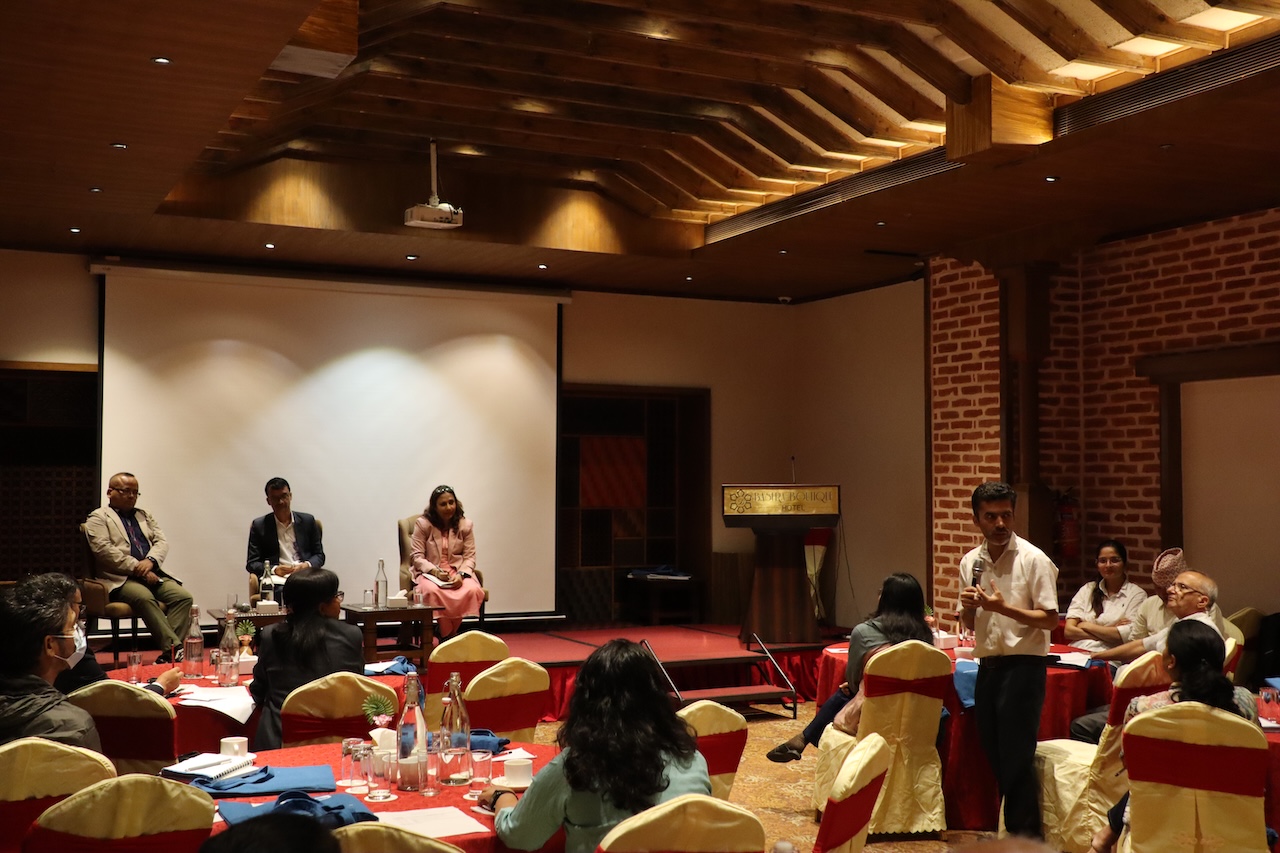
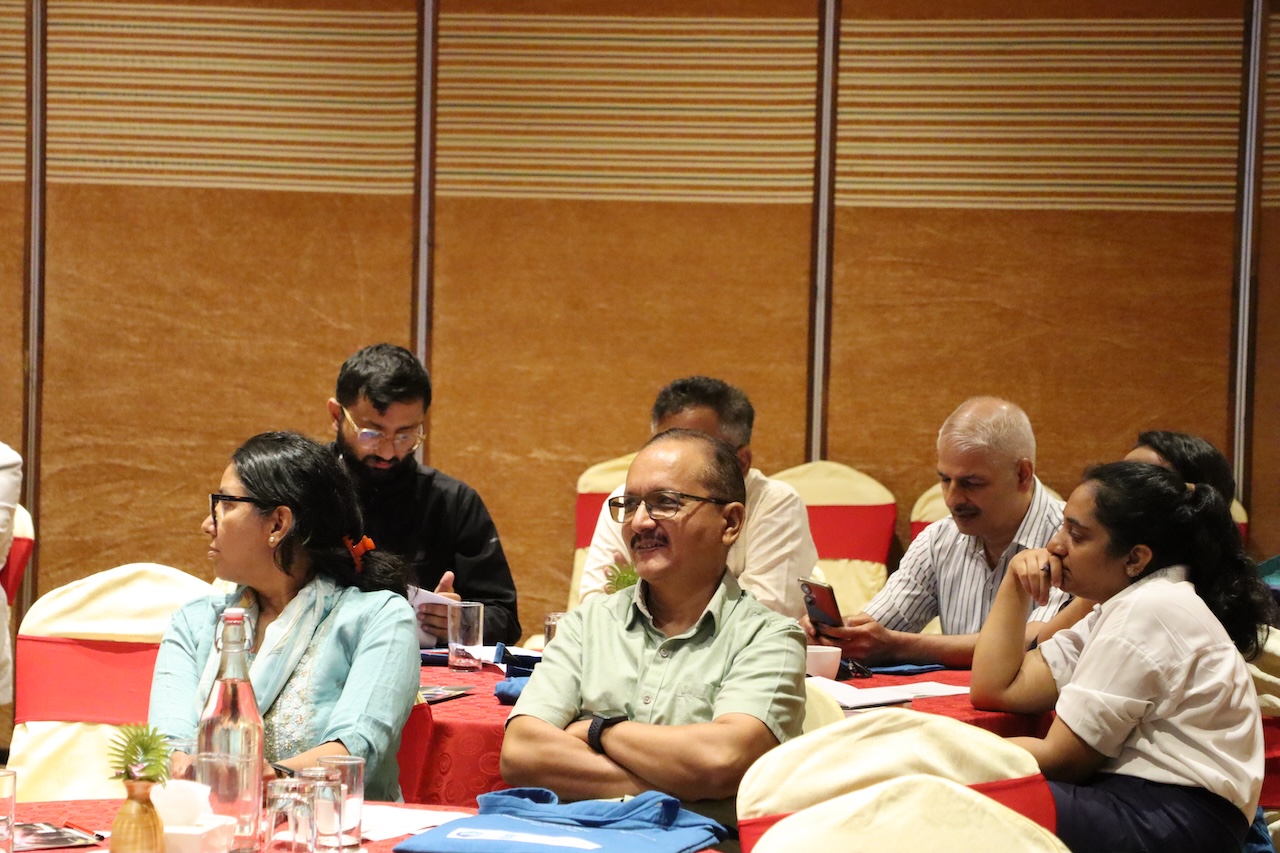
Speaking at the project’s Learning and Experience Sharing Workshop, organized to review the achievements, lessons learned, challenges, and future directions of the project, Nadira Khawaja, Water Sector Leader at SNV Nepal, presented the project’s key accomplishments, systems strengthening approaches, lessons learned, and strategies for sustaining and scaling up its achievements.
Khawaja emphasized that building WASH infrastructure alone is no longer sufficient for Nepal’s WASH sector. Instead, she stressed that systems strengthening is the foundation for achieving sustainable, safe, and inclusive WASH services in the long term.
According to her, the major challenge today is not merely constructing toilets or water supply schemes but developing governance systems capable of ensuring these services remain safe, inclusive, climate resilient, and sustainable. Guided by this vision, the project worked closely with federal, provincial, and local governments to strengthen institutional systems and enhance the capacities of local governments across Koshi and Madhesh Provinces.
Funded by the UK Government’s Foreign, Commonwealth and Development Office (FCDO), the project was implemented from September 2024 to July 2026 by SNV Nepal and WaterAid Nepal in coordination with the then Ministry of Water Supply.
The project aimed to strengthen decentralized governance systems for delivering inclusive, climate-resilient, and sustainable rural WASH services.
Strengthening Provincial Governments as Key Enablers
Khawaja explained that the project focused on empowering provincial governments to serve as enablers for local governments by working across five key areas: policy and legislation, monitoring, planning, institutional development, and learning and adaptation.
According to her presentation, Koshi Province has enacted a WASH Act and prepared a draft WASH Policy, while Madhesh Province has drafted its own WASH Act. These policy reforms have provided clearer direction for provincial WASH governance.
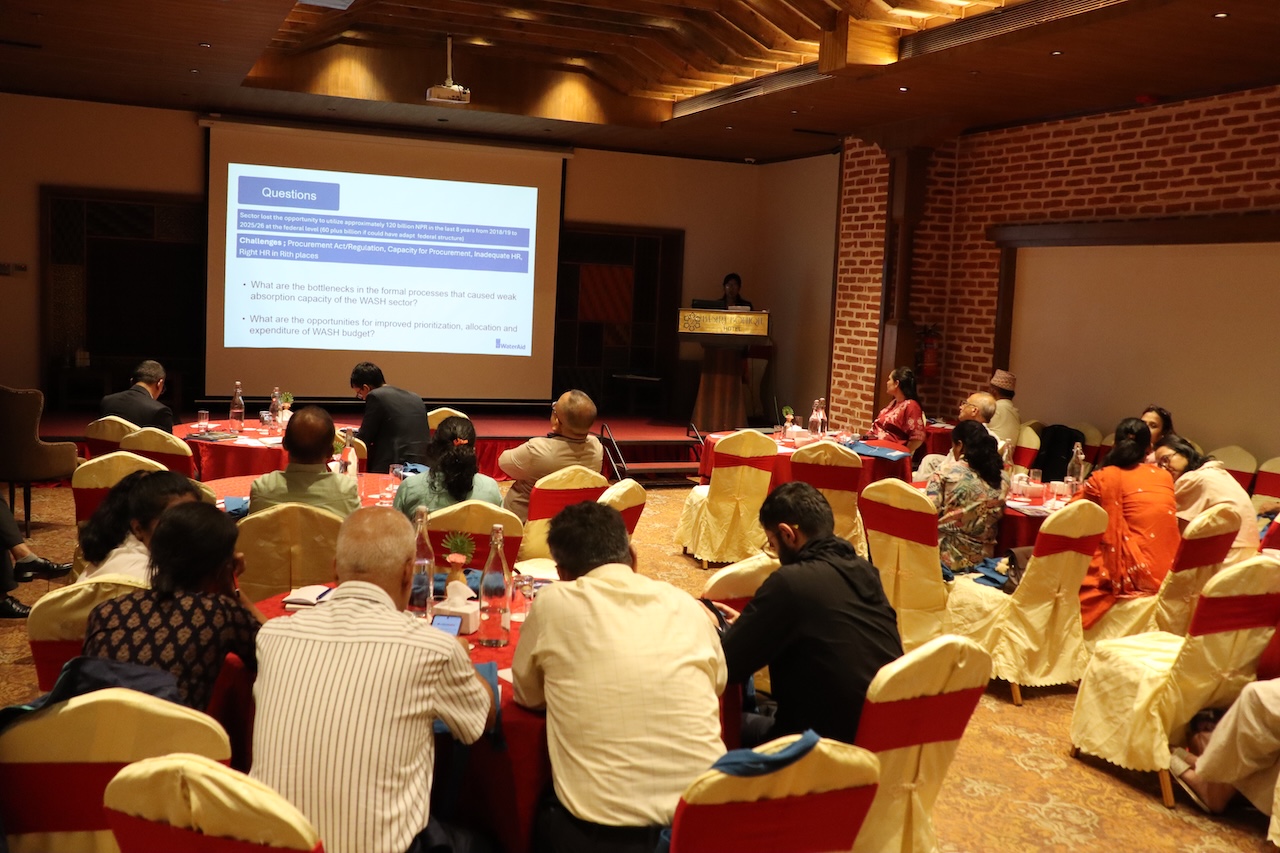
She further shared that both provinces received technical support, training, and capacity-building to improve the quality of local-level data collection through the NWASH-MIS. The project also developed Provincial Resource Persons (PRPs) and Behaviour Change Communication (BCC) master trainers.
In Koshi Province, a Provincial WASH Coordination Committee has been established, while in Madhesh Province, a Development Partners Group led by the provincial ministry has been formed to institutionalize coordination among stakeholders.
Significant Progress in Expanding NWASH-MIS
One of the project’s major achievements has been the expansion of the National WASH Management Information System (NWASH-MIS).
Before the project began, only nine local governments in Koshi Province were collecting digital WASH data. Following project implementation, that number increased to 64 local governments.
According to Khawaja, the system enables local governments to estimate the initial investment required for water supply and sanitation infrastructure while also identifying the financial resources needed to deliver safely managed WASH services. It has further created opportunities for joint investment and collaboration among federal, provincial, and local governments.
The project also supported local governments in preparing comprehensive WASH Plans based on evidence generated through NWASH-MIS. These plans integrate infrastructure development with behaviour change, service improvement, gender equality, disability and social inclusion (GEDSI), and climate risk considerations.
As a result, local governments are now better positioned to prepare annual plans and budgets based on reliable evidence.
Data Reveals Persistent Challenges
Data collected through the project also highlighted several critical challenges, particularly in parts of Madhesh Province.
Khawaja noted that open defecation still persists in some communities, accessible toilets for persons with disabilities remain inadequate, and some women continue to avoid using toilets during menstruation.
She explained that these findings not only identify service gaps but also help provincial and local governments prioritize investments, target vulnerable communities, and design effective behaviour change interventions.
Key Lessons from the Project
Khawaja shared several important lessons learned through the project.
She emphasized that sustainable WASH service delivery requires not only sufficient financing but also strong local government ownership, continuous technical assistance, and ongoing capacity development. The project also demonstrated that effective planning is impossible without improving data quality.
She further noted that performance assessment systems such as the Local Government Performance Assessment System (LGPAS) and financial incentives have played a significant role in motivating local governments to strengthen WASH systems.
Future Priority: Systems Strengthening
Looking ahead, Khawaja stressed that future investments in the WASH sector should move beyond infrastructure development and instead focus on the entire service lifecycle, climate risk reduction, and the needs of vulnerable communities.
She called for scaling up successful models such as Climate Resilient Rural WASH across other provinces and local governments, emphasizing that systems strengthening is the most effective pathway to scaling quality WASH services.
She concluded that Nepal’s future WASH priorities should focus on strengthening provincial governments as capable facilitators, developing robust data systems, promoting evidence-based planning, and reinforcing collaboration among federal, provincial, and local governments to ensure safe, inclusive, and sustainable WASH services.
Speakers Stress Coordination, Systems Strengthening, and Increased Investment
Speaking at the event, Madhav Prasad Adhikari, Joint Secretary at the Ministry of Infrastructure Development, highlighted the need to replicate the lessons from the WS4H project in other programmes.
He reaffirmed the ministry’s commitment to facilitating this process and noted that while WASH investments over the past decade have largely focused on infrastructure development, the WS4H project has introduced a valuable approach by prioritizing institutional systems strengthening.
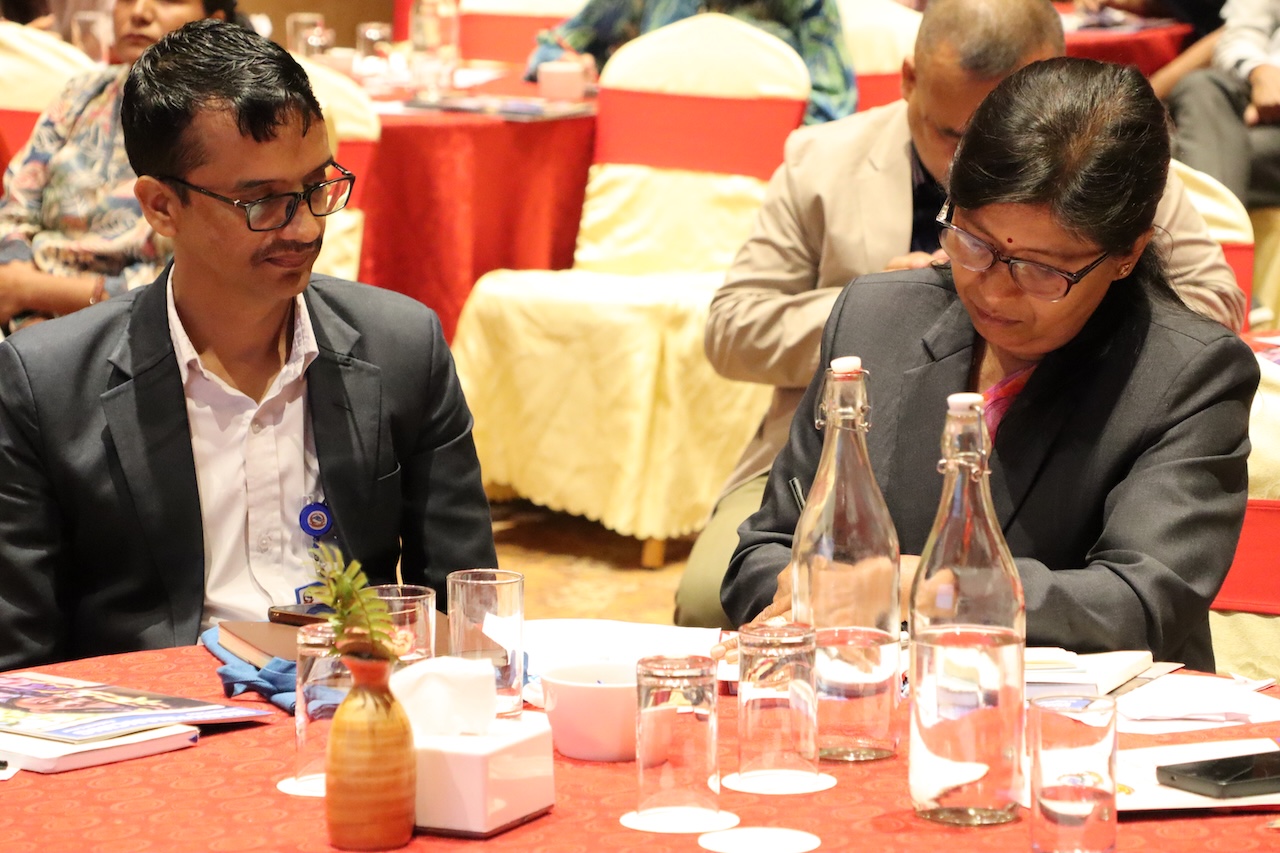
Laxmi Pant, Senior Divisional Engineer at the Drinking Water Division of the Ministry of Energy, Irrigation and Drinking Water of Madhesh Province, remarked that although provincial governments are expected to bridge the gap between federal and local governments, this role has not yet been fully realized in practice. She stressed that provincial governments must play a stronger coordinating role to avoid duplication among development partners.
Dr. Rajit Ojha, Senior Divisional Engineer at the Department of Water Supply and Sewerage Management (DWSSM), emphasized that WASH systems need to become more flexible and adaptable to respond to changing needs and emerging challenges.
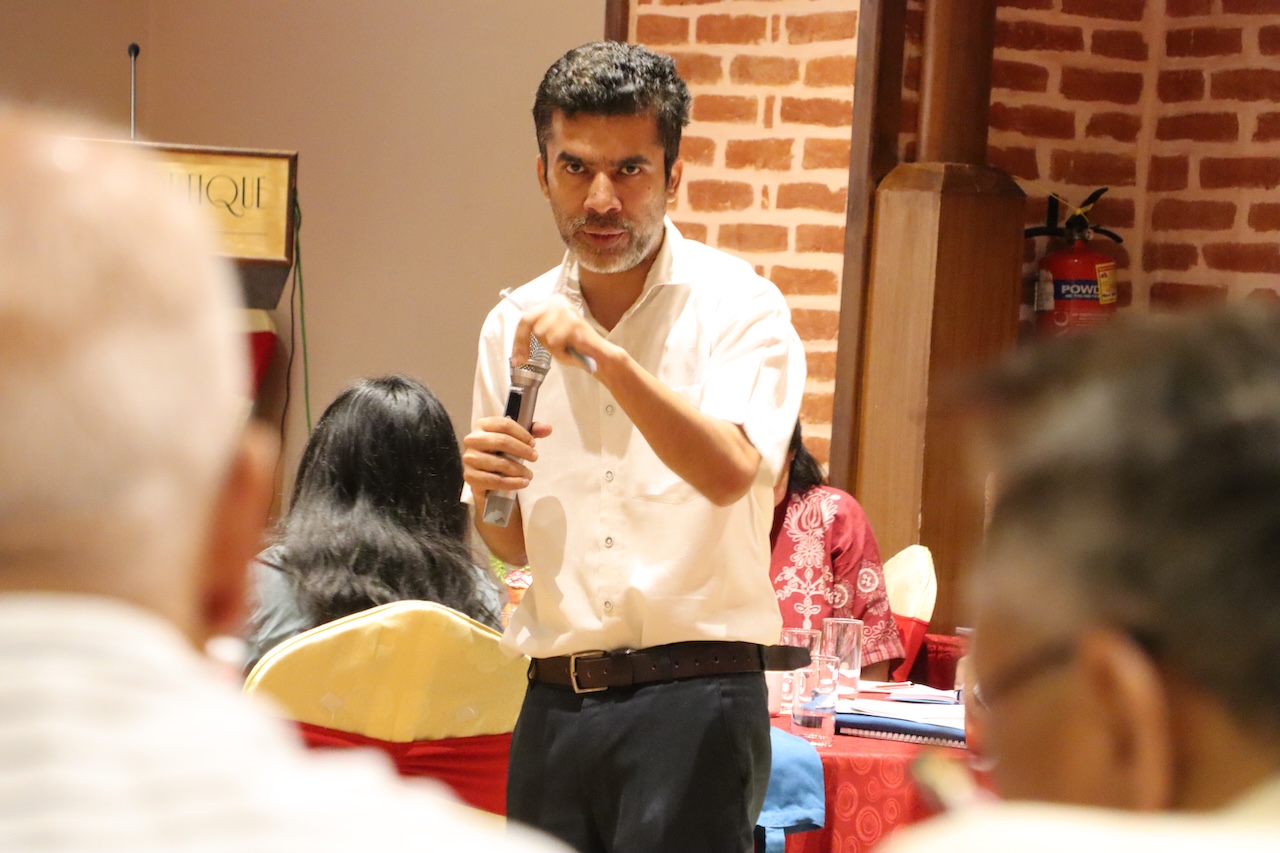
Govinda Shrestha, Senior WASH Policy Advisor at WaterAid Nepal, pointed out that public investment in the WASH sector has not increased in line with other sectors. He underscored that adequate public financing is essential for expanding safe and sustainable WASH services.
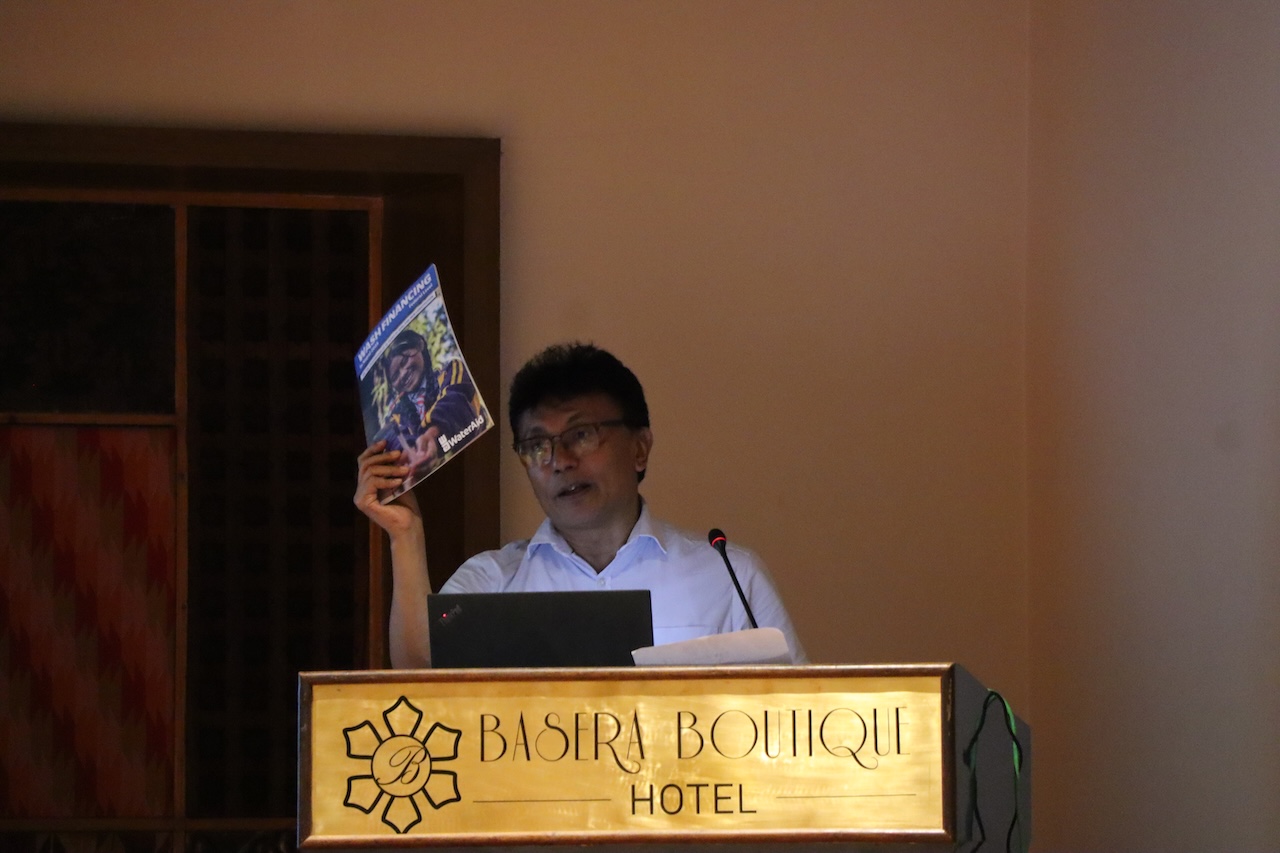
Closing the programme, Engineer Meena Shrestha, the chief guest, stressed the importance of institutionalizing the lessons learned from the WS4H project in future policy development, planning processes, and programme implementation. She also emphasized the need to strengthen collaboration among federal, provincial, and local governments by translating project experiences into practical action.
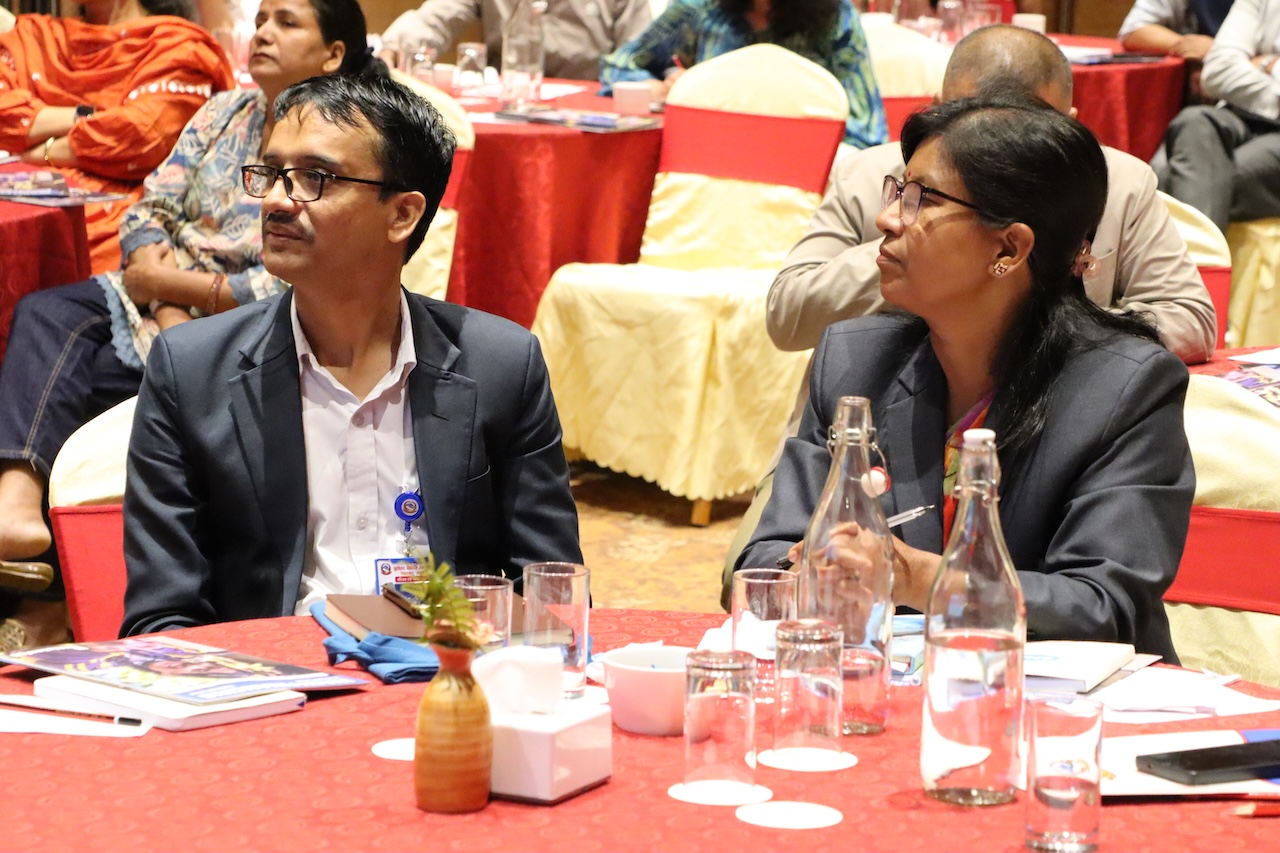
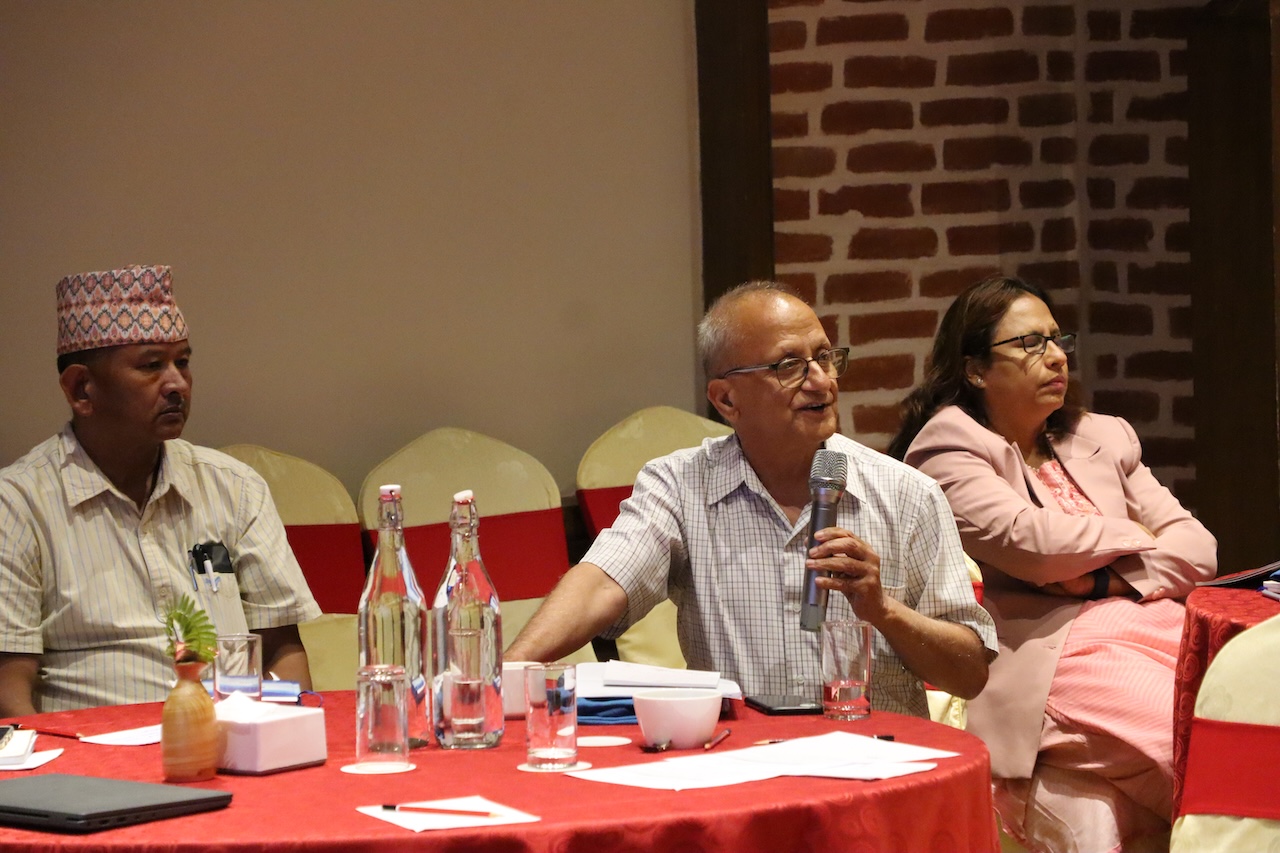
The workshop concluded with the participation of representatives from the federal and provincial governments, UNICEF, UN-Habitat, FANSA, SOPHEN, and other development partner organizations.
Photos: Suman Tamang/WASH Khabar