189 पटक हेरिएको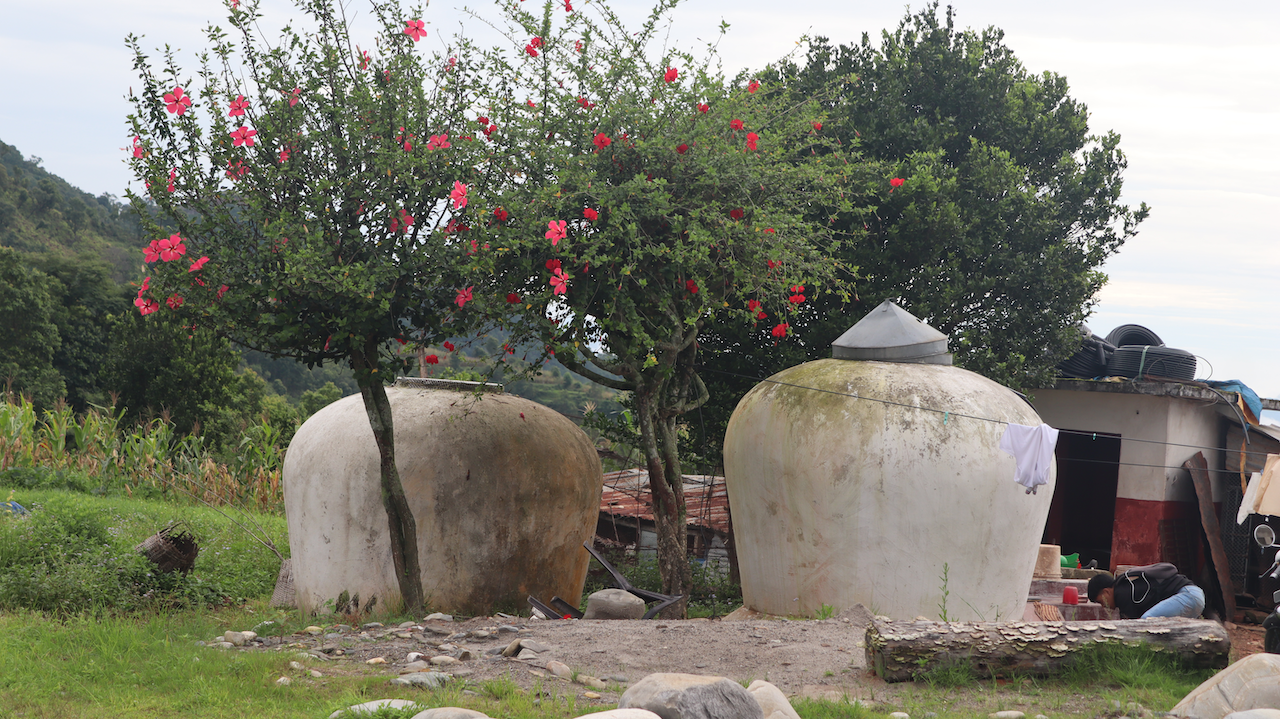
Kathmandu: During the monsoon season, plenty of rain falls from the sky. However, a large portion of this water simply runs off without being collected or used. At a time when pressure on drinking water sources is increasing, groundwater levels are declining, and some areas face water shortages throughout the year, rainwater harvesting can be a simple, affordable, and sustainable alternative.
If you are thinking about harvesting rainwater, now is the right time. Clean the roof, check the gutters and pipes, prepare a water storage tank, and save every drop of rain.
The rainy season is particularly suitable for harvesting rainwater. Water falling on the roofs of homes, schools, offices, health facilities, and other buildings can be systematically collected and used for domestic and other purposes.
A Simple Way to Collect Rainwater from Rooftops
The first step in rainwater harvesting is to keep the roof clean. Care should be taken to prevent dust, leaves, bird droppings, and other debris accumulated on the roof from entering the storage tank along with the water.
Rainwater collected on the roof can be channelled through gutters or pipes to a designated location and stored in a tank. Plastic or cement tanks, drums, or other suitable containers can be used for water storage. The size of the tank should be determined based on the roof area, amount of rainfall, and the household’s water requirements.
Rainwater harvesting systems can also be expanded to schools, health facilities, government offices, and public buildings.
However, the first flow of water from the roof should not be collected directly into the storage tank. Since it carries dust and debris that have accumulated on the roof over time, a first-flush system can be used to divert the initial runoff. The water that follows can then be filtered and collected, helping to improve its quality.
Where Can Harvested Rainwater Be Used?
With appropriate treatment and quality assurance, rainwater can even be used for drinking and cooking. It can also be used for flushing and cleaning toilets, washing clothes, cleaning, watering gardens, and other household purposes.
If rainwater is to be used as drinking water, water quality testing and necessary treatment are essential. Clear-looking rainwater is not necessarily safe to drink. The quality of the water also depends on the cleanliness of the collection system, roof, pipes, storage tank, and surrounding environment.
As pressure on drinking water sources continues to increase, groundwater levels decline, and some areas face water shortages throughout the year, rainwater harvesting can be a simple, affordable, and sustainable solution.
Keeping the Storage Tank Clean Is Equally Important
Collecting rainwater alone is not enough; it must also be stored safely. The storage tank should be properly covered to prevent mosquitoes, insects, dust, and other contaminants from entering. The tank and pipelines should be cleaned regularly.
The roof and gutters used for collecting water should also be kept free of accumulated dirt and debris. Before the rainy season begins, it is advisable to inspect the roof, gutters, pipes, filters, and storage tank and carry out any necessary repairs and cleaning.
A Reliable Way to Reduce Water Scarcity
Rainwater harvesting can provide an immediate alternative source of water for households while reducing pressure on other water sources. Particularly in water-scarce hilly and urban areas, rainwater harvesting can become an important component of household water management.
Rainwater harvesting systems can also be expanded to schools, health facilities, government offices, and public buildings. This not only increases water availability but also helps develop water conservation practices within communities.
The rainy season brings a natural gift for only a few months each year. Whether we allow this water to run away or preserve it as a resource for the future depends on how we manage it. Therefore, if you are thinking about harvesting rainwater, now is the right time—clean the roof, check the gutters and pipes, prepare the storage tank, and save every drop of rain.
Saving water means securing the future.