232 पटक हेरिएको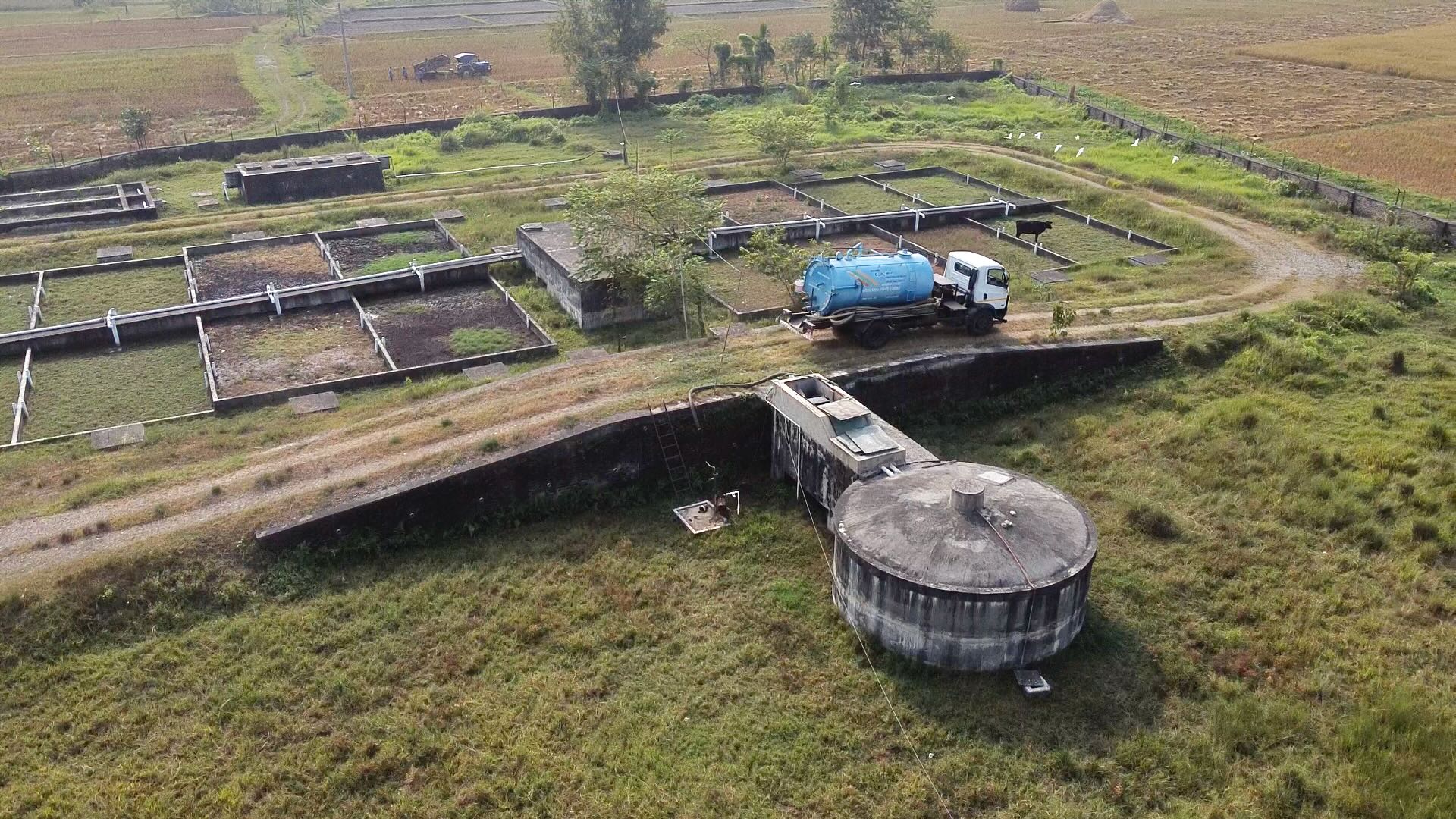
For a long time, discussions on safe sanitation in Nepal have focused primarily on toilet construction as the main achievement. However, questions about where human waste goes after a toilet is built, who empties a septic tank when it becomes full, how it is emptied, where the waste is transported, and how it is safely treated and managed afterward have yet to receive adequate attention as a matter of business and institutional discussion.
A major opportunity for entrepreneurship lies within the challenge of fecal sludge management.
Nepal declared itself an open defecation-free country in 2019 and is now entering the next phase of sanitation. At this stage, a service system for safely managing the waste generated from toilets is becoming even more important than simply “building toilets.” This transition is creating significant opportunities for the private sector, young entrepreneurs, local businesses and social enterprises in fecal sludge emptying, collection and transportation services.
Fecal sludge emptying has traditionally been viewed merely as dirty and risky manual labor. From the perspective of safe sanitation, however, it is an essential public service. If it can be transformed into a well-organized business, it can not only protect public health and the environment but also create a new foundation for local employment, income generation and entrepreneurship.
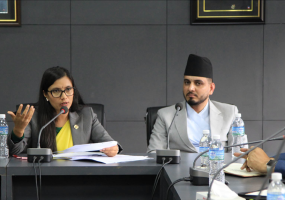
According to Rajendra Shrestha, Executive Director of the Environment and Public Health Organization (ENPHO), sanitation should no longer be viewed solely as a matter of infrastructure development. After toilets are constructed, systems for regularly emptying fecal sludge, transporting it safely and treating it should also be developed as an integral part of sanitation services.
“Sanitation must now give equal importance to service systems and their sustainability. If services for safely emptying septic tanks and transporting the collected sludge to appropriate facilities are properly organized, they can not only protect public health and the environment but also create employment and entrepreneurial opportunities,” Shrestha said.
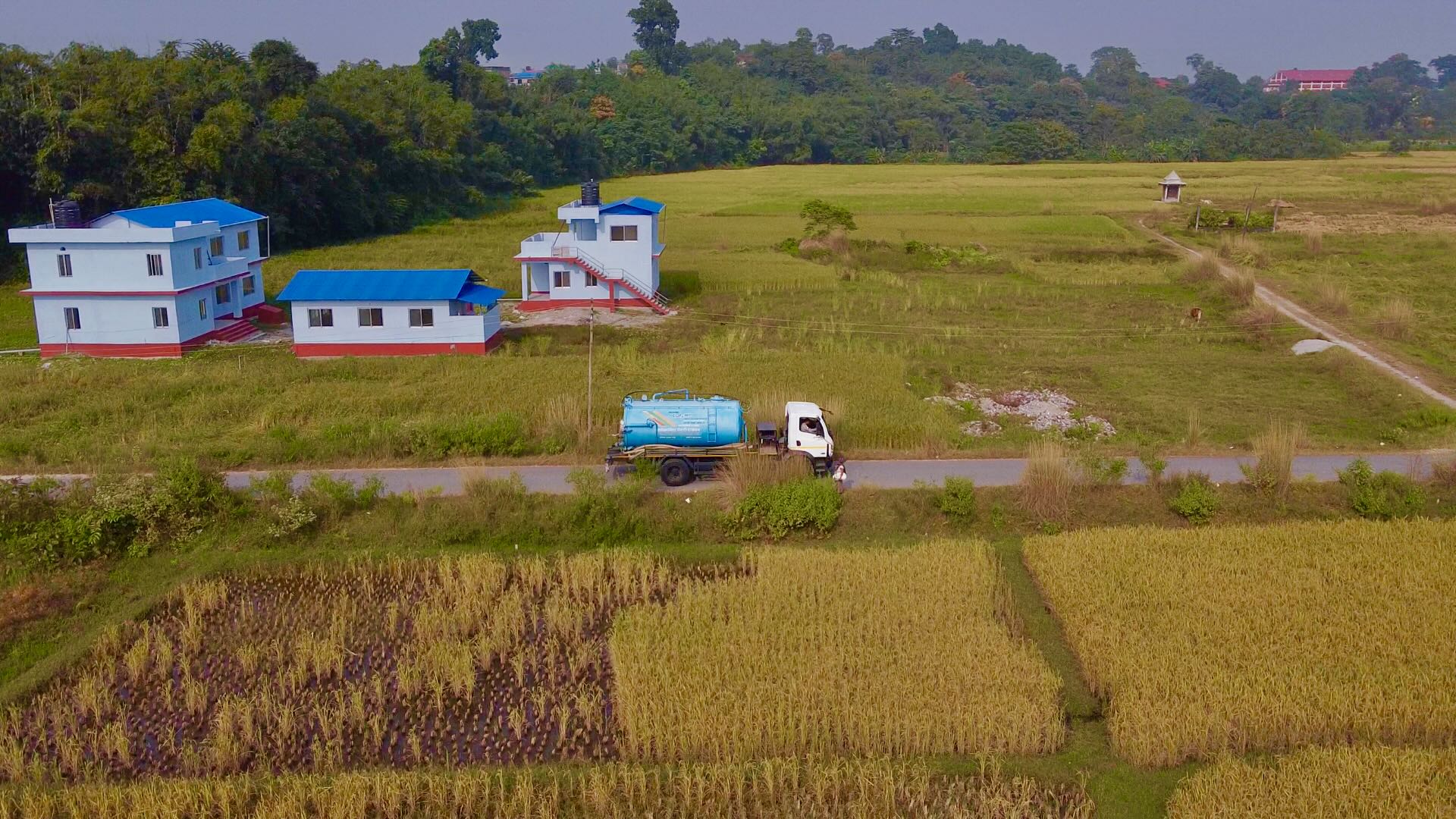
Services Are Needed When Septic Tanks Become Full
Most households, hotels, schools, offices, health facilities and other institutions in Nepal are still not connected to centralized sewerage systems. In many places, septic tanks, soak pits and other on-site sanitation systems are being used.
However, septic tanks do not have unlimited capacity. Fecal sludge accumulates in them over time. If the tanks are not emptied on time, their capacity gradually decreases, waste may overflow, groundwater and the surrounding environment may become polluted, and risks to human health may increase.
Therefore, septic tank emptying is a regular and essential sanitation service.
The problem is that such services are still not available in a regular, quality-assured and professional manner in many local governments. In some places, households only look for a service provider after the septic tank has already become full. The number of service providers is limited. Service charges are not clearly defined. Vehicles may not be appropriate for the job. Workers may not have adequate personal protective equipment. In some cases, it is also unclear where the collected fecal sludge is ultimately taken for disposal or treatment.
It is precisely within these challenges that a major opportunity for entrepreneurship lies.
“We need to change the way we view fecal sludge—not simply as waste. If it is safely collected, transported and treated, this sector can become a source of services, employment and business,” said ENPHO Executive Director Shrestha.
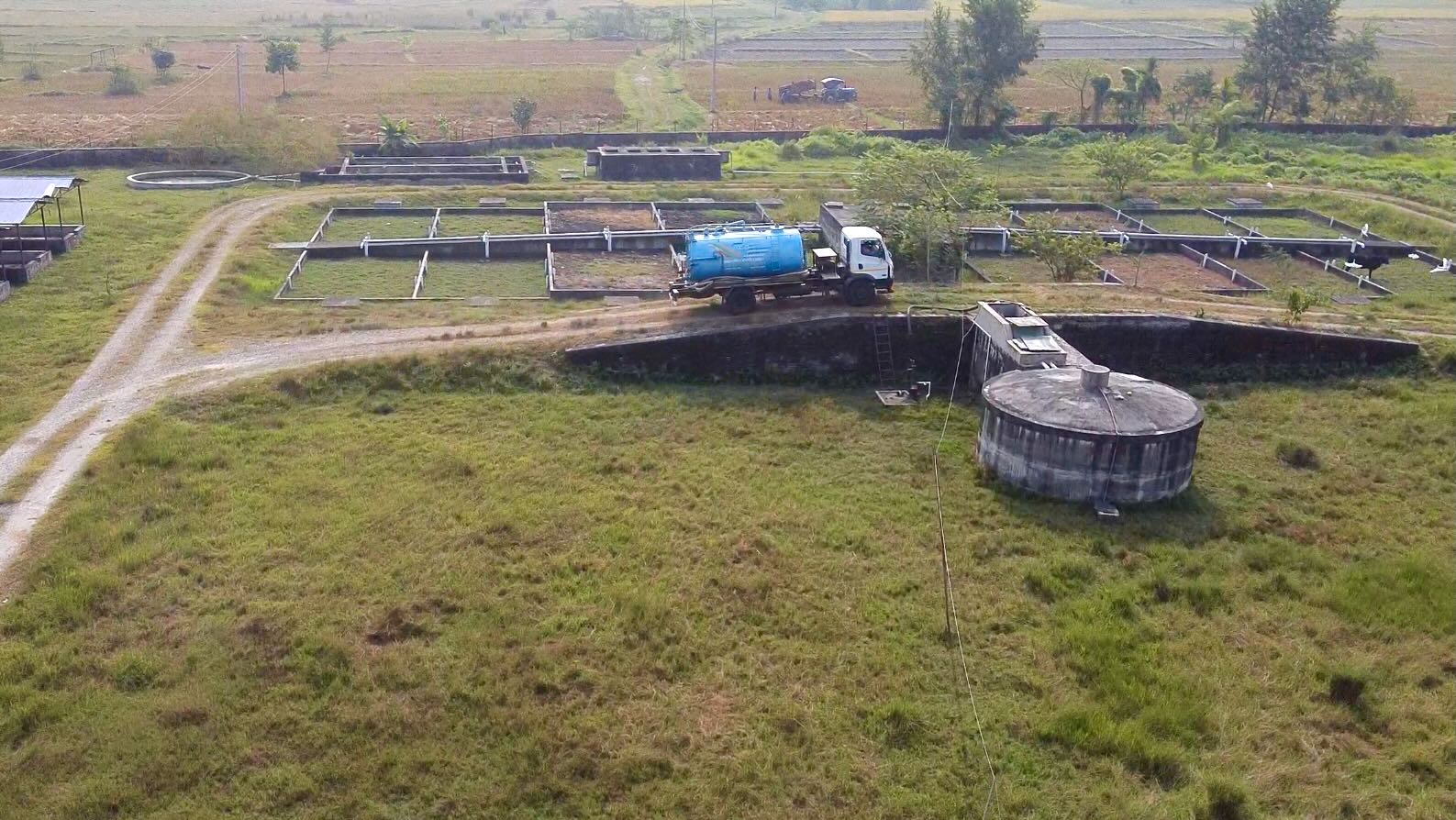
How Can Fecal Sludge Emptying Become a Business?
Although the basic business model for fecal sludge emptying may appear simple, it can be developed into a well-organized service system.
Customer → Service request → Tank inspection → Safe emptying → Collection through a closed system → Transportation → Handover to a designated treatment facility
This system can be further organized so that entrepreneurs provide services within a defined area of a local government.
For example, in a municipality, a business could develop a specific number of households, hotels, schools and institutions as regular customers. Customers could request services by phone or through digital platforms. The entrepreneur could arrive at the designated time with the necessary equipment and safely empty the septic tank. The collected sludge could then be transported to a designated treatment facility.
Viewed in this way, the service is not merely about cleaning tanks; it can become a sanitation service business.
According to Shrestha, private-sector investment in this area can be encouraged if local governments provide service providers with permits based on clear standards, define service areas and require collected fecal sludge to be transported to designated treatment facilities.
“If local governments establish rules and standards, the private sector provides the services, and proper treatment facilities are ensured, fecal sludge management can itself become a well-organized service industry,” he said.
1. Local Vacuum Tanker Services
The most direct business opportunity in this sector is vacuum tanker services. While large-capacity vacuum tankers can be operated in major cities, such vehicles may not be practical everywhere, particularly in hilly and rural areas. Narrow roads, steep terrain, settlement patterns and limited road access to individual houses may require smaller or medium-capacity equipment.
Therefore, local entrepreneurs can operate service businesses using small- or medium-capacity vacuum tankers based on the needs of their respective areas.
The investment required for such a business is not limited to the vehicle. Vacuum pumps, hoses, personal protective equipment, worker training, vehicle maintenance, insurance, fuel and overall service management are also integral parts of the business.
If local governments establish clear standards and regulate and authorize such service providers accordingly, work that is currently being carried out informally can be transformed into a formal business.
2. Small Vacuum Equipment and Micro-Enterprises
Not every location requires a business equipped with a full-size tanker. In particular, small-capacity portable vacuum equipment or equipment mounted on trailers may be suitable for densely populated settlements, narrow alleys and rural areas.
This can open the door for young people and local entrepreneurs who cannot afford large investments to establish small-scale sanitation enterprises.
An entrepreneur could start a service with a small piece of equipment, the necessary hoses and safety materials, and two or three trained workers. The business could collaborate with a larger transportation company or a designated treatment facility to transport the collected sludge.
In this way, one large company does not have to handle the entire process. A business chain can be developed linking small collection businesses, transportation services and treatment facilities.
“Given Nepal’s geographical conditions, equipment of a single size and capacity is not suitable everywhere. Therefore, small- and medium-scale service providers can be developed according to local needs and market conditions,” Shrestha said.
This can particularly create opportunities for young people to start businesses at the local level. Those who cannot establish a company with a large investment can begin with a small piece of equipment and gradually expand their business.
For this reason, fecal sludge emptying and transportation should no longer be viewed merely as “waste-cleaning work.” They need to be understood as a business providing safe sanitation services.
Photos: Lokchandra Thapa/WASH Khabar