630 पटक हेरिएको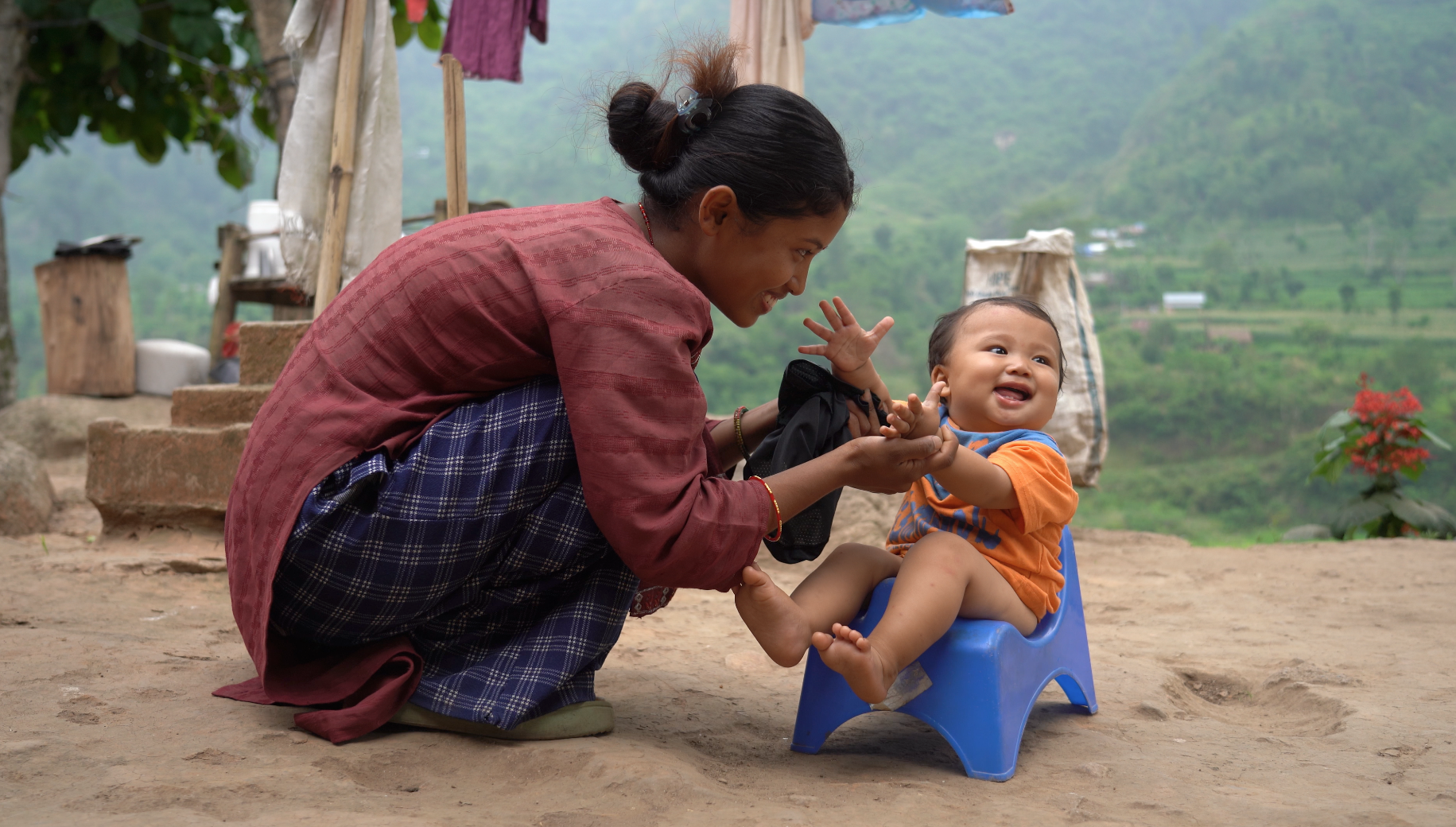
Kathmandu : Many parents may think that a child’s feces is small and therefore not very harmful. But experts say, “A child’s feces is just as dangerous as that of an adult.” When thrown in the open or with household waste, it poses serious health risks to both families and communities.
- Health Protection
Children’s feces contain various bacteria, viruses, and parasites. These pathogens can easily spread diseases such as diarrhea, cholera, typhoid, and hepatitis. When disposed of in open spaces, not only the child but the entire family is at risk of infection.
- Sanitation and Environmental Impact
Open disposal of feces spreads foul odor and pollutes the environment. It can contaminate drinking water sources such as wells, taps, ponds, and streams. Unsanitary conditions also attract flies and insects, which further accelerate the spread of disease.
- Social and Behavioral Reasons
The habit of disposing of a child’s feces in the toilet fosters a culture of cleanliness within the family. It makes households more responsible and contributes to creating an open defecation–free community.
- Long-Term Benefits
Although it may seem inconvenient at first, teaching children to use toilets from an early age has lasting benefits. It reduces the risk of illness, saves medical expenses, and leads families toward healthier lives.
Therefore, never underestimate a child’s feces just because it seems small. It is as hazardous as an adult’s. To keep families and communities safe, it must always be managed in the toilet.