298 पटक हेरिएको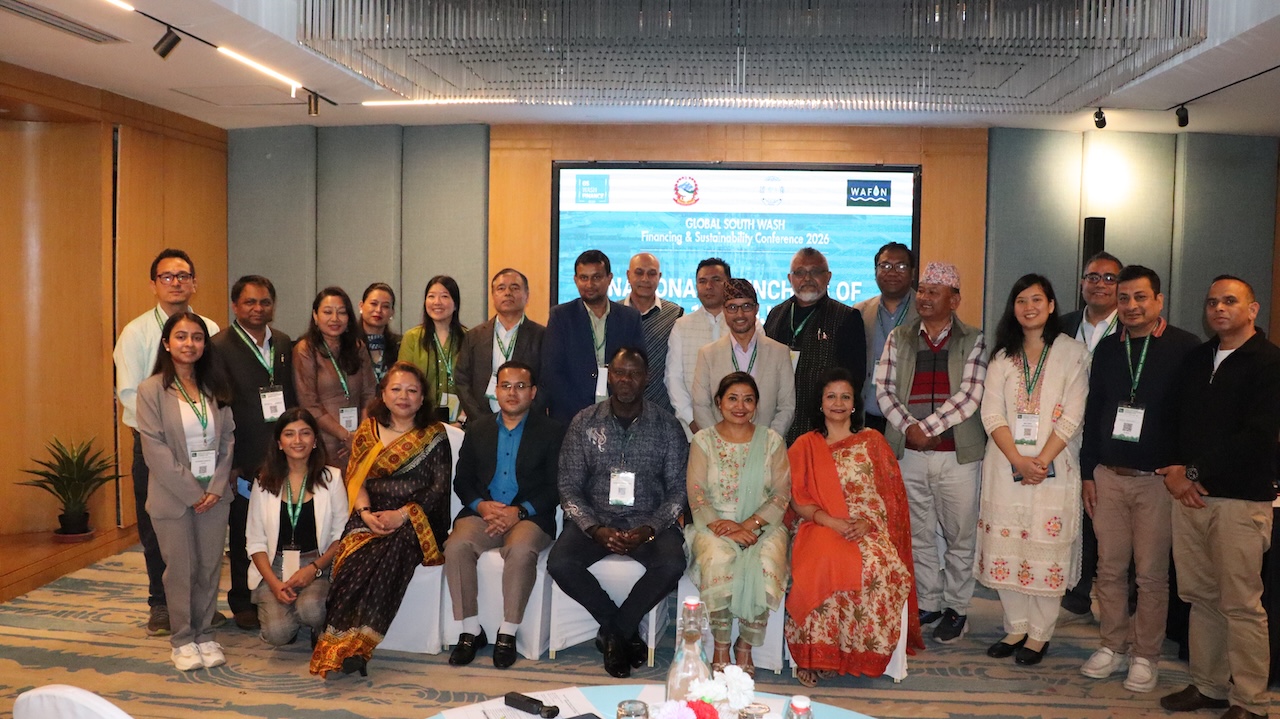
Kathmandu: A multi-country project aimed at promoting equitable and climate-resilient sanitation services for low-income urban communities in South and Southeast Asia has been formally launched in Nepal.
Funded under the 17th tranche of the United Nations Development Account (DA-17), the project has been initiated in Nepal and Laos.
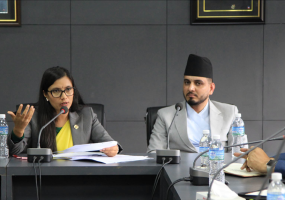
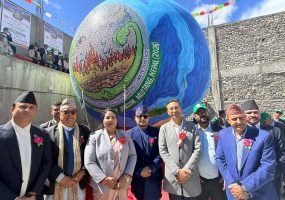
The project was jointly launched on the sidelines of the Global South WASH Financing and Sustainability Conference 2026 currently being held in Nepal by Hezekiah Pireh, Water and Sanitation Team Leader at UN-Habitat, and Er. Ram Kumar Shrestha, Executive Director of the National Water Supply and Sanitation Research, Innovation and Capacity Development Center (NWSSRICDC).
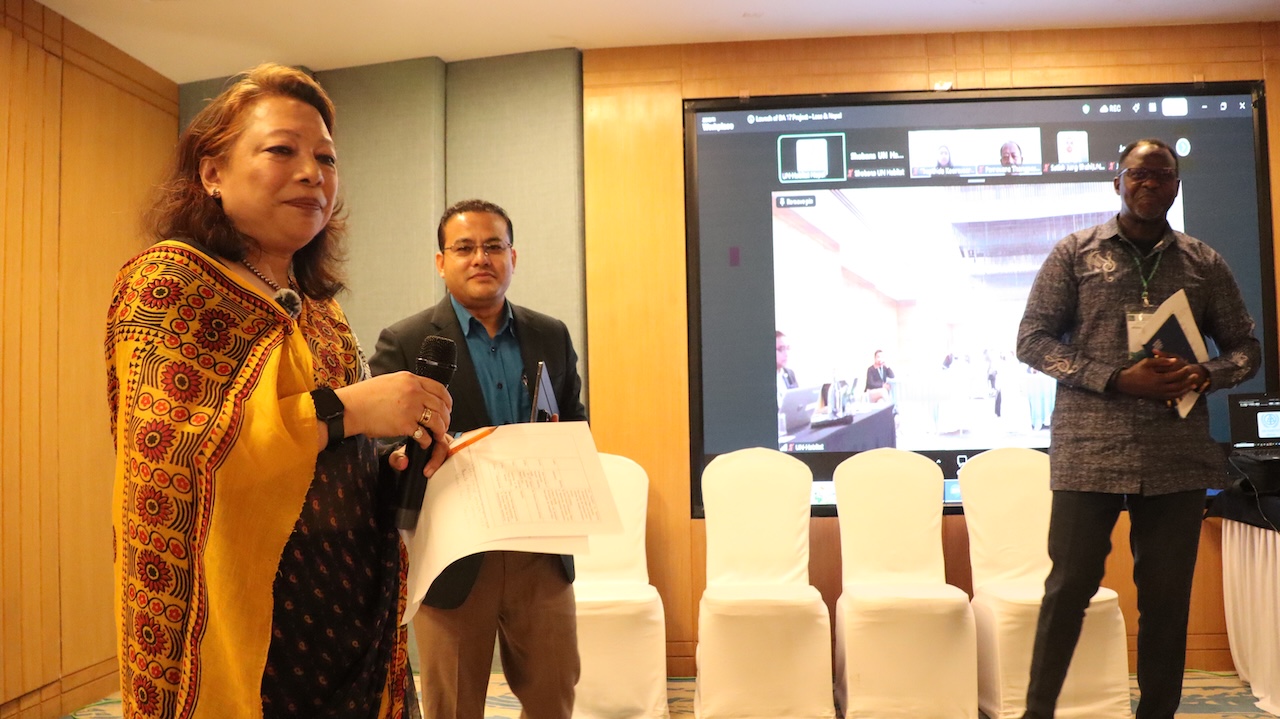
In Nepal, the project will be implemented in Mechinagar Municipality, Jhapa. Scheduled to run from 2026 to 2028, the project aims to expand access to quality sanitation services and contribute to building livable, inclusive, and climate-resilient cities for low-income urban communities.
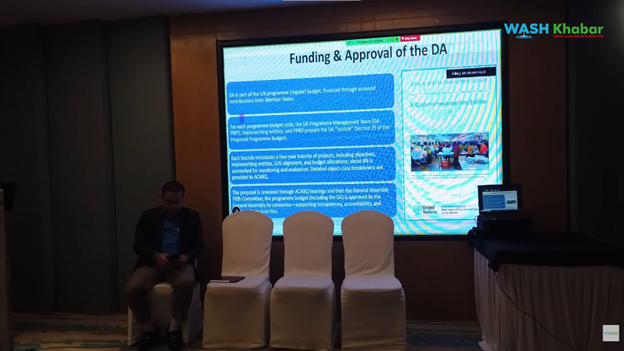
Presenting the project’s financing model, Hezekiah Pireh, Water and Sanitation Team Leader at UN-Habitat, stated that the project’s main objective is to promote livable cities for low-income communities in South and Southeast Asia through the provision of equitable and climate-resilient sanitation services.

He further noted that the project will place particular emphasis on strengthening institutional and technical capacities to improve sanitation infrastructure, operational systems, and service delivery, with a special focus on low-income, vulnerable, and underserved communities.
Watch the full video for details:
Speaking at the launch event, Eng. Ram Kumar Shrestha, Executive Director of the National Centre for Water Supply, Sanitation Research, Innovation and Capacity Development, said that such a project is both timely and highly necessary, noting that climate change, rapid urbanization, unplanned settlement expansion, and limited public investment have significantly constrained low-income urban communities’ access to safe and sustainable sanitation services.
Under the first component of the project, the capacity of public urban sanitation service providers in selected cities will be strengthened. This is expected to improve the effective planning, implementation, operation, and delivery of climate-resilient and inclusive sanitation services.
In particular, institutional capacity will be enhanced at the municipal level in areas such as wastewater management, fecal sludge management, infrastructure operation, and routine maintenance.
Similarly, under the second component, the capacity of selected national and local governments in South and Southeast Asia will be strengthened.
The project aims to develop policy recommendations necessary for integrating climate-responsive sanitation services into broader urban development plans, policies, and frameworks, facilitate their approval processes, and provide the institutional support required to ensure their implementation and long-term sustainability.
According to Sudha Shrestha, NPO at UN-Habitat, the selection of Mechinagar Municipality in Nepal is being viewed as an important opportunity due to the presence of two fecal sludge treatment plants, the challenges and opportunities associated with managing border urbanization, and the high potential for expanding services to low-income communities.
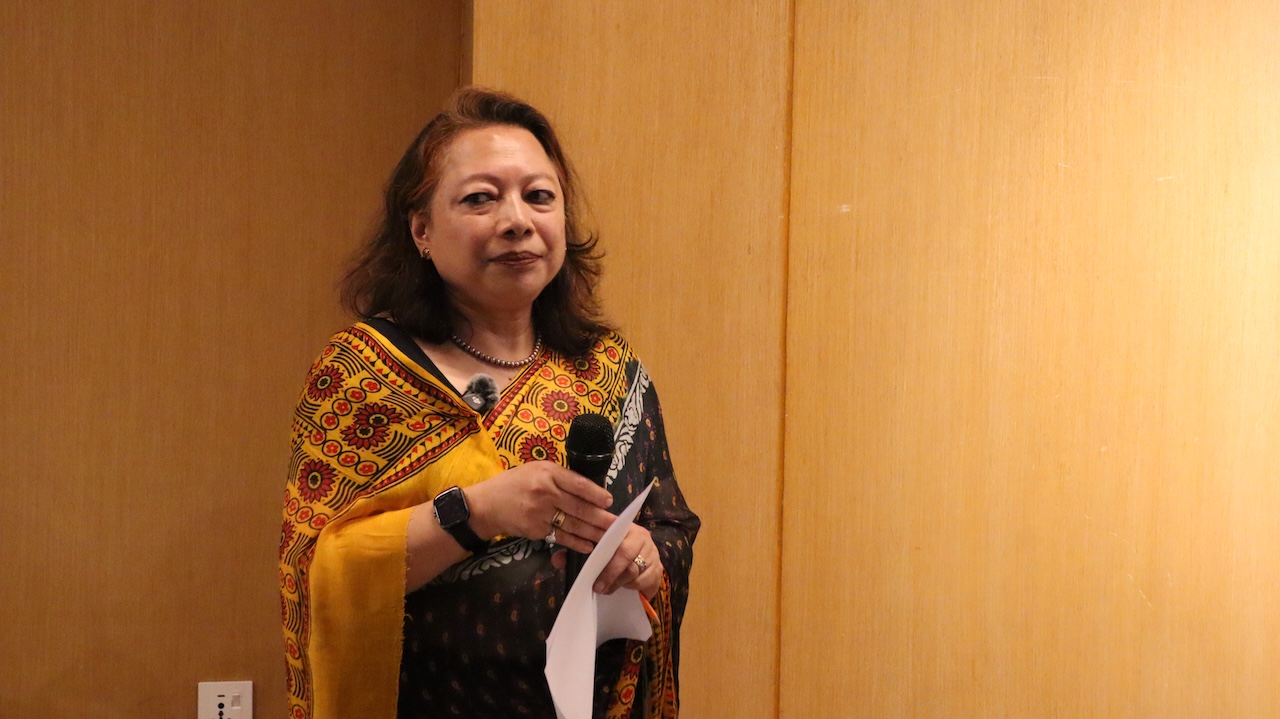
She added that the project is expected to strengthen coordination among municipal-level service providers, technical human resources, policy-making bodies, and communities.
Ultimately, the project is expected to contribute to reducing health risks, lowering environmental pollution, enhancing climate resilience, and improving the quality of life in targeted communities.
By moving beyond a narrow focus on infrastructure construction and linking sanitation with social inclusion, service justice, climate resilience, and institutional sustainability, this initiative is being regarded as a major milestone in the urban WASH sector.