294 पटक हेरिएको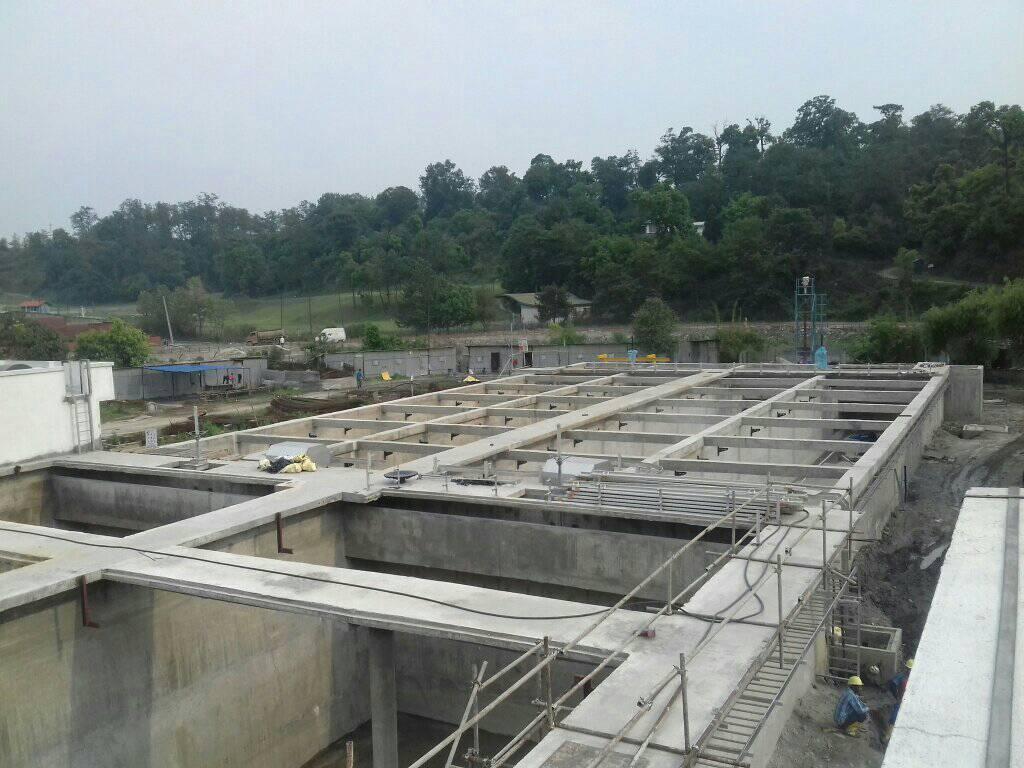
Kathmandu: The Government of Nepal has set a target to complete the wastewater treatment plants currently under construction within the Kathmandu Valley during the upcoming fiscal year.
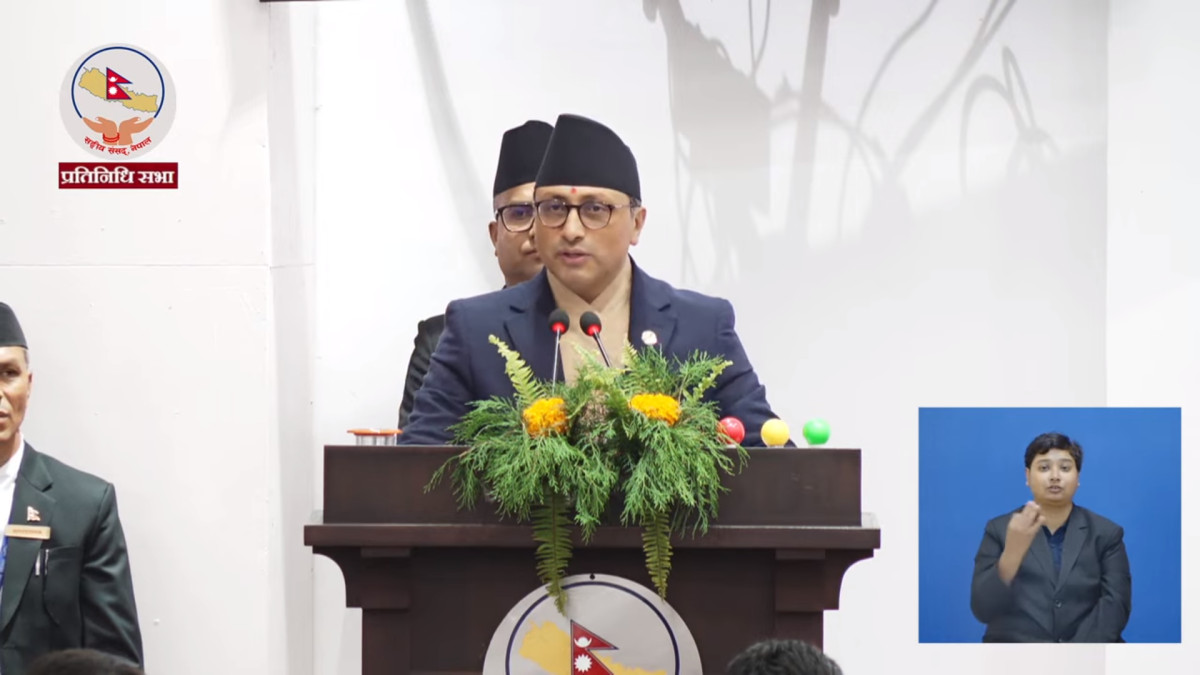
While presenting the budget for the fiscal year 2083/84 before the joint session of the Federal Parliament, Finance Minister Dr. Swarnim Wagle announced that the wastewater treatment plants under construction at Sallaghari, Kodku, Dhobighat, Gokarna, and Hanumanghat, with a combined treatment capacity of 72.7 million liters per day, will be completed within the next fiscal year.
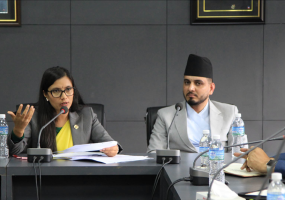
The delay in the construction of wastewater and fecal sludge treatment facilities has also drawn criticism from Lalitpur Metropolitan City Mayor Chiri Babu Maharjan. Speaking at the “Scaling Citywide Inclusive Sanitation Service Systems (Nepal)” program, he alleged that contractors had participated in the tender process merely to secure contracts rather than to carry out the work.
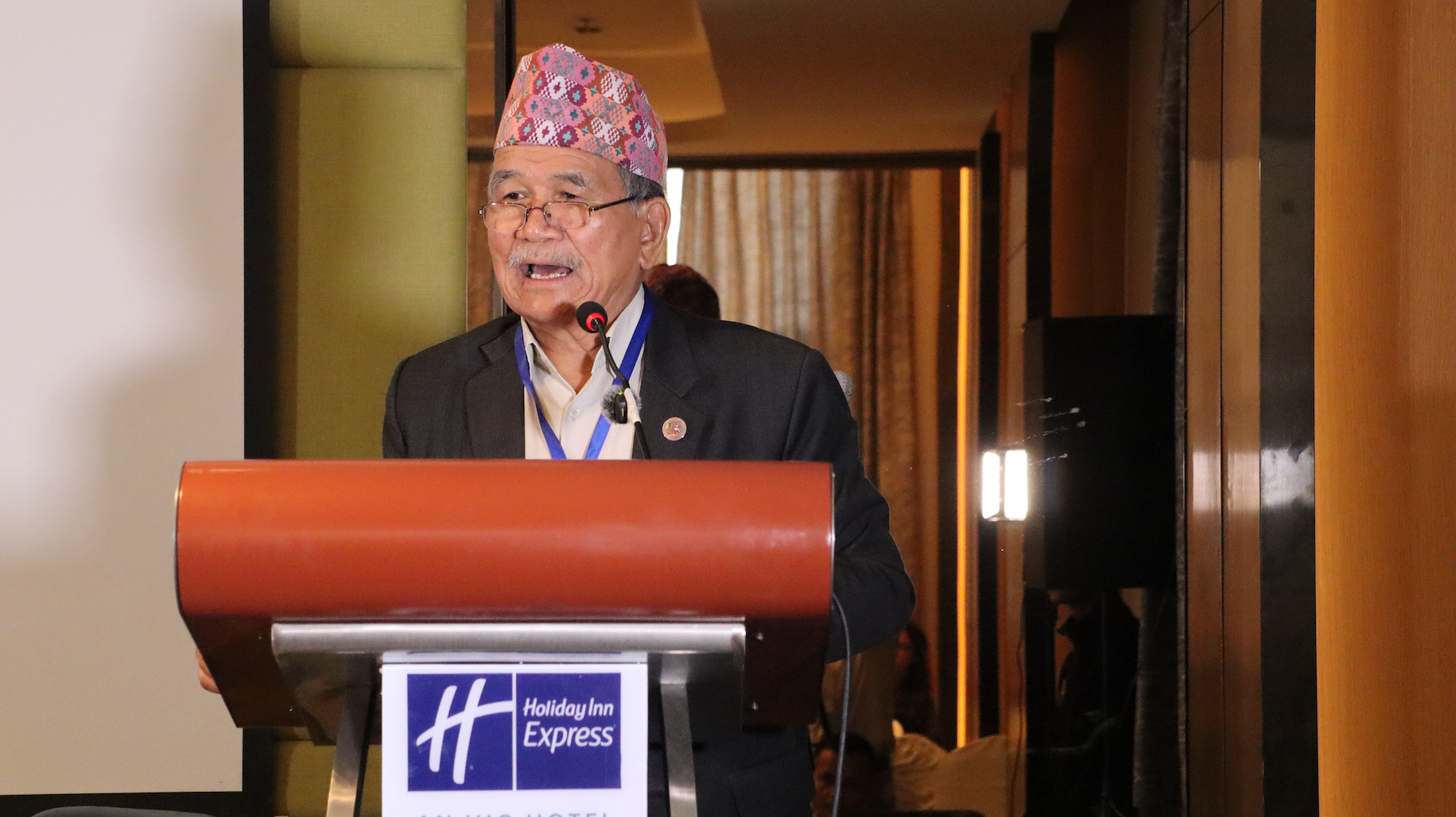
On the occasion, Mayor Maharjan recalled that after the local elections of 2017, it took 18 meetings under his active initiative before the issue was finally resolved at the 19th meeting, allowing the project to move forward.
According to him, although delays were justified on grounds such as design modifications, the responsibility for such delays lies with the designers, employers, and implementing agencies not with local governments or local communities.
The government has allocated NPR 3.46 billion in the upcoming fiscal year for the completion of wastewater treatment facilities. It is hoped that these treatment plants will be completed and brought into operation within the next year.
Although Nepal’s laws require human waste to be treated before disposal, the lack of adequate infrastructure has resulted in most sewage and fecal waste in the Kathmandu Valley being discharged directly into rivers and streams.
Despite an estimated population of around five million people living in the Valley, statistics indicate that only about 3 percent of the wastewater generated is currently treated before being released into rivers. Stakeholders say that the remaining wastewater is discharged untreated into the Bagmati River system and other waterways.