552 पटक हेरिएको
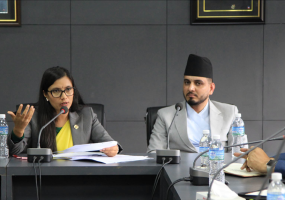
 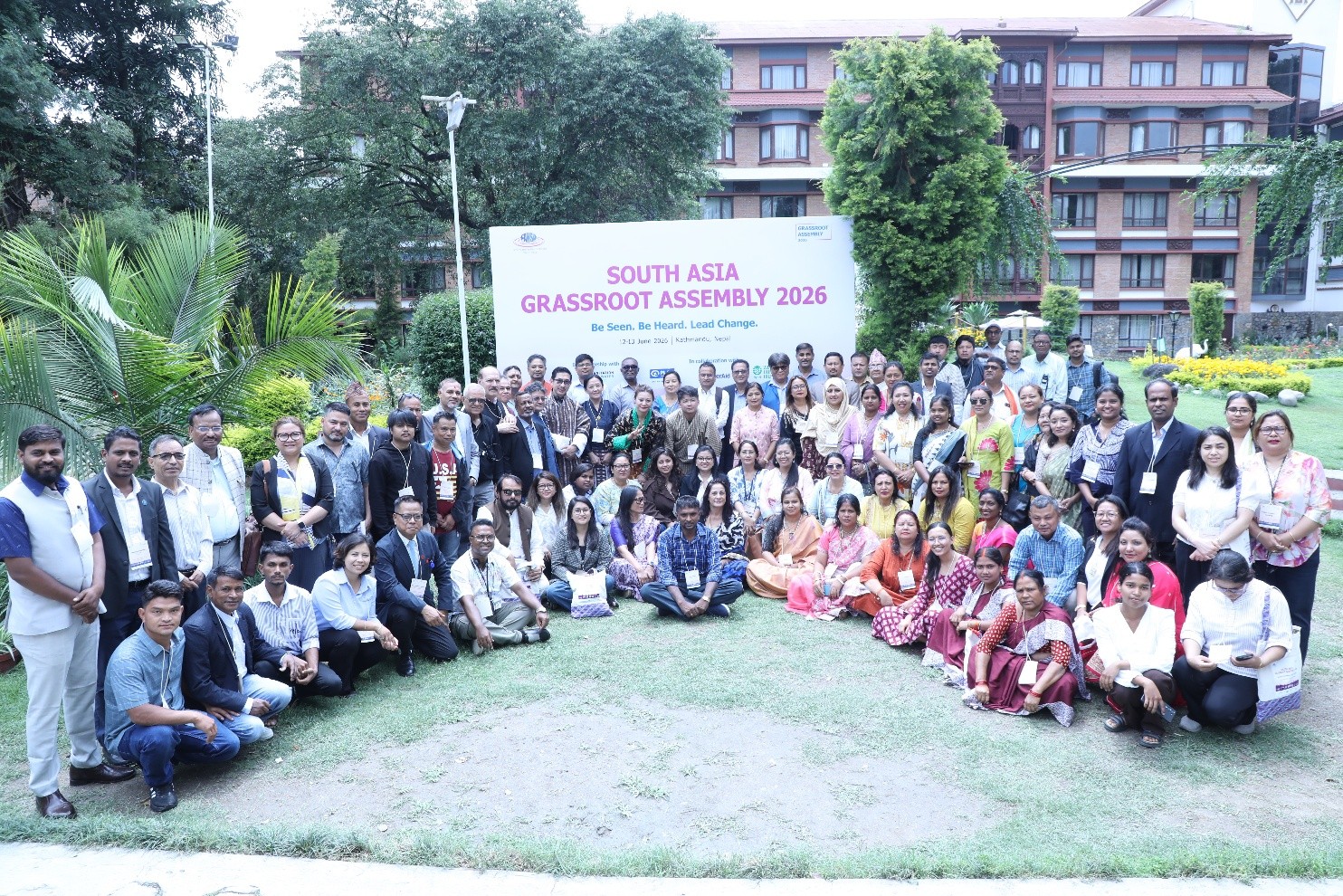 Kathmandu: The South Asia Grassroots Assembly 2026, centered on community leadership, inclusion, social justice, and local innovation in the Water, Sanitation and Hygiene (WASH) sector, concluded successfully in Kathmandu.
The second and final day of the two-day Assembly, organized by the Freshwater Action Network South Asia (FANSA), focused on the theme of “WASH+.” Held under the slogan “Be Seen. Be Heard. Lead Change,” the event reinforced the understanding that water and sanitation are not merely issues of infrastructure and service delivery, but fundamental development priorities intrinsically linked to human rights, inclusion, climate resilience, social justice, and community leadership.
The program commenced with a recap of the first day’s key achievements by Prajina Maharjan, Programme Assistant at FANSA. She noted that the experiences and stories of struggle shared by community representatives from across South Asia further underscored the need to institutionalize community voices within governance systems.
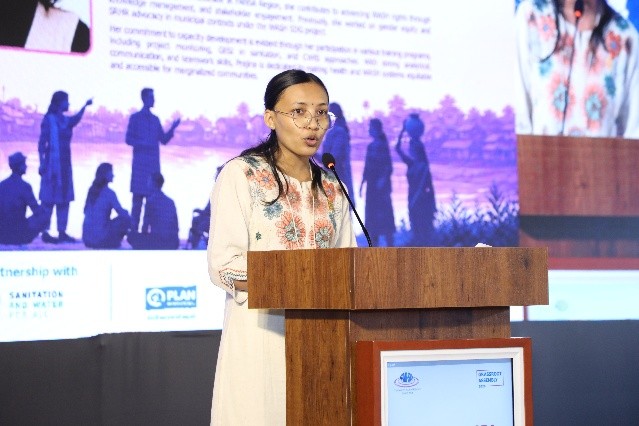
Welcoming participants, Syed Shah Nasir Khisro, Regional Co-Convenor of FANSA, emphasized the importance of connecting WASH challenges with the broader discourse on human rights and development justice.
Delivering the keynote address, Somsook Boonyabancha, Chairperson of the Asian Coalition for Housing Rights (ACHR), Bangkok, stressed that when communities are organized, adequately resourced, and treated with dignity, they are fully capable of leading transformative change. She highlighted community-led development as the foundation for sustainable solutions.
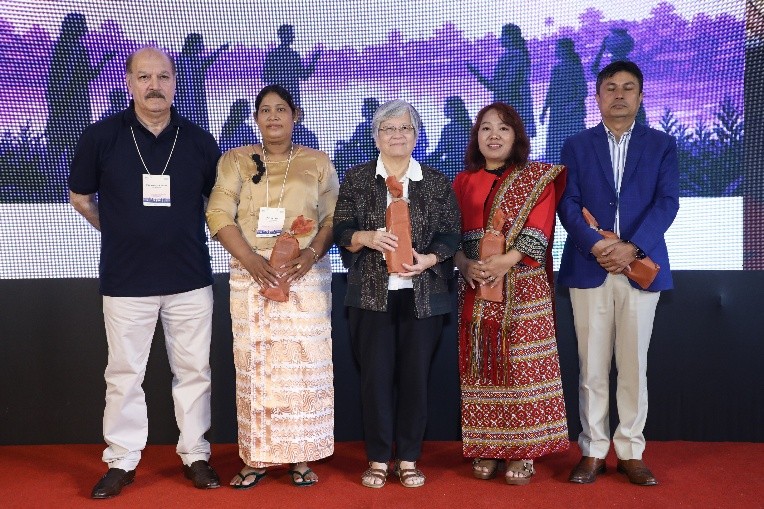
In his special remarks, Kamal Raj Shrestha, Director General of the Department of Water Supply and Sewerage Management, stated that although Nepal has achieved remarkable progress in the WASH sector through community participation, safe water supply and sanitation services have yet to reach many poor and marginalized communities. He emphasized that infrastructure alone is insufficient, calling instead for inclusive governance, empowered community institutions, and accountable systems.
Community leaders Htay Htay Lwin and Walinzar Aung from Myanmar shared experiences from communities beyond South Asia, emphasizing that community-based accountability and leadership are shared priorities extending beyond regional boundaries.
Emphasis on Inclusive Service Delivery
During the session on “Equitable and Inclusive Service Delivery,” Ahmed Mohamed from the Maldives highlighted the challenges faced by persons with disabilities in accessing WASH services and called for rights-based service design. Seema Babar of Pakistan presented the multidimensional challenges experienced by women living in informal settlements.
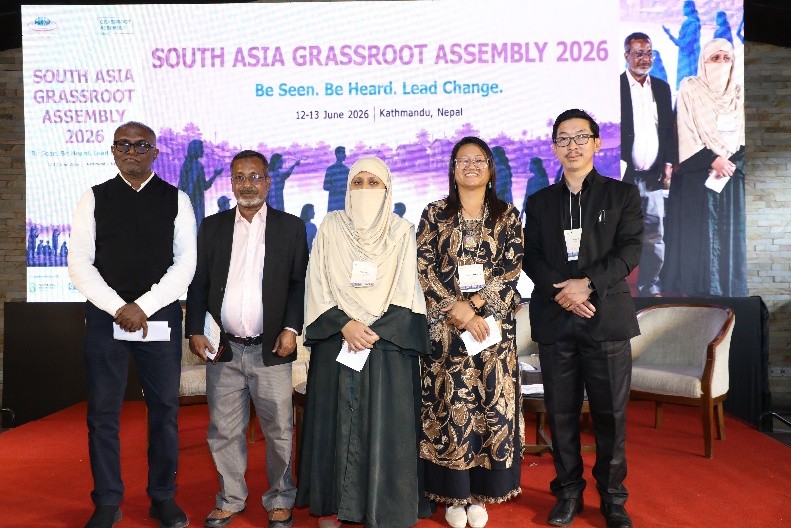
Dawa Dorji Singer from Bhutan spoke about the invisible, undervalued, and unsafe working conditions of sanitation workers, urging greater recognition, dignity, and protection for them. Nepal’s Neyata Ram Natuwa shared experiences illustrating the relationship between caste-based discrimination and unequal access to WASH services in rural communities.
Similarly, a panel discussion titled “Who Is Still Being Left Behind?” emphasized the importance of placing youth, women, persons with disabilities, LGBTQIA+ communities, informal settlement residents, and climate-vulnerable populations at the center of development processes.
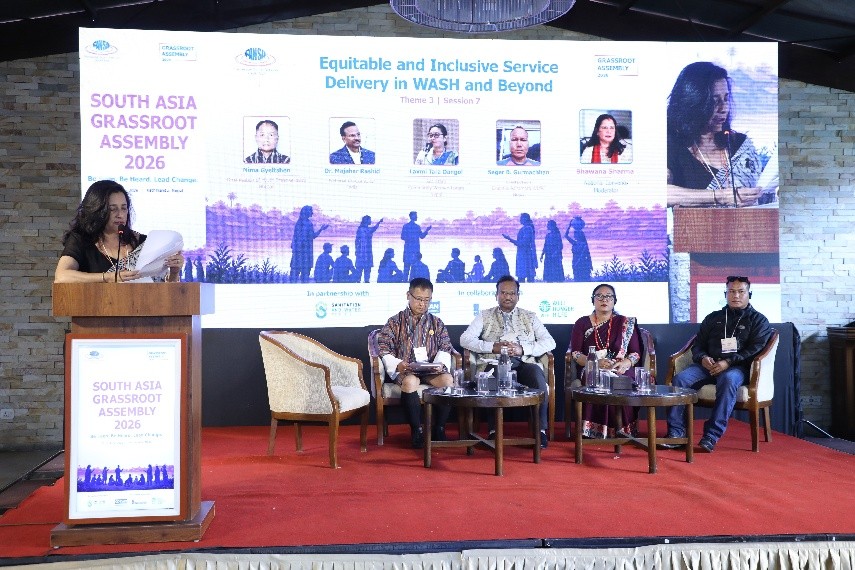
Panelists concluded that improvements in WASH strengthen health, livelihoods, social inclusion, and human dignity, making inclusion not an option but an essential prerequisite.
Promoting Local Innovation and Community Solutions
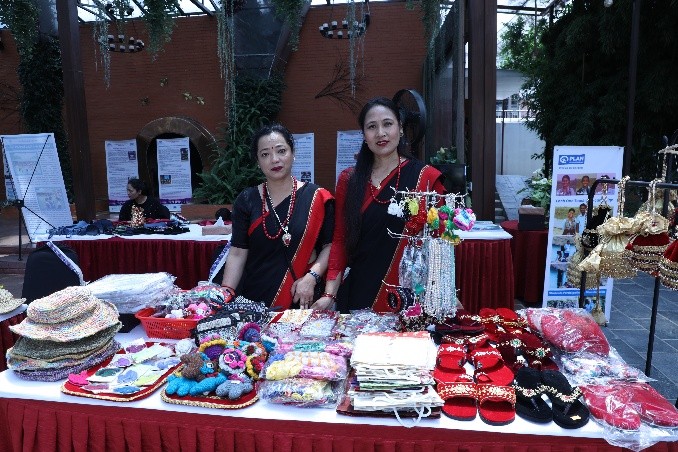
Another major highlight of the second day was the Marketplace of Innovation, where community organizations showcased locally developed WASH solutions tailored to local needs. Participants had opportunities to exchange experiences, learn from one another, and explore avenues for collaboration.
During the session “Voices of Community Innovators,” Subikshya Chaudhary from Nepal shared how young women are leading WASH initiatives in the Tarai region. Pratikshya Chapagain highlighted the intersection of disability, gender identity, and WASH rights, emphasizing the need for inclusive innovation.
Nepal’s Sambha Kumari shared how women’s savings and financial groups are becoming important mechanisms for financing community-level WASH initiatives, while Nageeth Abdulla from the Maldives presented examples of locally developed solutions in island communities.
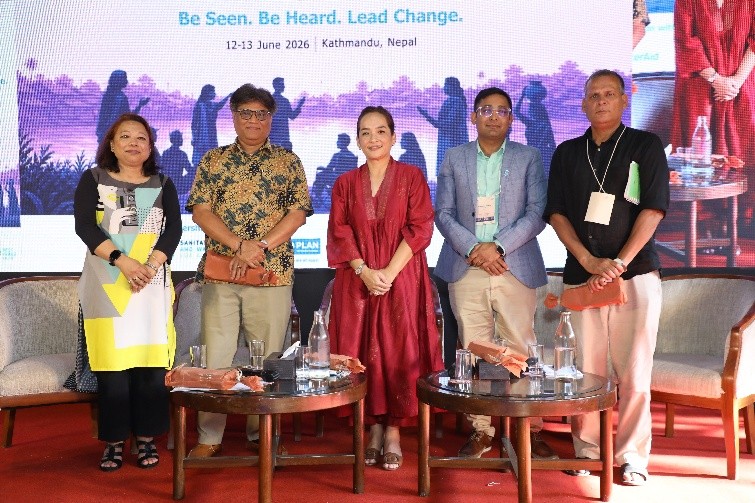
In the panel discussion “How Do We Scale What Works?”, participants agreed that local innovations require institutional recognition, documentation, financial investment, and long-term trust to be effectively expanded.
Nine-Point Kathmandu Declaration Adopted
One of the Assembly’s most significant outcomes was the unanimous adoption of the Kathmandu Grassroots Assembly Declaration and Call to Action 2026, titled “Grassroots to Governance: Be Seen. Be Heard. Lead Change.”
Presented by Ahmed Mohamed from the Maldives, the Declaration recognizes communities not merely as beneficiaries of development but as rights holders, knowledge bearers, innovators, and partners in governance.
The Declaration outlines nine key commitments:
- Institutionalize community leadership.
- Recognize communities’ lived realities and experiences as valid evidence.
- Make equity and inclusion the foremost criteria.
- Move beyond consultation toward co-decision making.
- Ensure accountability extends beyond upward reporting alone.
- Invest not only in infrastructure but also in people’s capacities.
- Protect and uphold the safety, dignity, and rights of sanitation workers and frontline personnel.
- Recognize, validate, and scale community-generated evidence, knowledge, and experiences.
- Promote local innovation and nurture the next generation of community leadership.
Institutionalizing Community Voices in Governance
Concluding the Assembly, Lajana Manandhar, Regional Coordinator of FANSA, stressed that community voices must be structurally integrated into decision-making processes. She emphasized that only through collaboration among governments, civil society, development partners, and communities can inclusive and sustainable WASH services be achieved.
According to the organizers, the two-day Assembly made a significant contribution to strengthening community leadership across South Asia, expanding dialogue between communities and governments, documenting local innovations, and repositioning WASH as a development priority closely linked to rights, inclusion, health, dignity, and climate resilience.
The Assembly was organized by FANSA under the Rising for Rights (R4R) project, with support from the Gates Foundation, Sanitation and Water for All (SWA), Urgent Action Fund, Plan International Nepal, WaterAid, Welthungerhilfe (WHH), and other partners.