43 पटक हेरिएको
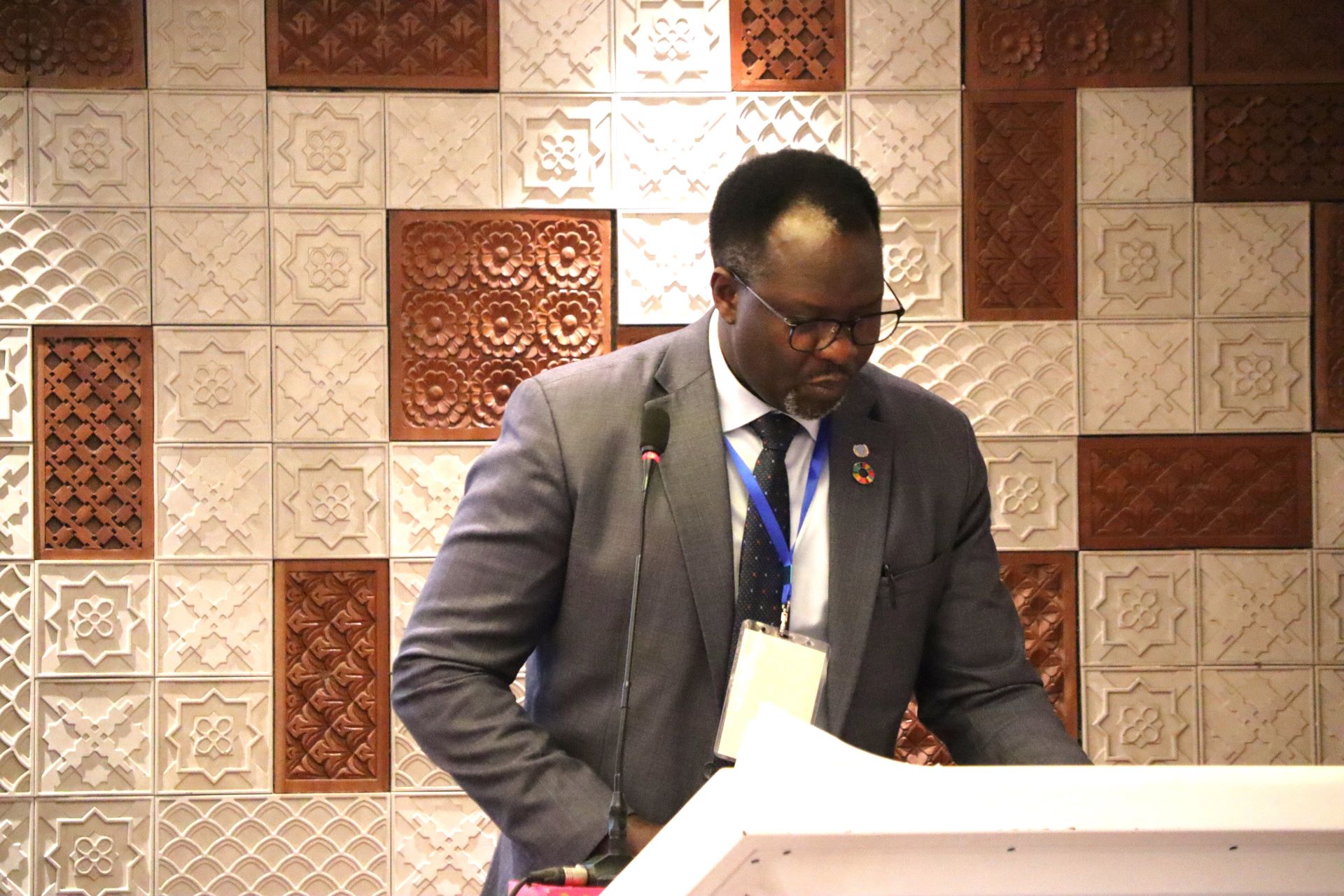
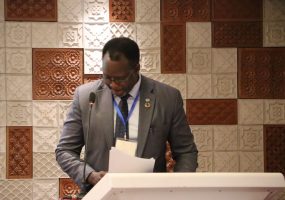
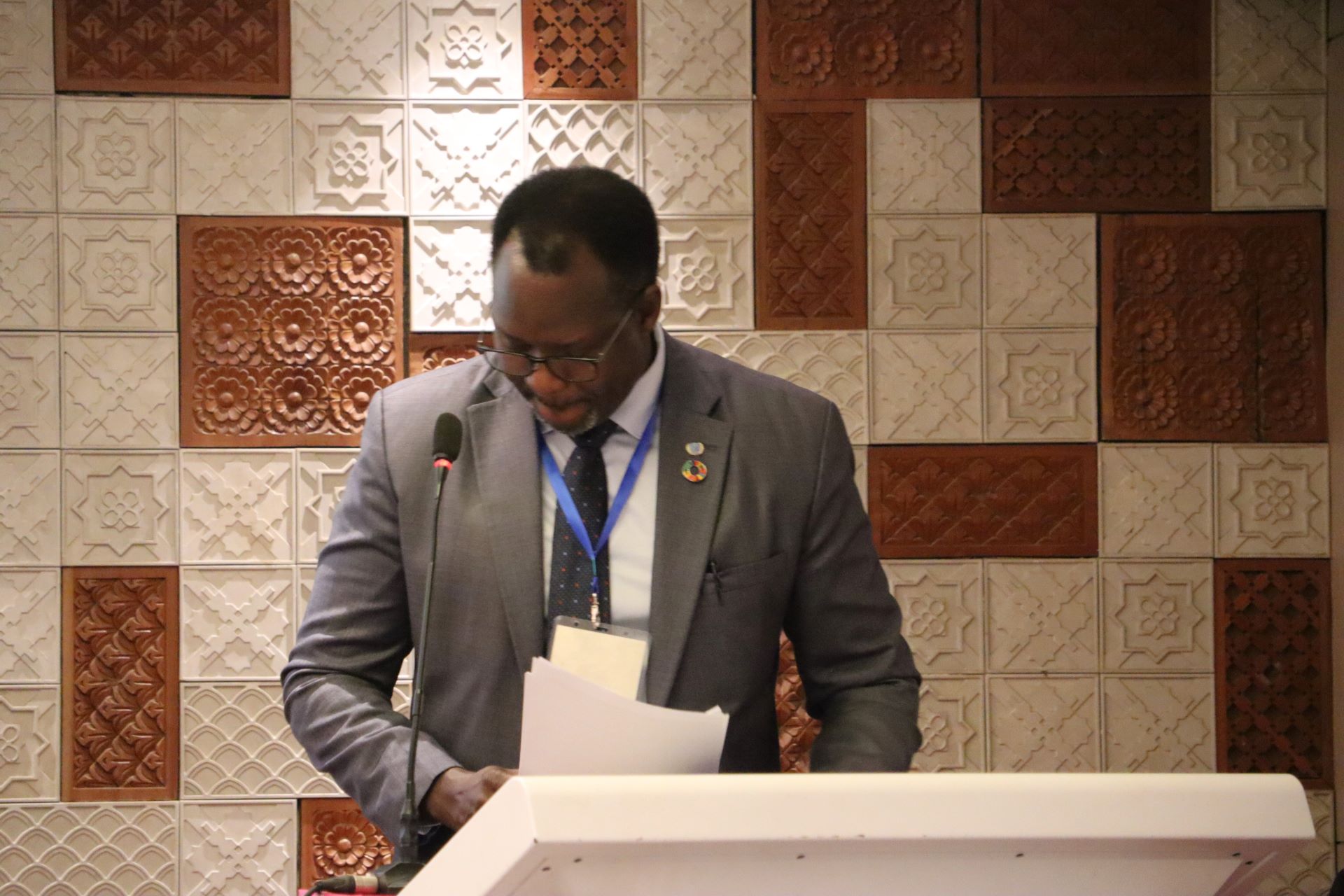
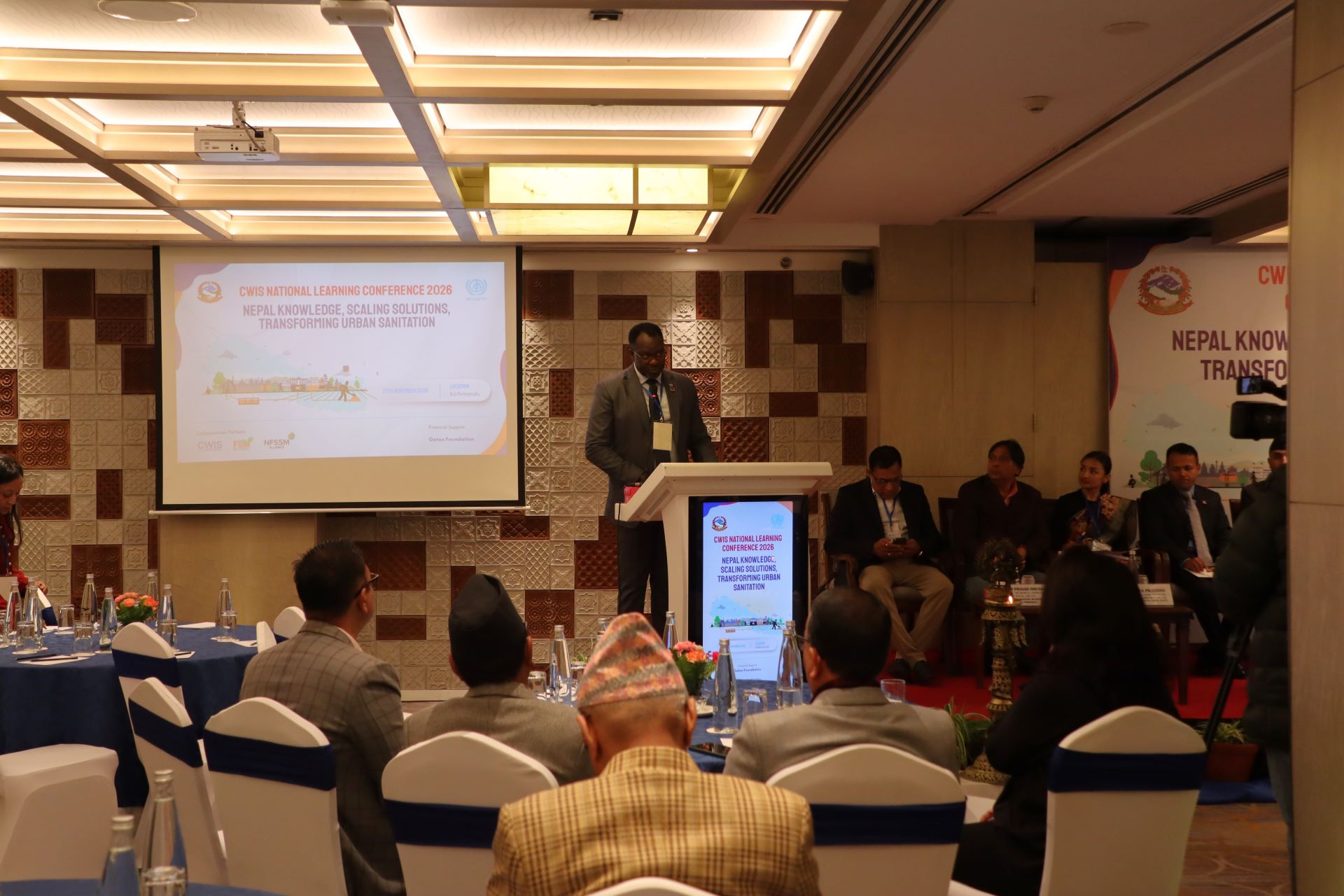
Kathmandu: Hezekiah Otieno Pireh, Chief of the Water and Sanitation Team at the United Nations Human Settlements Programme (UN-Habitat), has described the gathering of elected representatives and senior government officials from federal and local levels on a common platform to discuss and advocate for sanitation—a critical issue that often receives limited attention from political leadership—as a positive achievement for Nepal.
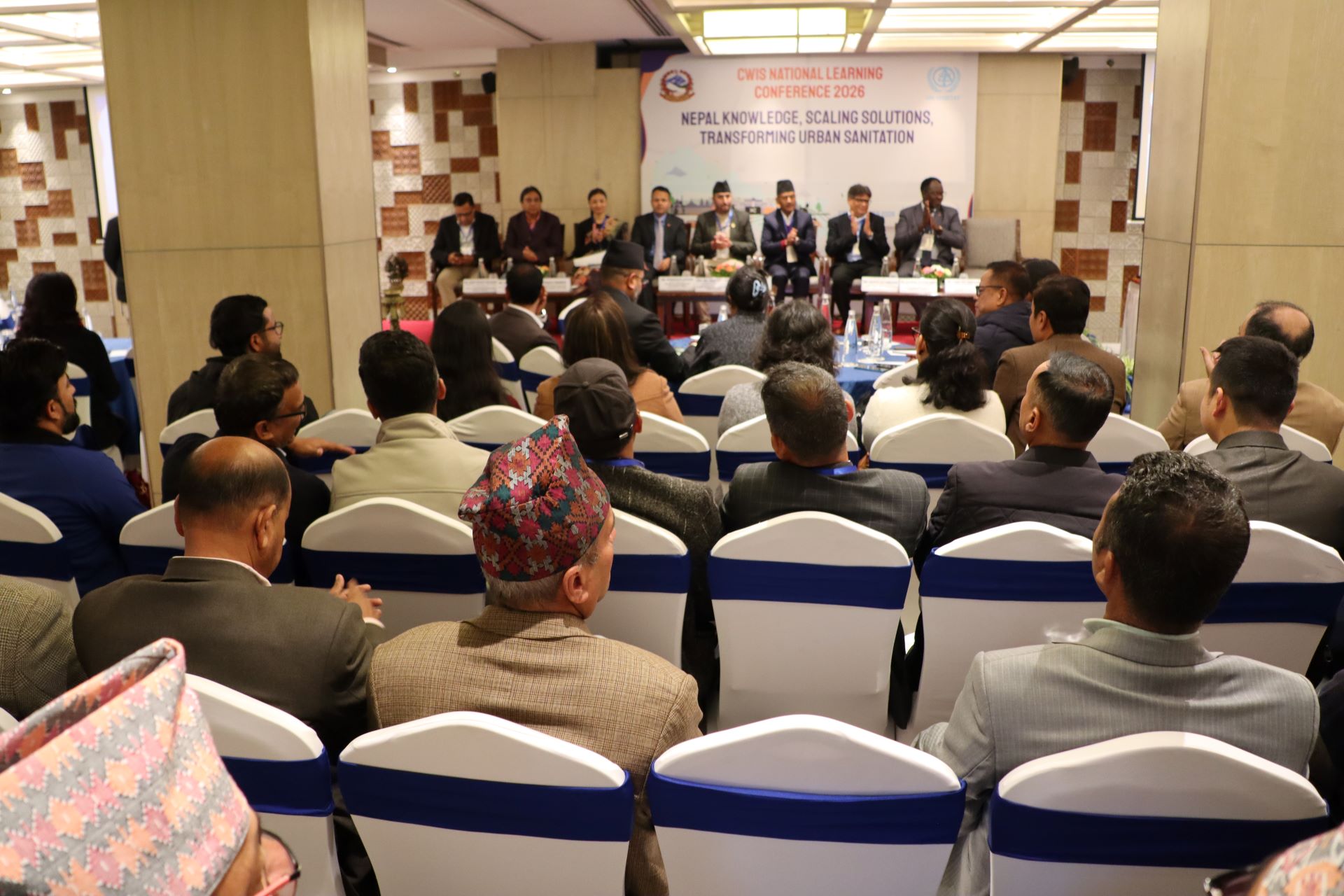
Speaking at the CWIS National Learning Conference 2026, he said that placing sanitation on the political agenda was an important step towards ensuring safely managed sanitation services for all.
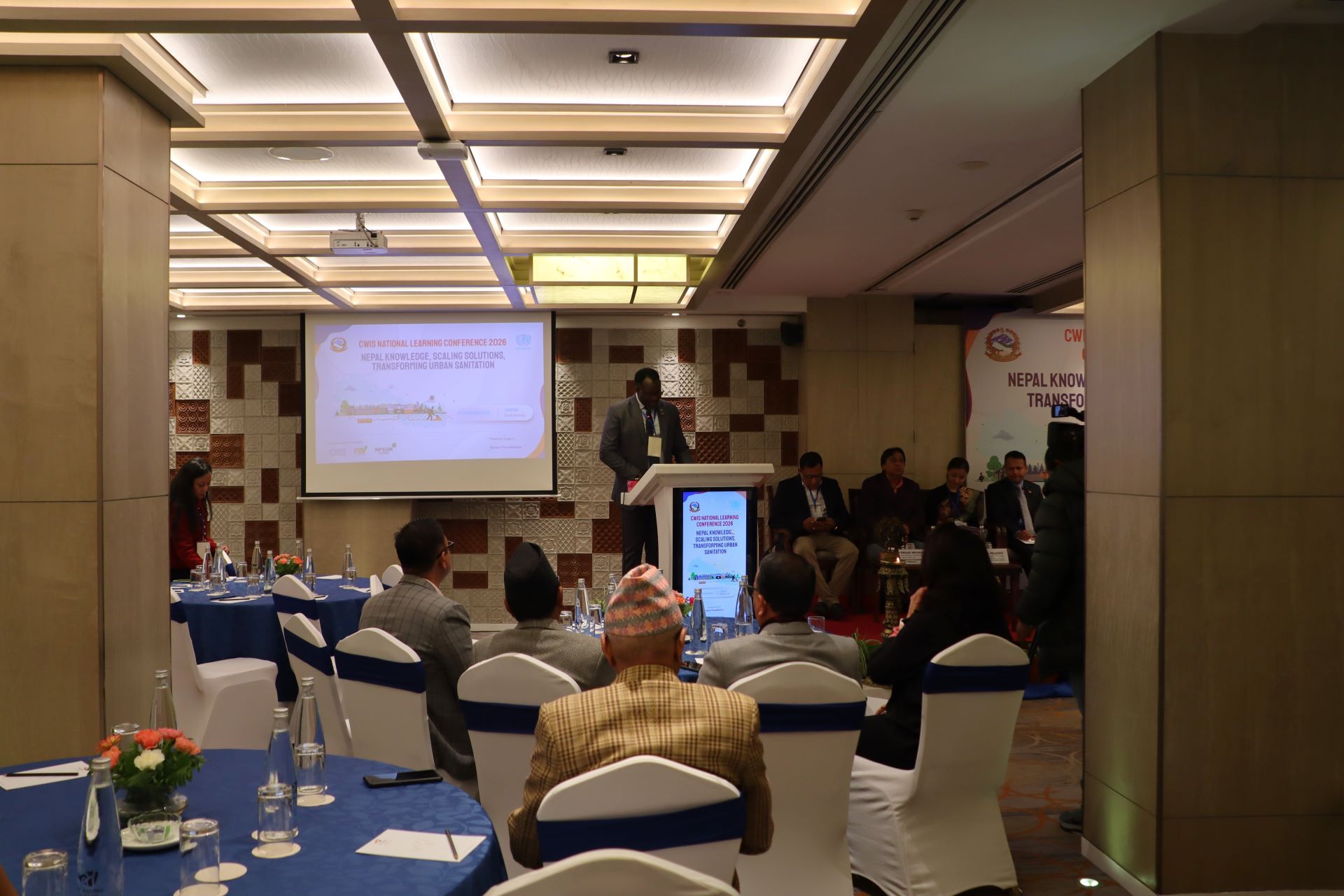
He informed the conference that Nepal’s six-year Citywide Inclusive Sanitation (CWIS) programme is scheduled to conclude in December this year. He also noted that positive initiatives are underway to explore how the achievements of the programme can be sustained and scaled up.
According to Pireh, the concept of launching a global Citywide Inclusive Sanitation programme, with Nepal and Kenya selected as country case studies, emerged following discussions with the Gates Foundation in 2020. He recalled that a discussion held during the International Water Association (IWA) conference in Sri Lanka, following an invitation from Dr. Roshan, helped lay the foundation for launching the programme.
Appreciation for the Gates Foundation’s Support and Commitment
Pireh appreciated the financial support and institutional commitment extended by the Gates Foundation towards implementing the programme. He said that, in addition to providing grants for programme activities, the Foundation had also made arrangements for four staff members at UN-Habitat to work exclusively on the Citywide Inclusive Sanitation programme over the past four years.
He noted that such support was particularly significant, as development partners generally provide funding for programme activities, whereas support for human resource deployment is less common.
He also expressed special appreciation for Professor Dr. Roshan, former Deputy Director of the Gates Foundation and President of the World Toilet Organization, acknowledging his important contribution to the development of Nepal’s sanitation sector.
Pireh highlighted that his friendship and collaboration with Dr. Roshan had helped establish a strong relationship between UN-Habitat and the Gates Foundation, making it easier for Nepal to receive continued support.
From the Open Defecation Free Campaign to Citywide Inclusive Sanitation
Pireh recalled that the partnership between UN-Habitat and the Government of Nepal spans nearly two decades. He said the collaboration began in 2005 through the Water for Asian Cities programme.
The programme primarily aimed to support the government in achieving the Millennium Development Goals (MDGs), increase investment in water supply and sanitation services targeting poor communities, and strengthen the capacity of local governments.
Subsequently, under the National Open Defecation Free (ODF) Campaign, UN-Habitat collaborated with the Government of Nepal for nearly a decade through the Global Sanitation Fund (GSF). He stated that Nepal’s declaration as an Open Defecation Free country in 2019 was a significant achievement of this partnership.
According to him, the ODF declaration laid the foundation for the next phase of the sanitation journey: the Citywide Inclusive Sanitation programme.
He clarified that Citywide Inclusive Sanitation does not simply mean expanding sanitation services within cities; rather, it means ensuring access to safely managed sanitation services for all communities and settlements across the country. Emphasising that Kathmandu alone should not be viewed as representing Nepal, he said sanitation must be treated as a national priority.
He also highlighted the strengthening of national policies and regulatory frameworks in the water supply and sanitation sector as one of the significant achievements of UN-Habitat’s collaboration with Nepal. He said that policy and institutional reforms would provide a foundation for future programmes and the sustainable expansion of sanitation services.
Emphasis on Institutionalising and Scaling Up Policy Achievements
Pireh said that collaboration with the Government of Nepal, the Department of Water Supply and Sewerage Management, relevant ministries, development partners, United Nations agencies, academic institutions, media, civil society organisations and implementing partners had contributed significantly to the programme’s achievements.
He also noted that knowledge-sharing mechanisms, such as the CWIS Alliance established in Nepal, were gradually expanding at the regional level. According to him, these platforms would help share Nepal’s experiences and lessons with other countries and regions.
Stating that the campaign to ensure safely managed sanitation services for all would continue even after the programme period ends, he stressed the need to institutionalise the achievements made so far and further scale up the initiatives in the coming years.
Pireh expressed these views at the conference organised by UN-Habitat with financial support from the Gates Foundation, in collaboration with the CWIS Alliance Nepal, FSM Network and NFSSM Alliance.
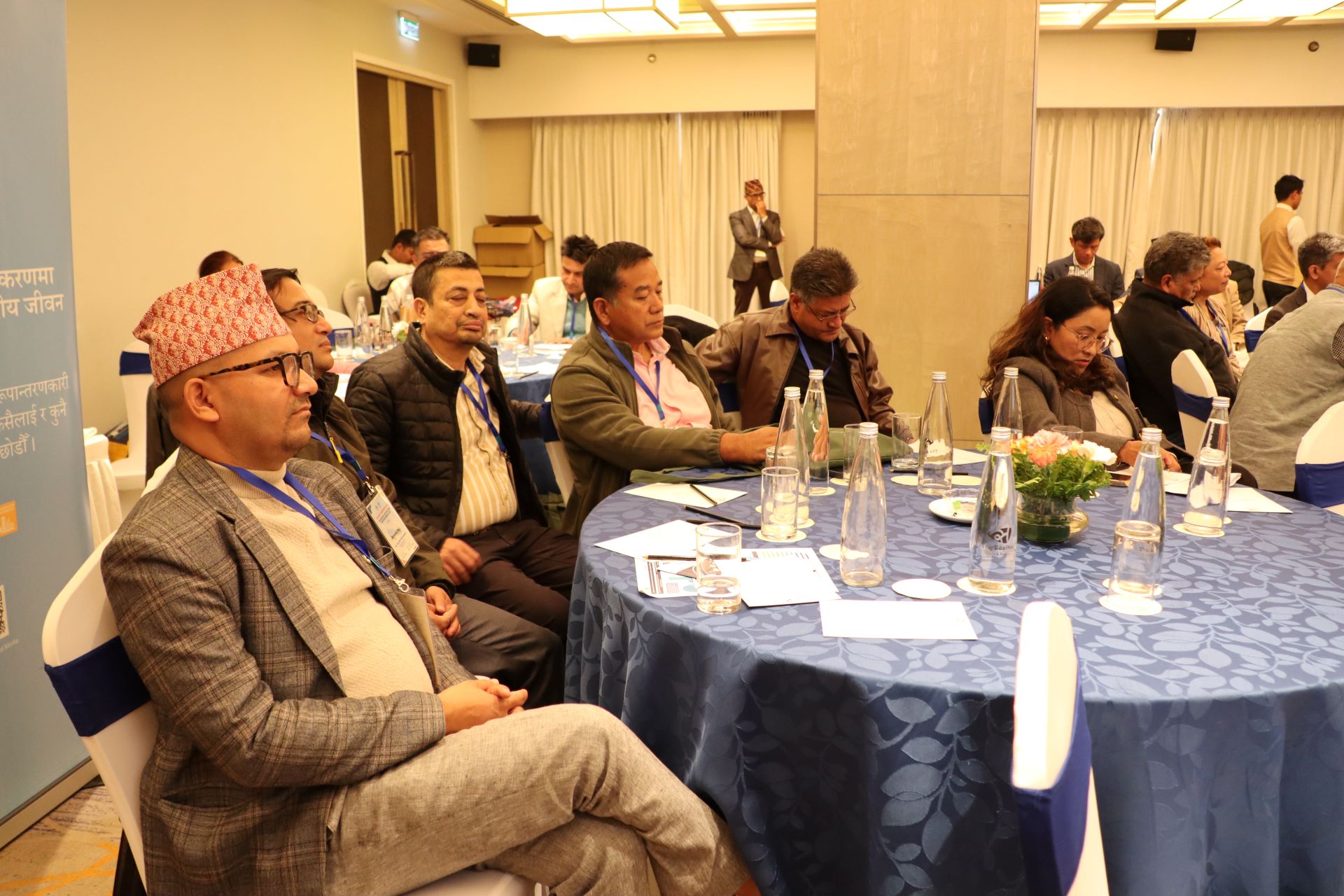
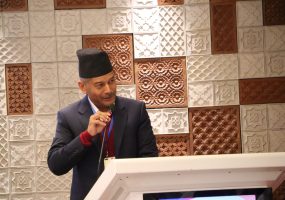
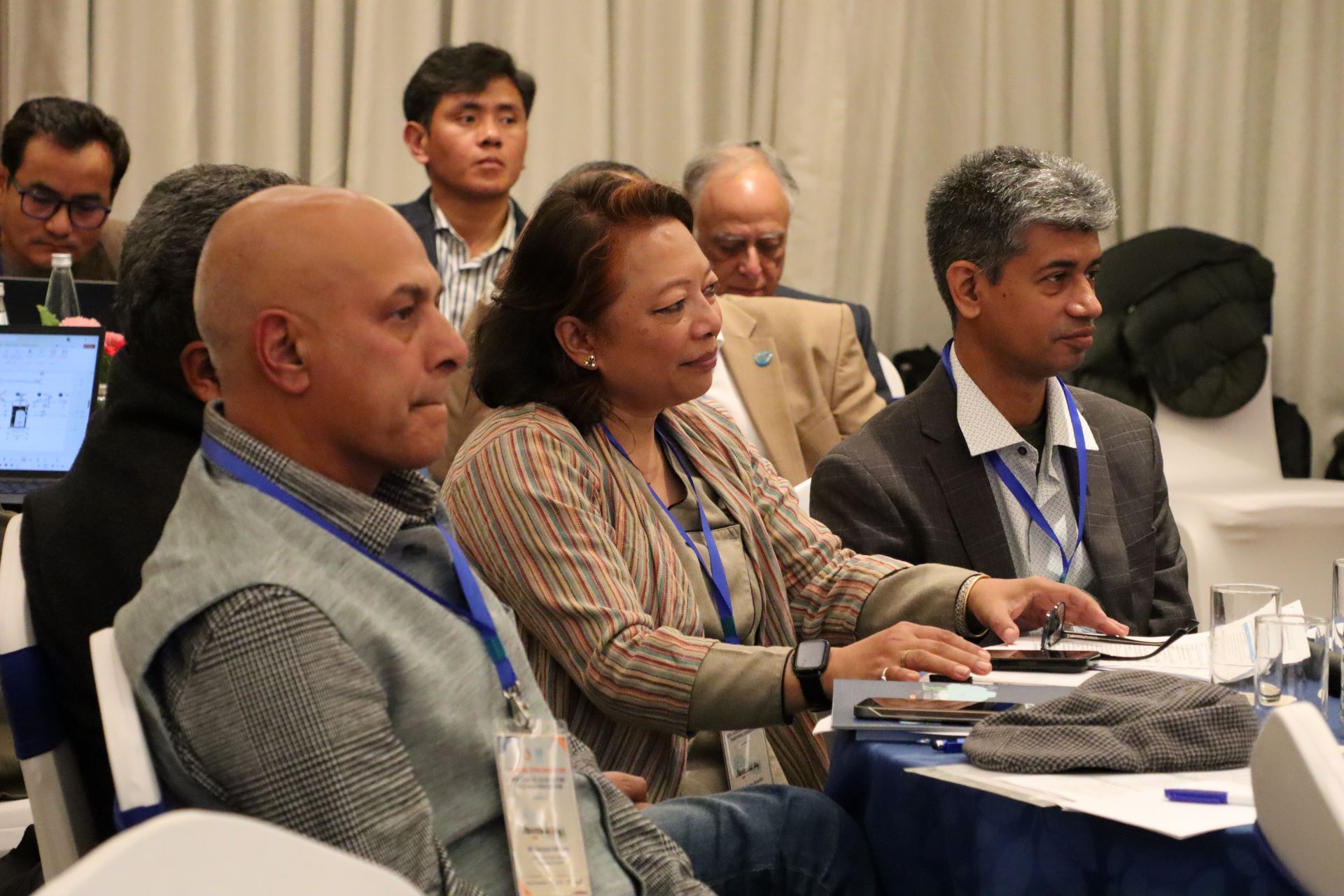
The conference was attended by the Joint Secretary of the Ministry of Physical Infrastructure Development, Deputy Director General of the Department of Water Supply and Sewerage Management, other government officials, heads and representatives of member organisations of the CWIS Alliance, and representatives from the FSM Network Bangladesh and NFSSM Alliance India.
Also present were elected representatives, heads and representatives of sanitation units from seven municipalities representing all seven provinces where the Scaling of Citywide Inclusive Sanitation Service Systems Programme in Nepal is being implemented, along with representatives of various organisations working in the field of Citywide Inclusive Sanitation.