1476 पटक हेरिएको
In recent years, Nepal has witnessed a disturbing surge in natural and human-induced disasters, resulting in mounting human casualties, property losses, and long-term socio-economic setbacks. Backed by statistical evidence from the Ministry of Home Affairs’ Disaster Risk Reduction (DRR) portal and various climate studies, this article presents a fact-based analysis of the growing disaster vulnerability in Nepal and offers insights into potential solutions.
Rising Death Toll and Economic Losses
Nepal’s fragile topography and ecological vulnerability have turned it into a disaster hotspot. According to the Ministry of Home Affairs, from Baisakh to the third Friday of Shrawan (19 Shrawan) 2081 B.S. (mid-April to early August 2024), Nepal experienced 2,273 disaster incidents, resulting in 120 deaths, 27 missing persons, and economic damages exceeding NPR 880 million (approx. USD 6.6 million).
A look back at the past five years reveals a consistently grim picture:
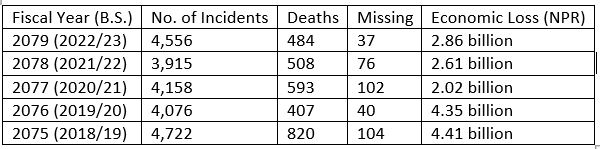 In total, 21,327 disaster incidents occurred in these five years, claiming 2,816 lives, leaving 359 missing, and causing economic losses of over NPR 16.25 billion (approx. USD 122 million). The annual average now stands at over 630 deaths and NPR 3.25 billion in damages.
Causes of Disaster Risk Increasing in Nepal
Nepal’s increasing vulnerability stems from a combination of geographic, climatic, socio-economic, and developmental factors:
- a) Geographical and Climatic Hazards
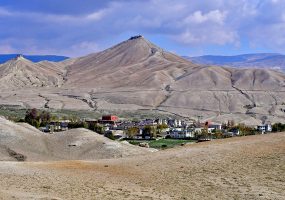
Nepal’s location between the Indian and Tibetan tectonic plates makes it one of the world’s most earthquake-prone countries (11th globally). It is also ranked 4th globally in terms of climate risk and 30th in terms of flood and landslide risk.
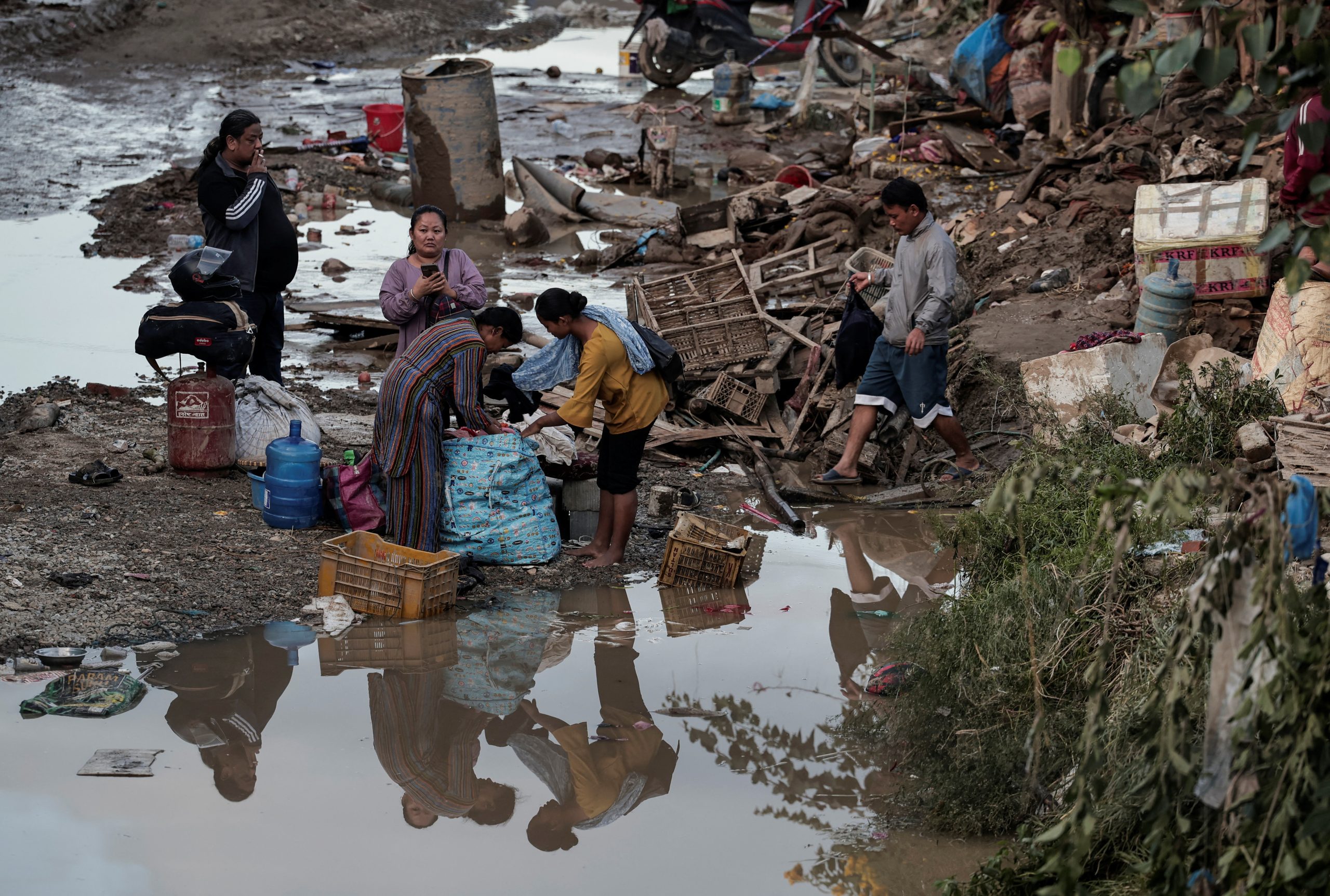
The Himalayas’ fragile geological structure, intense monsoonal rainfall, and human encroachment have created a fertile ground for frequent landslides, flash floods, glacial lake outbursts (GLOFs), and other hydro-meteorological disasters.
- b) Climate Change and Extreme Weather
Nepal is facing increasingly erratic weather patterns due to climate change. Intense and unseasonal rainfall, prolonged droughts, and heatwaves are affecting crop production, leading to food insecurity and economic vulnerability. These conditions are increasing the frequency and severity of disasters.
- c) Poor Preparedness and Governance Gaps
Nepal continues to face significant challenges in managing disasters effectively, as investments in disaster risk reduction and preparedness remain insufficient. Despite experiencing repeated natural disasters, the country has yet to prioritize robust risk reduction strategies. Critical areas such as early warning systems and resilient infrastructure have seen little improvement, leaving communities exposed and unprepared.
One of the most pressing concerns is the lack of effective early warning mechanisms that could help save lives during emergencies. Moreover, existing infrastructure is often too weak to withstand disasters, and the enforcement of building codes is lax. This negligence increases the vulnerability of communities, particularly in disaster-prone areas, and results in extensive damage when calamities strike.
Community awareness around disaster preparedness remains low, further complicating response and recovery. Additionally, disaster risk reduction is rarely integrated into broader development plans, leading to reactive rather than proactive strategies. As a result, when disasters occur, the impact is more severe, and recovery becomes slower and more expensive.
Disaster and the Vicious Cycle of Poverty
Disasters tend to hit the most vulnerable the hardest, and in Nepal, the poor and marginalized populations suffer disproportionately. Rural communities, which make up a large part of the population, rely heavily on natural resources for their livelihoods. However, unsustainable practices such as deforestation and over-exploitation of land contribute to environmental degradation, increasing the risk of landslides and other hazards.
These communities often settle in areas that are highly susceptible to natural disasters, such as riverbanks, steep hillsides, and flood-prone zones. Limited financial means and a lack of safer housing options force them into these high-risk locations. When disasters strike, they often lose essential assets such as livestock, crops, and homes, which drives them further into poverty and limits their ability to recover or build resilience against future threats.
The economic impact of disasters in Nepal is also significant on a national scale. According to a World Bank study, such events can reduce the country’s annual GDP by as much as 4.5%. This not only stalls economic growth but also undermines previous development achievements. The financial strain of recovery and rebuilding places a heavy burden on Nepal’s already limited state resources, making sustainable progress even more difficult.
Food Insecurity and Economic Impact
Natural disasters severely affect agriculture, which is the backbone of Nepal’s economy. Events such as floods and droughts disrupt critical agricultural activities, damaging crops, delaying planting seasons, and ultimately reducing yields. This not only jeopardizes food security but also destabilizes the livelihoods of millions who depend on farming for their income.
As agricultural output declines due to extreme weather events, the country becomes more reliant on food imports to meet domestic demand. This increase in imports worsens Nepal’s trade deficit and drives up food prices, disproportionately affecting low-income families who spend a larger portion of their income on basic necessities. In turn, this leads to greater food insecurity and social strain among vulnerable populations.
The situation has also contributed to mounting rural debt, as farmers take out loans to recover from repeated losses. In 2022/23, Nepal experienced its highest food inflation in a decade, a trend largely attributed to agricultural losses from extreme weather. This underlines the urgent need for climate-resilient farming practices, better disaster preparedness, and stronger support systems for rural communities.
From Reaction to Preparedness and Anticipatory Action: Rethinking Disaster Management
Nepal stands at a critical crossroads in its disaster management journey. The country continues to suffer immense human and economic losses from recurring natural disasters, many of which are exacerbated by climate change, environmental mismanagement, and structural vulnerabilities. Despite its commitments to global climate and resilience frameworks, Nepal’s disaster response remains predominantly reactive. Each disaster highlights the urgent need to shift from short-term relief measures to long-term risk reduction and preparedness. To break free from the repeated cycle of loss and slow recovery, Nepal must embrace a resilience-first approach that integrates disaster preparedness into national development planning and governance systems.
A sustainable future for Nepal depends on how well it can prepare for and reduce the risks posed by disasters. Strengthening early warning systems, enforcing safer construction practices, and building institutional and community-level capacity are no longer optional—they are essential for protecting lives, preserving livelihoods, and securing the country’s hard-earned development progress. The evidence is clear: investments in preparedness yield high returns, not just economically, but in human security and dignity.
Nepal must not remain a passive victim of disasters. With strong political will, informed planning, and empowered communities, it can become a leader in disaster resilience. The vision is not merely to respond better to disasters, but to prevent their worst impacts, ensuring that every family, village, and city is better prepared for the challenges ahead. This transformation from a reactive to a proactive approach is the foundation of true national resilience and sustainable development.
To effectively reduce disaster risks in Nepal, early warning systems must be strengthened by upgrading meteorological and geological monitoring technologies. These systems should ensure that timely and localized alerts reach even the most remote and vulnerable populations. At the same time, disaster risk reduction (DRR) must be fully integrated into national development planning. This involves embedding DRR principles in infrastructure, education, health, and local development programs, while strictly enforcing building codes and land-use regulations to minimize structural vulnerabilities.
Empowering local communities is also crucial. Promoting community-based disaster risk management (CBDRM) allows municipalities and grassroots organizations to assess hazards, create contingency plans, and take the lead in local response efforts. These initiatives build local ownership and utilize community knowledge for more effective disaster preparedness. Additionally, sustained public education and awareness campaigns—both in communities and schools—are essential to foster a culture of readiness. Safety drills, risk communication, and preparedness programs can significantly improve response capacity among citizens.
Furthermore, strengthening institutions like the National Disaster Risk Reduction and Management Authority (NDRRMA) and local response units is vital. These bodies must be equipped with the technical expertise, personnel, and financial resources needed to respond quickly and effectively. Nepal must also align its national strategies with global frameworks such as the Sendai Framework, the Paris Agreement, and the Sustainable Development Goals (SDGs). Priority should be given to climate adaptation and urban resilience by implementing green infrastructure, enhancing urban planning, and developing effective drainage systems to reduce future disaster impacts.
(Editor Binod Dhaulagiri is the institutional member of Start Network Nepal/Start Fund Nepal as well)
References:
- • Ministry of Home Affairs, Government of Nepal – Disaster Risk Reduction Portal
- • National Disaster Risk Reduction and Management Authority (NDRRMA)
- • UNDRR Reports on Disaster Preparedness
- • World Bank Climate Change Profiles
- • FAO Reports on Food Security in South Asia
- • Start Fund and Start Ready related reference materials