447 पटक हेरिएको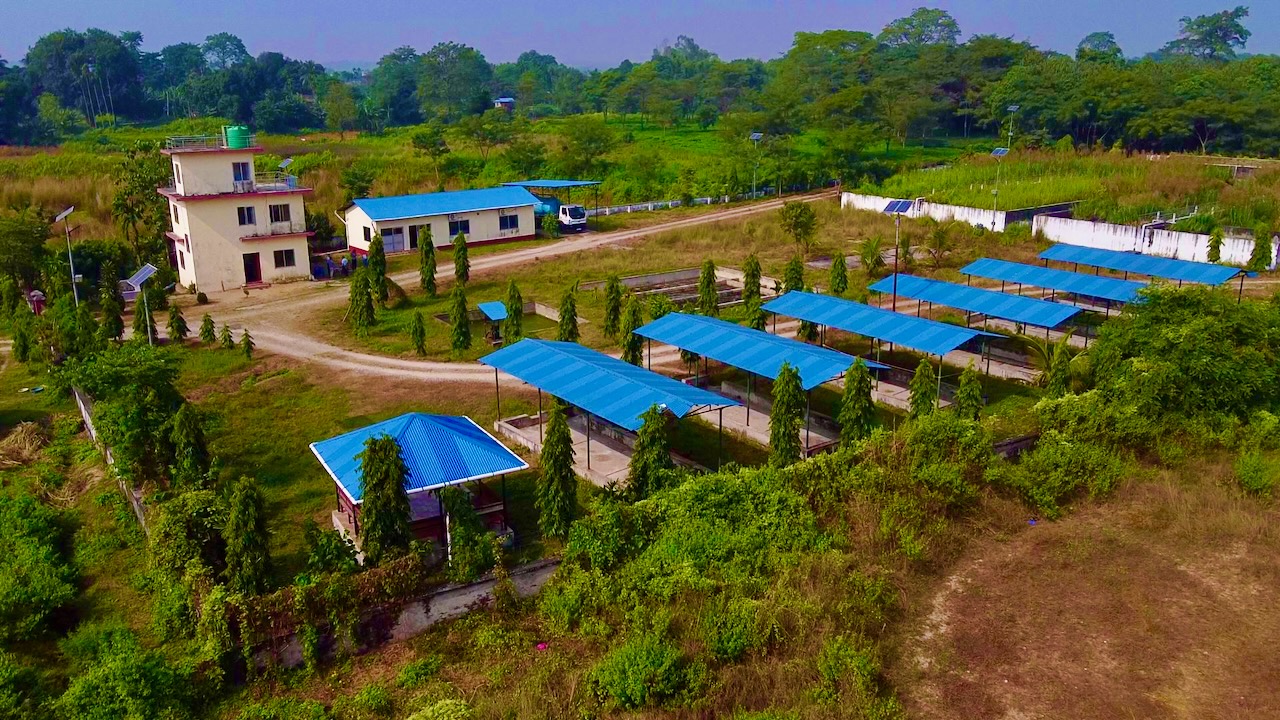
Kathmandu: Narulal Chaudhary, Secretary-General of the Municipal Association of Nepal (MuAN), has said that a Faecal Sludge Treatment Plant (FSTP) is a better option than a sewerage system for the proper management of human excreta.
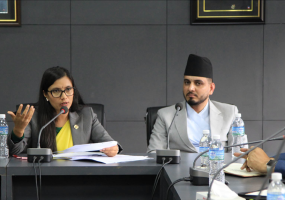
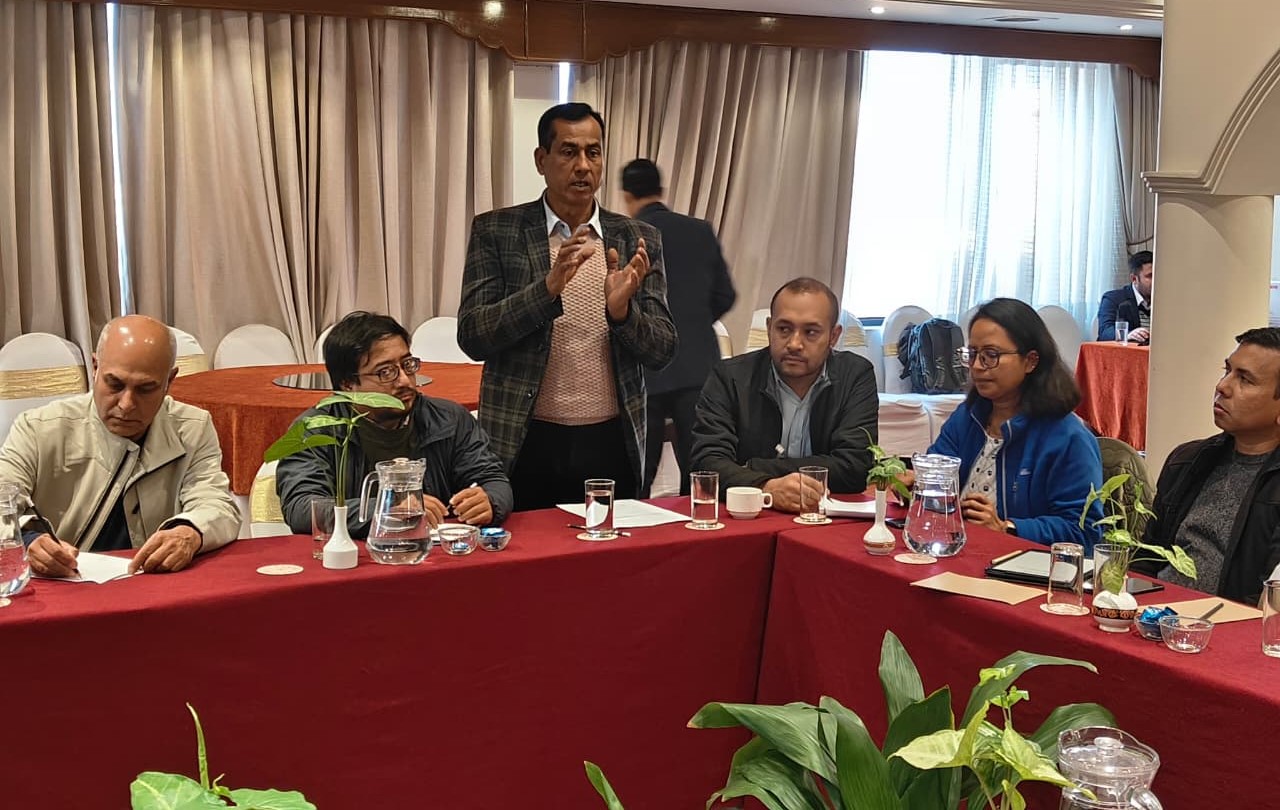
Speaking at the 20th meeting of the Citywide Inclusive Sanitation Alliance Nepal (CWISAN), he said that based on the resources available at the local government level, FSTPs can be operated and regulated more easily and at a lower cost compared to sewerage systems, making them the best choice for faecal sludge management.
Sharing his experience with interim management in Ghorahi Sub-metropolitan City, he said that although there is no treatment plant yet, the municipality has been making maximum efforts to regulate faecal sludge management.
According to him, managing human excreta through a sewerage system requires a large workforce, financial resources, and technology. “A sewerage system requires a vast area, and proper treatment is not easy. If sewage is discharged without treatment, it causes environmental pollution,” he added. “Instead, it is easier to safely empty the sludge from septic tanks, transport it securely, and take it to the treatment plant for processing.”
He said that Ghorahi Sub-metropolitan City had not considered an alternative to a faecal sludge treatment plant and that the federal government has already allocated a budget for its construction.
“We are going for tender to construct the treatment plant. Coordination is ongoing with the Water Supply and Sewerage Management Office,” he said.
He stated that once the treatment plant is built, faecal sludge management in Ghorahi would be safer and more effective. Even now, the Water Supply and Sanitation Management Section empties septic tanks and disposes the waste at the waste management center.
“Organic fertilizer can also be produced from faecal sludge. We have already seen examples from various places. After the treatment plant is built in Ghorahi, we also plan to produce compost,” he said. “We request all development partners and stakeholders for their cooperation.”
A program to expand citywide inclusive sanitation services is being implemented in seven municipalities across the country, including Ghorahi Sub-metropolitan City, with coordination from WaterAid Nepal, the Municipal Association of Nepal, the Ministry of Water Supply, and the Department of Water Supply and Sewerage Management.
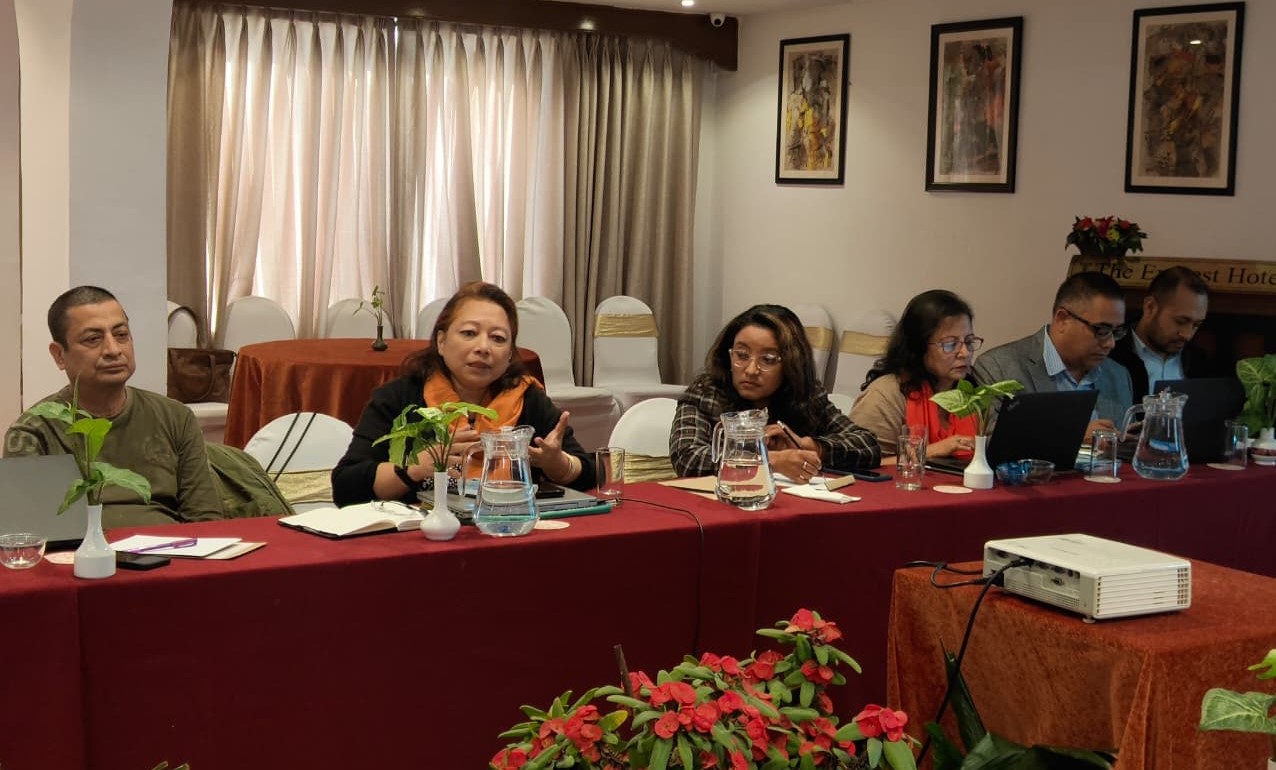
According to Sudha Shrestha, National Professional Officer (NPO) at UN-Habitat, the program provides technical support for developing municipal-level legal instruments related to faecal sludge management, collecting and strengthening data and updating it in N-WASH, conducting various capacity-building trainings related to citywide inclusive sanitation, and preparing institutional frameworks. The program is funded by the Gates Foundation and implemented by UN-Habitat as the executing agency.