310 पटक हेरिएको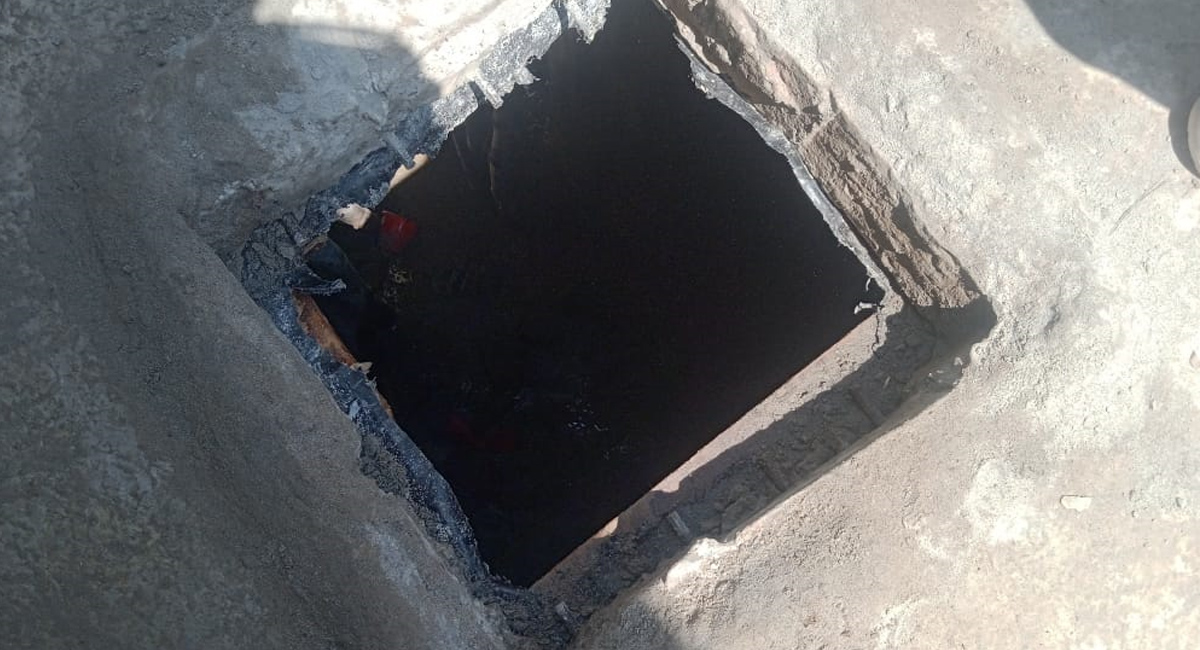
Kathmandu: In recent years, incidents of sanitation workers losing their lives due to suffocation while cleaning septic tanks have been repeatedly reported from different parts of Nepal. Toxic gases accumulated inside septic tanks such as hydrogen sulfide, methane, and ammonia are extremely dangerous to human health.
These gases can cause a person to lose consciousness as soon as they are inhaled and can lead to death within just a few minutes. Therefore, treating septic tank cleaning as a routine job and doing it carelessly is extremely dangerous.
Why Is It Risky Inside a Septic Tank?
The oxygen level inside a septic tank is very low. The toxic gases produced during the decomposition of waste make the environment inside even more hazardous. Although it may look normal from outside, as soon as a person enters the tank, they may feel dizzy, have difficulty breathing, and quickly lose consciousness.
In many accidents, when one person becomes unconscious, others who rush in to rescue them also suffocate and lose their lives at the same time.
Main Safety Measures That Must Be Followed:
The first and safest measure is not to send a person inside the septic tank at all. Wherever possible, cleaning should be done using machines. Nowadays, suction machines (fecal sludge vacuum trucks) are available in many places, which significantly reduce human risk.
If, in any situation, a person must enter the tank, the following safety measures are mandatory:
• Gas Testing: As soon as the tank is opened, a gas detector should be used to check whether the air inside is safe.
• Ventilation: The tank should be kept open for at least one to one and a half hours to allow fresh air to enter. If necessary, a fan or blower should be used to circulate air.
• Personal Protective Equipment (PPE): A mask (respirator), gloves, boots, protective clothing, helmet, and safety goggles must be worn.
• Safety Belt and Rope: The person entering the tank must be tied with a rope from outside so that they can be pulled out immediately in case of emergency.
• Never Enter Alone: At least two or three people must remain outside for monitoring and support.
Preparation and Management
Septic tank cleaning should not be treated as a “haphazard job.” Risk assessment, arrangement of necessary equipment, an emergency rescue plan, and access to nearby health services must be ensured in advance. Providing regular training to sanitation workers and making them aware of safe working procedures is also extremely important.
Cleaning septic tanks is a high-risk job, but with the right methods, use of machines, protective equipment, and caution, this risk can be greatly reduced. The life of sanitation workers is not cheap.
Ensuring their safety is a shared responsibility of the state, local governments, institutions, and society. “Getting the job done” should not mean risking one’s life. The real right is to be able to work safely.