647 पटक हेरिएको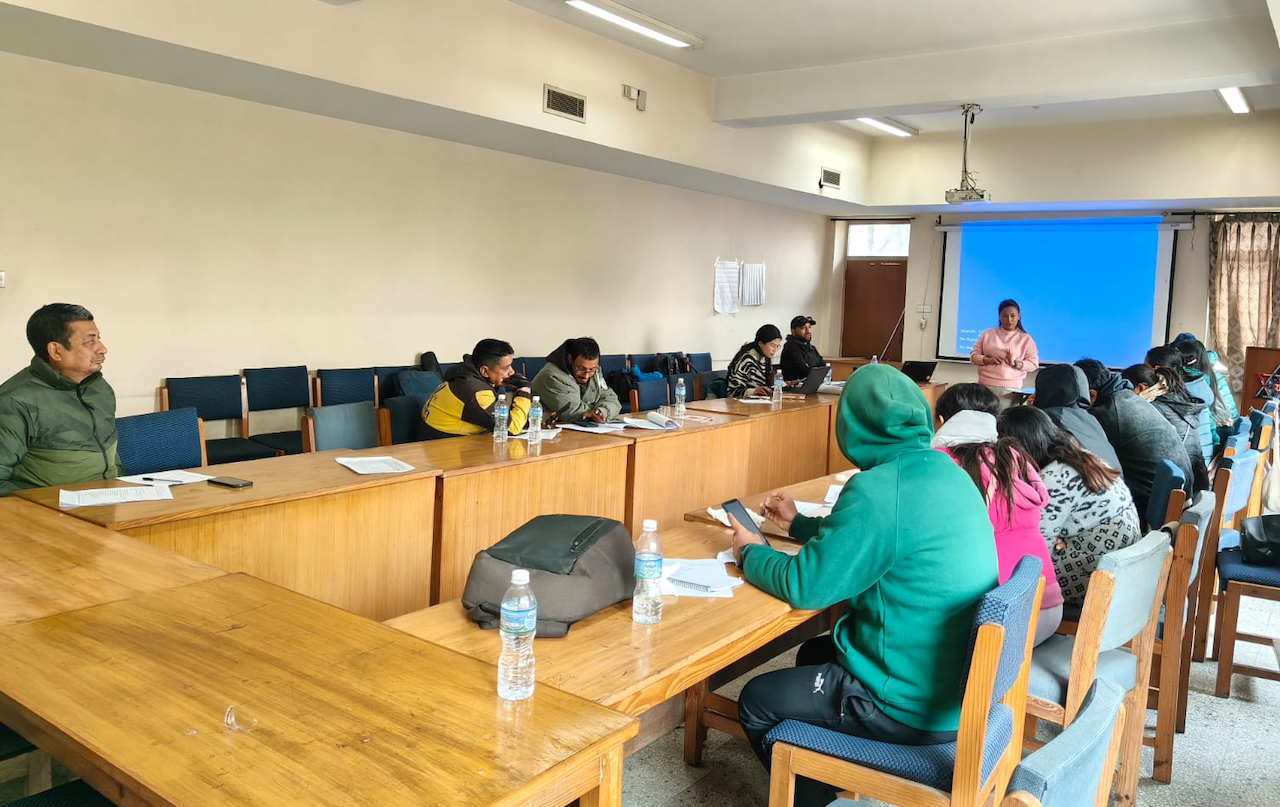
Lalitpur: In Lalitpur Metropolitan City, very detailed (micro-level) sanitation-related data will be collected through a Citywide Inclusive Sanitation (CWIS) situation assessment survey.
While previous studies were mostly limited to asking whether a household has a toilet or not and, if yes, what type of toilet it is, this study will collect data covering the entire chain from the toilet to the management of human excreta.
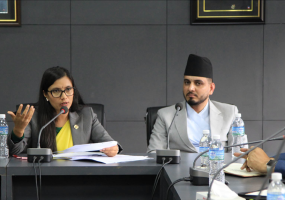
According to Milina Sthapit, Research Associate at 500 B Solutions, a specially designed questionnaire has been prepared to collect micro-level sanitation data. She informed that discussions were held with enumerators yesterday and today regarding the questionnaire, and it has now been finalized.
Supervisor Dibesh Sayami said that sanitation conditions cannot be properly analyzed unless data is available on the entire cycle from the condition of the toilet to the safe disposal of feces and urine therefore even more detailed, very micro level information is being collected.
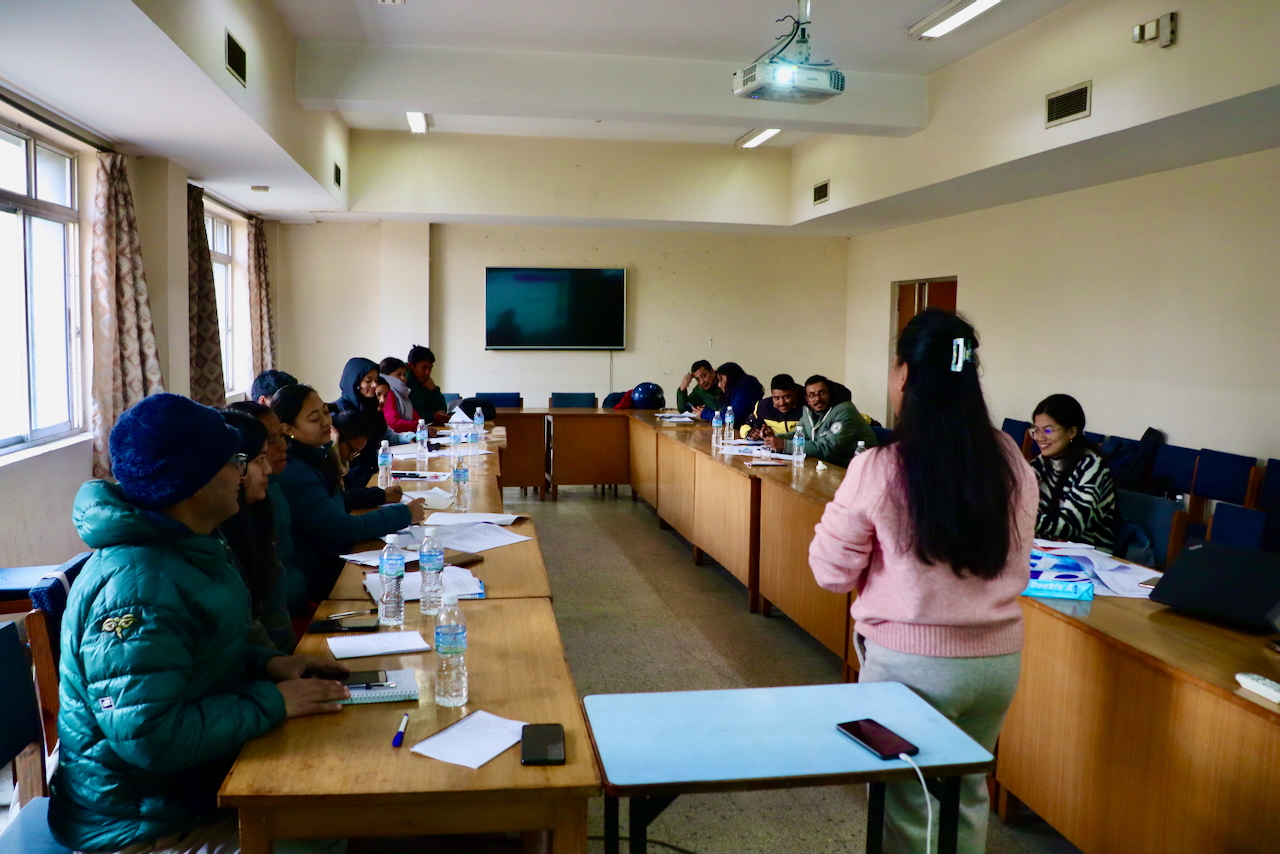
According to him, the survey will first ask whether there is a toilet or not, then move on to the type of toilet. When discussing types, questions will include whether it is a flush toilet or a pit latrine. Questions will also be asked about whether the toilet is connected to a septic tank or to the sewer system.
During data collection, the nature of the septic tank will also be observed for example, whether it is a proper septic tank or just a holding tank. Information such as whether the toilet is disability-friendly or not will also be collected.
Then questions will be asked about whether the septic tank has ever been emptied or not. If it has been emptied, was it done using a machine, semi-mechanized method, or manually? At what interval is it emptied? After emptying, where is the waste managed? These questions will also be included.
“How much does it cost per emptying? Have you used the treated human waste for any purpose, such as fertilizer or biogas?” he added.
He also said that all enumerators have been made competent through practical exercises.
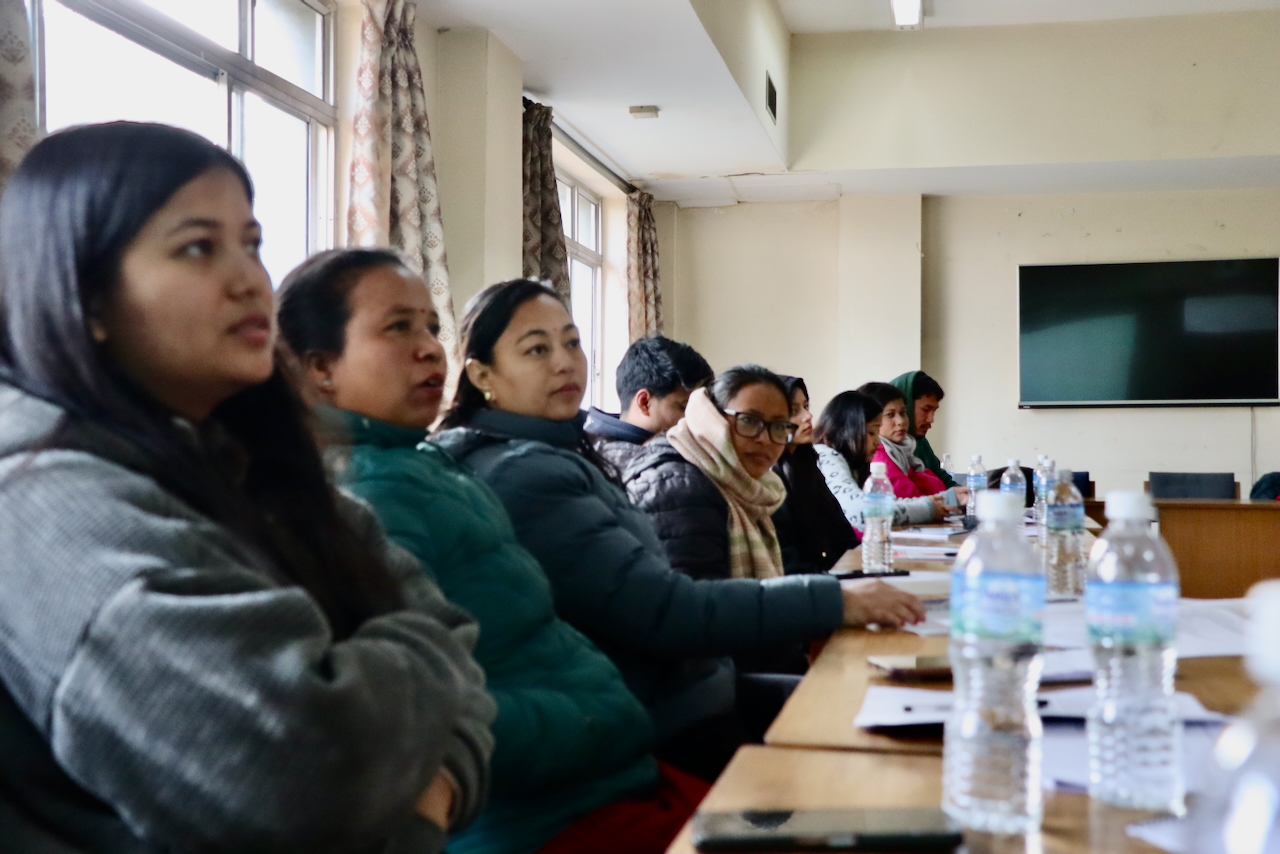
Under the “Scaling Citywide Inclusive Sanitation Service Systems” program, which is being implemented with financial and technical support from the Ministry of Water Supply, UN-Habitat, WaterAid Nepal, and the Municipal Association of Nepal, surveys will be conducted in selected households, schools, hospitals, and public toilets within Lalitpur Metropolitan City.
According to him, 700 households in Lalitpur Metropolitan City have been selected as samples for this survey. Similarly, data will be collected from 10 percent of public toilets, 10 percent of schools, and 10 percent of health institutions within the metropolis.
Enumerators will use software called M-Water to collect the data. During the training, extensive discussions were held on the data collection method using this software and on the questionnaire.
Based on the Citywide Inclusive Sanitation indicators, the collected data will be important for assessing the CWIS status of the city, analyzing sanitation access among poor and marginalized communities, monitoring sanitation services, and preparing various future plans related to citywide inclusive sanitation, said Shrestha, Senior WASH Policy Advisor at WaterAid Nepal.
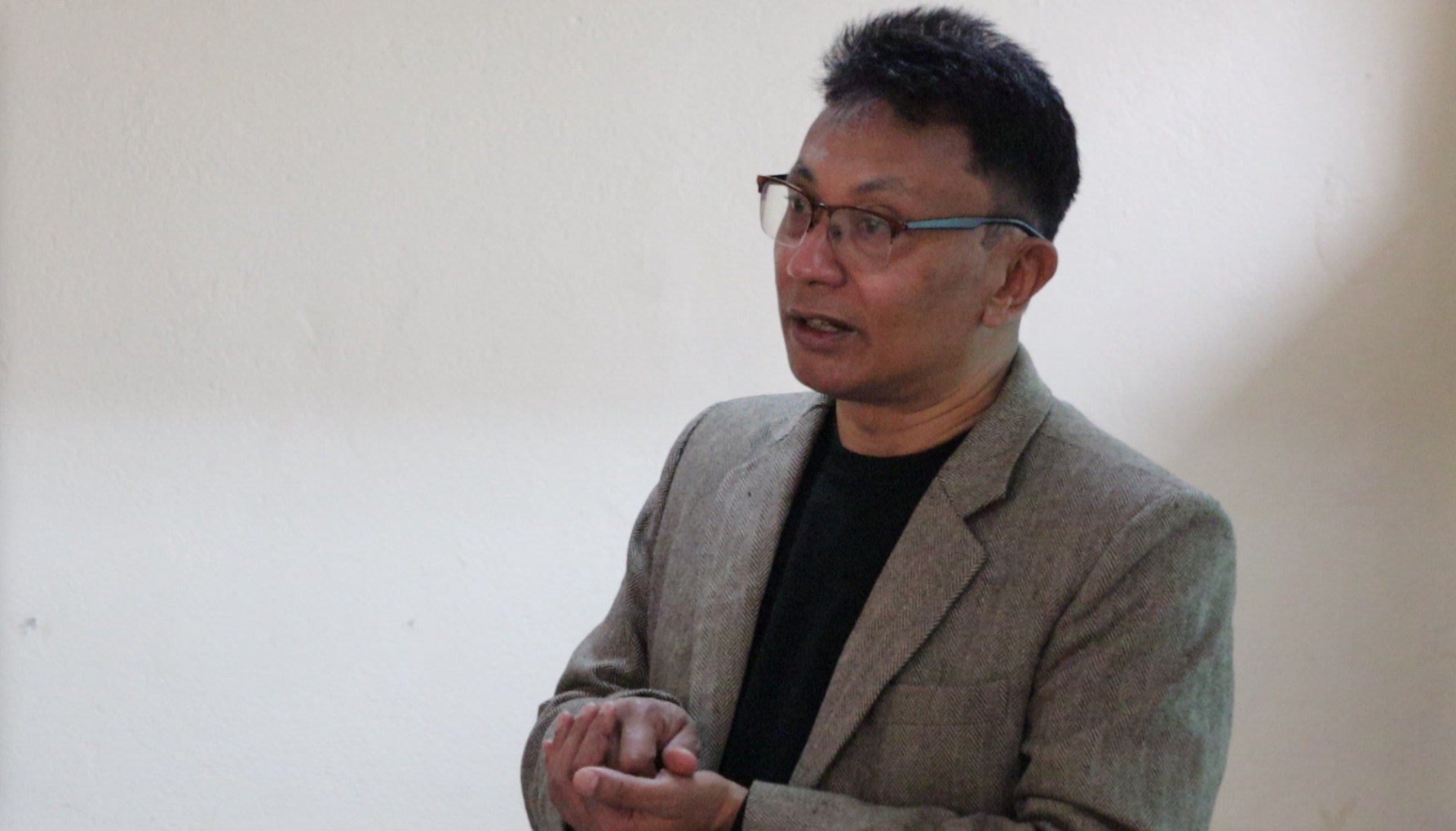
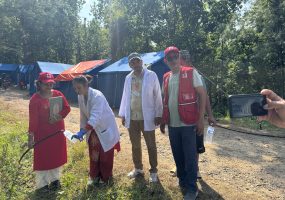
Enumerators said that through yesterday’s and today’s practical sessions, they have learned skills ranging from how to talk to household heads in the field, how to collect data, to how to enter data using the M-Water app. “We now feel confident that we can go to the field and collect and submit data,” said Jharana Manandhar, one of the enumerators participating in the training.
Under the Scaling Citywide Inclusive Sanitation Service Systems program, data will be collected to assess CWIS status in one municipality in each of Nepal’s seven provinces.
This program is being implemented in Mechi Municipality of Koshi Province, Lahan Municipality of Madhesh Province, Lalitpur Metropolitan City of Bagmati Province, Gorkha Municipality of Gandaki Province, Ghorahi Municipality of Lumbini Province, Sharada Municipality of Karnali Province, and Godawari Municipality of Sudurpaschim Province.
Under this program, the Ministry of Water Supply, the Department of Water Supply and Sewerage Management, WaterAid Nepal, and the Municipal Association of Nepal are providing various forms of technical support to the municipalities.
The program is being implemented with financial support from the Gates Foundation, and UN-Habitat is the executing agency.