274 पटक हेरिएको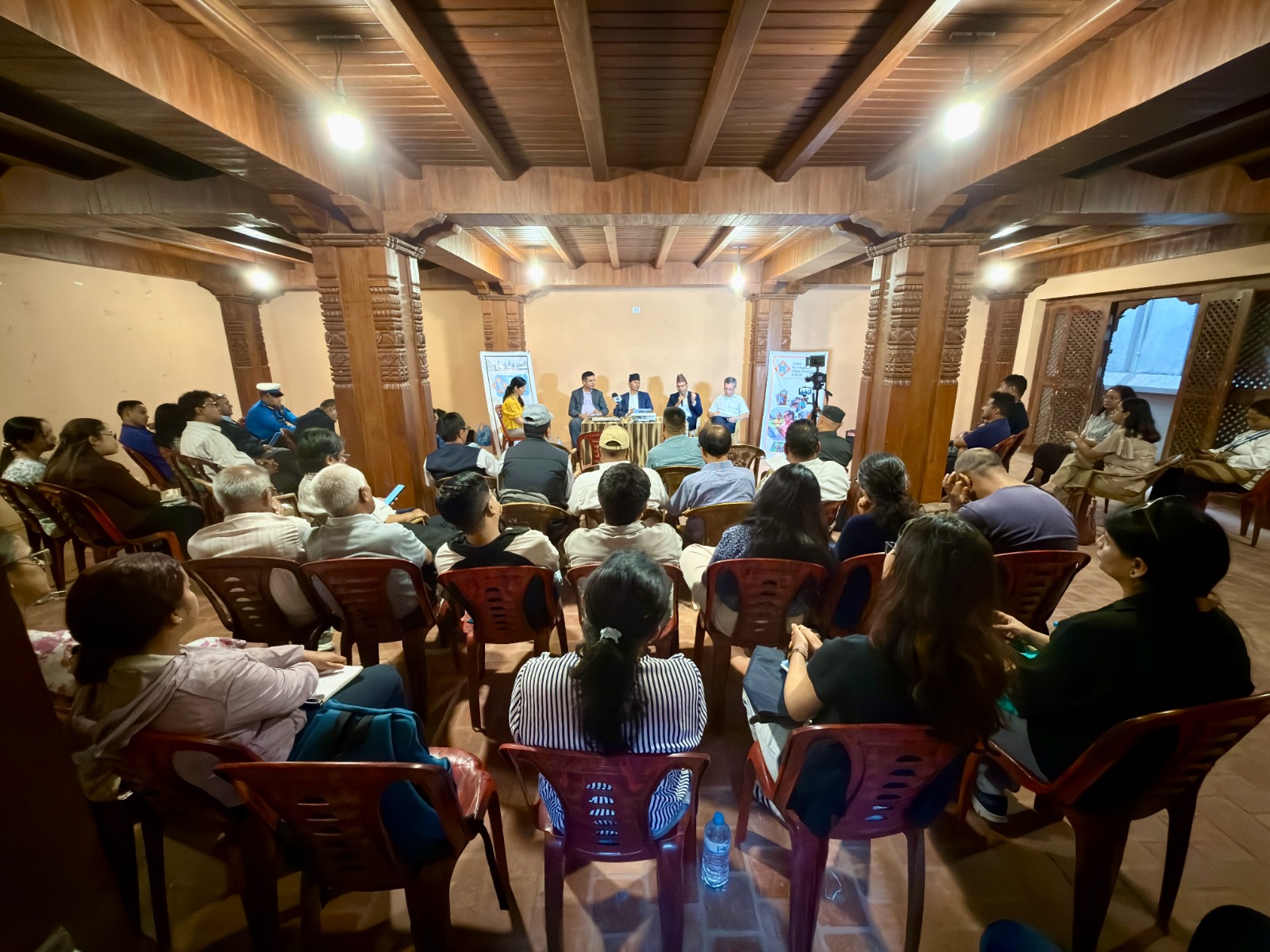
Kathmandu: Experts have stressed the need for effective coordination among government agencies, technical institutions, development partners, and local communities, while prioritizing nature-based solutions to address the recurring problem of urban flooding in the Kathmandu Valley.
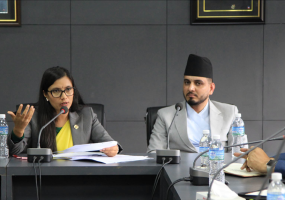
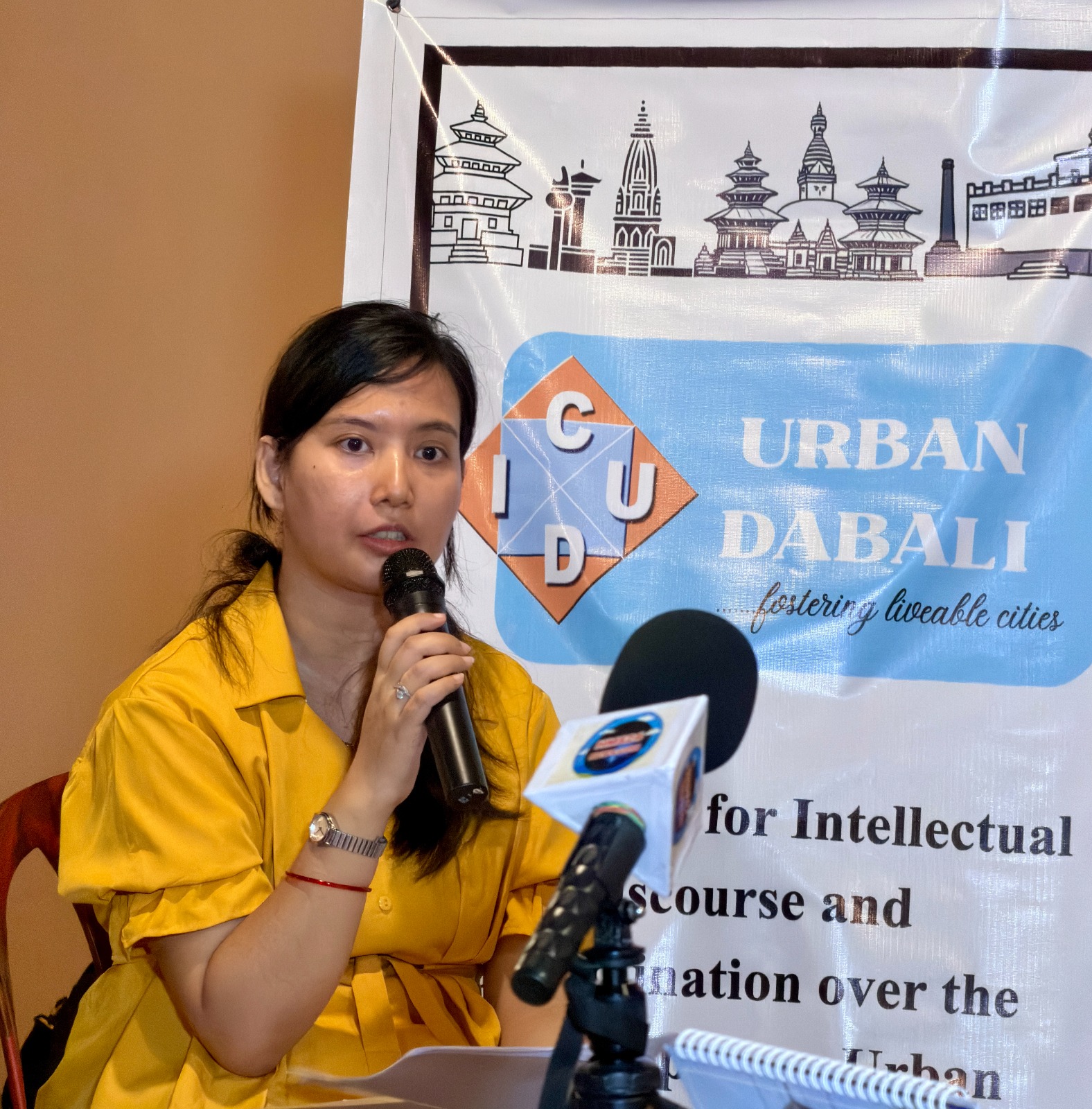
The experts shared their views during the Urban Dabali program organized by the Centre for Integrated Urban Development (CIUD) and HELVETAS Nepal in coordination with Kathmandu Metropolitan City (KMC) on Thursday. Held under the theme “Urban Floods in Nepal: From Recurring Crisis to Resilient Cities,” the event highlighted that unplanned urbanization, river encroachment, obstruction of natural drainage systems, and the impacts of climate change have significantly increased the risk of urban flooding across the valley.
Delivering the keynote presentation, urban development expert and Chairman of CIUD, Padma Sunder Joshi, said that attempting to control rivers against their natural course leads to severe long-term consequences. Referring to Germany’s Rhine River, he noted that after decades of straightening the river, restoration efforts are now underway because of the increased flood risks experienced by riverside cities.
According to Joshi, traditional Newar settlements in the Kathmandu Valley had sophisticated drainage systems. However, rivers, streams, and ponds such as Ban Ganga, Til Ganga, and Paleswa have gradually disappeared due to decades of urban expansion and encroachment.
Presenting satellite images of the Nakkhu and Chobhar Gorge areas from 2003 to the present, he explained that the alteration of natural waterways and encroachment for roads and housing played a significant role in the devastating floods of September 2024. He further warned that the construction of high retaining walls and the narrowing of the Bagmati River have further intensified flood risks.
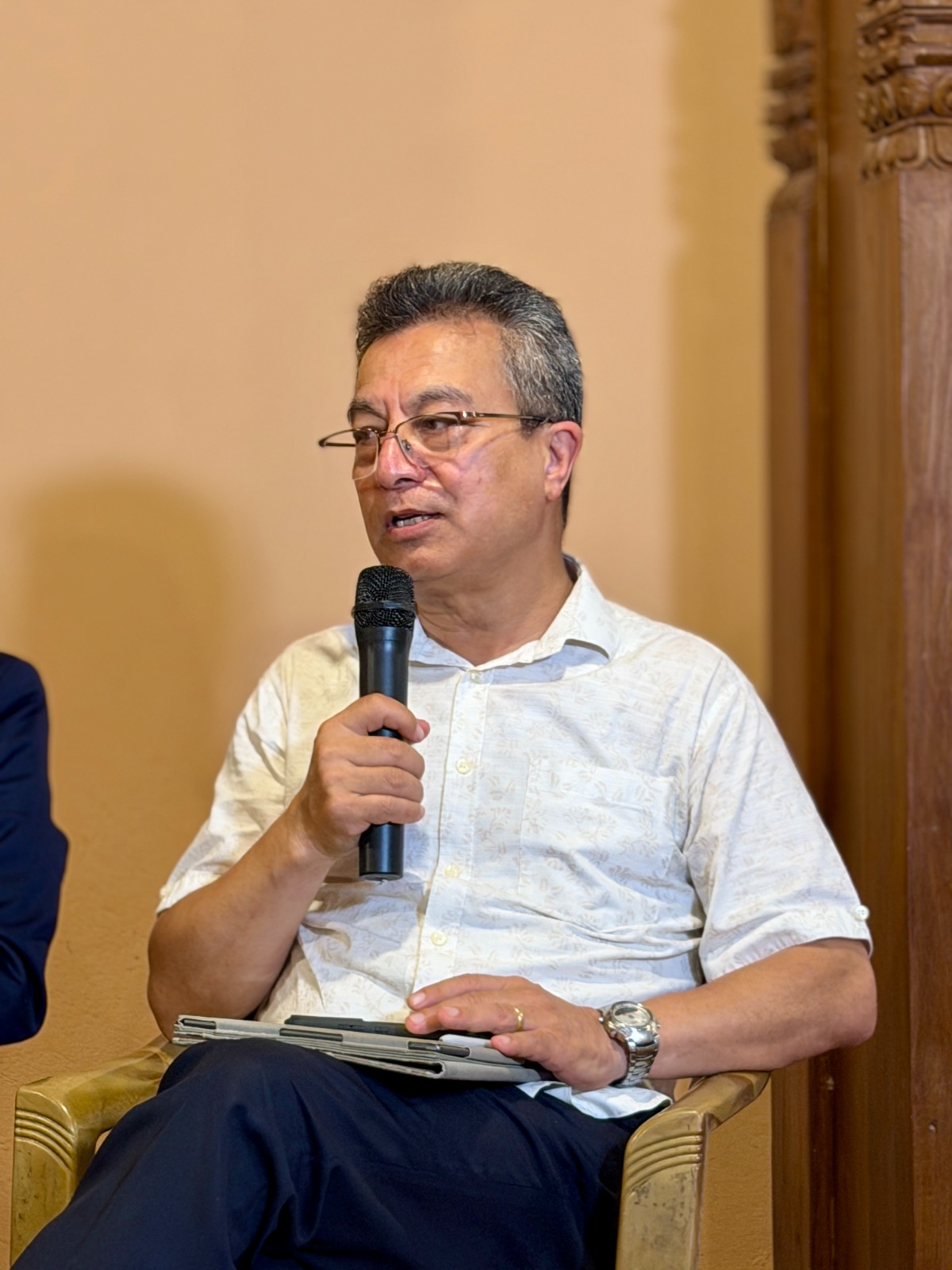
Joshi also called for an investigation into how riverbank encroachment had been allowed and urged both local and federal governments to adopt corrective as well as preventive measures.
Following the keynote presentation, a panel discussion was held featuring Ar. Yek Raj Adhikari, Deputy Director General of the Department of Urban Development and Building Construction; Dr. Pawan Bhattarai, Coordinator and Assistant Professor of the Water Resources Engineering Programme at the Institute of Engineering, Pulchowk Campus; and Machakaji Maharjan, Project Director of the High Powered Committee for Integrated Development of Bagmati Civilization. The discussion was moderated by Rija Joshi, Executive Director of CIUD.
Maharjan said his organization is implementing both legal and structural measures to reduce river overflow, including converting UN Park entirely into a public park, lowering retaining walls where necessary, and proposing minimum bridge lengths based on hydrological studies.
Dr. Bhattarai emphasized that both fluvial and pluvial flooding, along with the impacts of climate change, must be addressed in an integrated manner. He noted that research conducted by universities often fails to influence policymaking due to weak coordination with government agencies. He recommended introducing an elective course on urban flooding in engineering education, expanding the use of digital technologies and animation for public awareness, and promoting rainwater harvesting and groundwater recharge systems.
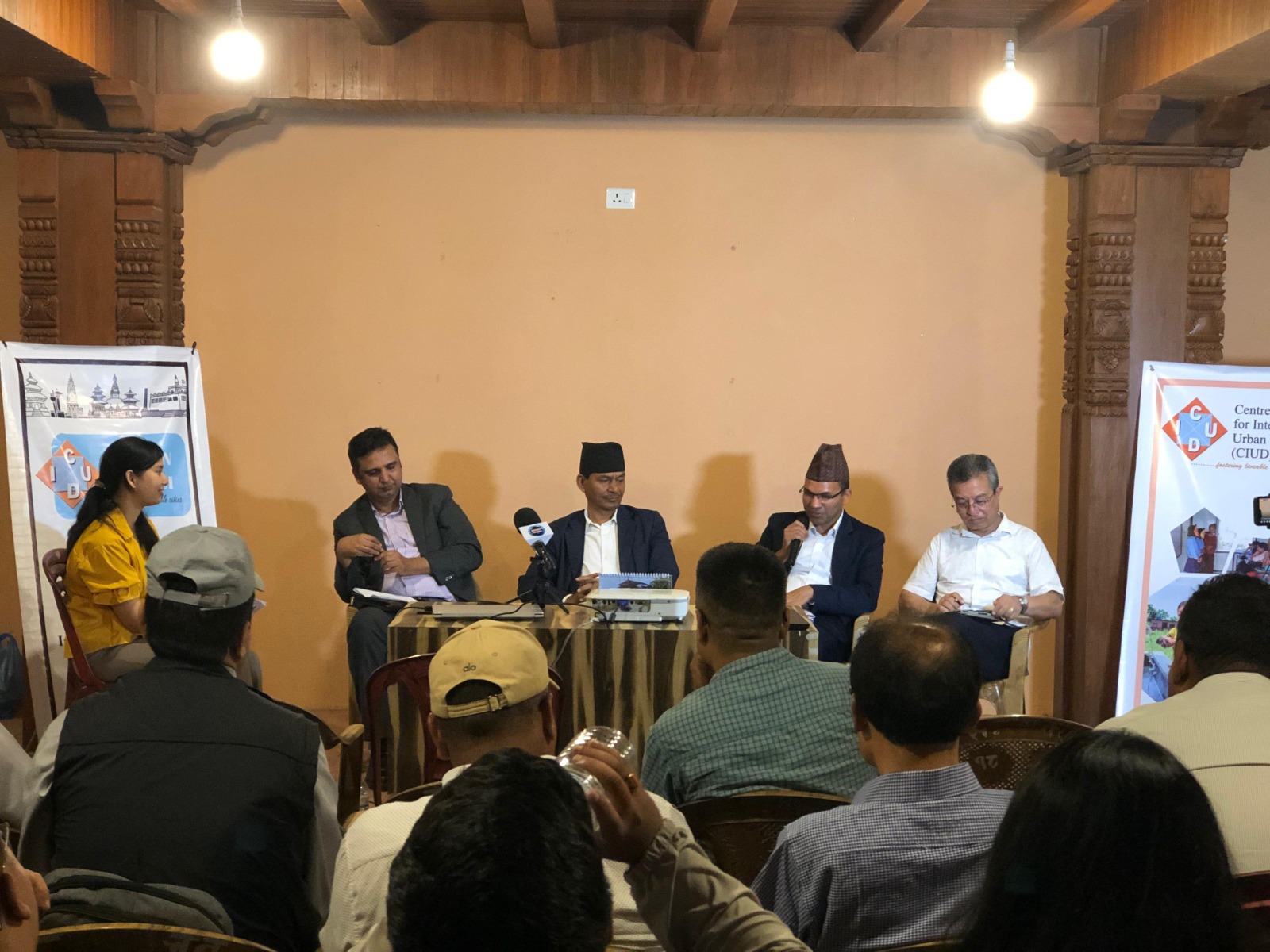
Ar. Adhikari stressed that effective urban flood management is impossible without close collaboration among the federal, provincial, and local governments, technical institutions, development partners, and local communities. He emphasized the need for community participation throughout the planning process, continuous technical capacity-building for municipalities, and the integration of urban flood management into the proposed Kathmandu Valley 2040 Vision.
Joshi further pointed out that high retaining structures and the fragmentation of watersheds are also damaging biodiversity in the valley. He described rainwater harvesting and groundwater recharge as the most effective solutions for Kathmandu Valley, while cautioning that incentive-based schemes alone are insufficient.
Instead, he called for sustained, high-quality public awareness campaigns to encourage household adoption. He also recommended that the government acquire private land for public purposes where necessary and argued that urban planning and implementation should not be left to a single institution. Rather, he called for a strong coordinating mechanism to bring all relevant agencies under one umbrella.
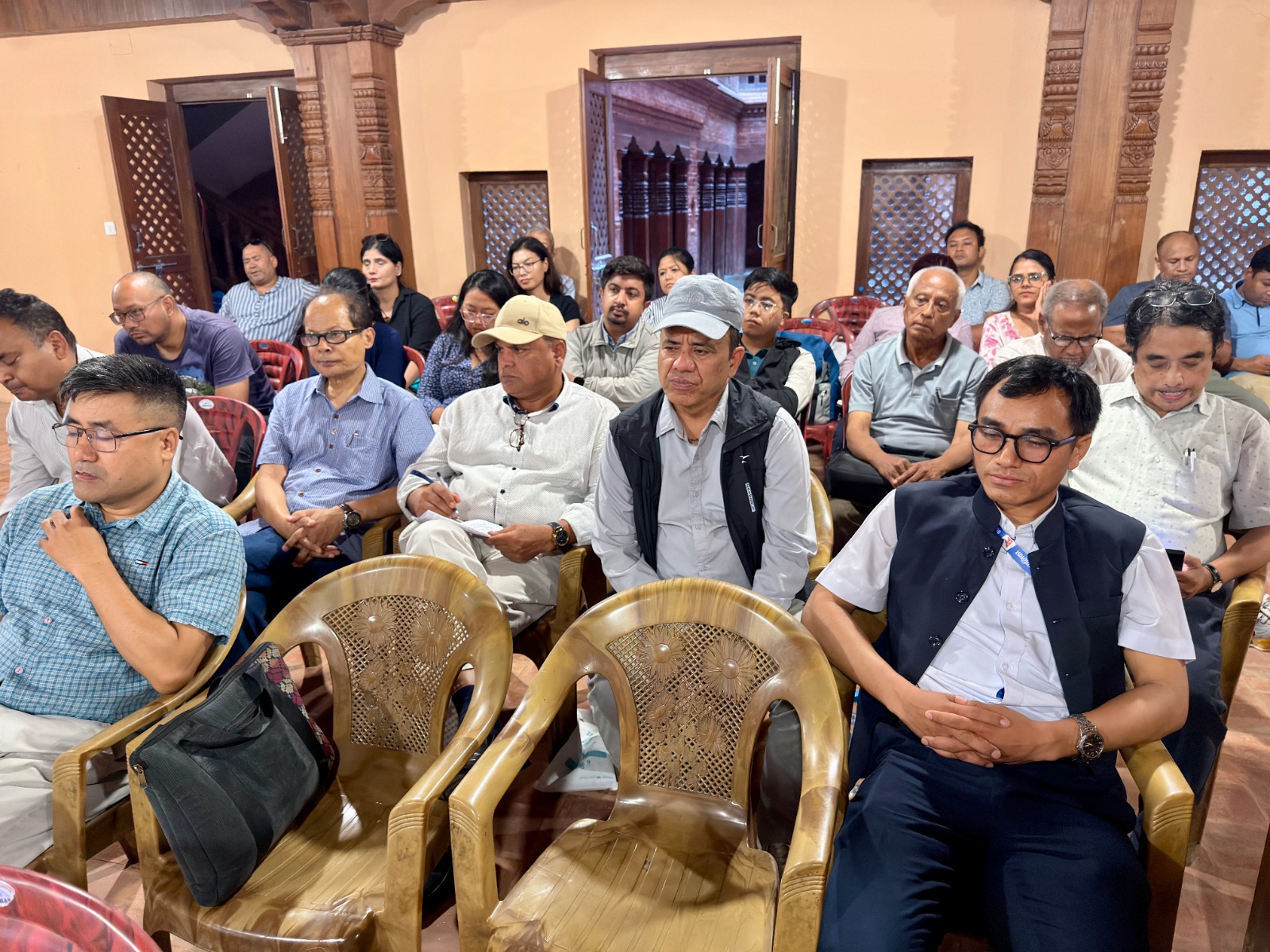
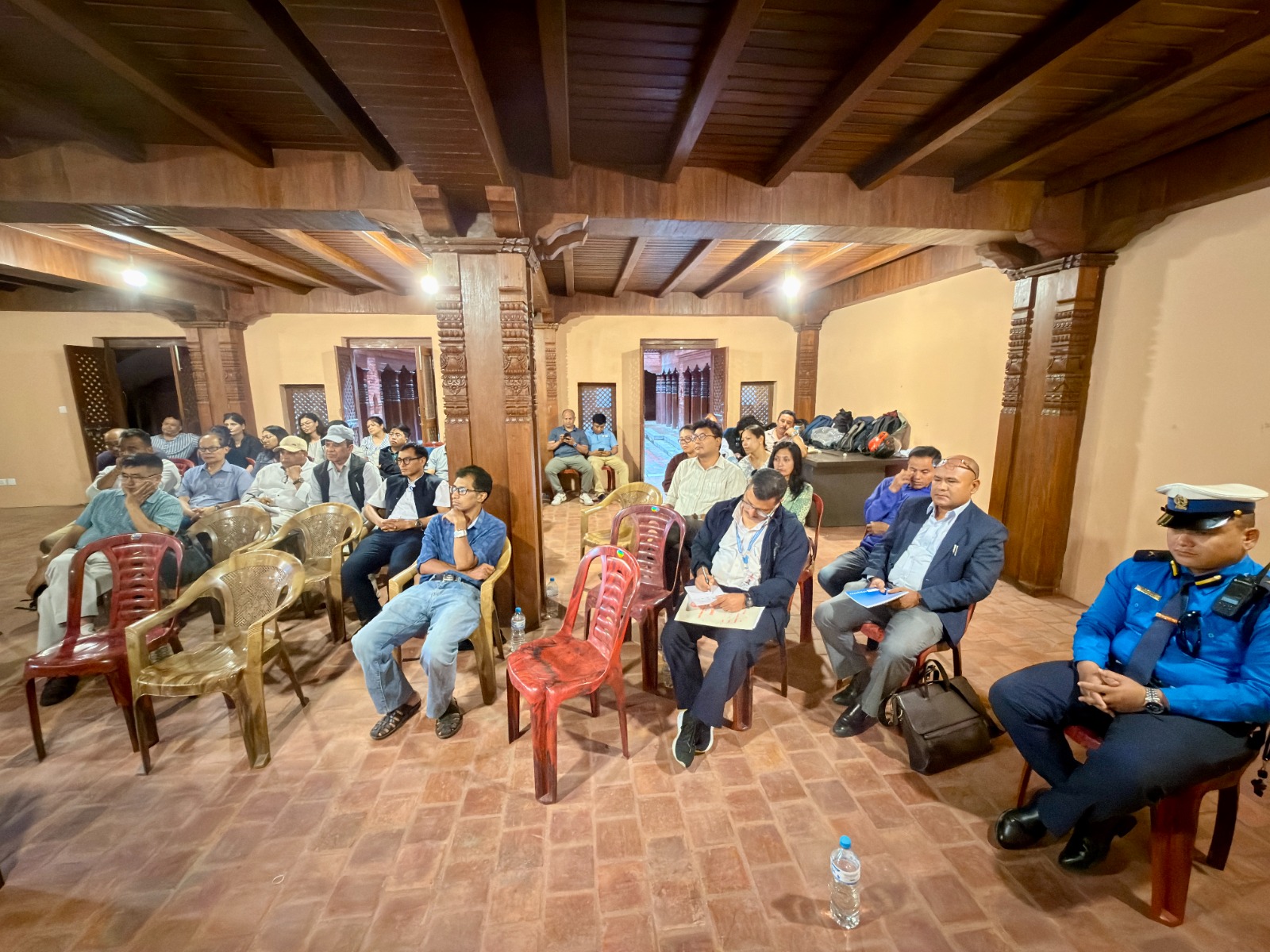
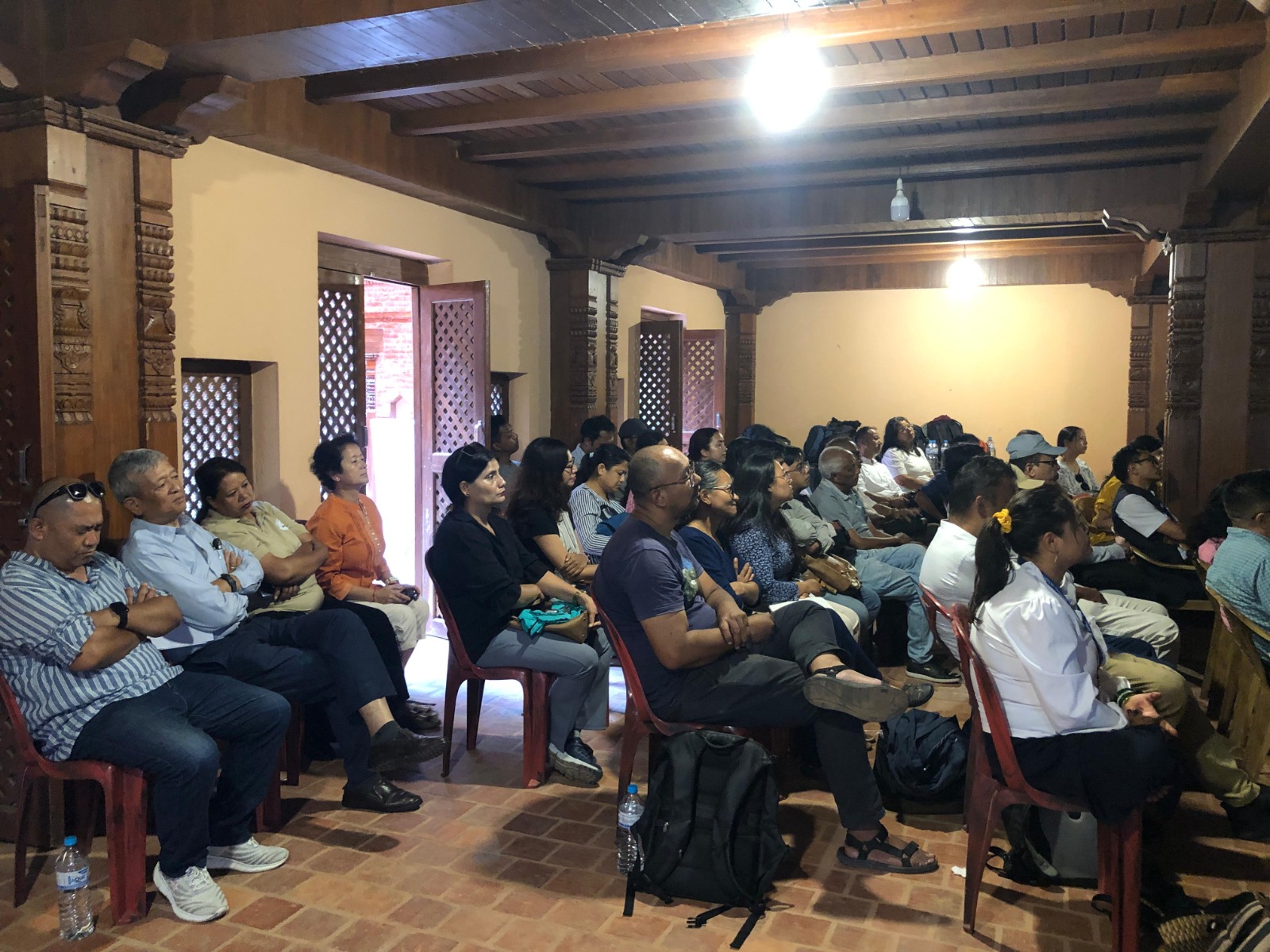
Around 60 participants attended the event. During the interactive discussion, representatives from government agencies, municipalities, universities, development partners, professional organizations, and community groups concluded that building flood-resilient cities requires integrated land-use planning, protection of river corridors and floodplains, restoration of natural drainage systems, promotion of rainwater harvesting and groundwater recharge, and evidence-based decision-making supported by stronger institutional coordination. Participants expressed confidence that such discussions would contribute to improving urban governance and disaster risk management in Nepal.
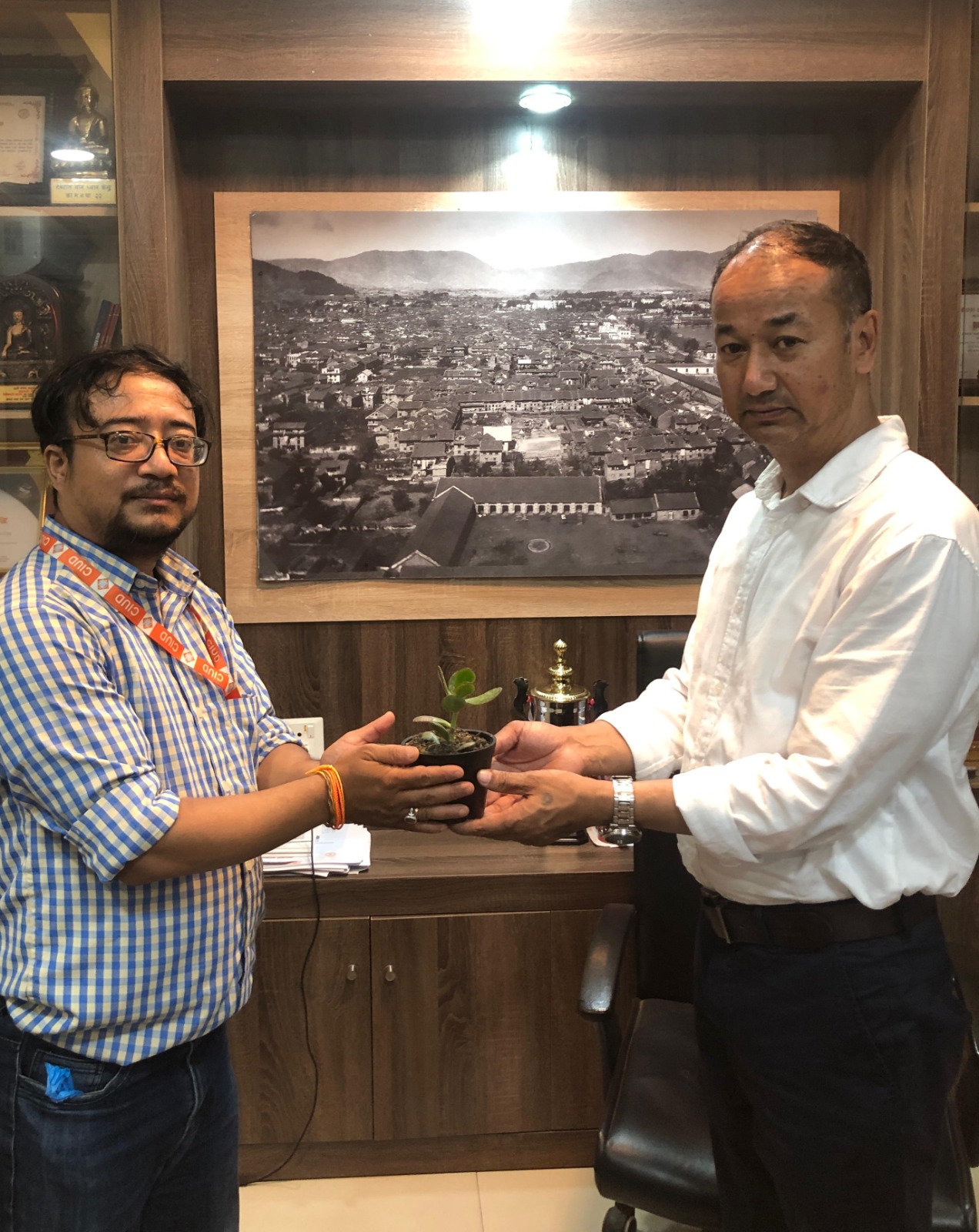
Photo: Yas Kumar Karmacharya/CIUD