373 पटक हेरिएको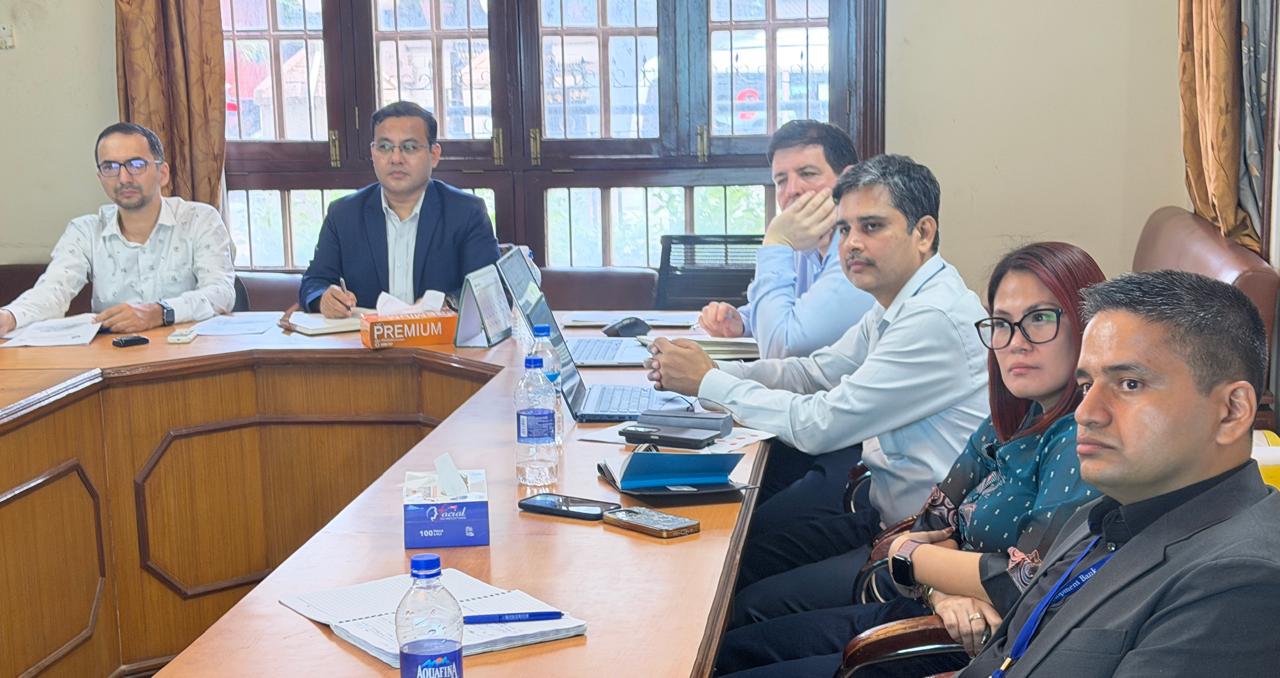
Kathmandu: To make sewage treatment and management in the Kathmandu Valley more systematic and effective, the Kathmandu Valley Wastewater Management Project – II has been proposed.
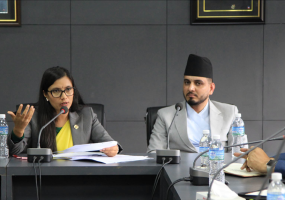
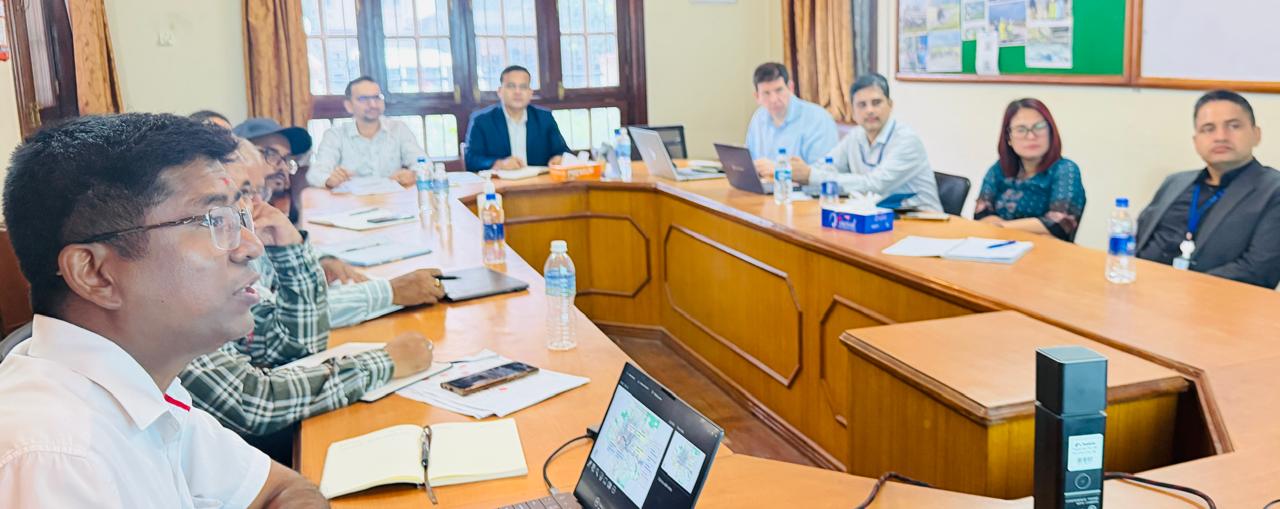
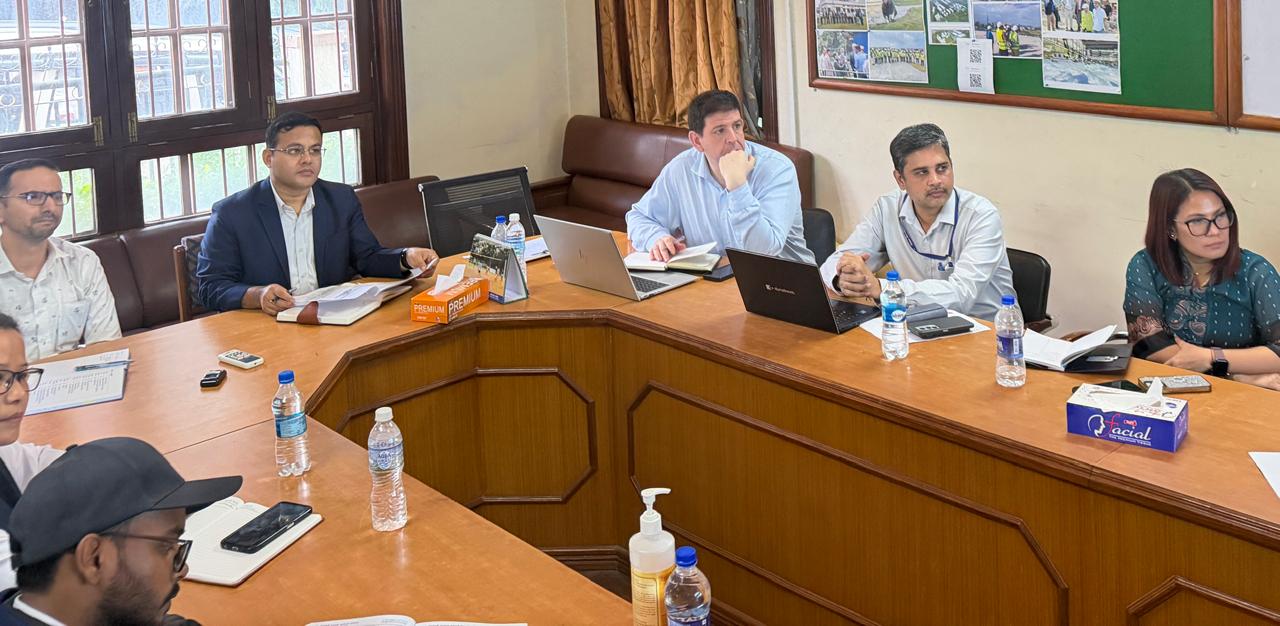
The project, which is planned to be implemented through the Project Implementation Directorate (PID), has an estimated total cost of USD 265 million (approximately NPR 40 billion). A discussion on the project was held today between PID and the Asian Development Bank (ADB) reconnaissance mission team.
According to the project plan, the budget has been allocated for the construction and upgrading of various infrastructure components.
Sewer Network Expansion and Rehabilitation
A total of 55.7 kilometres of sewer network will be expanded, rehabilitated, and improved in different parts of the Valley. This will include the construction of sewer pipelines and interceptors in areas including Godawari, Manohara (4 km), Hanumante, the Kathmandu Core Area (17 km), and Putalisadak (5 km).
The project also plans to construct additional sewage treatment plants with a combined treatment capacity of approximately 180 million litres per day, as well as upgrade existing treatment plants. Treatment plants in Dhobighat, Kodku (Balkumari), Sallaghari, Gokarna, and Chobhar/Chalnakhel will be operated, expanded, or newly constructed under the plan.
At Dhobighat, the existing/proposed treatment capacity will be increased to develop an integrated system capable of managing wastewater flows from Chalnakhel and Khokana in the future.
The project has also proposed the construction of modern underground sewage treatment plants along the Bagmati and Bishnumati river corridors.
It is projected that while approximately 160 million litres of sewage per day was collected in the Valley in 2015, the volume will increase to around 500 million litres per day by 2030. In addition, major sewer systems will be constructed along the Bishnumati, Dhobikhola, Manohara, Hanumante, Tukucha, Godawari, Balkhu, Mahadev Khola, Sanla Khola, Manmati, and Nakkhu river corridors to prevent untreated sewage from being discharged directly into the rivers.
For sewage treatment plants to operate effectively, separate pipelines will need to be installed for toilet wastewater (sewage) and stormwater.
Under the project, the Sewer Asset Management System (SAMS) will also be modernized, upgraded, and expanded to facilitate sewer network mapping, manhole management, and tracking of wastewater flow directions.
Following the construction and implementation of the project, the major river systems of the Kathmandu Valley are expected to become cleaner, while the environmental health and overall well-being of Valley residents are also expected to improve significantly.