226 पटक हेरिएको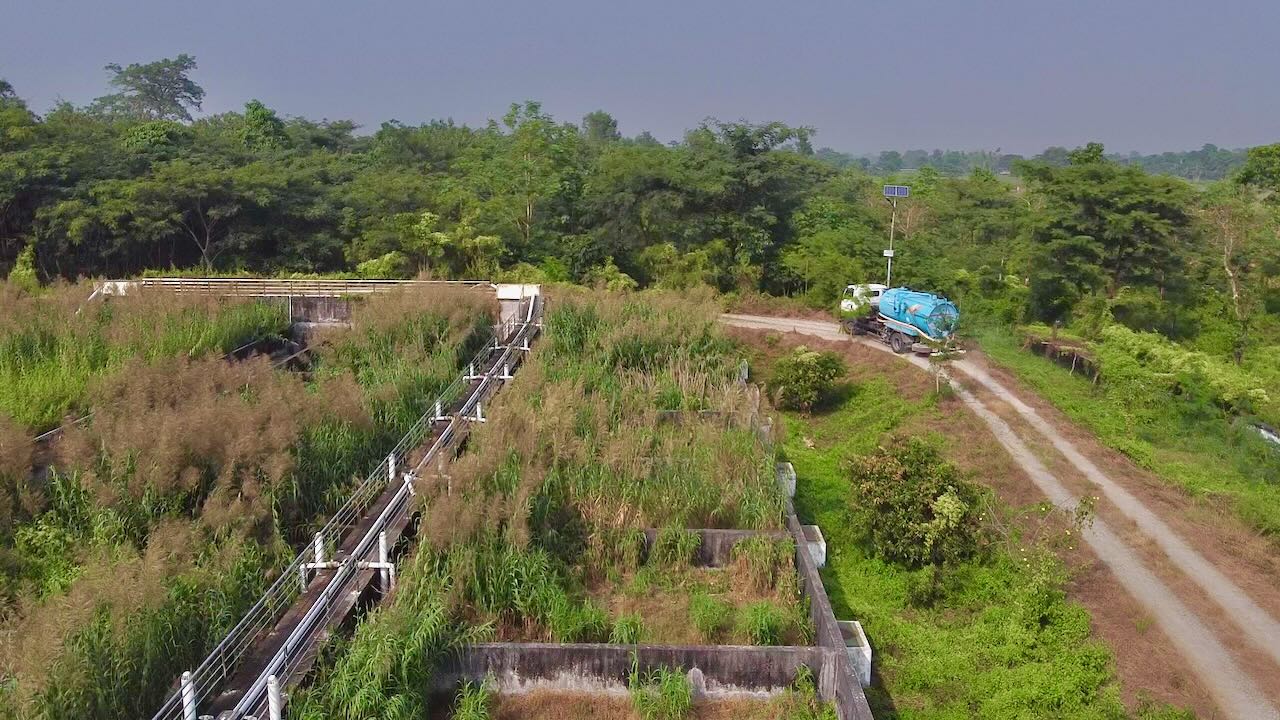
Sanitation should no longer be viewed merely as an area of expenditure. The time has come to recognize it as an opportunity for employment generation, entrepreneurship, private-sector investment, and local economic development.
Nepal has significant potential to develop a broad sanitation market ranging from toilet construction to fecal waste collection, transportation, treatment and reuse, as well as compost and biogas production, equipment manufacturing, digital services, and sanitation-related consultancy.
Nepal was declared an Open Defecation Free (ODF) nation in 2019. However, achieving ODF status is not the final destination for sanitation. Having a toilet at home and using it is only one part of the sanitation journey. Safe sanitation also requires that human excreta and wastewater generated from toilets are safely contained, collected, transported, treated, and either safely disposed of or reused without posing risks to human health or the environment.
In this context, Nepal now needs to move beyond a “toilet construction campaign” towards a “safe sanitation service system.”
This transition has created new opportunities for the private sector, social enterprises, young entrepreneurs, local businesses, technical service providers, and innovation-based startups.
What is Safe Sanitation?
Safe sanitation refers to the entire process of safely separating human excreta and waste from human contact and ensuring its proper containment, collection, emptying, transportation, treatment, and final disposal or reuse.
It can be understood as a service chain:
Toilet → Containment of fecal waste → Emptying service → Transportation → Treatment → Resource recovery or safe final disposal
Safe sanitation is also closely linked with wastewater, septic tanks, soak pits, drainage systems, sewerage, public toilets, handwashing facilities, menstrual hygiene management, and institutional sanitation.
Therefore, the sanitation market is not limited to toilet construction alone.
1. Septic Tank Emptying and Fecal Sludge Management
A large number of households and institutions in Nepal are not connected to sewerage systems. Many of them depend on septic tanks, soak pits, and other on-site sanitation systems.
However, in many areas, organized and professional services for safely emptying septic tanks, transporting the collected fecal sludge, and ensuring its proper treatment are still insufficient.
This creates an opportunity for private companies and social enterprises to provide fecal sludge management (FSM) services.
Potential services include:
• Vacuum tanker services
• Mechanical desludging services
• Septic tank inspection services
• Scheduled or regular septic tank emptying services
• Fecal sludge transportation services
• Fecal sludge treatment services
• Institutional sanitation services
In particular, private-sector operators can establish service-fee-based businesses for septic tank emptying and fecal sludge management through agreements or partnerships with local governments.
2. Small- and Medium-Capacity Vacuum Tanker Businesses
Large vacuum tankers may not be suitable for all areas of Nepal. Narrow roads, hilly terrain, and densely populated or remote settlements may require smaller and more flexible desludging equipment.
This creates another important business opportunity.
Local entrepreneurs can operate sanitation service businesses using a model that combines:
Small vacuum tanker + trained personnel + appropriate personal protective equipment (PPE) + standardized service charges.
If local governments establish clear standards, licensing systems, and regulatory mechanisms for such service providers, this could become a formal sector capable of generating employment and improving the safety and quality of sanitation services.
3. Operation of Fecal Sludge Treatment Plants
Safe sanitation does not end with the collection of fecal sludge. The collected material must also be safely treated.
This creates opportunities for operating Fecal Sludge Treatment Plants (FSTPs).
Such treatment facilities may use technologies and processes such as:
• Solid-liquid separation
• Drying beds
• Planted drying beds
• Composting
• Co-treatment with other waste streams
• Organic matter recovery
• Resource recovery, including the recovery of useful materials or energy from waste
Even where local governments invest in the construction of treatment infrastructure, the operation and maintenance of such facilities can potentially be managed by private companies or social enterprises.
This provides an opportunity to operate public sanitation infrastructure through professional and sustainable business models.
4. Producing Fertilizer from Fecal Sludge
After appropriate treatment, fecal sludge may contain organic matter and nutrients that can potentially be recovered and used for agricultural purposes.
This creates the possibility of developing a sanitation-to-agriculture value chain.
Following proper treatment and quality assurance, recovered materials may potentially be processed and marketed as:
• Soil conditioners
• Compost
• Organic fertilizer
• Soil amendments
However, strict control of pathogens, heavy metals, and other contaminants is essential. Quality testing, regulatory compliance, and adherence to relevant government standards are critical before such products can be safely used or marketed.
5. Energy Production from Fecal and Organic Waste
Where appropriate technologies and sufficient quantities of feedstock are available, fecal sludge and other organic waste can also be used for biogas production.
Fecal sludge, organic waste, and other biodegradable materials can be processed through suitable systems to produce:
Biogas → Cooking energy / Heat energy / Electricity
This approach can help address waste management challenges while also creating opportunities for renewable energy generation.
Integrated waste-to-energy models linked with large markets, livestock farms, hotels, institutions, and municipalities could become commercially viable areas for future investment and entrepreneurship.
Other Potential Areas for Sanitation Entrepreneurship
Beyond these areas, a wide range of sanitation-related businesses can also be developed, including:
6. Digital and advance notification services for toilet and septic tank emptying
7. Technical services for toilet and septic tank design
8. Production and supply of toilet construction materials
9. Handwashing facilities and hygiene station businesses
10. Public toilet operation and management
11. Institutional sanitation services
12. Cleaning and sanitation services for hospitals and healthcare facilities
13. Sanitation businesses for hotels and the tourism sector
14. Composting toilets and ecological sanitation (EcoSan)
15. Wastewater treatment and reuse services
16. Sanitation equipment rental businesses
17. Portable toilet businesses
18. Supply of sanitation materials and personal protective equipment (PPE)
19. Training and certification for sanitation workers
20. Sanitation audits and certification services
21. Sanitation-related research and data services
22. Public-Private Partnerships with local governments
23. Significant opportunities for social enterprises
24. Entrepreneurship opportunities for women
25. New opportunities for youth and startups
26. “Waste-to-Resource” business models
Moving Towards a Sanitation-Based Economy
Nepal now needs to move beyond the achievement of Open Defecation Free status towards a safe, sustainable, and inclusive sanitation system. It may not be possible for the government alone to provide every service required across the entire sanitation chain. Therefore, the private sector, social enterprises, cooperatives, young entrepreneurs, technical institutions, and local businesses need to be integrated into the sanitation service chain.
Business opportunities in safe sanitation extend far beyond toilet construction. They include septic tank emptying, fecal sludge collection and transportation, operation of FSTPs, wastewater treatment, public toilet management, portable toilets, sanitation equipment, PPE, training, digital services, sanitation audits, consultancy, and resource recovery.
Most importantly, sanitation should not be viewed simply as a matter of “waste management.” It is an emerging sector connected to public health, environmental protection, employment, technology, entrepreneurship, and local economic development.
If appropriate policies, regulations, investment mechanisms, and market structures are developed, the safe sanitation sector could generate thousands of direct and indirect employment opportunities in Nepal. At the same time, fecal sludge and organic waste-currently viewed primarily as a cost or management burden—could increasingly be transformed into valuable resources, energy, and economic opportunities in the future.