442 पटक हेरिएको
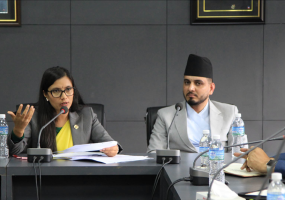
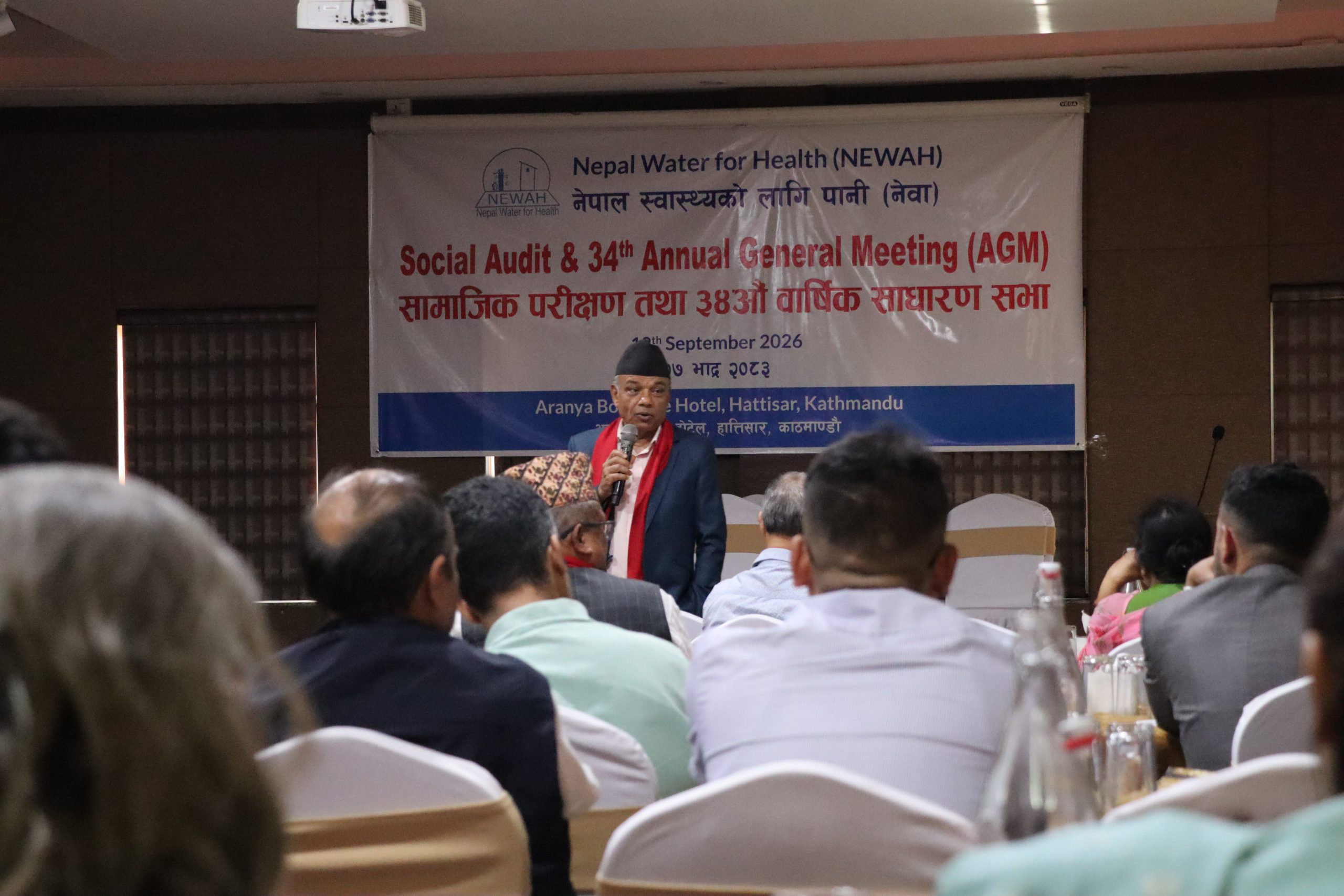
 Kathmandu : Social Auditor Dr. Tej Bahadur Karki presented the Social Audit Report of Nepal Water for Health (NEWAH) for 2026. The report was shared at the 34th Annual General Meeting of NEWAH.
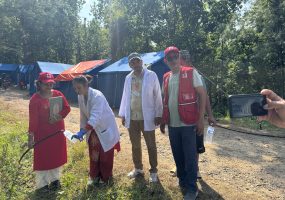
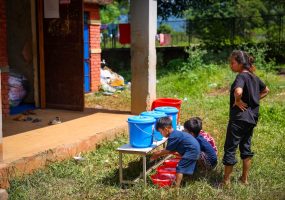
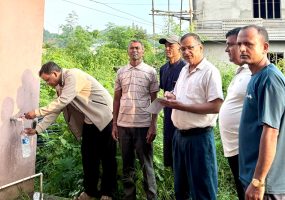
The audit employed a methodology comprising field visits, focus group discussions, and key informant interviews, and covered NEWAH’s drinking water supply projects in Pyuthan district.
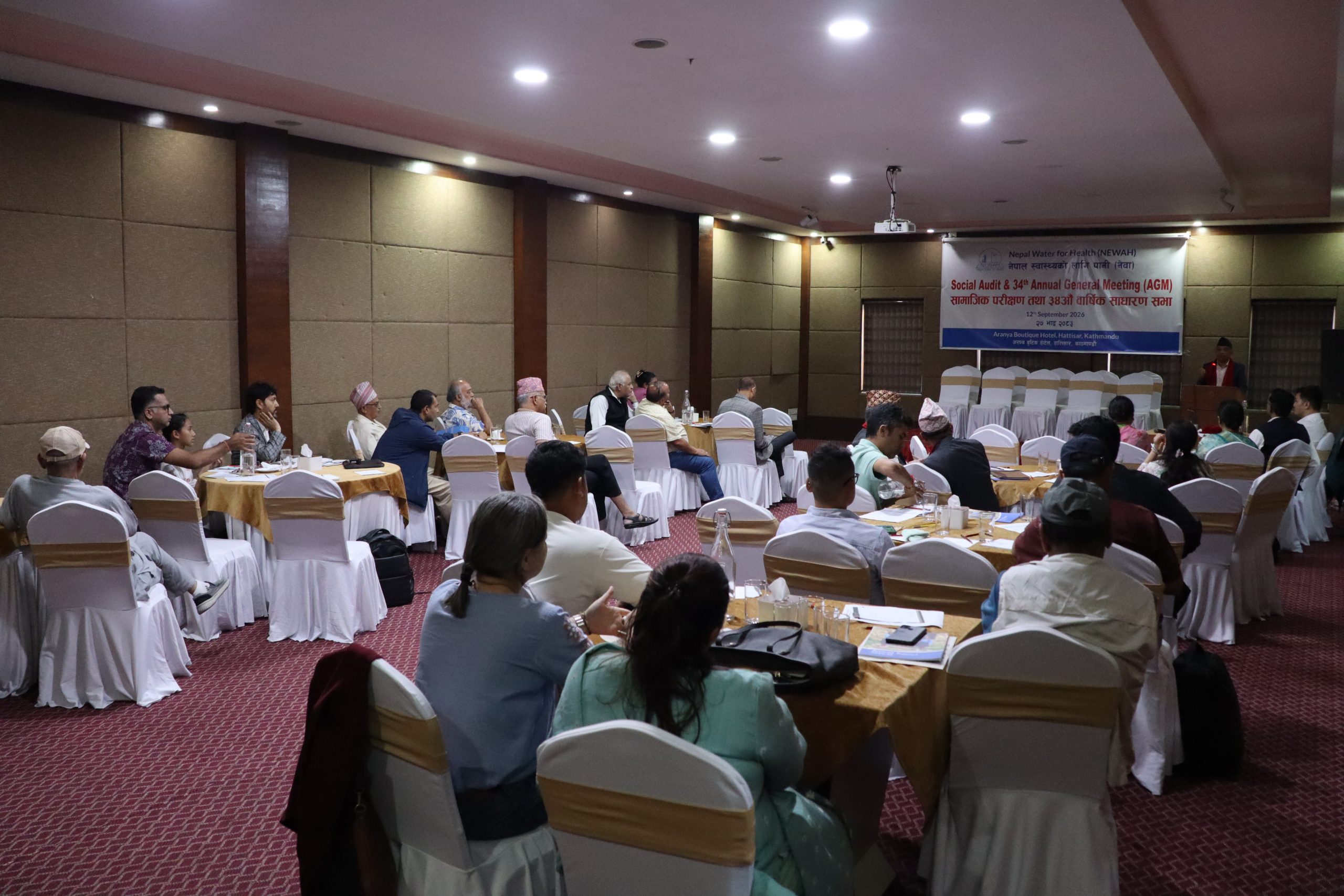
According to the report, beneficiaries expressed satisfaction with the results of the projects. Voluntary community participation was observed, with women’s participation particularly prominent. The audit noted that transparency and accountability have strengthened good governance within NEWAH’s operations.
However, the report also identified challenges. Achieving total sanitation remained difficult as programs were primarily focused on drinking water supply.
Repairs were found to be inconvenient, especially for households in poor financial condition. Dr. Karki pointed out that the tripartite relationship between local levels, NEWAH, and Water and Sanitation Users Committees (WSUCs) should be better utilized to encourage community participation for meaningful engagement in project activities.
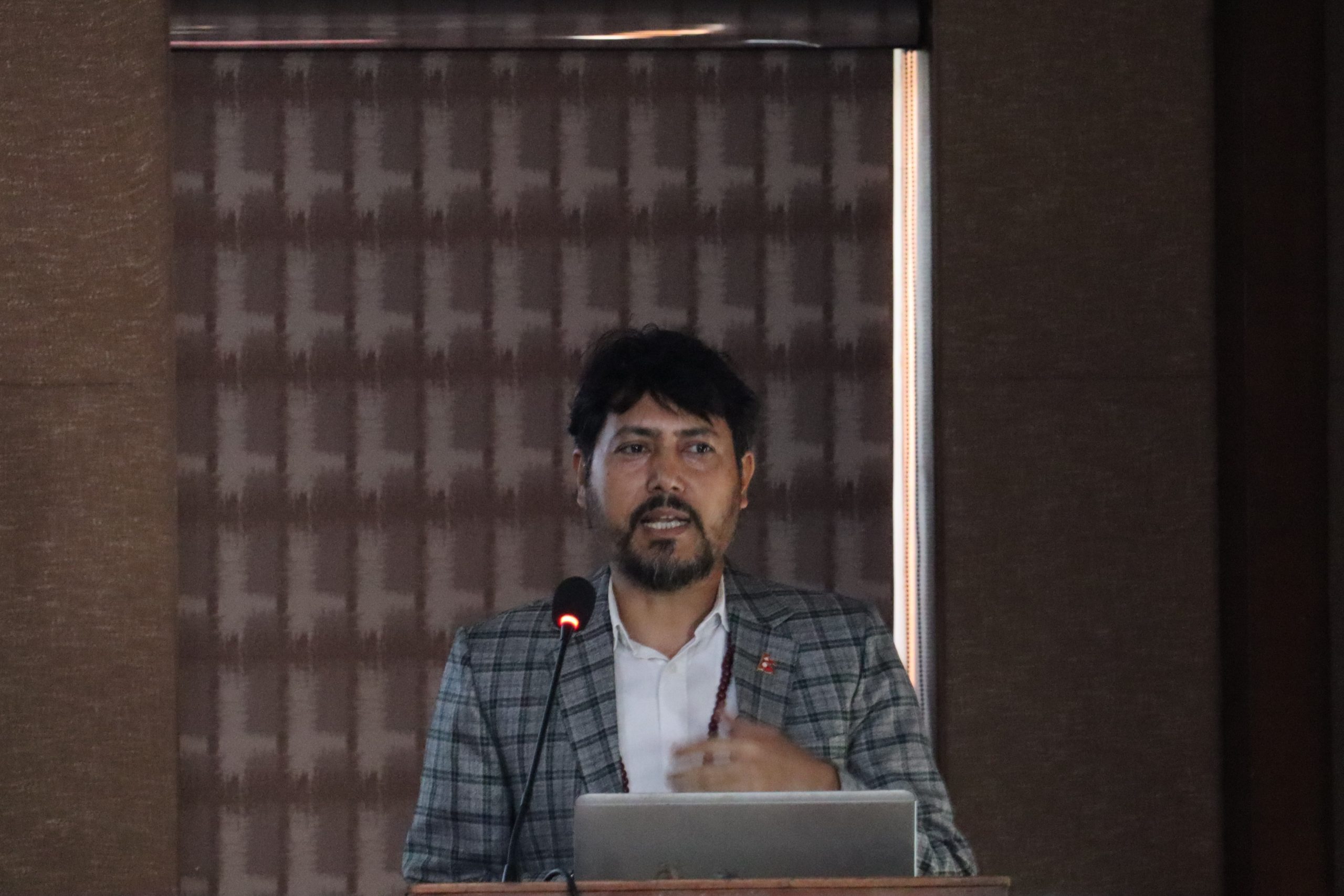
The audit recommended scaling up proven modalities such as the Local Government-NEWAH-WSUC partnership, strengthening governance practices, and enhancing community participation and inclusion to develop climate-resilient WASH services.
NEWAH’s CEO Dr. Maheshwar Prasad Yadav commenced the program with an overview of NEWAH’s history and its contribution, stating that 2,847 total WASH projects have been completed under NEWAH till July 2026, benefitting 359, 310 households.
He also highlighted the significant participation of women in its activities over the years.
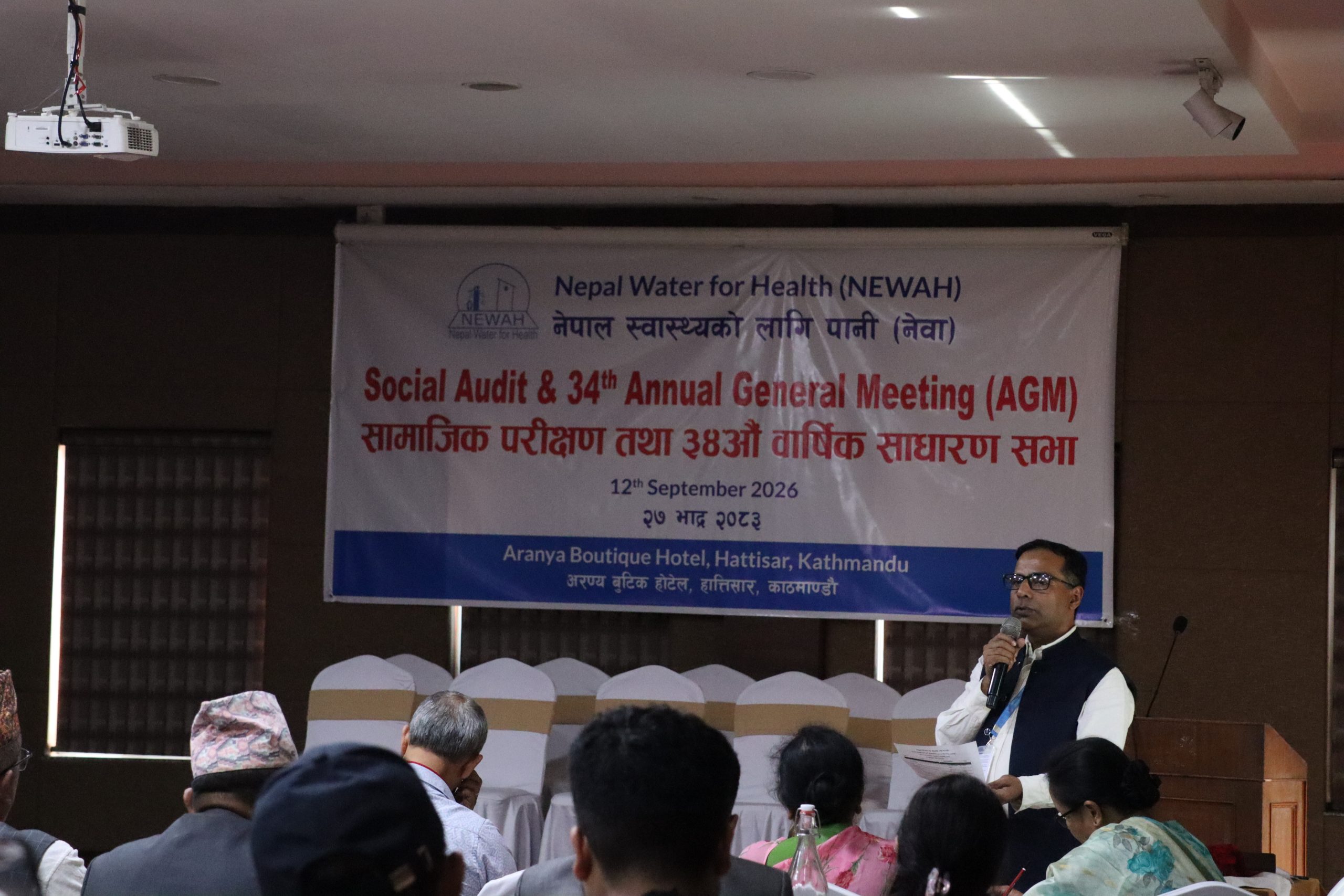
Representatives from WSUCs thanked NEWAH for making reliable water supply possible in their communities. They also pointed out problems encountered during project execution, including difficulties in mobilizing voluntary physical labour due to the declining number of youths as a result of migration and foreign employment.
They suggested making changes to community physical labour contributions when running similar projects in other areas.
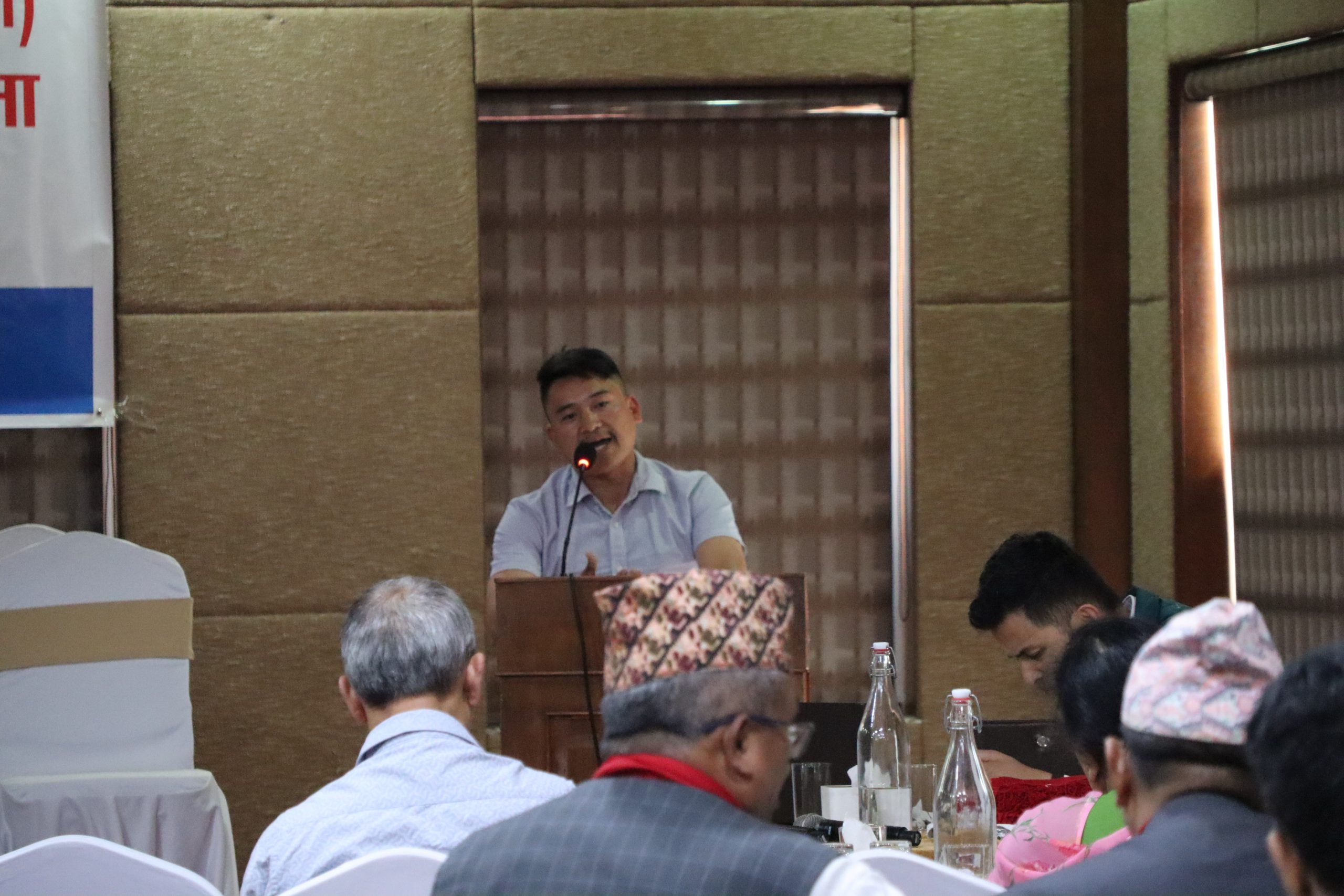
Dr. Rajit Ojha, Senior Divisional Engineer at DWSSM, praised NEWAH’s quality assurance practices and emphasized the need to strengthen systems to sustain projects over the long term.
He suggested that NEWAH present failure stories alongside successes in its reports, and recommended diversifying reports to show the contribution of WASH interventions in other sectors such as nutrition, health, and employment, such that they could help expand funding sources for WASH projects. He also stressed that NEWAH and the federal government should work together.
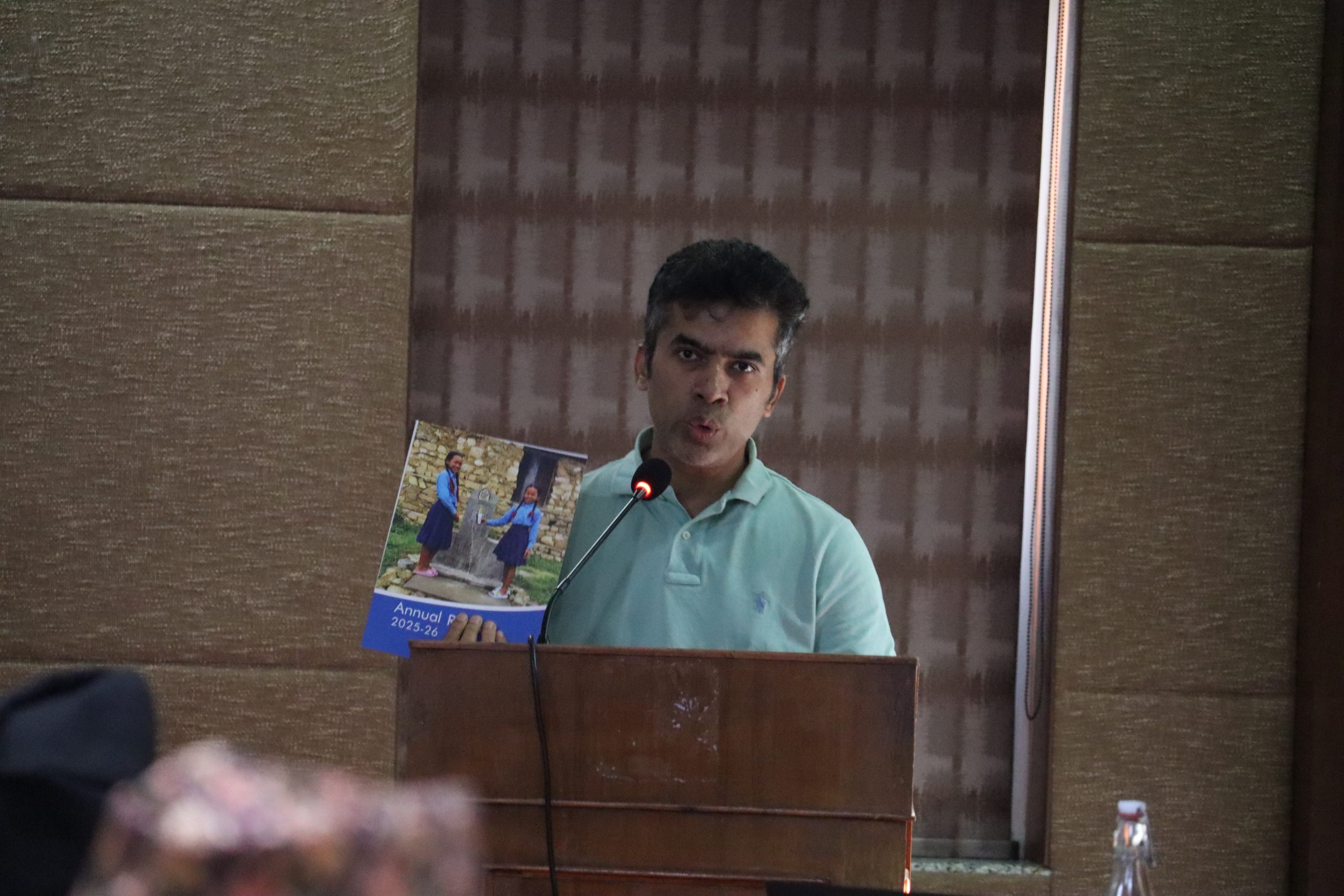
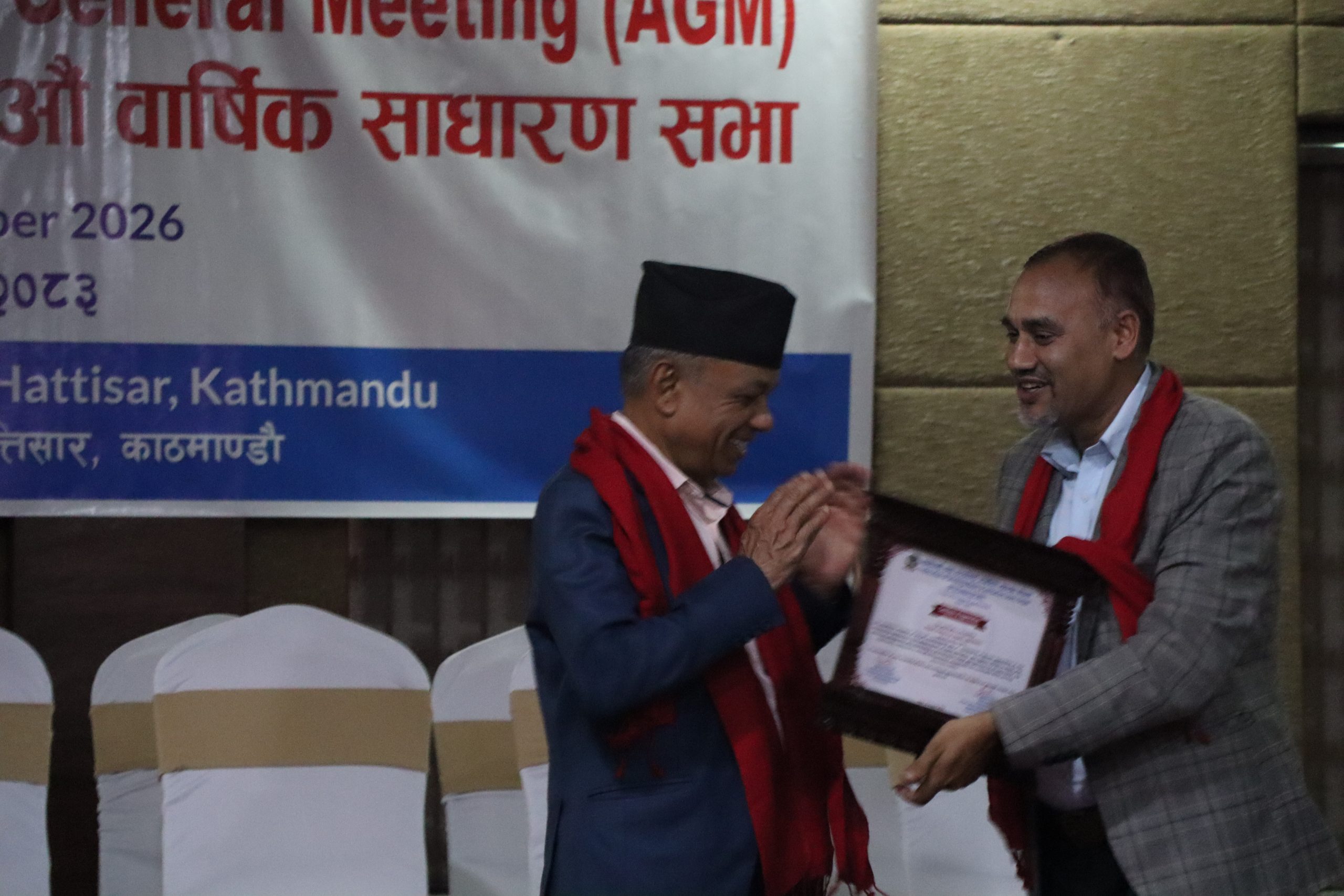
FEDWASUN Chairperson Rajendra Aryal praised NEWAH’s contributions, stating that FEDWASUN came into existence because NEWAH existed. He presented a certificate of appreciation to NEWAH in recognition of its work.
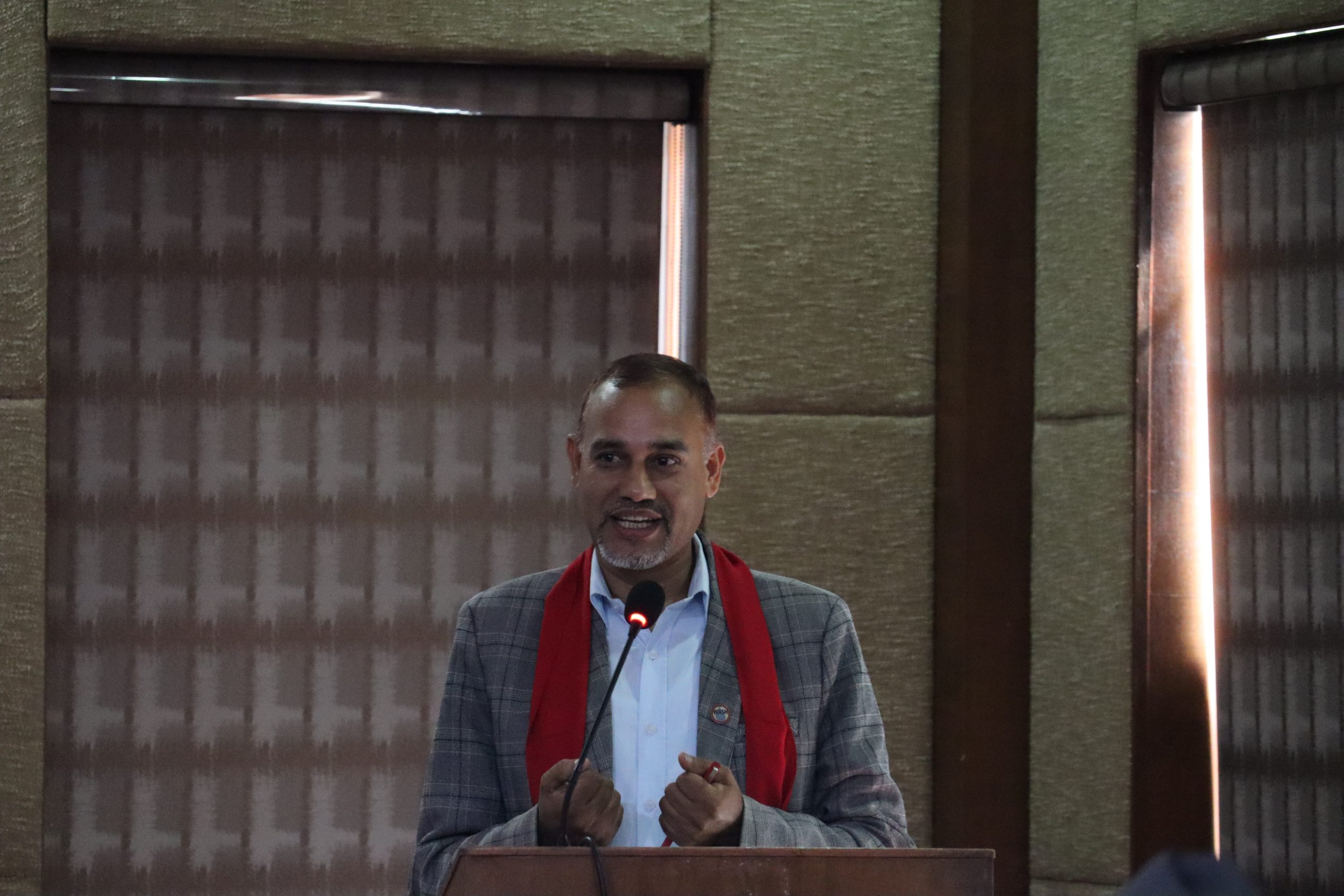
In his closing remarks, NEWAH Chairperson Madan Kumar Sharma spoke about the importance of social audits, thanked all stakeholders, WSUCs, and government representatives, and reaffirmed NEWAH’s commitment to its mission.
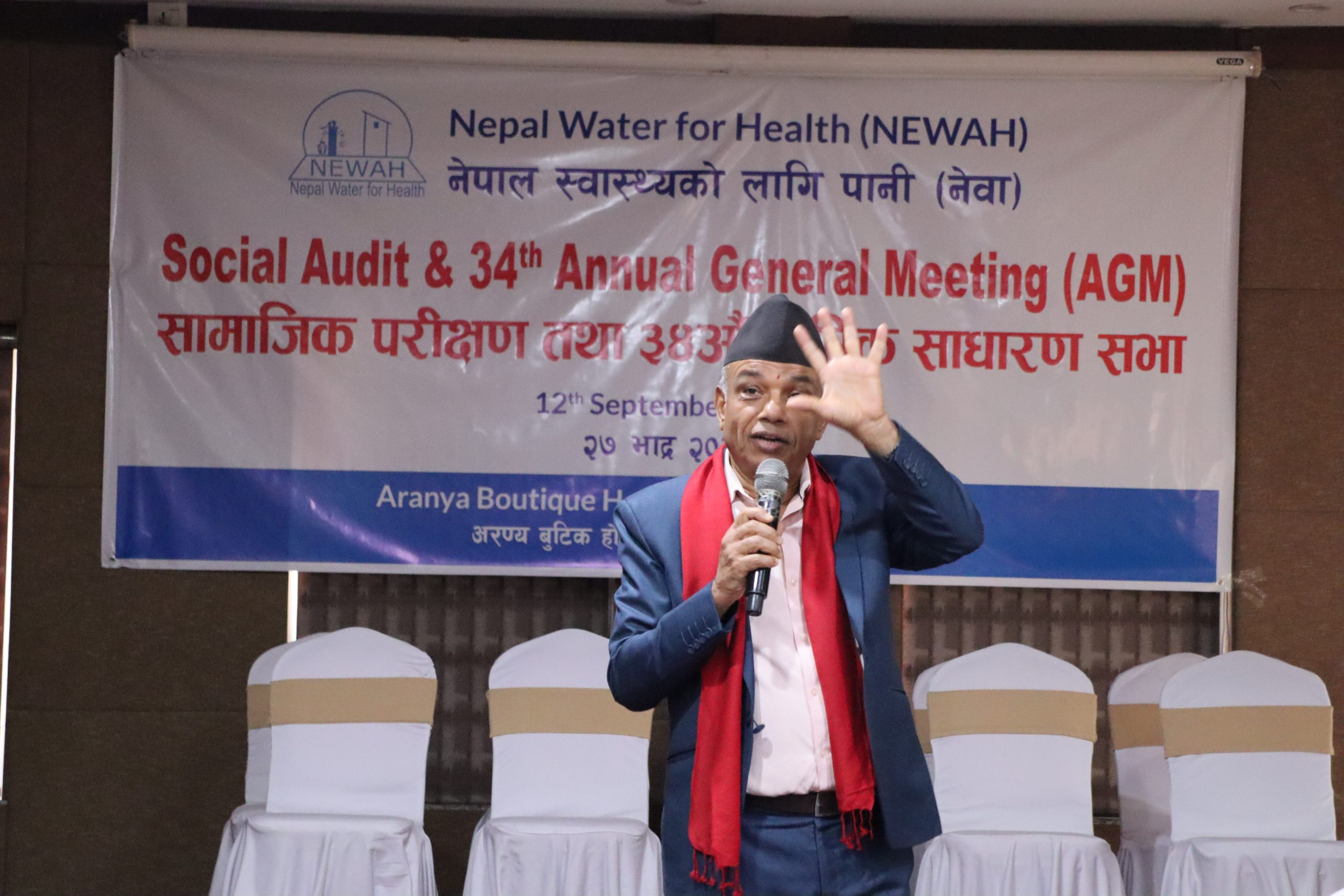
The Social Audit sharing program was followed by NEWAH’s 34th Annual General Meeting.
Photos: Suman Tamang/WASH Khabar