71 पटक हेरिएको
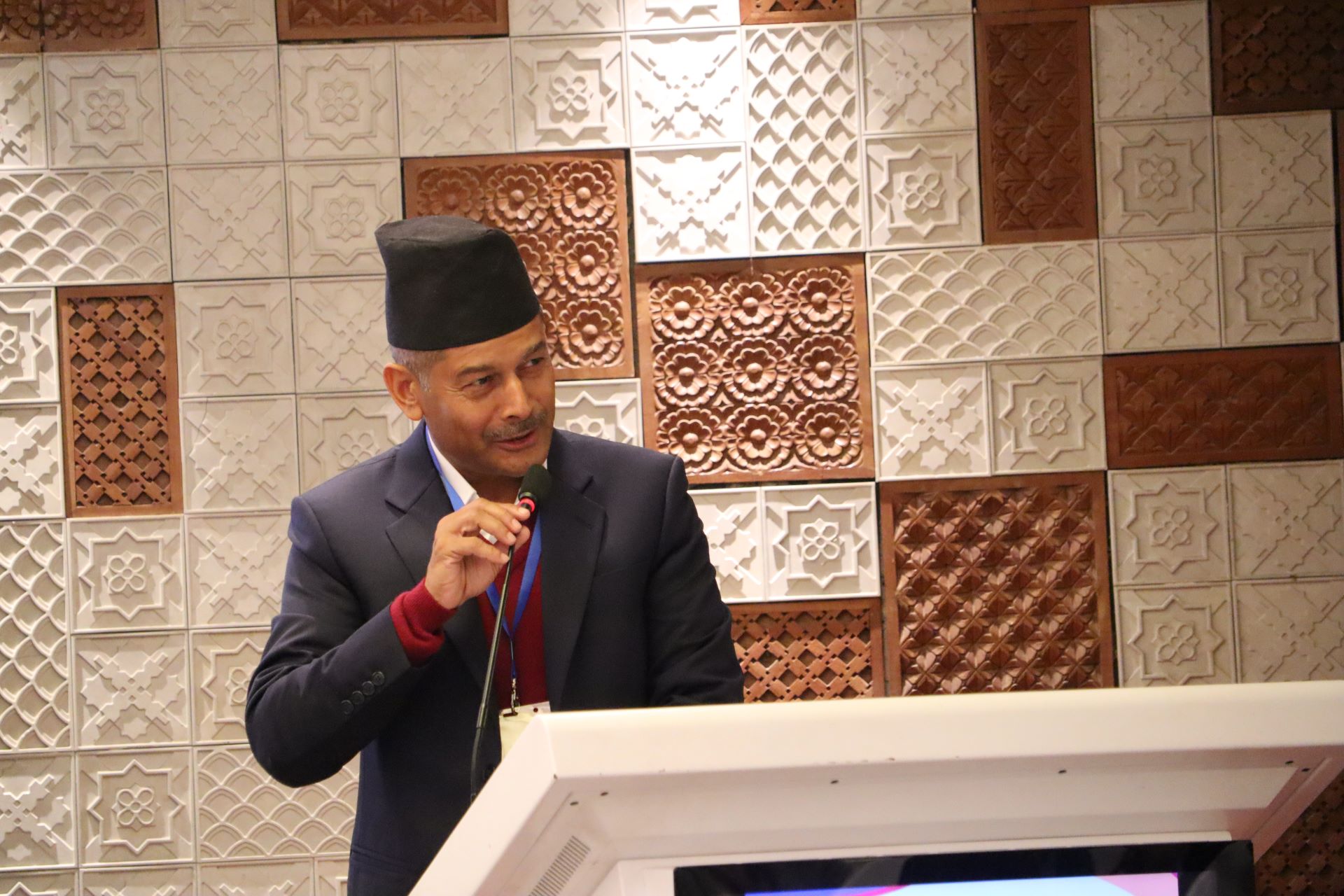
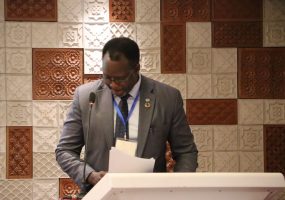
Kathmandu: Wastewater treatment and waste management facilities built with substantial investments in Birgunj remain non-operational. Meanwhile, wastewater and faecal sludge discharged from hotels and settlements along the Trishuli River are polluting the river. Citing these two examples, Member of the House of Representatives Bodh Narayan Shrestha has said that Nepal’s urban sanitation challenges are not limited to inadequate infrastructure but are also linked to planning, institutional management and implementation.
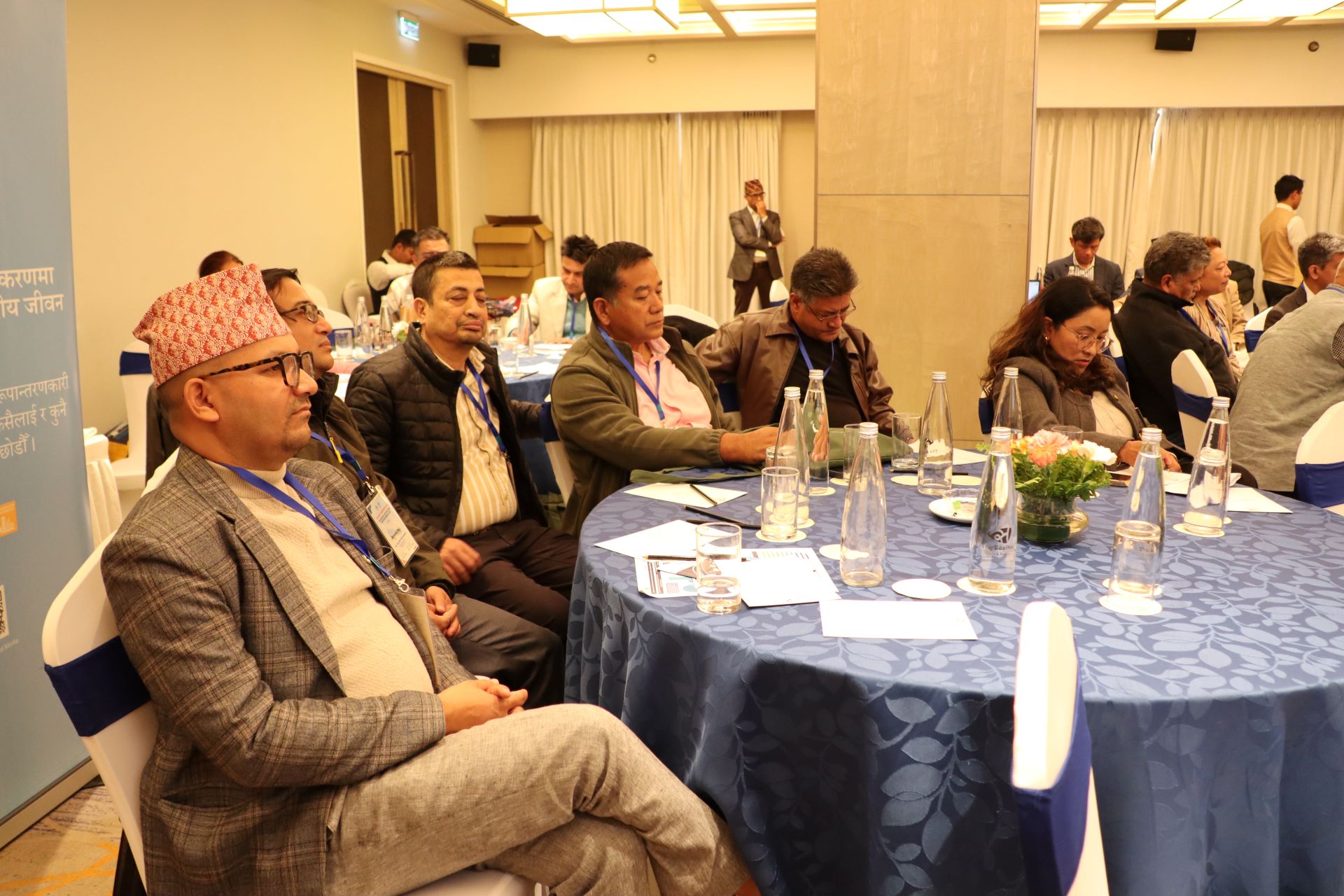
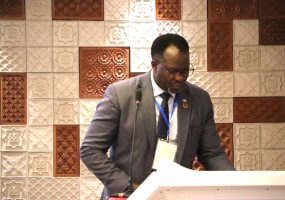
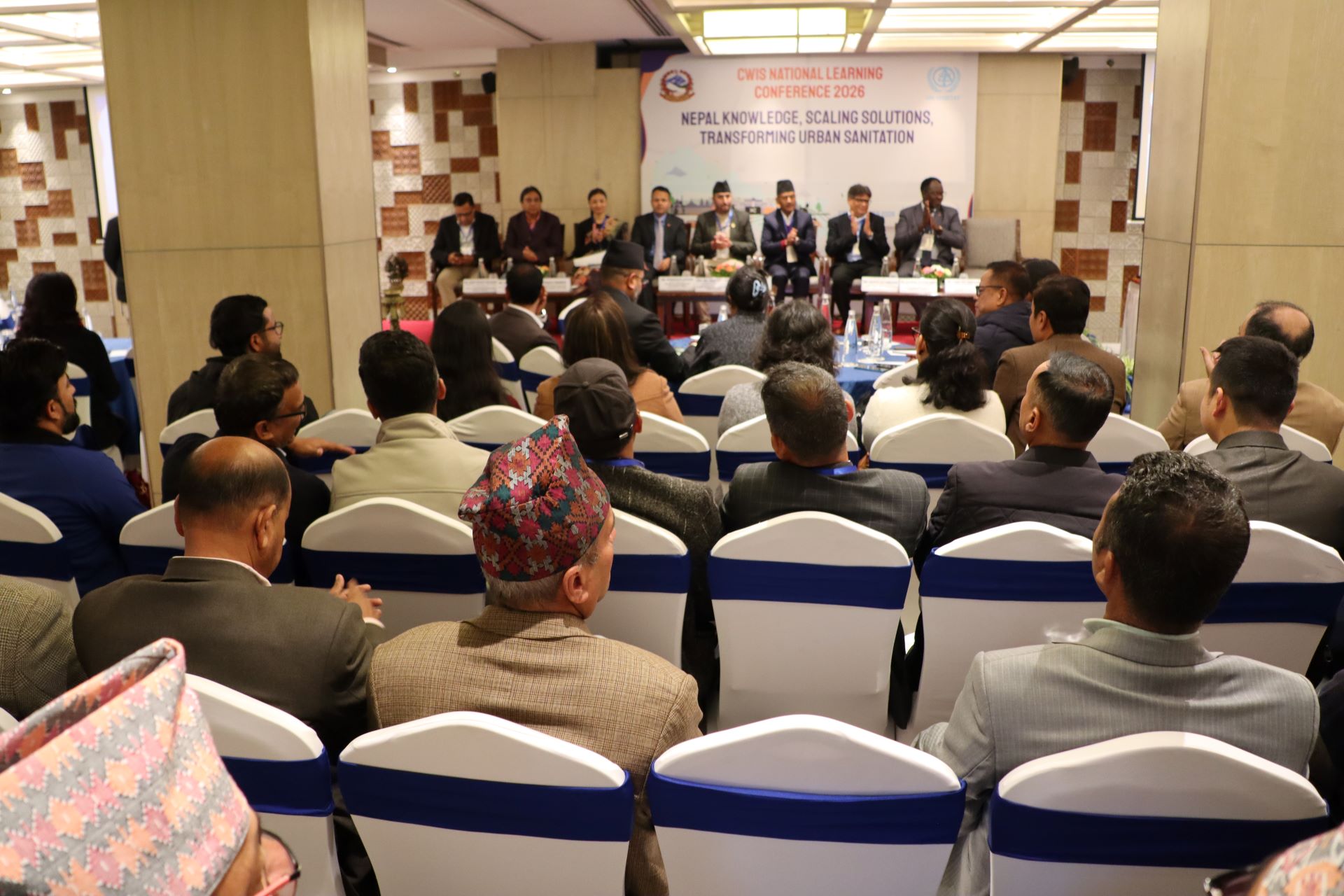
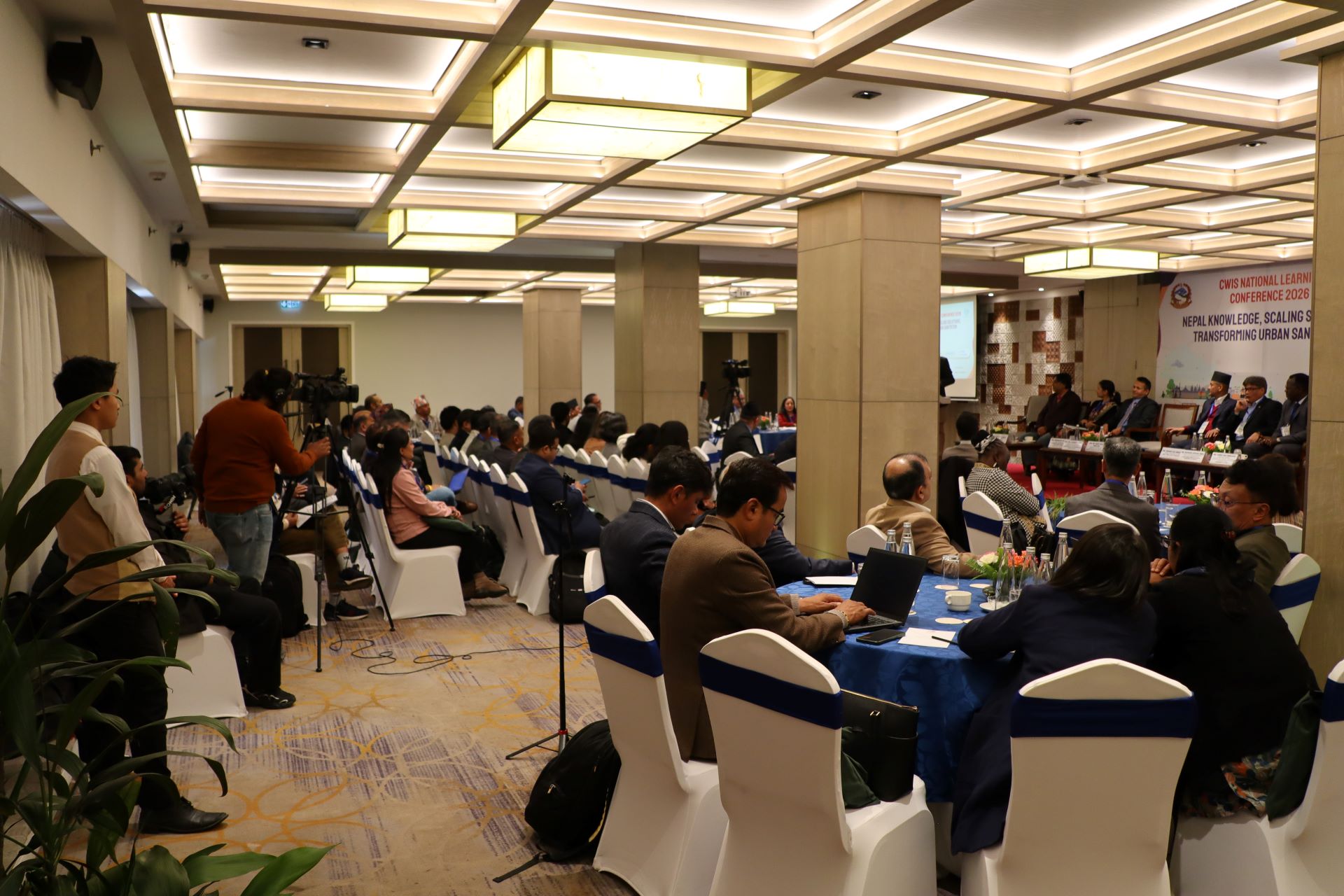
Speaking at the Citywide Inclusive Sanitation (CWIS) National Learning Conference 2026 in Kathmandu, MP Shrestha said that despite substantial investments in the sanitation sector, the inability to operate the infrastructure that has been constructed remains a serious challenge.
At the conference, organised by UN-Habitat in collaboration with CWIS Alliance Nepal, FSM Network and NFSSM Alliance, with financial support from the Gates Foundation, he cited the example of Birgunj, where a wastewater treatment plant constructed with a substantial investment has remained non-operational due to a mismatch between the wastewater flow level and the elevation of the treatment plant structure. He also pointed out that a large waste management facility built in Birgunj remains unused.
He said that the facility, which was designed to manage waste brought in from neighbouring cities as well, remaining non-operational raises serious questions about public investment and project management.
MP Shrestha also highlighted the equally serious challenges of faecal sludge and wastewater management in hotels and semi-urban settlements along the Trishuli River. He said that although hotels have constructed small septic tanks, there is no system for the safe management of faecal sludge once these tanks become full. As a result, the sludge eventually finds its way into the Trishuli River.
He noted that the Trishuli River, once known for its clean, blue waters, is now becoming increasingly polluted due to the discharge of sewage and other contaminants. Pointing out that river pollution is also negatively affecting rafting businesses, he said that sanitation is not merely an environmental and public health issue but is also closely linked to tourism and the economy.
Similarly, he drew attention to the problem of faecal sludge leakage from toilets during floods and inundation in the Terai region, which leads to environmental contamination. As such risks increase after floods, he stressed the need to construct and manage sanitation facilities according to local geographical conditions and risk factors.
MP Shrestha said that institutional responsibilities must be clearly defined and budget allocations for sanitation must be made mandatory to ensure effective management of the sector. He noted that ambiguity in the division of responsibilities among federal, provincial and local government agencies in water supply and sanitation service delivery has created confusion.
Pointing out that sanitation budgets at the local level are often allocated based on the priorities of individual local leaders, he stressed the need for dedicated and clearly defined budgets for the sector at all levels of government, from the federal to the local level. He said that sanitation continues to receive low priority and that adequate planning and investment in urban sanitation remain lacking.
He also emphasised the need to ensure skilled and certified human resources, promote the use of modern technologies and increase private sector participation in the sanitation sector. He noted the potential for developing and operating advanced public toilets at high-traffic locations, such as public bus parks, through private sector participation and the use of modern technologies, including artificial intelligence (AI).
Stating that they were committed to taking necessary decisions at the political and policy levels to improve sanitation services, he stressed the importance of starting with a few programmes, completing them successfully and establishing models that others could replicate, rather than announcing numerous programmes.
“Let us start small, but complete what we begin and establish demonstrable examples that others can also replicate,” he said.
The Scaling of Citywide Inclusive Sanitation Service Systems Programme is being implemented in seven municipalities across Nepal in coordination with WaterAid Nepal, the Municipal Association of Nepal, the Ministry of Water Supply, and the Department of Water Supply and Sewerage Management, with financial support from the Gates Foundation.
In the participating municipalities, the programme has supported the development of municipal-level legal instruments for faecal sludge management, as well as the collection and strengthening of faecal sludge management data and its updating in the NWASH system.
Similarly, various training programmes have been conducted to strengthen municipal capacities in citywide inclusive sanitation. Technical assistance has also been provided, including support for developing institutional frameworks.
UN-Habitat serves as the implementing agency of the Scaling of Citywide Inclusive Sanitation Service Systems Programme.