1601 पटक हेरिएको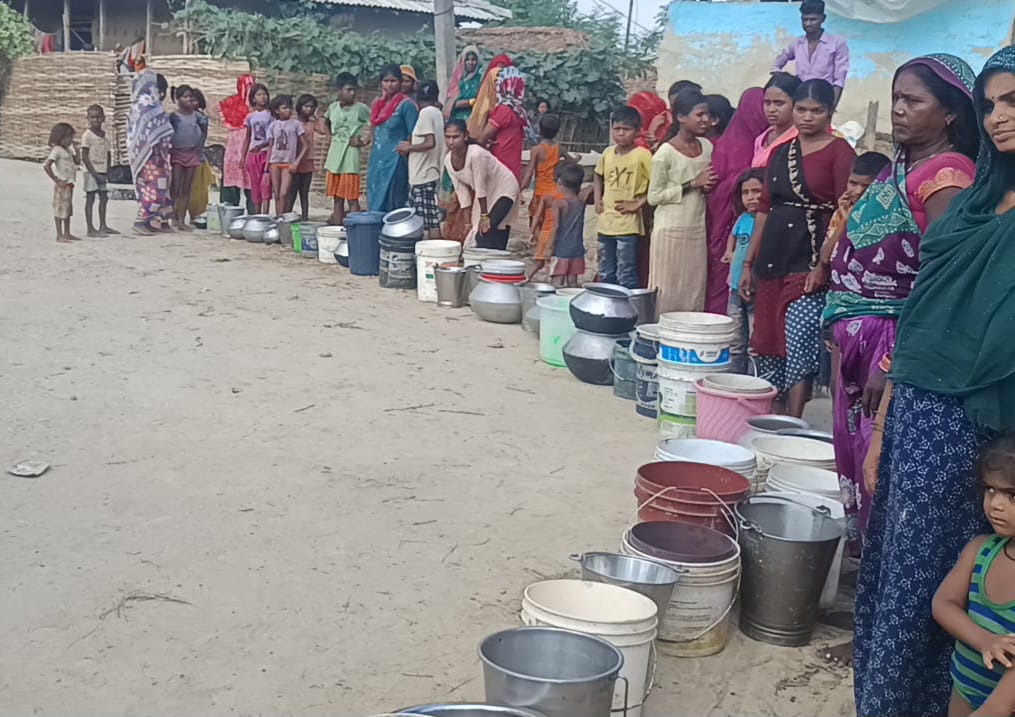
Sarlahi: Due to prolonged drought in the Terai-Madhesh region, residents of Malangwa, the district headquarters of Sarlahi, and Bramhapuri Rural Municipality faced severe drinking water shortages, leaving them desperate for water. As the underground water level dropped and handpumps stopped functioning, locals were unable to access enough water even to wet their mouths.
However, residents of Haripur Municipality, which is adjacent to Bramhapuri Rural Municipality and Malangwa Municipality, did not face any drinking water issues. Although the lack of irrigation prevented them from planting paddy during the main season, locals report that the drought had no noticeable impact on drinking water.
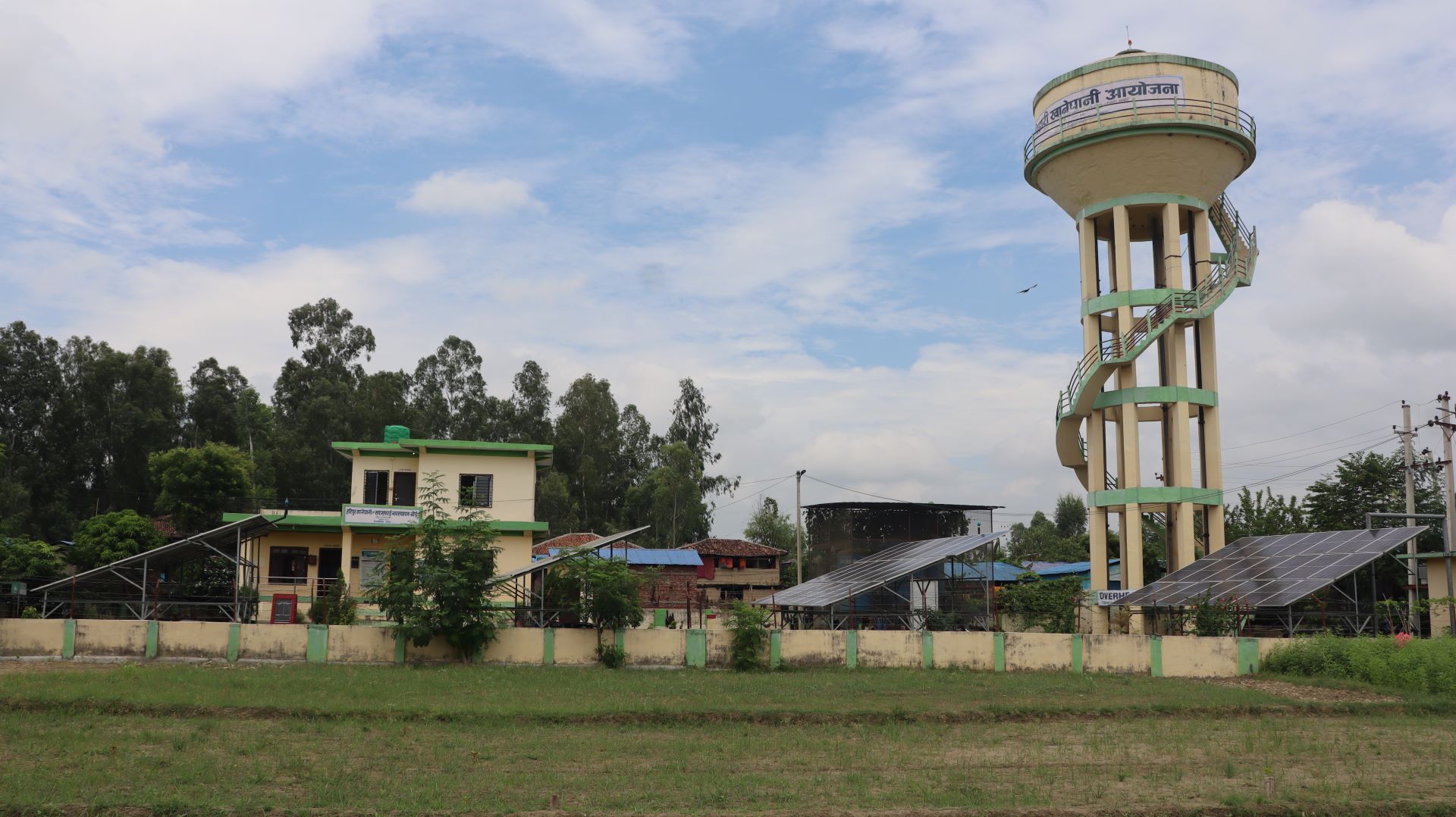
Even in Haripur Municipality, the effects of the drought were not entirely absent; handpumps there also dried up for extended periods. Yet, the Haripur Drinking Water and Sanitation Management Board, established in the municipality, ensured regular water supply, so residents did not feel the impact of the drought.
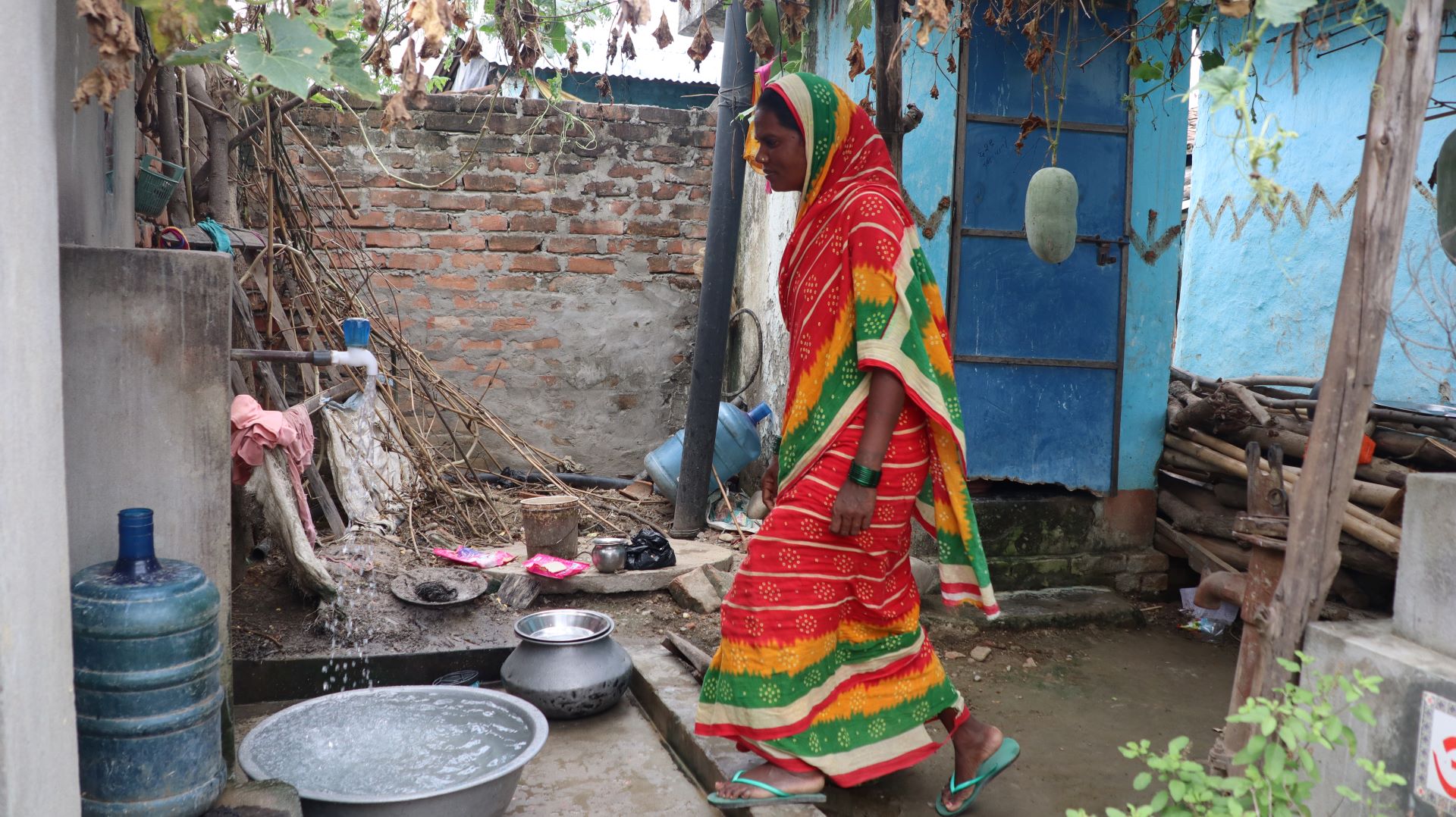
Aasha Kumari Majhi, a resident of Haripur-9, stated, “We have never experienced a shortage of water here. When we turn on the tap, water comes, and our family’s daily needs are easily met.” She added, “We have heard many news reports about water shortages, but we have never faced such scarcity because we stopped relying on handpumps long ago and now use water supplied through the piped system.”
Distribution Even to Neighboring Municipalities
The Haripur Drinking Water and Sanitation Management Board not only ensured that its consumers had no water shortages but also helped neighboring municipalities facing water scarcity by supplying them with water.
Manish Kumar Bhujel, the board’s manager, said, “We have integrated the system to ensure continuous supply, not just for our consumers but also during emergencies such as drought. We have distributed safe drinking water to various settlements in neighboring municipalities through water tankers upon request.”
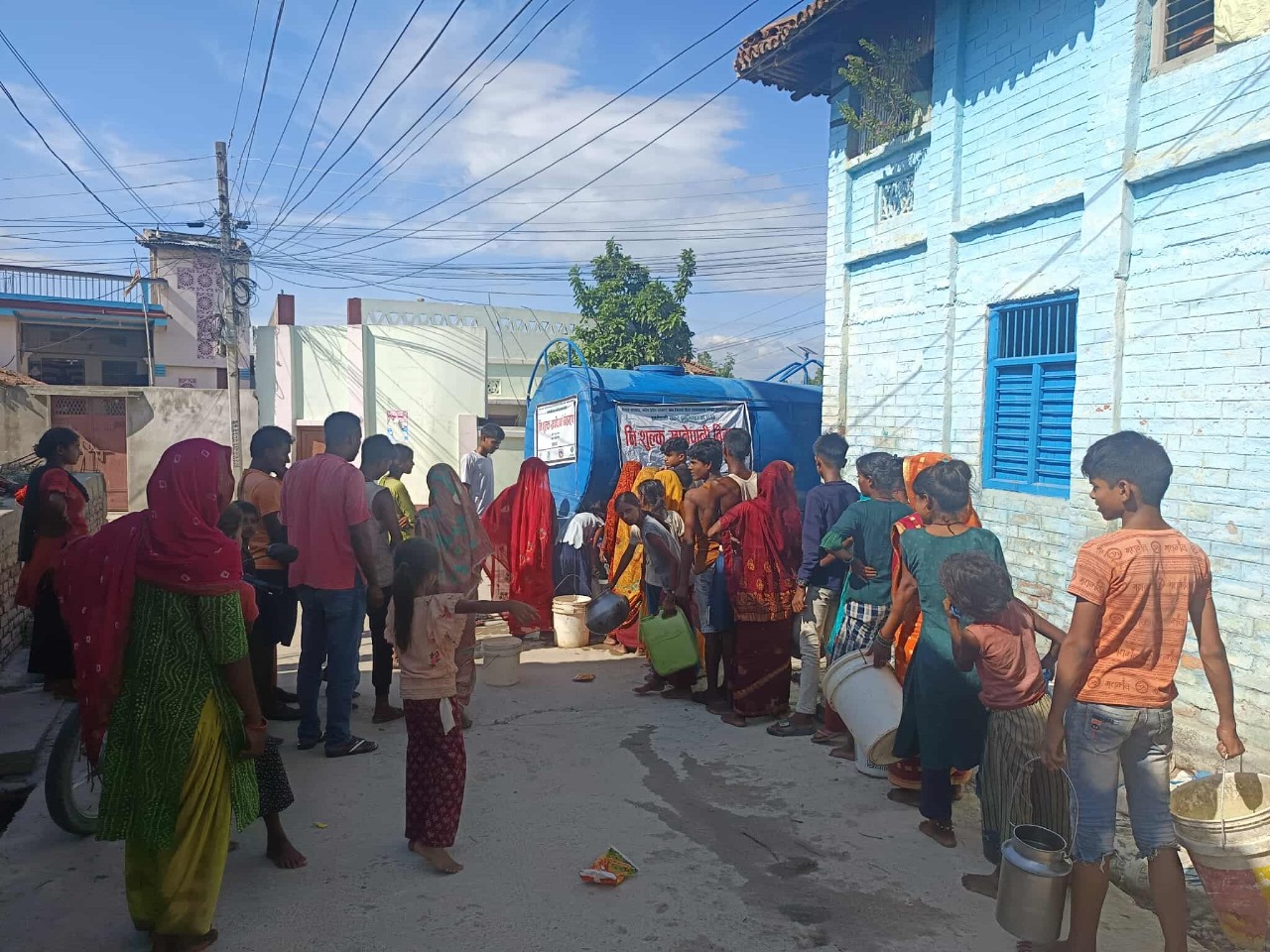
According to him, between 9th Shrawan and 1st Bhadra, the board supplied approximately 250,000 liters of safe drinking water to neighboring municipalities in addition to their own consumers. “We provided water to Mahadev Tole, Muslim Tole, and Padariya in Bramhapuri Rural Municipality and to Beli, Hulak Tole, Paswan Tole in Malangwa Municipality, and Laxmipur in Kaudena Municipality,” he said.
Hari Bahadur Thapa, Chairperson of the Haripur Drinking Water and Sanitation Management Board, stated that without the board, supplying water during the drought would have been unimaginable. While local consumer committees within the municipality struggled to provide adequate water even to their own consumers, the board successfully distributed water to neighboring municipalities as well.
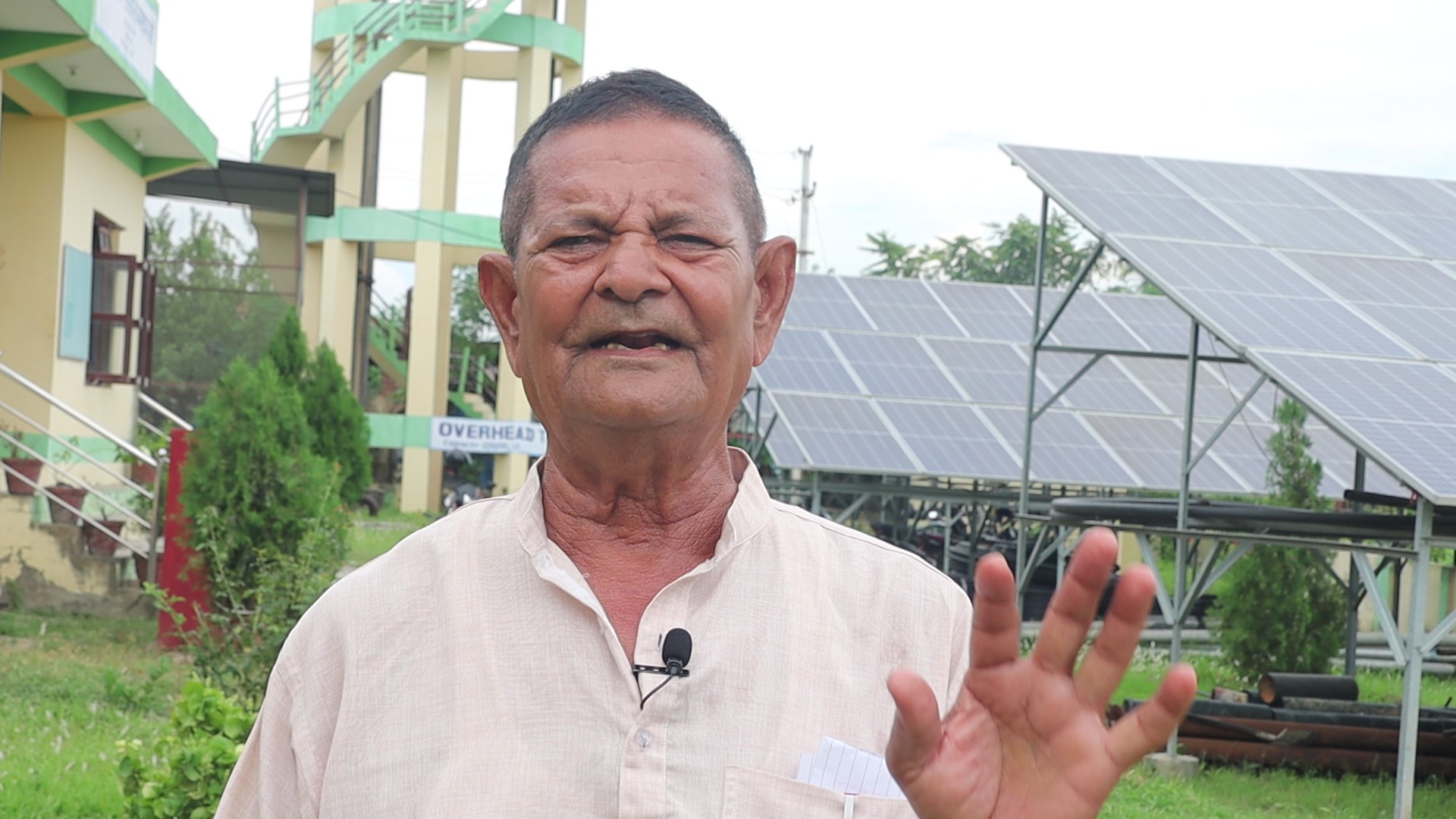
The board was formed in 2079 BS under a project implemented jointly by Oxfam Nepal and Bagmati Sewa Samaj. It unified the Pidari, Sano Jagatpur, and Indrapur Drinking Water and Sanitation Consumer Committees under a single management structure, ensuring regular water supply throughout Haripur Municipality.
Currently, the board supplies water to 1,094 households. The board aims to extend piped water supply to all households within the municipality in the future, according to Chairperson Thapa.
An Excellent Model for Alternative Service Delivery
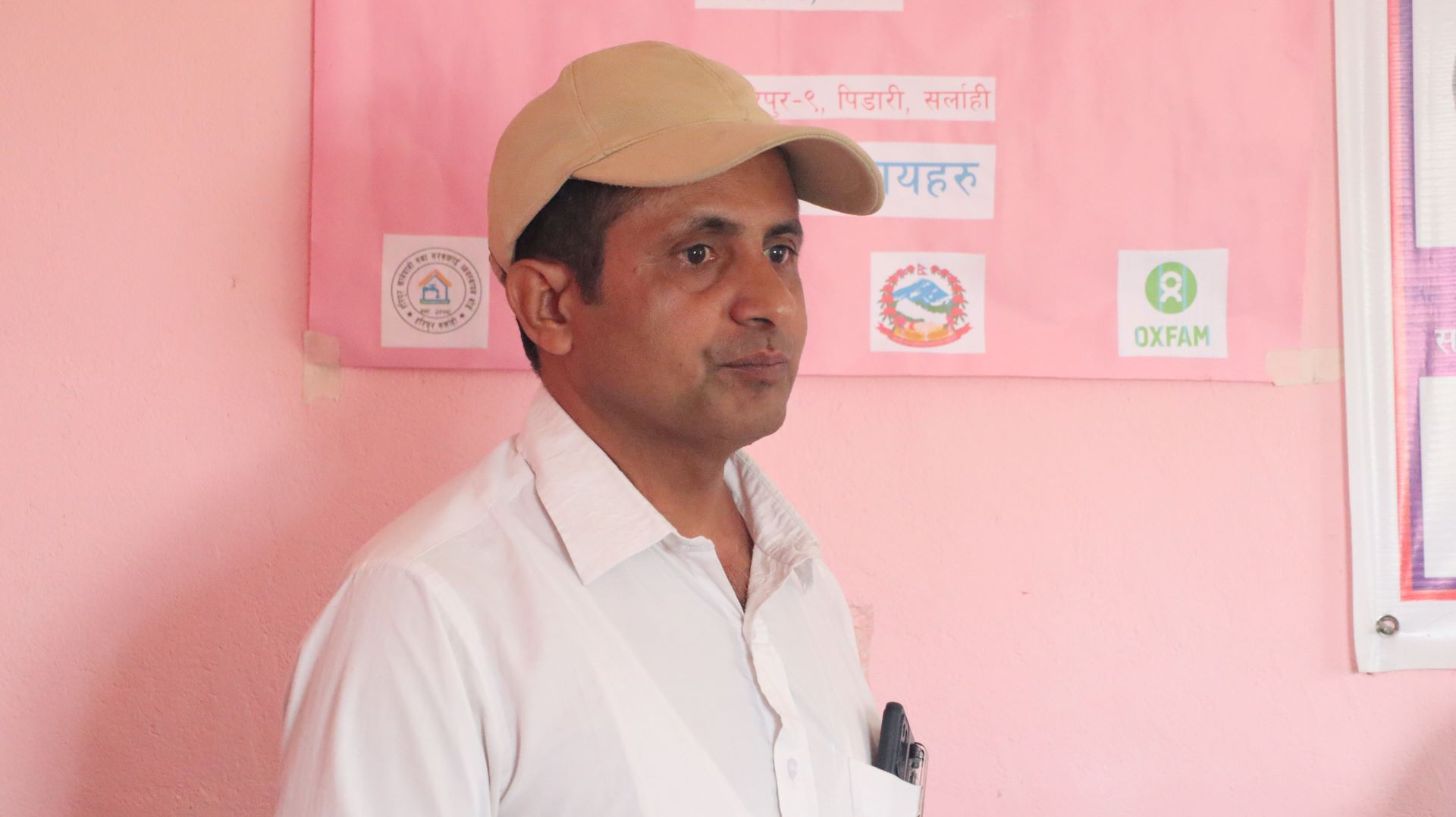
Kishor Chandra Upadhyay, Project Coordinator at Bagmati Sewa Samaj, said that the board’s systematic management process enabled it to ensure service for its consumers while also distributing water elsewhere. According to him, water distribution was organized based on requests from various municipalities and scheduled through tankers according to need.
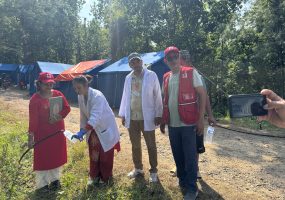
Under the drought response program in partnership with Oxfam, the Haripur Drinking Water Board not only supplied water but also conducted awareness programs on water, sanitation, and hygiene. They also repaired some canals to make them usable for irrigation purposes.
“By providing regular water to its users and supplying water even to areas affected by drought, the Haripur Board has presented an excellent example of alternative service delivery,” said Upadhyay.
The Madhesh Province government had declared the province a drought-affected area on 7th Shrawan 2082 BS. Subsequently, in coordination with the provincial government and the WASH Cluster, Oxfam Nepal and Bagmati Sewa Samaj implemented a drought response program in Sarlahi and Rautahat, according to Oxfam Nepal Technical Coordinator Er. Vijay Thapa.
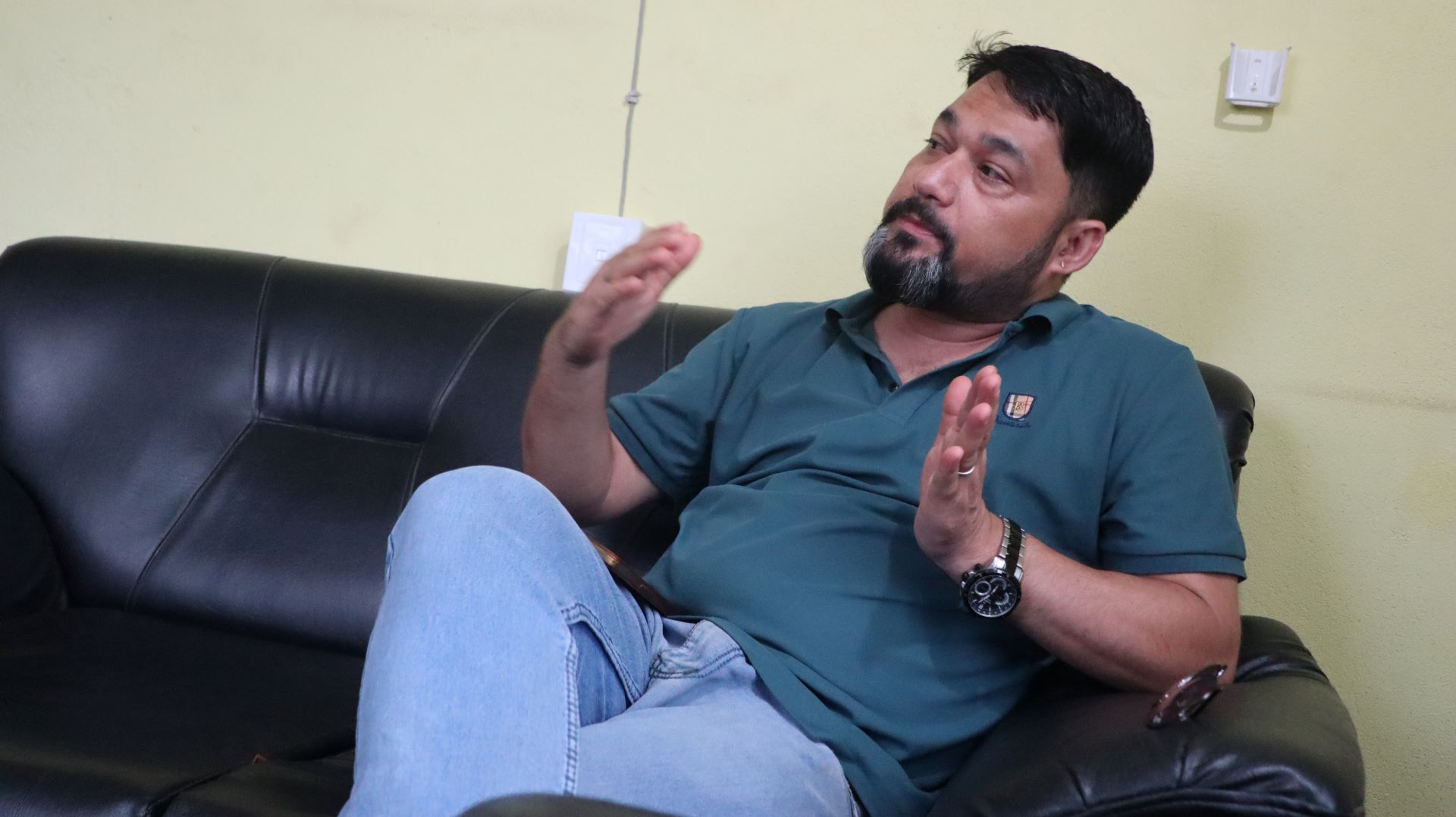
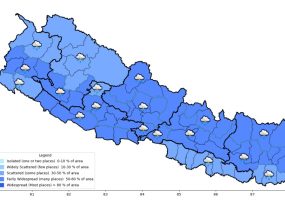
Drought impacts have been severe in Sarlahi, Mahottari, Dhanusha, Siraha, Rautahat, Saptari, Bara, and Parsa, where over 70% of boreholes are nonfunctional, and large water supply infrastructures have not been operational.
Even when drinking water supply was halted in other Terai areas, the Haripur Board continued to provide water to its users, serving as a model for alternative service delivery. This not only provided relief to local residents but also demonstrated how a reliable service provider can ensure continuous water supply during emergencies such as droughts. It has increased citizens’ trust in the local government and given them a tangible sense of governance at their doorstep.
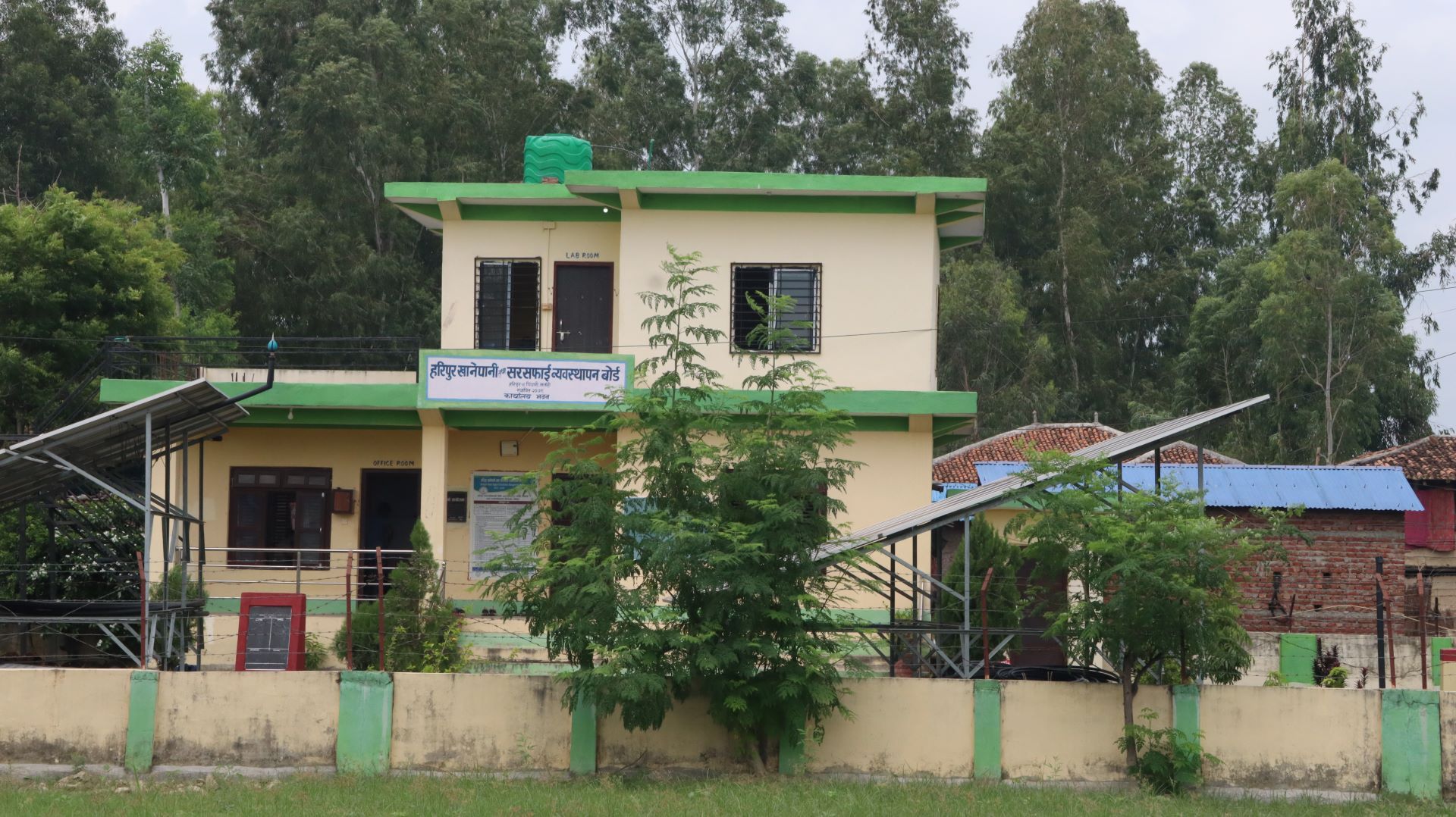
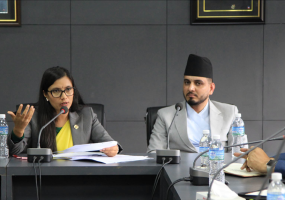
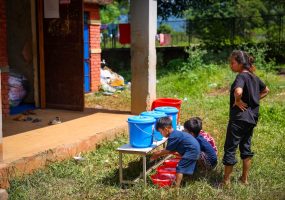
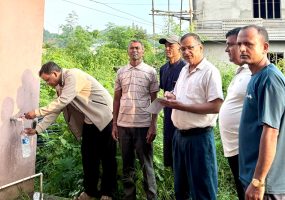
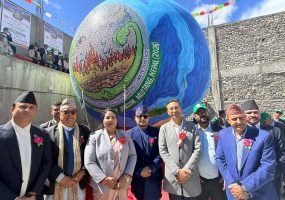
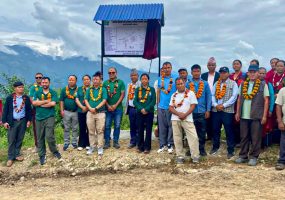
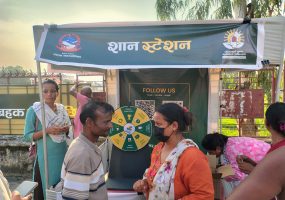
Additional photos of drought response activities.
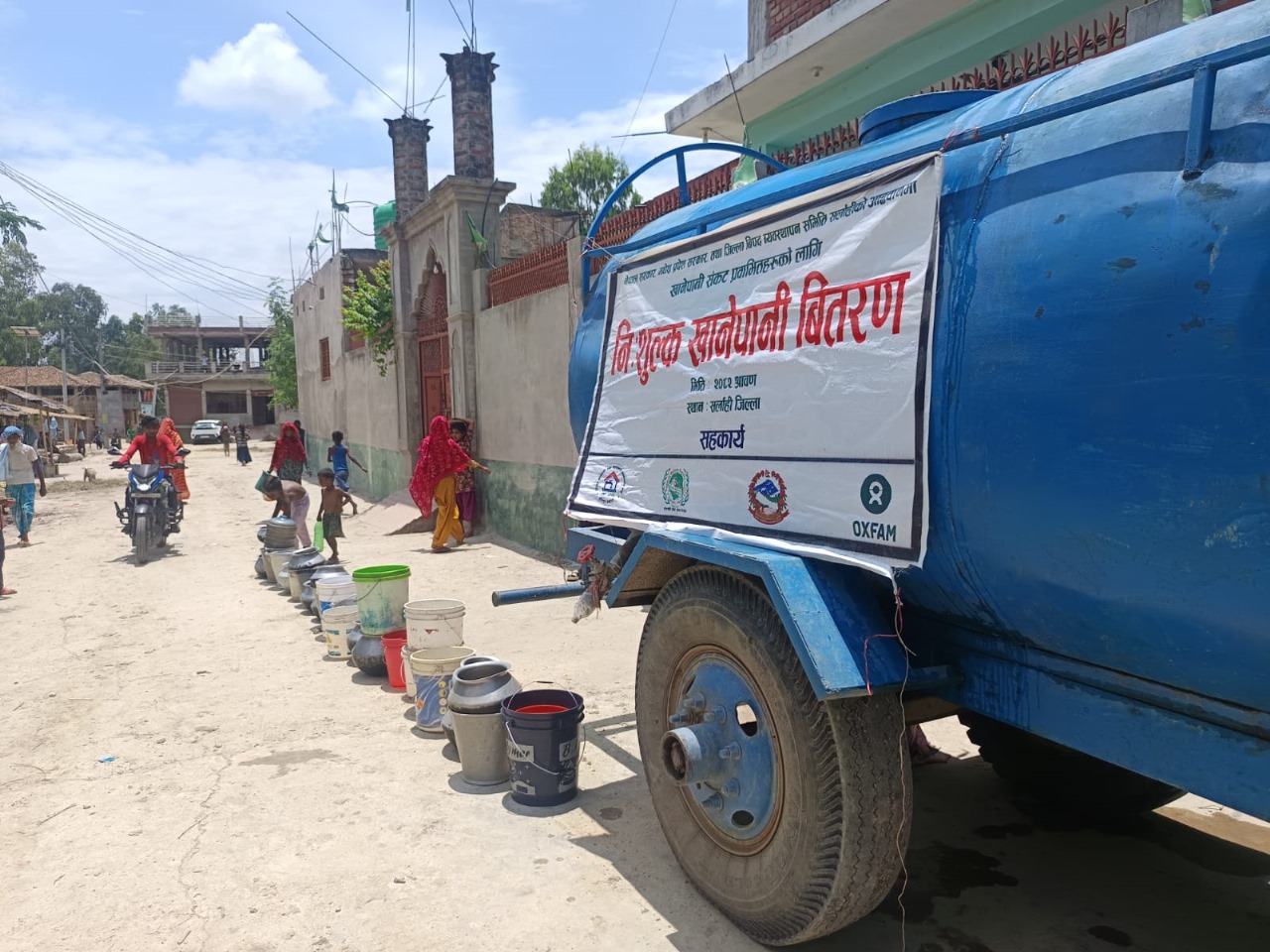
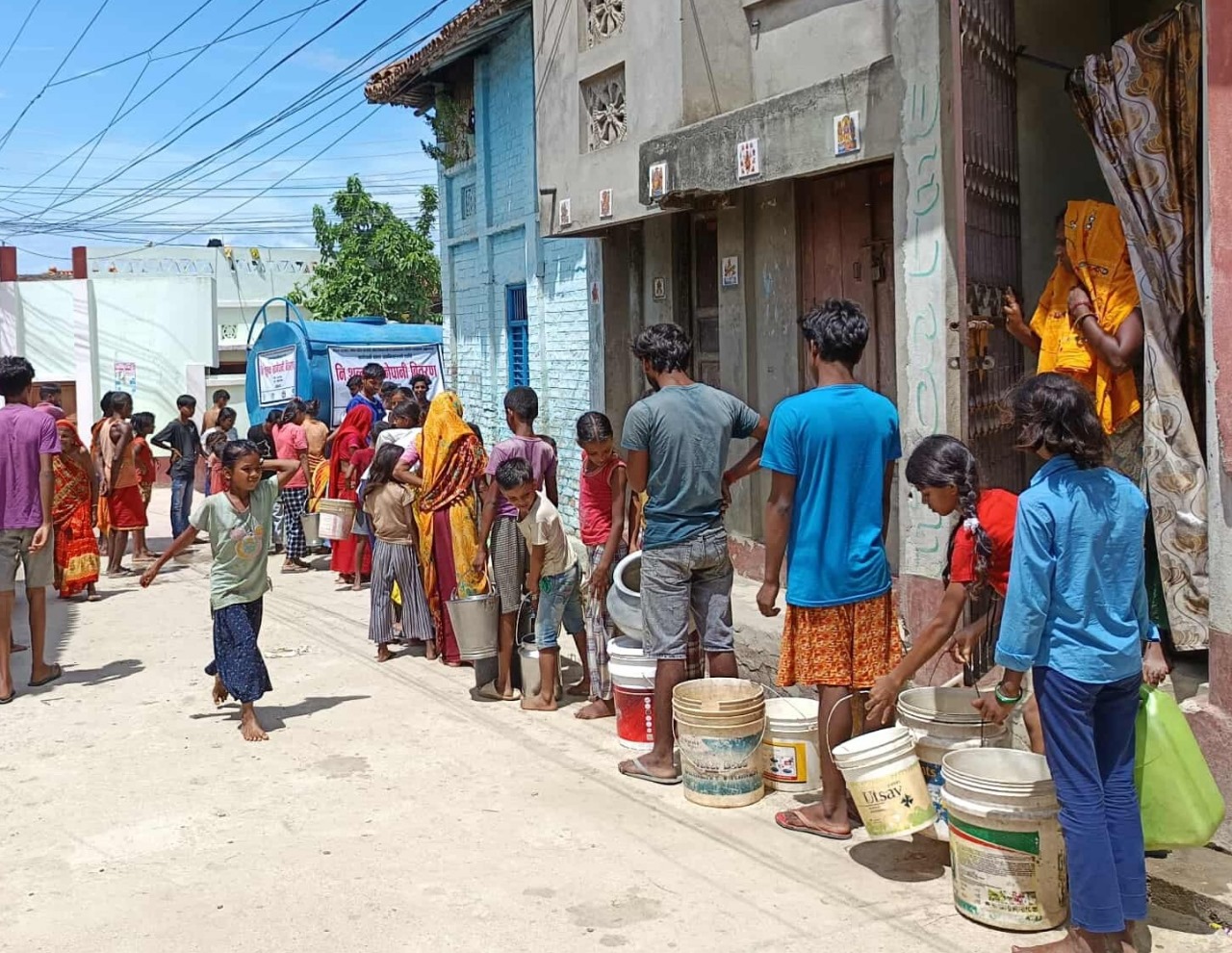
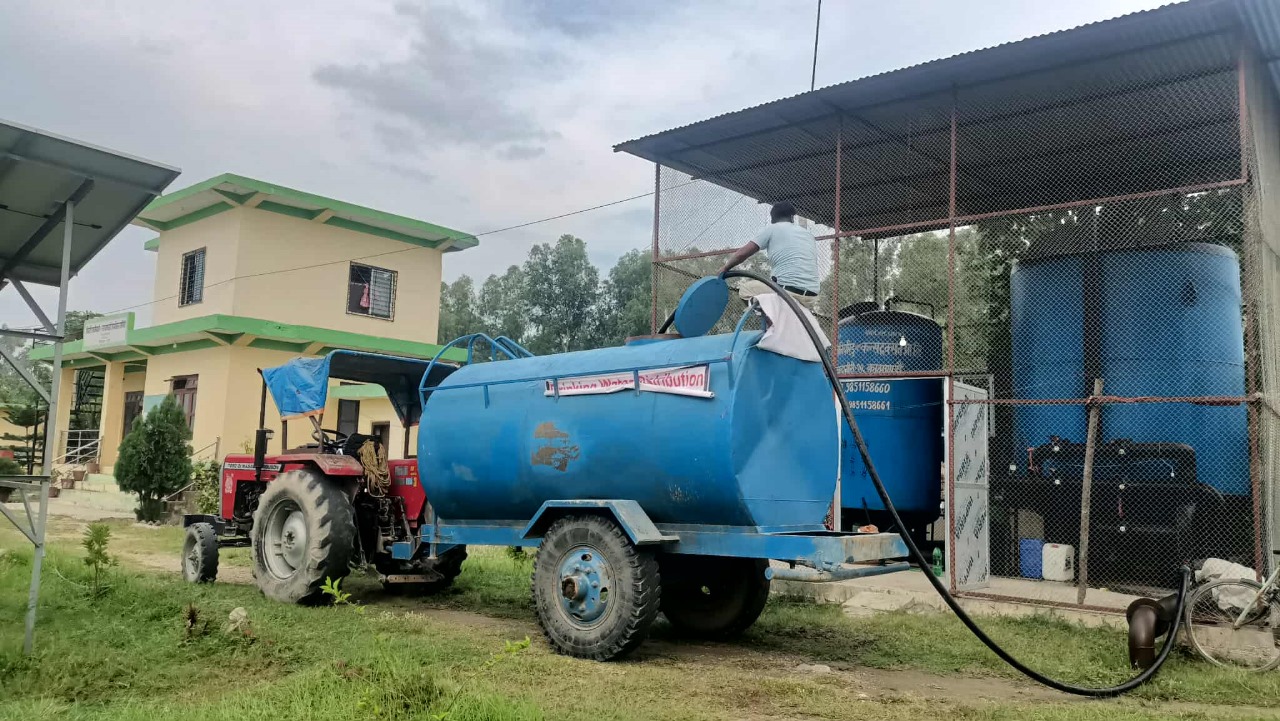
Photos: Kishor Chandra Upadhyaya, Bagmati Welfare Society Nepal (BWSN)