465 पटक हेरिएको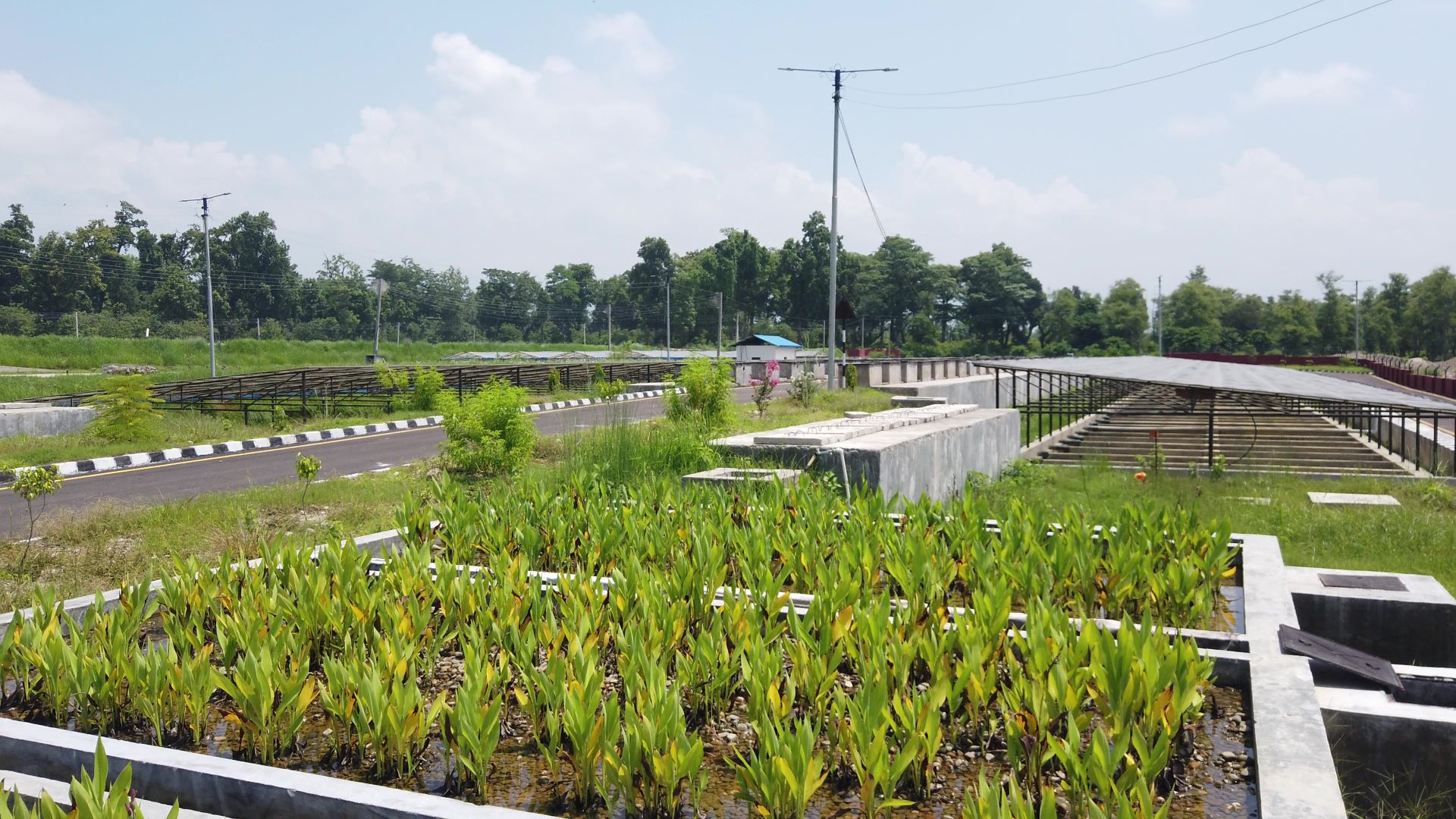
Kathmandu : One day in Hanumandhoka, Kathmandu, tourists were exploring the historic sites. Suddenly, a foul smell spread from an old sewer nearby. A local remarked, “This stench is the reality of our city.It happens quite often.”
That smell in the city was from human waste. We often treat the subject of human excreta with shame or discomfort, but its management is essential for health, the environment, and society.
Human waste management is not just about cleaning up filth – it concerns our health, our environment, and our future.
-
Why is it necessary?
(a) For health security
- • When excreta is left unmanaged, diseases like cholera, typhoid, diarrhea, and hepatitis A spread.
- • According to the World Health Organization (WHO), nearly 500,000 children die every year from diarrhea caused solely by poor sanitation.
(b) For protection of water sources
- • Open drains or open defecation pollute both groundwater and surface water.
- • In many Nepali cities, rivers and streams are directly contaminated with waste, making the water unsafe to drink.
(c) For environmental balance
- • Poor management of human waste harms not only rivers and streams but also soil, plants, and animals.
- • Emissions of greenhouse gases such as methane increase, contributing to climate change.
(d) For human dignity and social development
- • Access to safe toilets and sanitation is a basic human right.
- • For women, children, and people with disabilities in particular, it is linked to safety, privacy, and self-respect.
-
Learning from international practices
(a) Singapore: The “Total Waste Management” model
- • Singapore channels all human waste to modern treatment plants where it is converted into clean water and fertilizer.
- • The treated water, branded as “NEWater”, is reused in industries and parks.
(b) Japan: High-tech toilets and recycling systems
- • Japanese toilets often separate and process human excreta. In some places, fecal matter is converted into fertilizer for agriculture.
(c) Sweden: Urine diversion systems
- • Toilets that separate urine and feces are used to collect nutrients, which are then turned into organic fertilizer.
- • This helps recycle essential agricultural elements like phosphorus and nitrogen.
(d) India: Swachha Bharat Mission
- • Since 2014, the campaign has built millions of toilets in both rural and urban areas.
- • The focus is not only on construction but also on long-term operation and fecal sludge treatment.
-
Our reality and the way forward
In Nepal, fecal sludge management (FSM) systems are now being introduced in many cities, where waste collected from septic tanks is taken to specialized treatment plants for safe processing.
However, challenges remain:
- • Insufficient treatment facilities
- • Lack of proper pipeline systems
- • Limited public awareness
Human waste management is not just about cleaning up filth – it concerns our health, our environment, and our future. Many countries have already shown that with the right technology, strong policies, and public participation, this is achievable.