442 पटक हेरिएको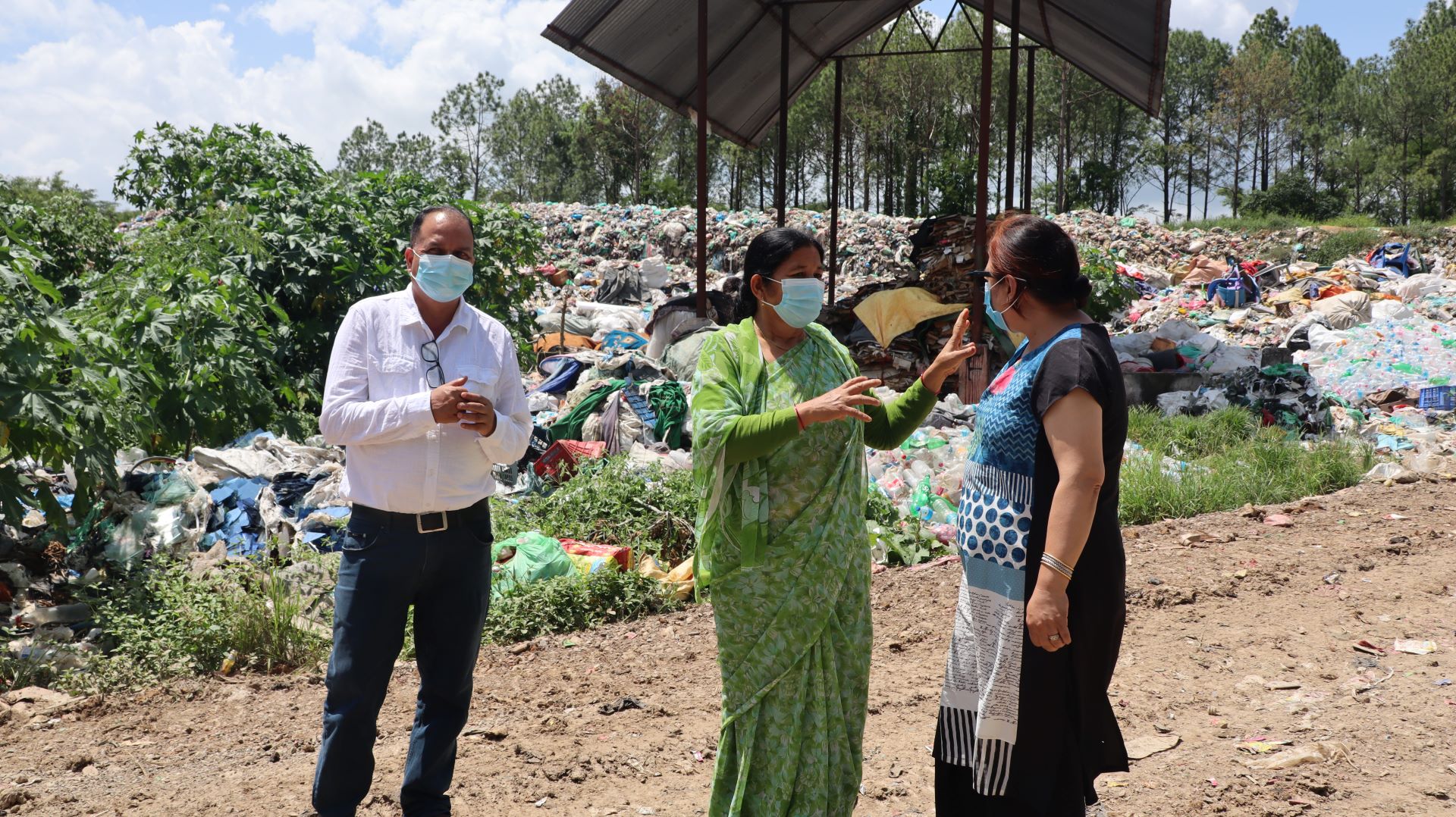
Dang: In Ghorahi Sub-Metropolitan City of Dang, the private sector is virtually prohibited from emptying septic tanks. The sub-metropolitan city has not granted permission to any private entrepreneurs for septic tank emptying so far, and those who secretly come from outside municipalities to do so are taken under control with the help of municipal police and penalized.
At first glance, this may appear as though the municipality is discouraging private businesses from entering the sanitation sector. However, the decision seems to be driven by the aim of protecting environmental sanitation, safeguarding public health, and preventing the contamination of drinking water.
Laxman Adhikari, Head of the Sanitation Division of the Sub-Metropolitan City, explains:
“We don’t yet have a proper fecal sludge treatment plant. If we allow the private sector to empty septic tanks at this point, they will resort to indiscriminate dumping, using the sludge as fertilizer in fields, which would contaminate drinking water. This is why we have not allowed the private sector to engage in this work.”
▶ Watch the full video here:
According to him, when residents’ septic tanks get full, the sanitation division’s tanker empties them and disposes of the waste at the landfill site. The sub-metropolitan city has been managing both solid waste and fecal waste together at the landfill.
Adhikari added that the municipal tanker ensures careful emptying, safe transportation, and proper disposal at designated sites, thereby preventing any impact on public health.
“If we let the private sector handle it, they will dump waste haphazardly. Citizens are also not fully aware yet; if they’re told it can be used as fertilizer, they will spread it in fields without considering its long-term impact. That’s why we have not opened septic tank emptying to the private sector yet.”
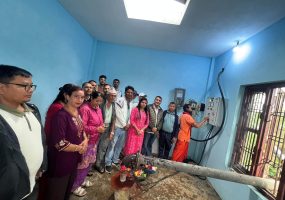
A team including Sudha Shrestha, National Professional Officer (WASH) at UN-Habitat, and Satish Jung Shahi, Coordinator at CWISAN, recently inspected the Integrated Waste Management Center where fecal waste is currently being managed.
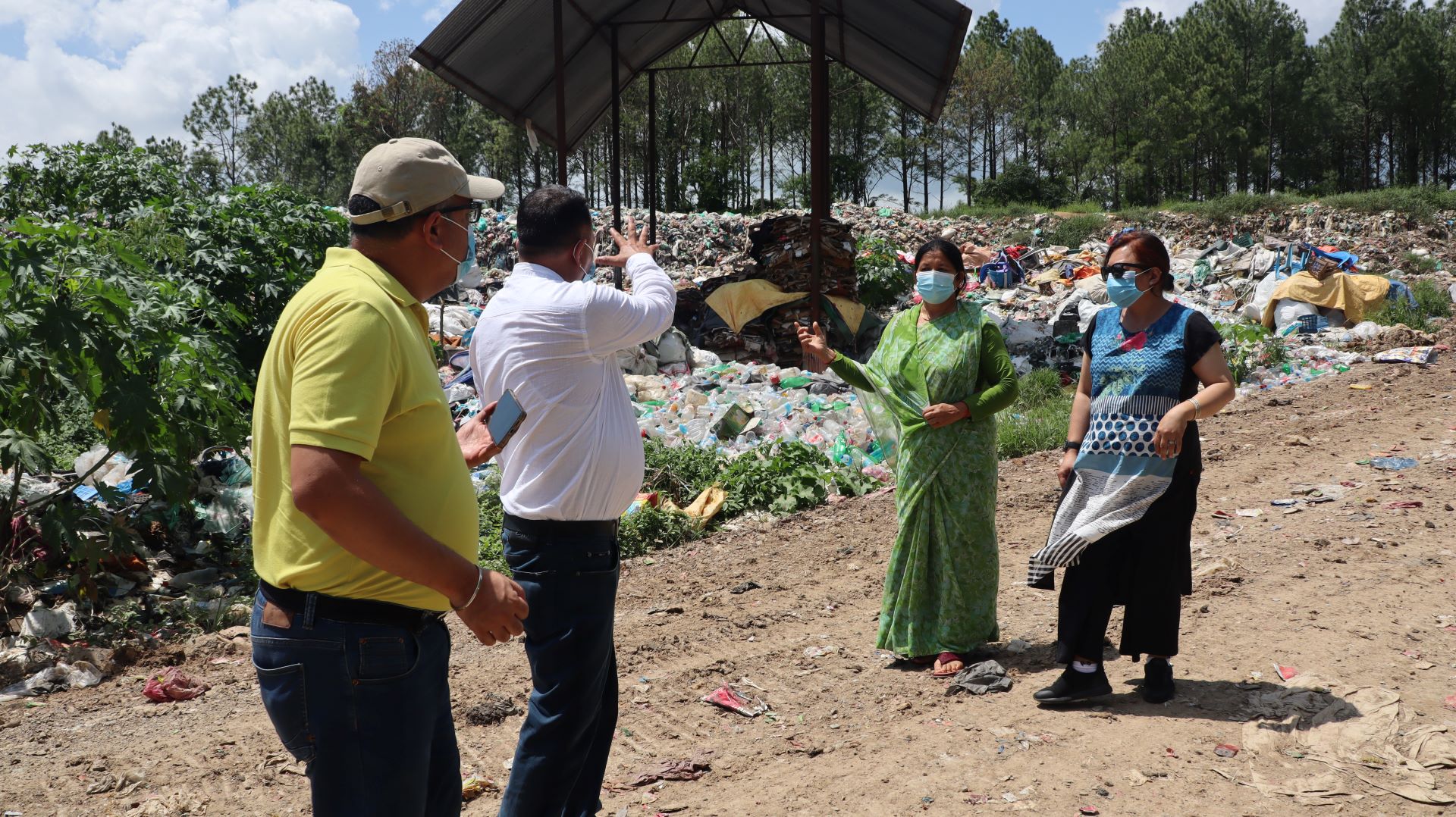
WaterAid Nepal, the Association of District Municipalities of Nepal, the Ministry of Water Supply, and the Department of Water Supply and Sewerage Management are jointly running a program to expand citywide inclusive sanitation services in seven municipalities across the country, including Ghorahi.
According to UN-Habitat’s National Professional Officer (WASH) Sudha Shrestha, the program provides technical support for developing municipal-level legal tools for fecal sludge management, collecting and strengthening FSM data and updating it in N-WASH, conducting capacity development trainings, and preparing institutional frameworks. The program is funded by the Gates Foundation, with UN-Habitat serving as the implementing agency.
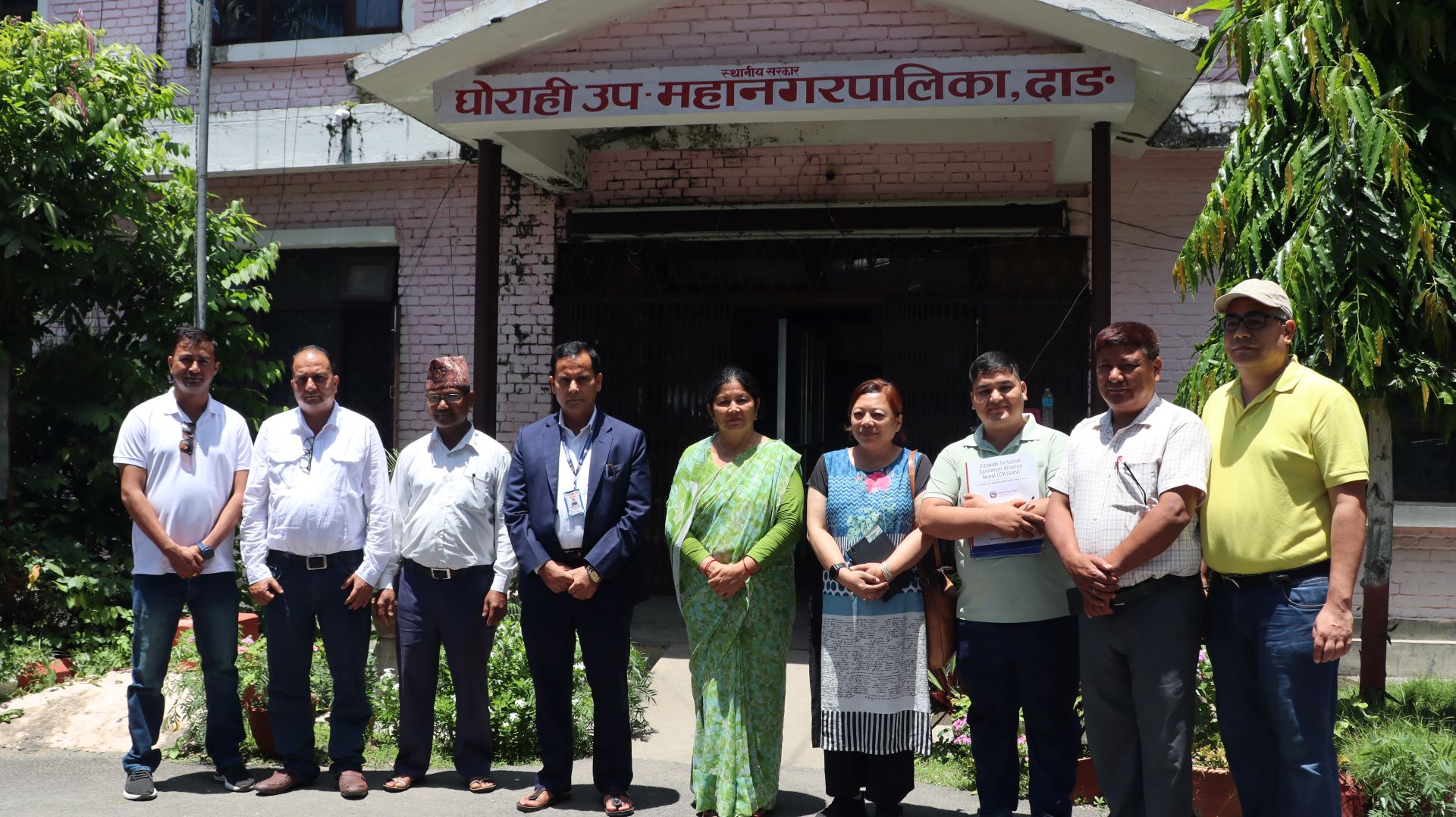
…And then the private sector will be granted permission
Ghorahi Sub-Metropolitan City has already initiated the process of constructing a fecal sludge treatment plant for safe management. The municipality has prepared the Detailed Project Report (DPR) and submitted it to the Department of Water Supply and Sewerage Management and the Ministry of Water Supply, according to Rishiram KC, Chief Administrative Officer of the Sub-Metropolitan City.
In previous years, the municipality had allocated NPR 3.5–3.6 million for the treatment plant, but realizing that this amount was insufficient, it submitted the DPR to the federal government. According to KC, the construction of the treatment plant will cost around NPR 40 million. If funding is secured, the plant will be constructed within the Integrated Waste Management Center.
“We don’t have a land issue. The sub-metropolitan city owns land within its jurisdiction where the treatment facility can be built,” he said.
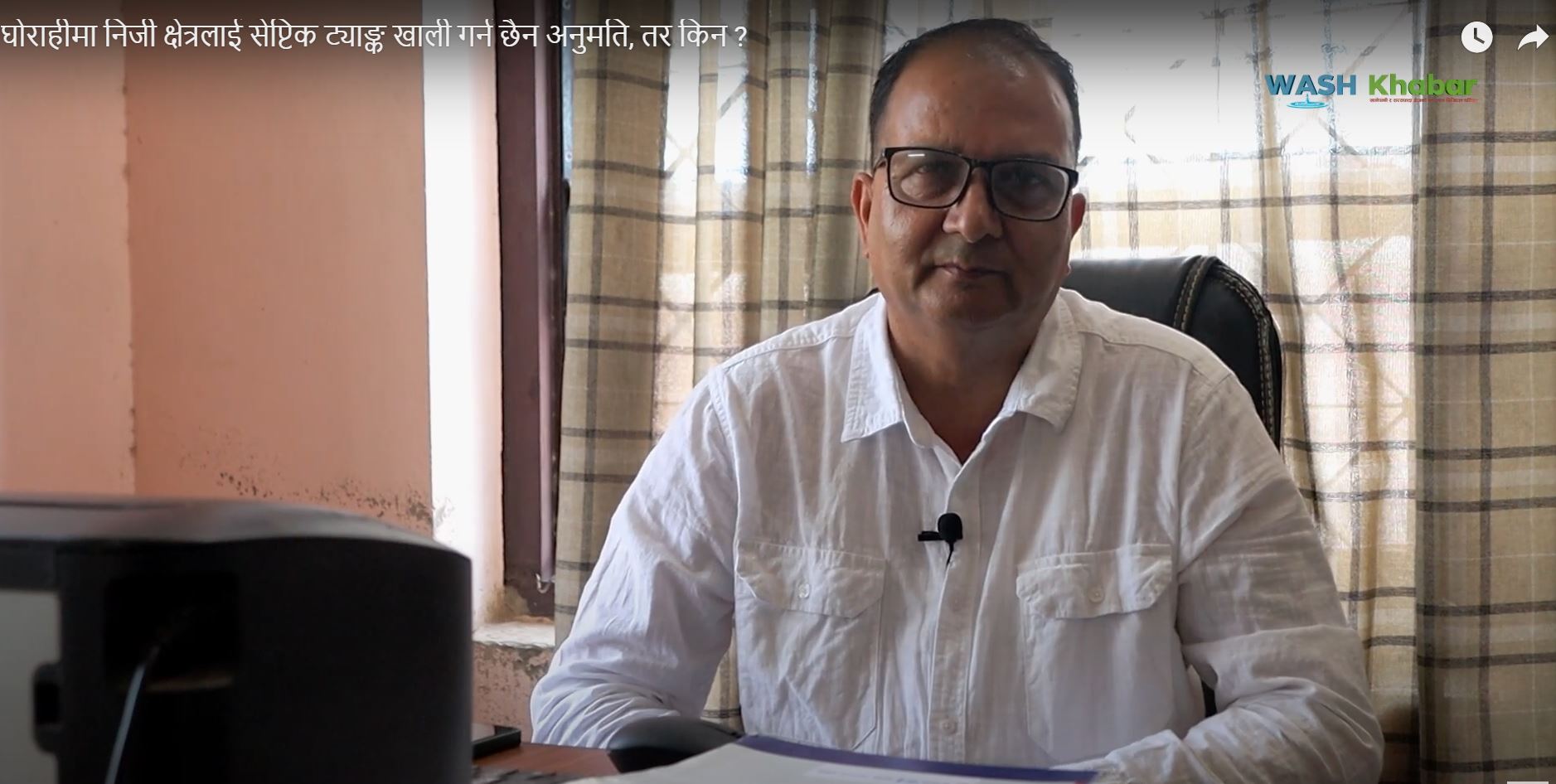
According to Sanitation Division Chief Laxman Adhikari, once resources are secured, the fecal sludge treatment plant will be built at the current landfill site. After the facility is constructed, the municipality plans to allow the private sector to participate in sanitation services.
The Water Supply and Sanitation Act 2079 (2022) and the Water Supply and Sanitation Regulation 2081 (2024) stipulate that water supply and sanitation services can only be operated with a permit, which can be issued by local governments.
Section 9 of the Act states: “Anyone wishing to provide water supply and sanitation services, conduct surveys, construction, operation and management of service systems, or use water resources for public, institutional, or commercial purposes must obtain a permit as per this Act.”