356 पटक हेरिएको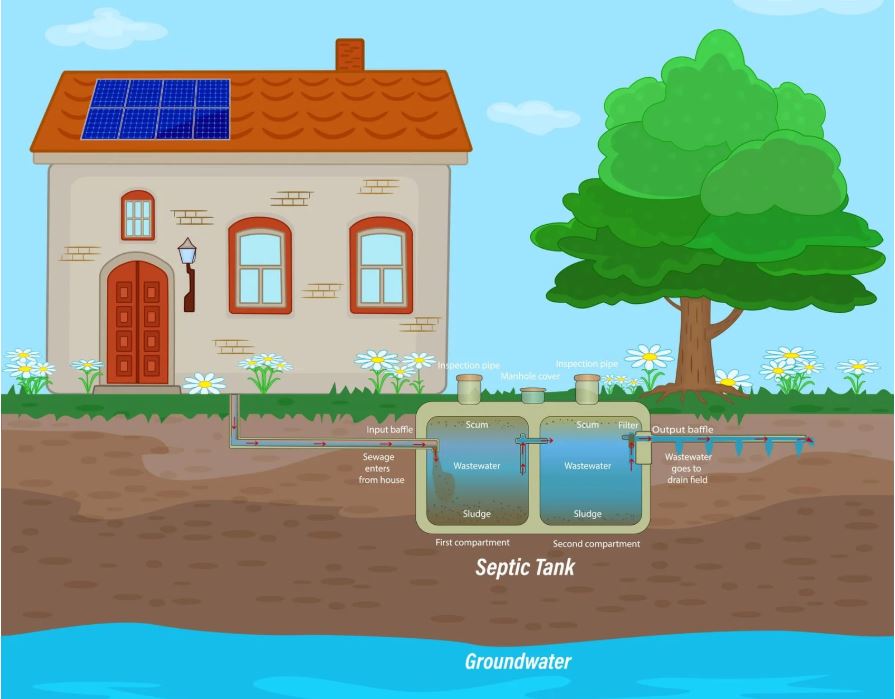
Birgunj : Manisha Patel of Pokhariya Tol in Birgunj rushes to the well before cooking every morning. From the early-hour household chores and farm work to the children’s schooling, the family’s daily life depends on that well water. She used to believe, “Well water is clean, how could groundwater be contaminated?”
But she never imagined that the water filling that very well could be making her family sick.
This pain is not Manisha’s alone. It is the shared story of hundreds of villages and towns across the country. Unsafe septic tanks, often built haphazardly around our yards, slowly leak and poison the groundwater.
We cannot see that invisible pollution running underground. But when that water returns to our cups through wells, springs or tube wells, that unseen danger enters our bodies.
Why are septic tanks becoming dangerous?
Most household septic tanks in Nepal are not constructed to technical standards. They are built in ways that allow leakage through walls and floors. Because people fear that cementing or plastering the surfaces will make the tank fill faster, floors are often left unlined and there is no arrangement for periodic emptying.
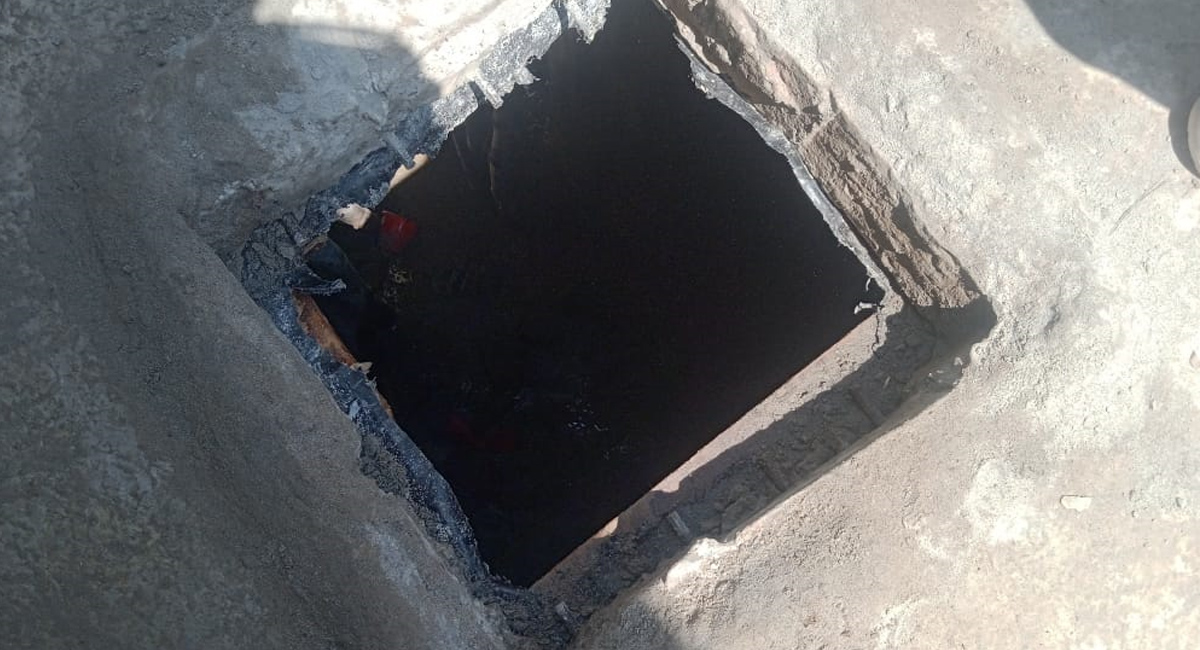
As a result, pathogenic bacteria, viruses and toxic substances from human excreta seep into groundwater. That polluted water then returns to us via wells, springs and tube wells.
According to the World Health Organization, drinking contaminated water spreads diseases such as cholera, typhoid, diarrhoea and hepatitis. In Nepal, water-related intestinal illnesses are a major cause of thousands of child deaths each year.
The problems caused by unsafe septic tanks are not easy to see. Because underground pollution is invisible and regular water testing is rarely done, contamination often goes unnoticed. But its effects are devastating when we consume polluted water.
Research has shown that in urban areas from Kathmandu and Bharatpur to Bardiya and Biratnagar, leakage from septic tanks has increased groundwater pollution.
Long-term effects
Once groundwater is contaminated, it can take decades to restore. The damage affects not only health but also the local economy.
When water becomes unfit to drink, communities must buy water. Medical expenses rise when people fall ill from contaminated water. Productivity falls, and children may stop attending school.
Viewed this way, unsafe septic tanks are not merely a sanitation problem – they are a factor that hinders development itself.
What should be done?
The solution is not impossible, but it requires joint effort from local governments, technical bodies and communities.
1. Construct septic tanks to technical standards
Many households choose the cheapest construction option, thinking that’s best. That attitude plays with people’s lives. Proper technical design and quality are essential.
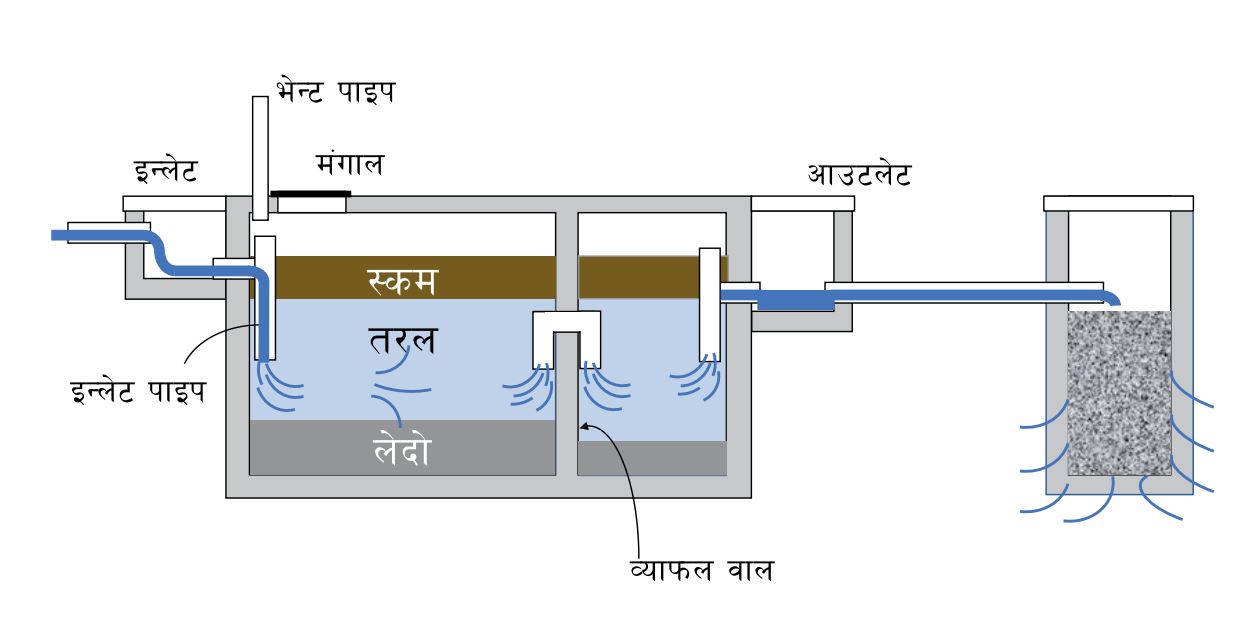
• Line and plaster the tank floor and walls with cement to prevent leakage.
• Use adequate wall/floor thickness and a sturdy cover to prevent accidents.
• Install proper filter systems and discharge pipes correctly.
Tanks built to these basic standards prevent groundwater contamination. Building safe structures from the start is the best protection against major future risks.
2.Arrange for regular emptying
If a septic tank is not emptied on time after it fills, sewage starts to leak into the surroundings. In many places people still open the tank and dump the waste in fields or streams, which increases environmental pollution and health risks.

Therefore:
• Provide vacuum-truck or safe disposal services to all communities.
• Municipalities should offer regular septic-tank emptying and cleaning services.
• Encourage the private sector to expand services in rural areas.
• Ensure septic-tank cleaning fees are affordable for everyone.
A regular emptying system keeps septic tanks safe over the long term.
3.Raise awareness
One major reason people do not build safe septic tanks or arrange regular emptying is lack of awareness. Many are unaware that the septic tank in their yard may be polluting nearby wells or streams.

Therefore:
• Local governments and NGOs should run continuous community awareness campaigns.
• Discuss safe septic tanks in schools, neighborhood groups and community meetings.
• Spread messages via local radio, social media and posters.
• Convey the simple but powerful message: if septic tanks are unsafe, the water is unsafe.
When communities become aware, they can pressure technical services and local government to act.
4.Monitoring and regulation
Having standards alone is not enough. They must be enforced. Although building codes may require septic-tank plans, septic-tank designs are often not checked when issuing building permits, which encourages disorderly construction.

So, at municipality and ward levels:
• A technical assessment of the septic-tank design should be required before issuing building permits.
• Arrange inspections during septic-tank construction.
• Impose fines or penalties on households that fail to meet quality standards.
Only with regulation and monitoring will technical standards be implemented in practice.
In conclusion, life without water is unimaginable. But the same water, when contaminated by unsafe septic tanks, can take life away. We must understand that water can both sustain life and end it.
Now is the time to make septic tanks safe: save the groundwater, and protect life.