438 पटक हेरिएको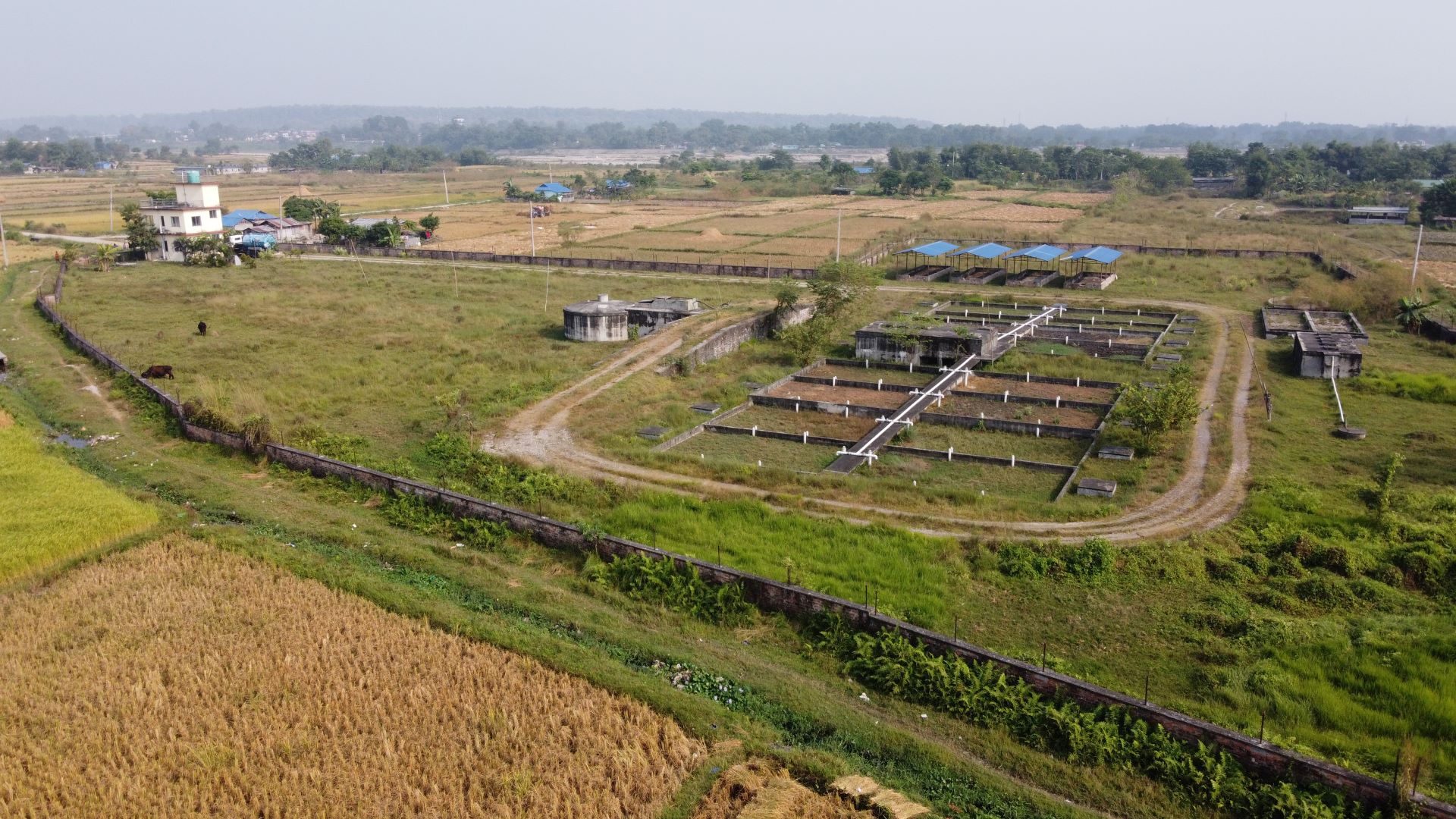
The example of Ghorahi Sub-Metropolitan City in Dang shows that it is possible to ensure safe sanitation even without a treatment plant.
Kathmandu: Is a faecal sludge treatment plant absolutely necessary for safe sanitation? For many, this is a thought-provoking question. When discussing safe sanitation, several municipalities often respond by saying, “We don’t have a faecal sludge treatment plant, so how can we ensure safe sanitation?”
Indeed, in the long run and from a systemic perspective, a treatment plant is essential for sustainable sanitation. However, it doesn’t necessarily mean that every municipality must immediately establish one. The example of Ghorahi Sub-Metropolitan City in Dang shows that it is possible to ensure safe sanitation even without a treatment plant.
Watch this video for more details :
Safe sanitation refers to the system of safely collecting, transporting, treating, and reusing or disposing of human waste. It means that sanitation is not only about containing waste within toilets but also about what happens to it afterward, where it goes and how it is managed safely.
Within Ghorahi Sub-Metropolitan City, which covers around 50,000 households and a population of approximately 200,000, the municipality itself manages the entire process from collection and transportation to treatment, using its sanitation workers and vacuum trucks.
The ultimate goal of safe sanitation is to ensure that Faecal sludge is safely treated before being released into the environment. To achieve this, a faecal sludge treatment plant or alternatively, a decentralized or locally managed small-scale treatment system can be used.
Thus, some form of treatment system is indeed necessary for safe sanitation, whether it is a large-capacity treatment plant or a smaller, locally adapted system. The approach adopted by Ghorahi falls within this locally managed system category.