549 पटक हेरिएको
I live in Ward No. 32 of Pokhara Metropolitan City, in Khudikhola. This settlement is home only to people displaced from various districts during the conflict between the government and the Maoists. It has been almost 25 years since we started living here.
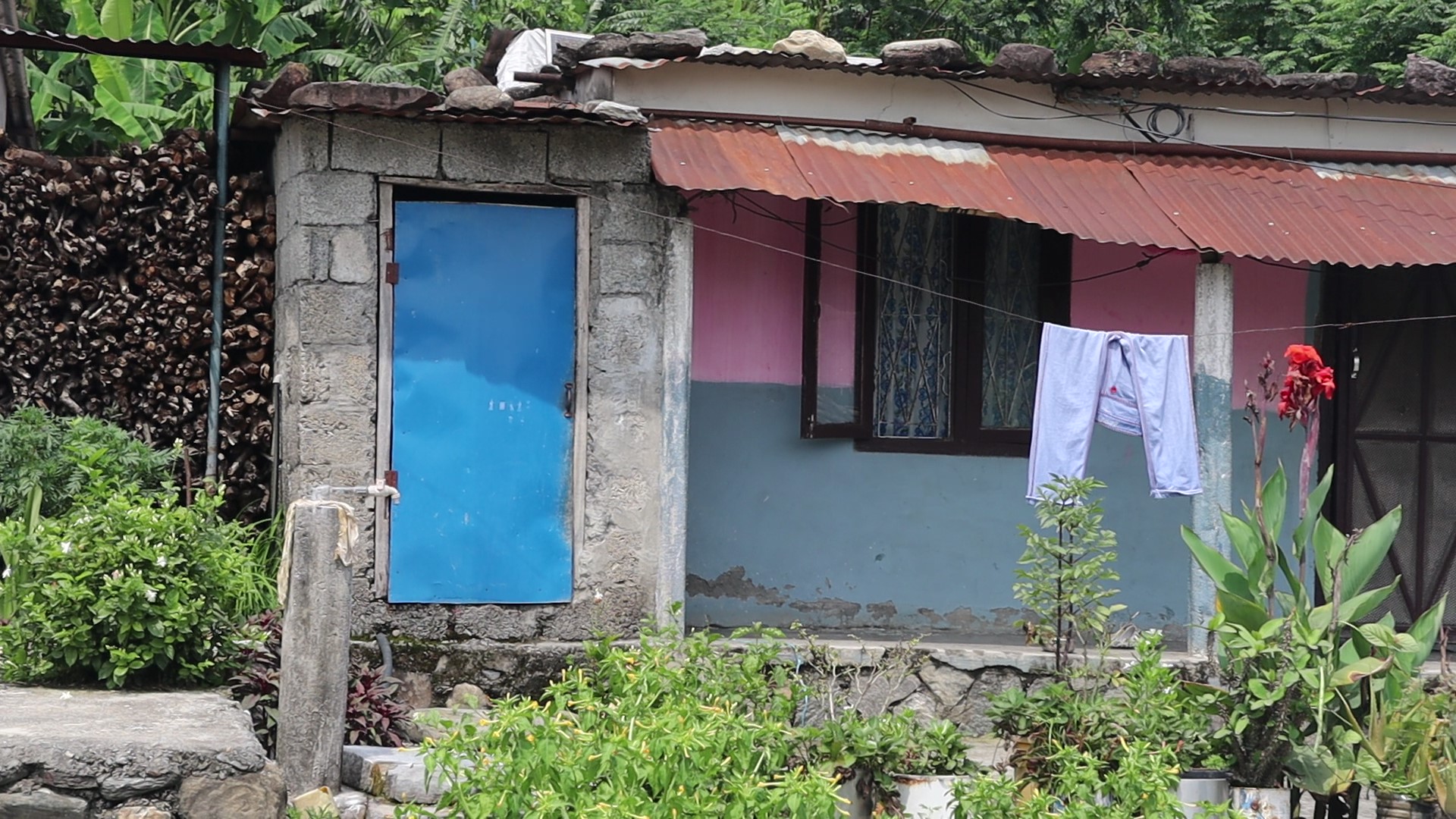
This is an unmanaged settlement, so nothing here is organized. When living conditions are unstructured, everything tends to become chaotic. Now, let’s talk about toilets. Since the houses are temporary structures, the toilets are obviously temporary as well. Most homes here have makeshift, inadequate toilets without proper systems. The so called septic tanks are essentially small pits, barely functional and not reliable. You never know when these small pits get filled up.

While we have tried to channel wastewater with pipes, we worry that when the toilet tanks overflow, the waste will leak into the same drainage system. This raises constant fears about foul odors spreading due to our poorly managed toilets.
Some people have slightly larger pits without sealed bases, which haven’t overflowed yet, but the smaller tanks are starting to fill up.
Often, these tanks fill up more from water than waste, as ground seepage fills the tanks even if the toilets are not used frequently. Being in a sandy area, we’re afraid to even use water to clean the toilets, as it might cause overflow.
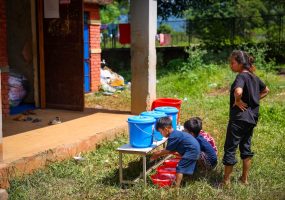
The drainage situation in our community is just as dismal. Wastewater from laundry, showers, dishwashing, bathrooms, and kitchens flows randomly into the fields through small channels. Those unable to afford or build soak pits let it flow out, causing odors and attracting mosquitoes and other pests.

During the rainy season, this settlement becomes waterlogged. There’s no place for water to drain, leading to stagnant pools, and last year, some residents suffered dengue fever, diarrhea, and other illnesses, which are common here.
I feel that our lives are not safe because along with cleanliness, our drinking water is not safe. After participating in a septic tank training, we realized that the septic tank we built is not safe. If we were to build a well-organized and safe septic tank, we could be free from various diseases.
If we want to focus on our health, every toilet in this settlement must be made safe. For this, everyone should work on improving toilets and septic tanks as part of a campaign. I believe that this work can be one with funding from the ward office or municipality, as well as with the public participation of locals.
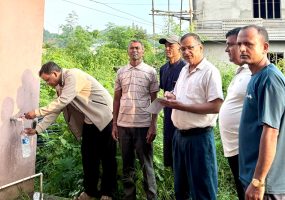
Similarly, drinking water must also be made safe. For this, the entire structure from the water source to the distribution tank must be changed. Our drinking water source is unsafe. The distribution tanks and pipes also leak in various places. This leads to the contamination of drinking water. There is no alternative but to raise widespread public awareness and improve the infrastructure of drinking water systems.

(Based on a conversation with Kamala Maya Pariyar, Vice Chairperson of the Durga Mothers’ Group)