467 पटक हेरिएको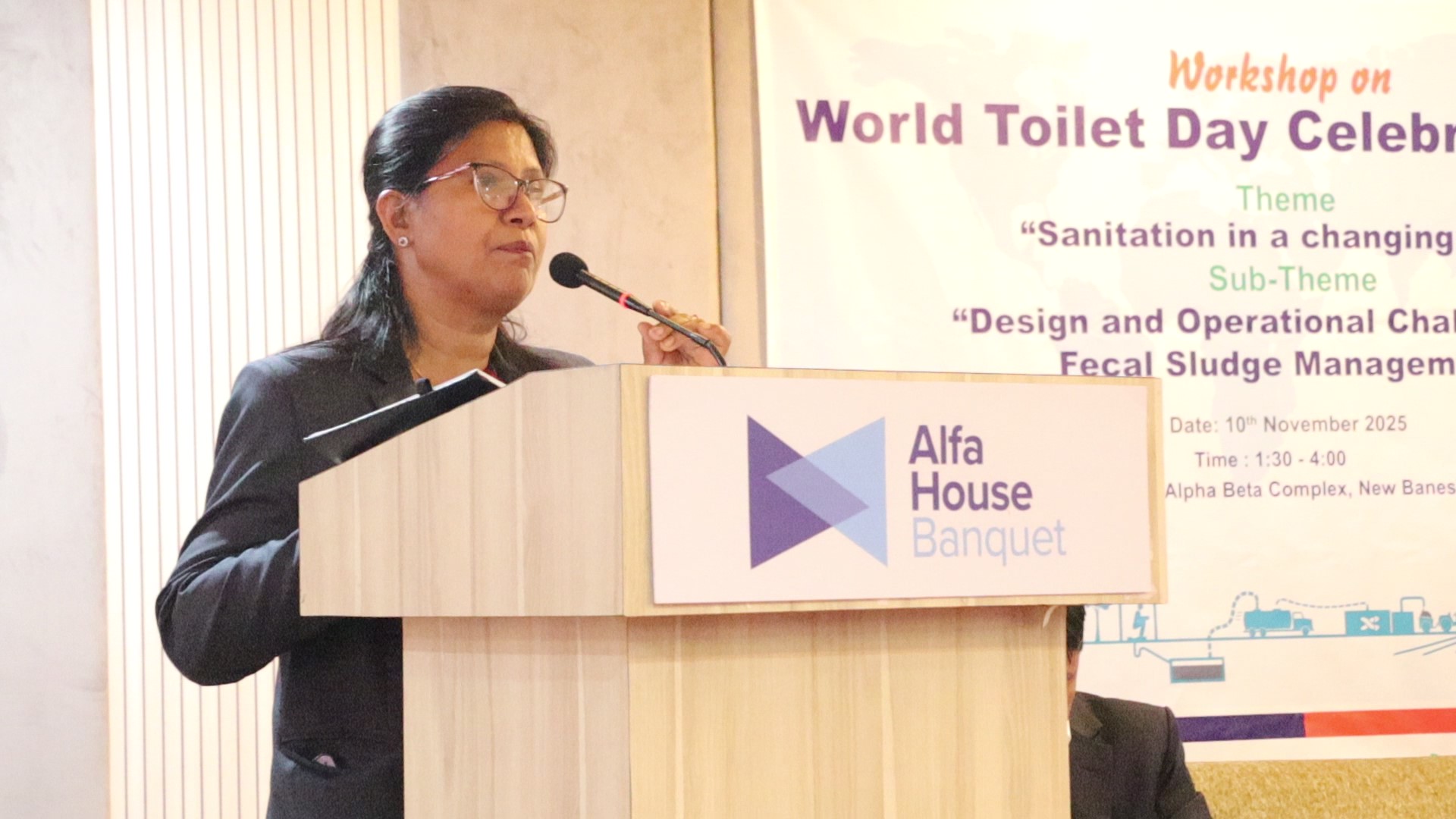
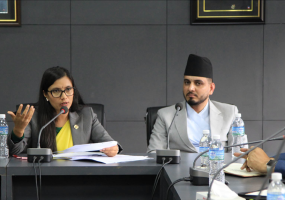
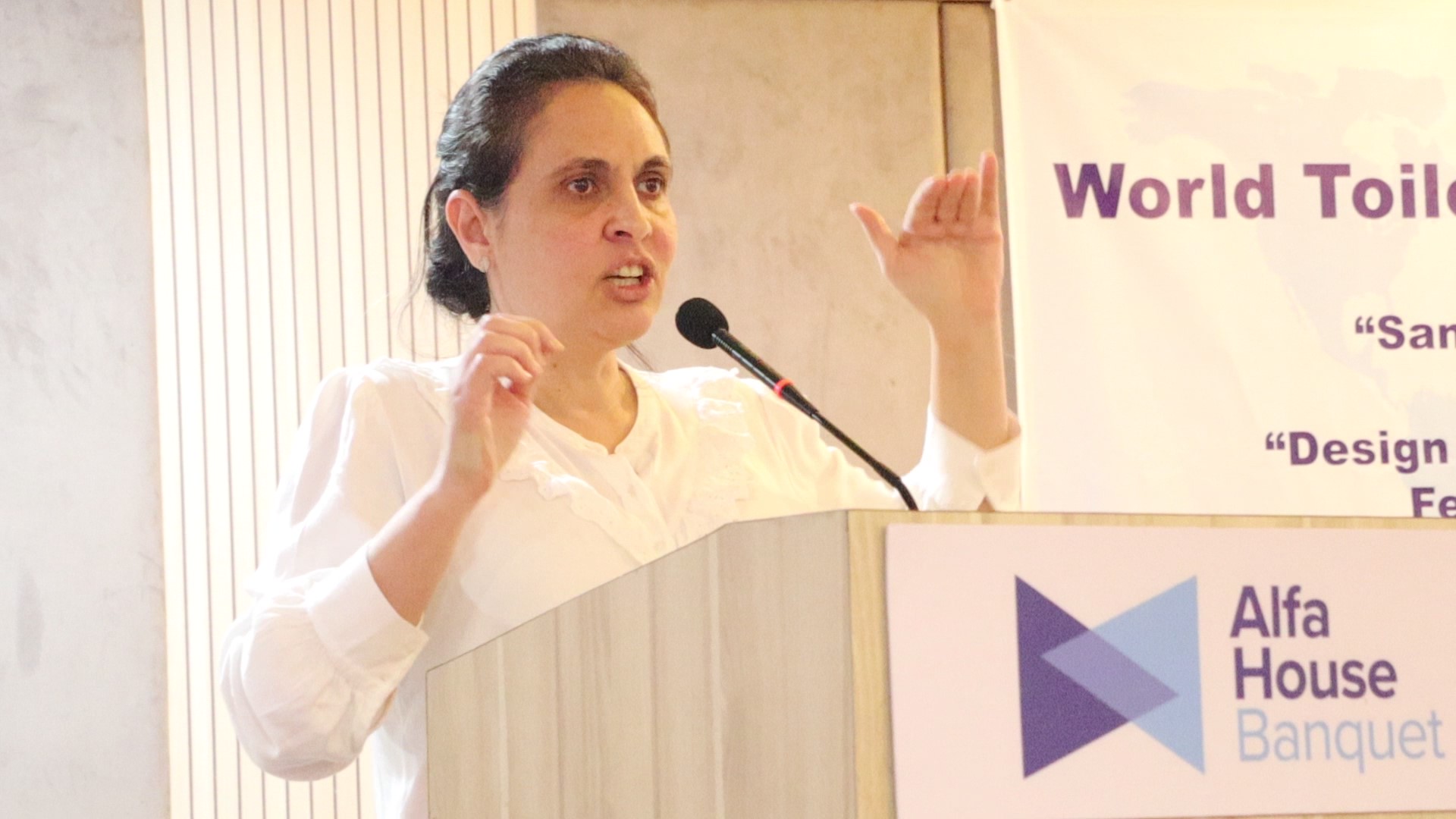
Kathmandu: Joint Secretary and Spokesperson of the Ministry of Water Supply, Meena Shrestha, has said that Sustainable Development Goal (SDG) 6 can only be achieved through the construction and operation of adequate fecal sludge treatment plants and well-functioning sewer systems.
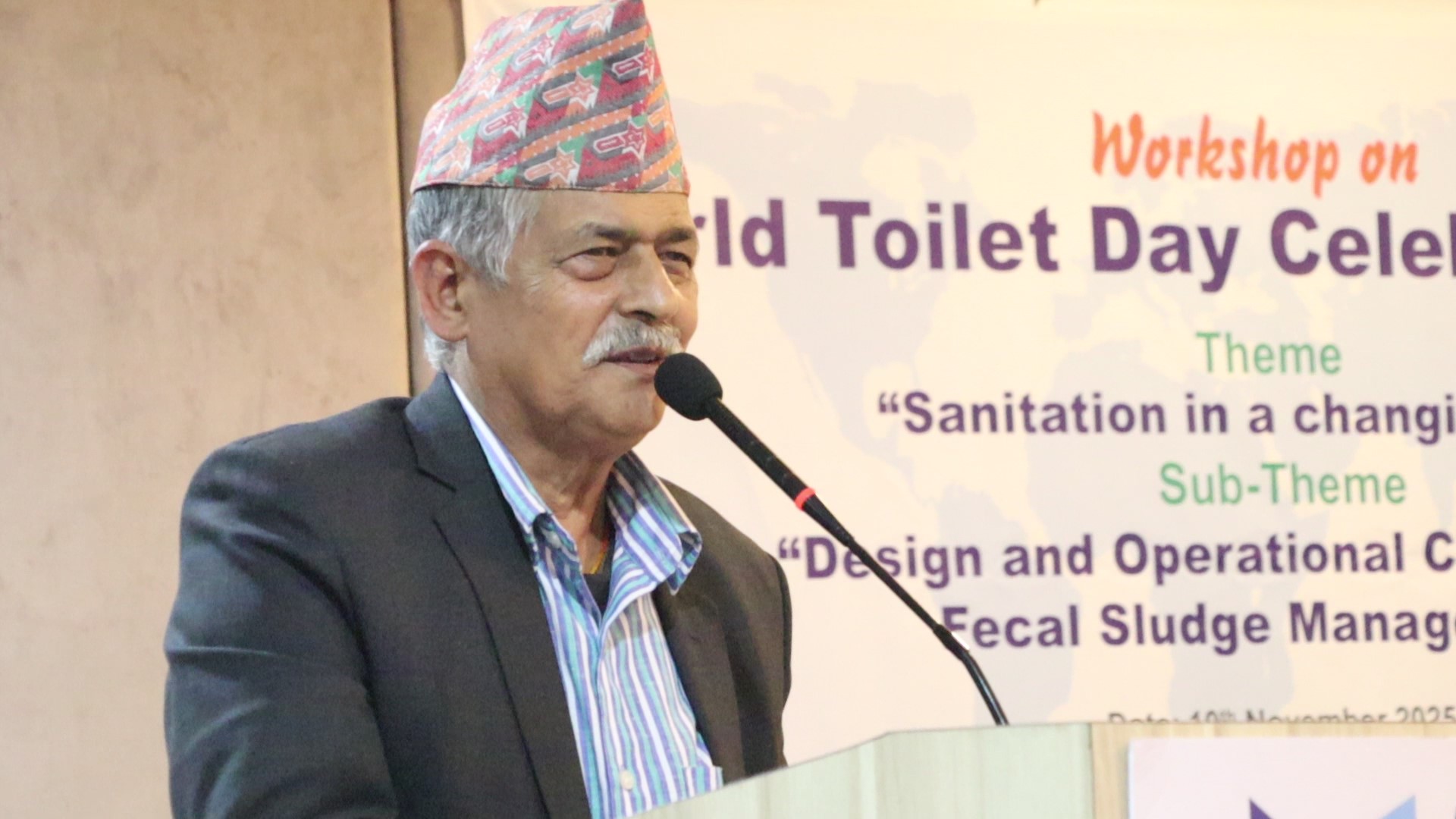
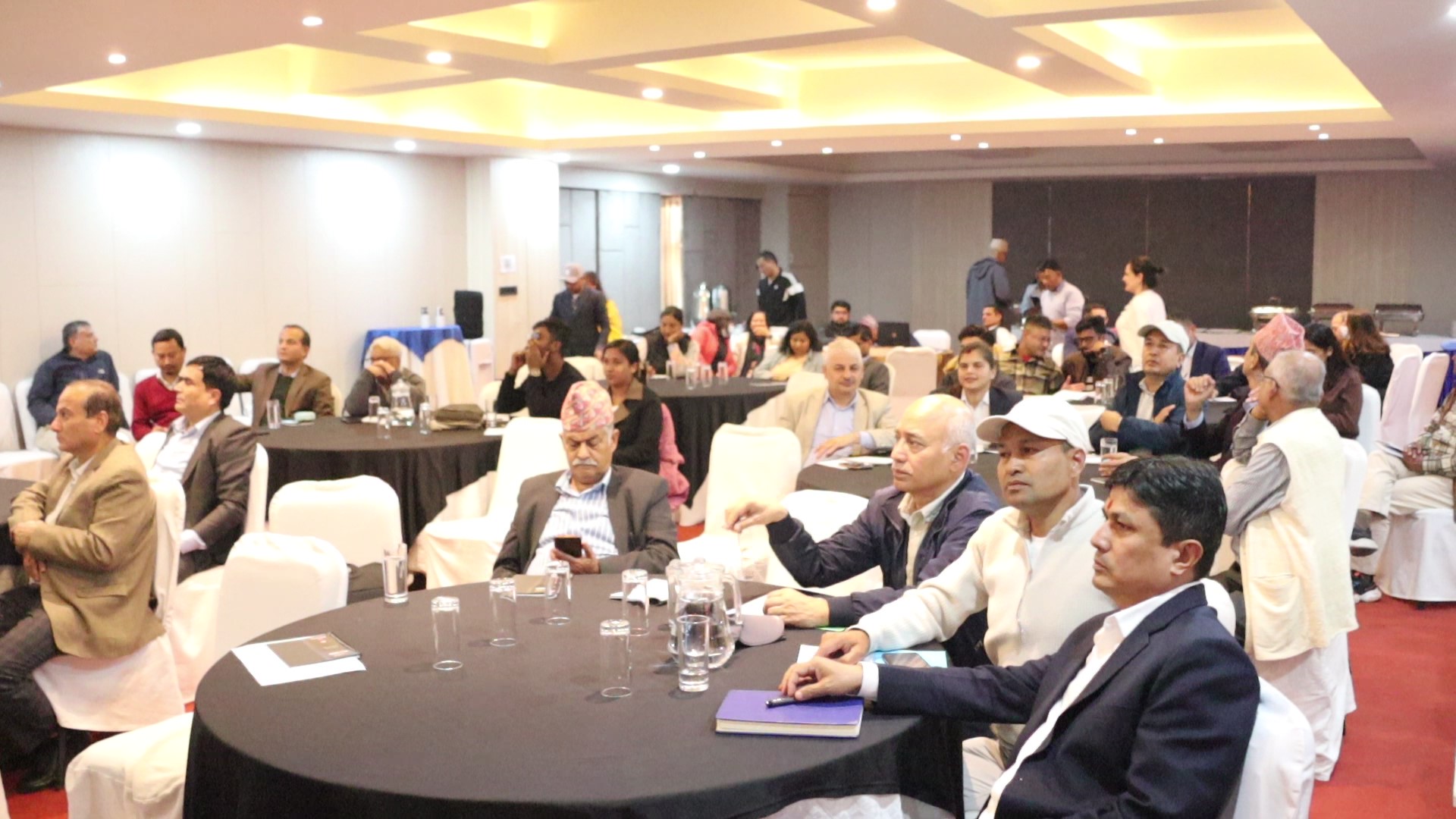
Speaking at a national discussion program on “Design and Operational Challenges in Fecal Sludge Management,” organized by Smart WASH Solutions with support from SNV Nepal on the eve of World Toilet Day, Joint Secretary Shrestha highlighted that the development of sewer networks and treatment facilities remains a major challenge in achieving SDG 6.
“In the Terai region, maintaining proper slope for sewer systems is difficult, while in the hills, scattered settlements make construction extremely costly,” she explained. “Under such circumstances, fecal sludge treatment plants are the most practical solution.”
However, Shrestha pointed out that even the establishment and management of such plants face multiple obstacles. In some areas, land acquisition problems have prevented construction despite budget allocation from the federal government, while in other locations, operational issues have emerged even after the plants were built.
For more details, watch this video :
She emphasized that as per the Work Division Regulation, the federal government is responsible for construction while the local governments are responsible for operation and management and that all parties must fulfill their respective duties accordingly.
Program Highlights
Ramdeep Shah, Chairperson of Smart WASH Solutions, said the program aimed to review challenges and findings from studies on fecal sludge management and provide future directions through presentation and discussion. He also shared that the organization has been contributing to policy formulation, legal frameworks, and capacity development for the effective operation of treatment plants.
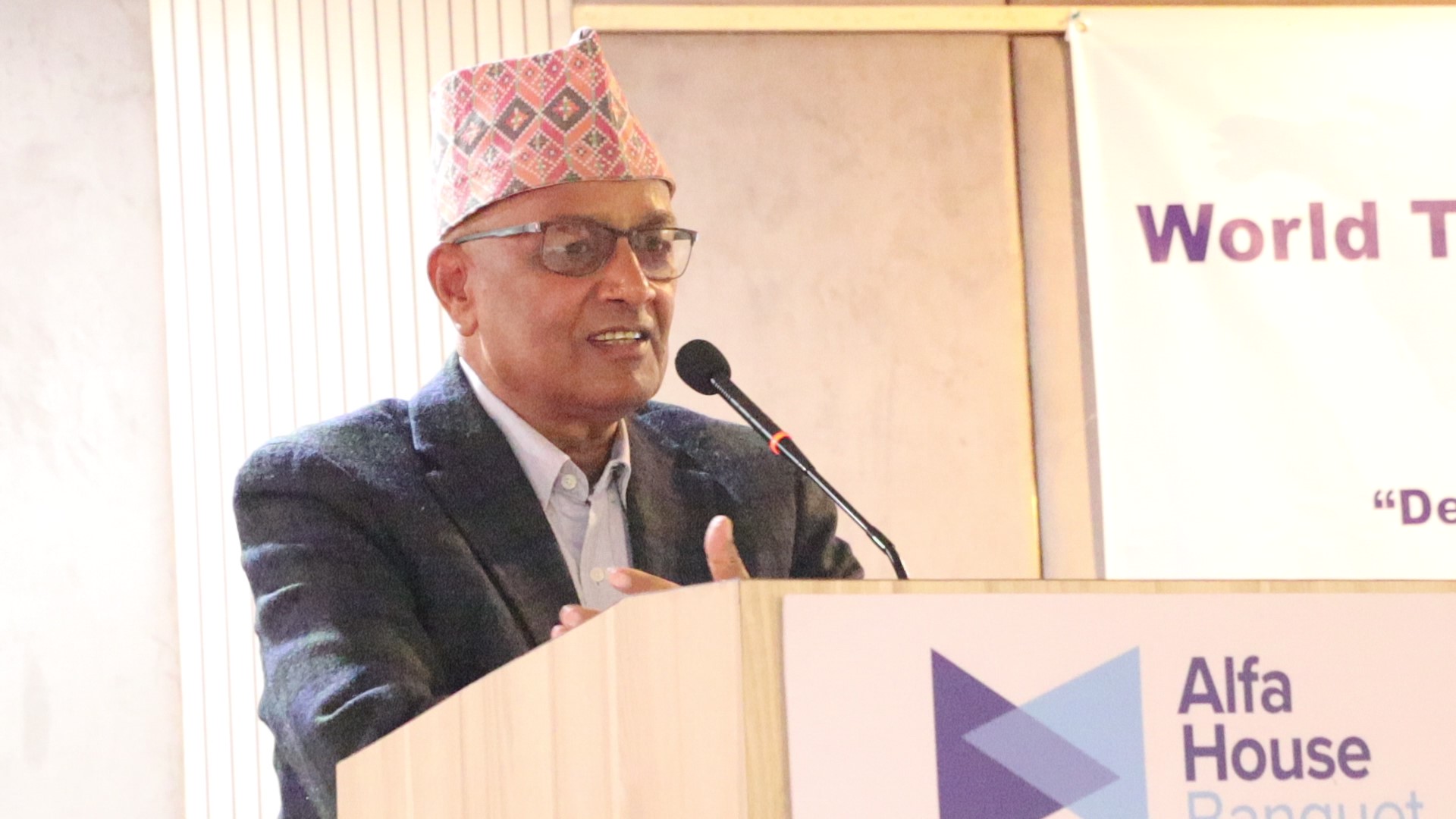
Similarly, Senior Divisional Engineer Yogendra Chitrakar from the Ministry of Water Supply presented the findings of an assessment report on non-sewered systems, while Engineer Krishna Ram Yando discussed the status and operational challenges of treatment plants across Nepal. SNV Nepal’s WASH Lead Nadira Khwaja presented on rural fecal sludge management, and WASH Expert Keshav Raj Bista shared insights on cost-effective design solutions.
Call for Design Guidelines
Participants of the program stressed the urgent need for a design guideline from the Ministry of Water Supply and the Department of Water Supply and Sewerage Management to ensure standardization and uniformity in treatment plant construction.
They noted that lack of clear design standards has led to inconsistent and substandard construction, resulting in wasted investments.

In response, Joint Secretary Shrestha, who also chaired the presentation session, informed that the Department of Water Supply and Sewerage Management has initiated the revision of the National Water Supply Design Manual (12 Volumes) to include sanitation infrastructure design as well.
The original manual was developed in 1990 by the then Department of Water Supply and Sewerage for community-based water supply schemes, and the revision process has begun after 35 years to align it with present needs.
Fecal Sludge as an Enterprise Opportunity
Former Minister and Advisor of Smart WASH Solutions Ganesh Shah highlighted that over the past 20 years, the understanding that “waste is a resource” has grown significantly, and human waste is now recognized as a valuable resource.
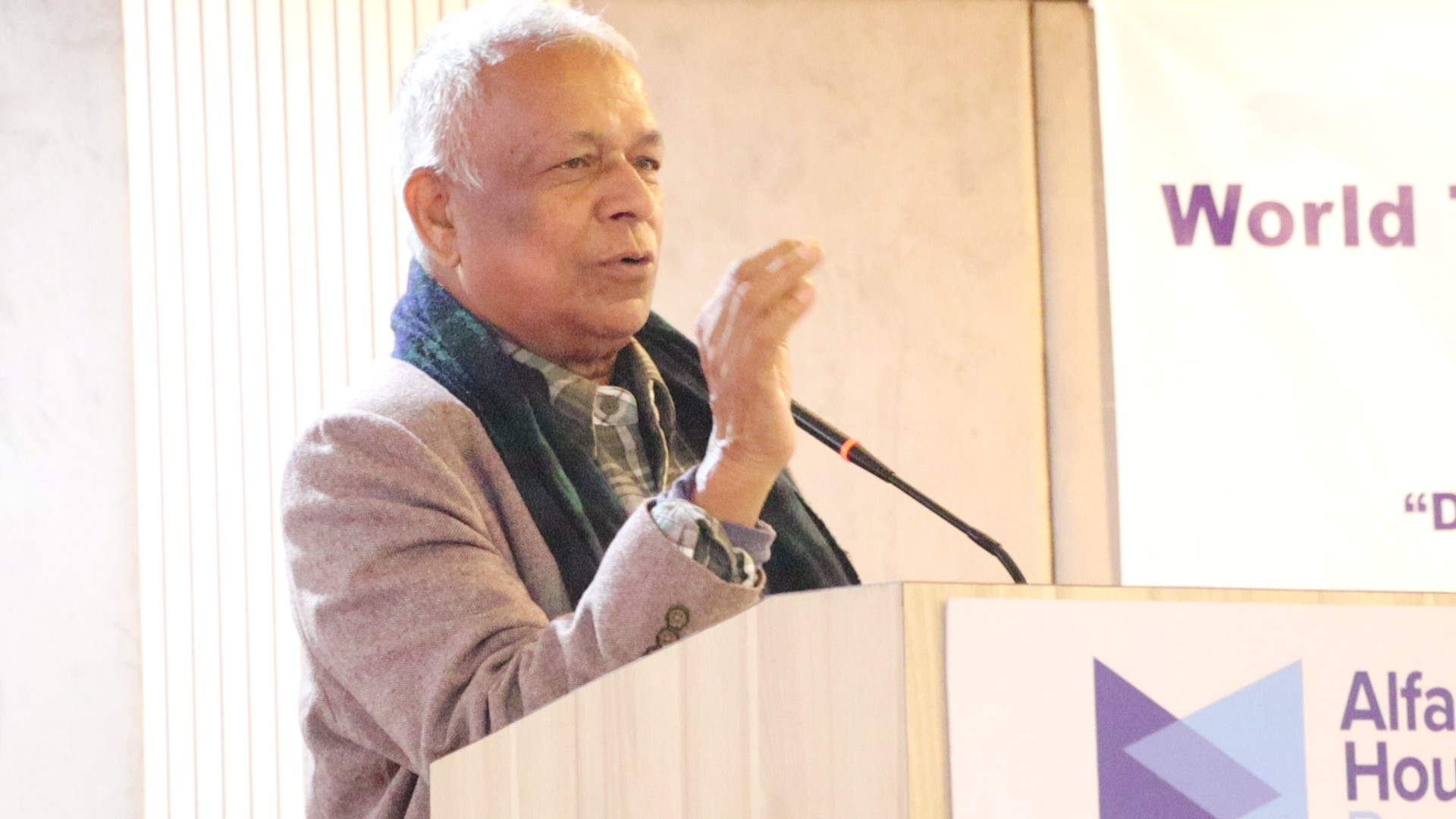
Citing examples from India and other countries, he explained that fecal sludge has been turned into multi-million-dollar enterprises, and Nepal could do the same.“Human waste can generate businesses worth billions,” Shah said. “For that, we must transform scientific and technical knowledge into viable enterprises.”
The program was attended by officials from the Ministry of Water Supply, Ministry of Urban Development, National Planning Commission, along with representatives from national and international NGOs, and WASH experts working in the field.
Every year on November 19, World Toilet Day is observed globally to promote safe sanitation for all and to ensure human health and dignity.
This year’s global theme is “Sanitation in a Changing World.”