337 पटक हेरिएको
  Kathmandu: A recent study has found that the management of human waste in rural areas remains unsafe. The study, conducted across 16 municipalities 10 in Koshi Province and 6 in Madhes Province reveals that 76% of septic tanks have never been emptied since the toilets were built. Only 24% of households have emptied their tanks at least once.
Among the 76% who have never emptied their septic tanks, 97% reported that the pits have not yet filled up, while 3% have been managing human waste by digging new pits instead of emptying the existing ones.
Watch the video for more information :
66% of Septic Tanks Are Over Five Years Old
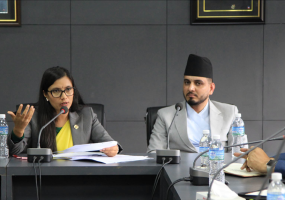
Presenting the study findings, Nadira Khawaja, WASH Team Leader at SNV Nepal, stated that among the septic tanks that have not been emptied, 66% are older than five years, while 34% are less than five years old.
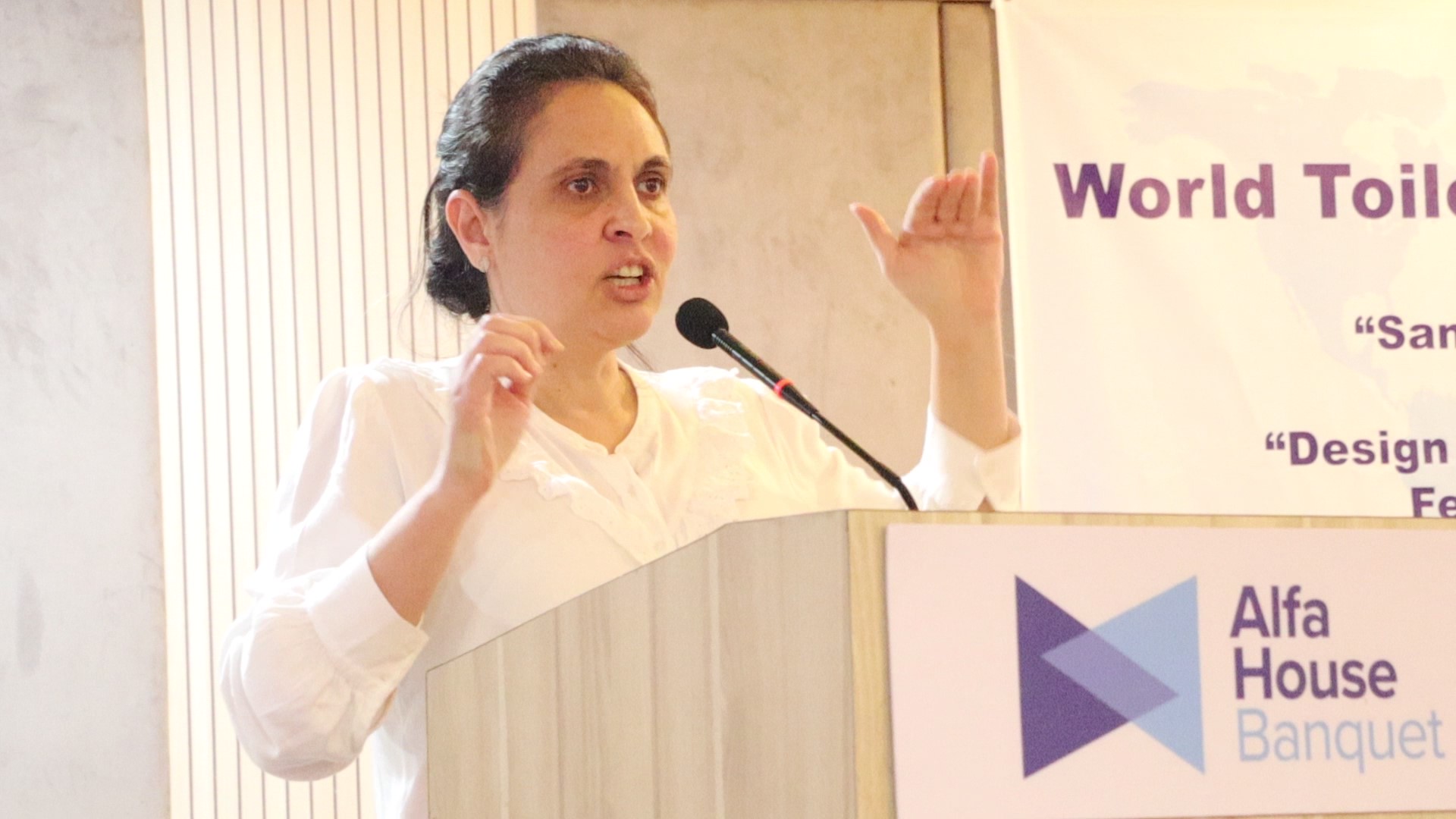
At an event organized on the eve of World Toilet Day by Smart WASH Solutions with support from SNV Nepal, Khawaja highlighted additional concerns. Among the 24% who have emptied or cleaned their septic tanks, only 28% have managed the waste safely. In contrast, 54% disposed of the sludge unsafely into open drains, forests, or fields, and 18% transported the waste outside their homes but discarded it without any treatment.

15% Still Practice Open Defecation
Ensuring the sustainability of Open Defecation Free (ODF) status remains a challenge. The study found that 15% of people in the surveyed municipalities still practice open defecation.
According to the study, 84.4% of households have access to improved sanitation facilities, 0.2% have unimproved sanitation, while 15.4% continue to defecate in open spaces.

Nepal was declared Open Defecation Free (ODF) on 2076 Ashoj 13 following a nationwide campaign that began after the Government’s Sanitation Master Plan was issued in 2011 (2068 BS). This campaign encouraged every household, public institutions, health facilities, schools, and offices to construct toilets.
However, the continued unsafe management of human waste indicates an urgent need for investment in fecal sludge treatment plants, along with their construction and effective operation.