369 पटक हेरिएको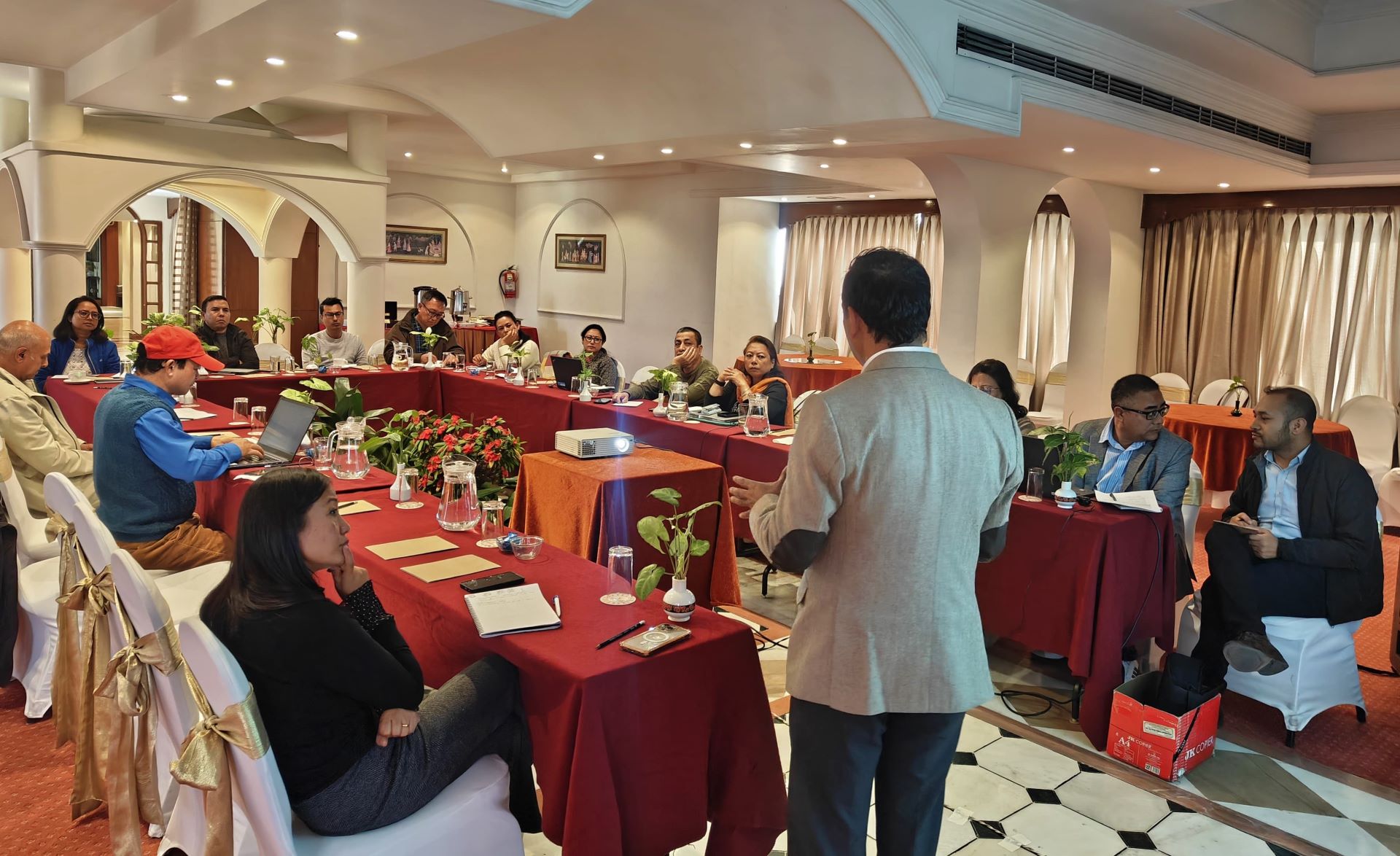
Kathmandu : Stakeholders have called for stronger coordination among multi-sector actors to effectively implement the Water Supply and Sanitation Act 2079 and the Water Supply and Sanitation Regulation 2081.
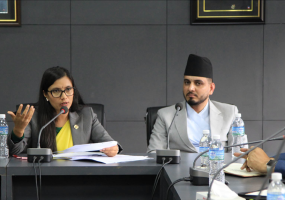
The concern was raised during the 20th meeting of the Citywide Inclusive Sanitation Alliance Nepal (CWISAN), where participants discussed strategies for regulating Nepal’s sanitation sector. Speakers emphasized that without collaboration among government bodies, development partners, municipalities, and civil society, the legal provisions are unlikely to be enforced.
Sudha Shrestha, Member Secretary of the CWISAN Secretariat and National Professional Officer at UN-Habitat Nepal, sought input from members on the alliance’s potential role in advancing sanitation service regulation.
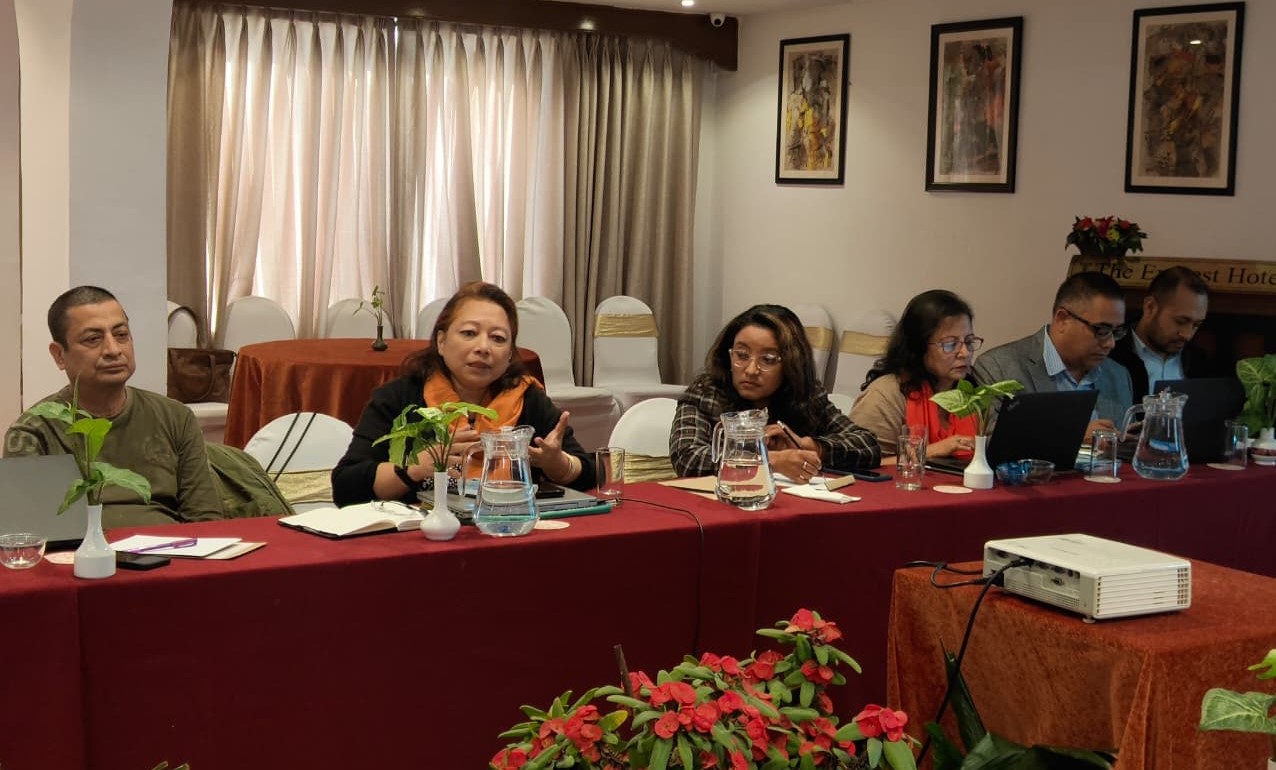
“What should be CWISAN’s collective advocacy voice to ensure that sanitation regulation reaches all three tiers of government within a year? How do we place this firmly on the national agenda?” she asked, urging the alliance to move forward with a concrete action plan.
Participants noted that, despite the regulation being issued nearly a year ago, implementation has yet to begin. They stressed the need to push the federal Ministry of Water Supply to take the lead.
“The implementation of the Act and Regulation is central to regulating sanitation services. For this, an advocacy and training package must be developed,” said Er. Sharad Prasad Adhikari, Chairperson of the Society of Public Health Engineers Nepal (SOPHEN).
Kalanidhi Devkota, Executive Director of the Municipal Association of Nepal (MuAN), argued that municipalities should undergo legal assessments similar to financial audits. Such assessments, he said, would determine whether municipalities have adequate policy arrangements, whether local laws exist, and whether they align with federal and provincial frameworks.
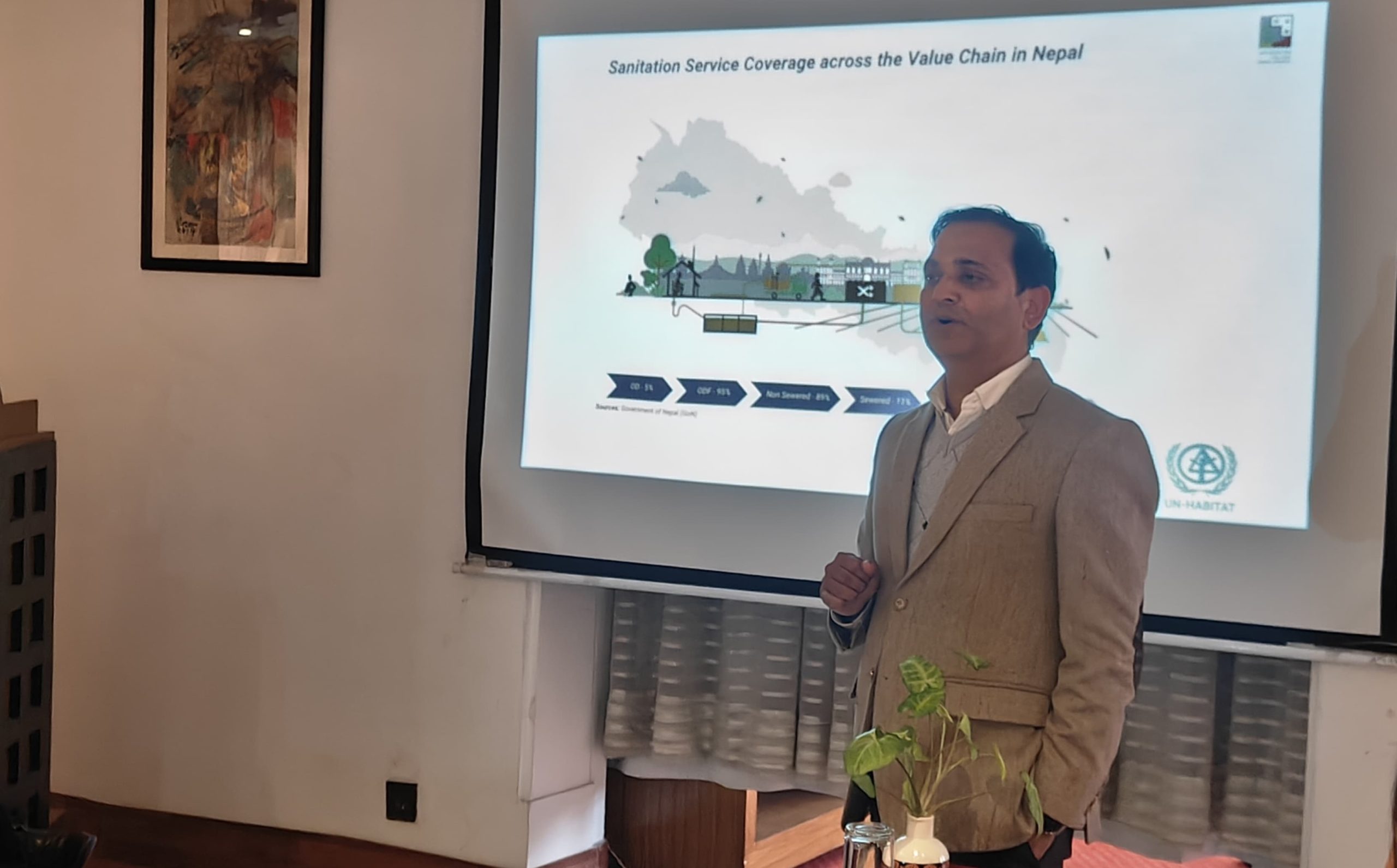
He also stressed the need to institutionalize municipal WASH units within municipal organizational structures to ensure long-term sustainability. “Only then can sanitation service regulation be effectively implemented,” he noted.
Dr. Mingma Sherpa, Managing Director of 500B Solutions, informed the meeting that several local governments have already developed regulations related to sanitation service regulation. However, he emphasized that implementation requires regular programming, sharing learnings from WASH system strengthening initiatives in Surkhet and Kohalpur.
Similarly, ENPHO Executive Director Rajendra Shrestha said short-term projects are insufficient to bring about meaningful change in municipalities. He highlighted the importance of follow-up activities, noting lessons from work in Waling and Mahalaxmi municipalities. “Projects should not be abandoned after completion; they require continuous engagement,” he said.
He further stressed the need to prioritize enforcement of existing legal provisions and to ensure that responsible authorities feel mandated to act.
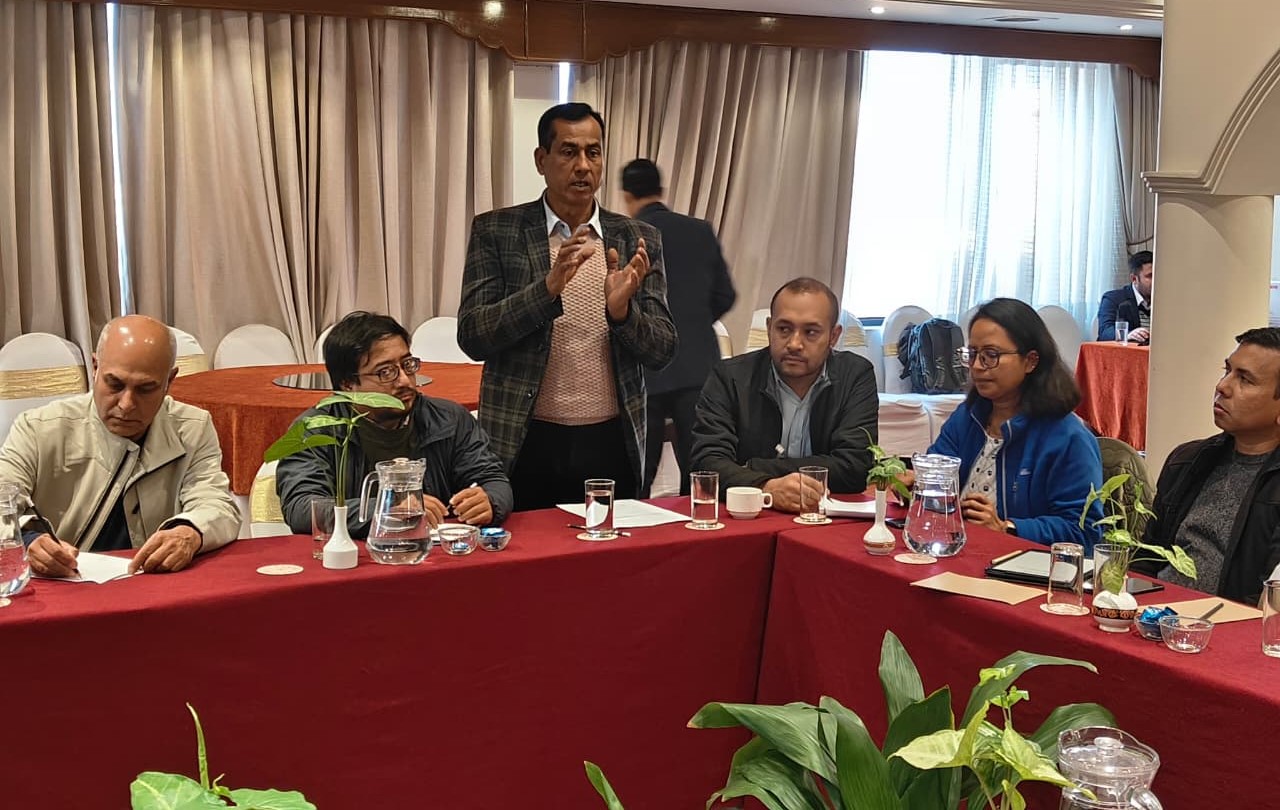
Representing MuAN, Secretary-General and Ghorahi Mayor Naru Lal Chaudhary said sewerage systems remain beyond the financial and technical capacity of most municipalities, making on-site sanitation the most viable option. He added that although Ghorahi lacks a fecal sludge management center, efforts are underway to improve management and regulation.
The meeting also discussed the strategic plan being developed for citywide inclusive sanitation advocacy, along with other emerging issues.
Established in December 2021, CWISAN is coordinated by UN-Habitat Nepal and comprises 22 member organizations, including academic institutions, bilateral agencies, civil society groups, international NGOs, media, private companies, and UN agencies. The alliance aims to promote safe and inclusive sanitation through collaboration and policy advocacy