340 पटक हेरिएको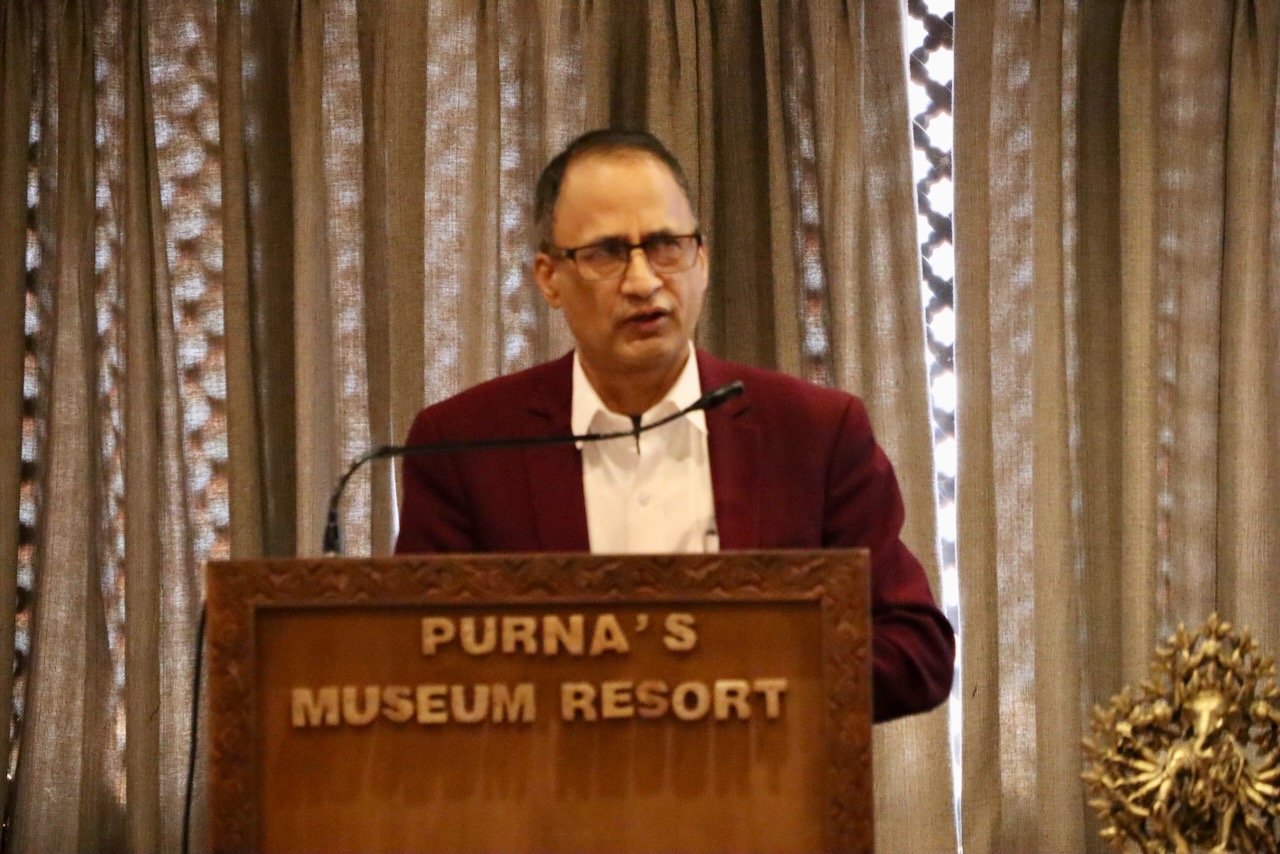
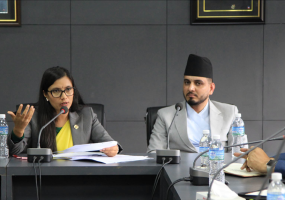
Kathmandu: Dr. D.P. Chapagain, Executive Director of the Kathmandu Valley Water Supply Management Board, has stated that centralized sewerage systems are extremely expensive and unsustainable in the long term for a country like Nepal.
At the knowledge sharing and learning exchange program of the “Dukuchhap Sustainable Water Supply and Sanitation Project” conducted in Godawari Municipality, Lalitpur, he noted that due to the high costs of constructing and operating sewerage systems, on-site sanitation systems are a more suitable option.
Dr. Chapagain emphasized that building a sewerage system entails not only initial investment but also very high recurring costs for operation, maintenance, treatment processes, and energy. “Even if a sewerage system is constructed with donor support, it becomes impossible to bear the cost of its operation,” he said. “In the long run, it imposes a significant financial burden on local governments and the state.”
According to him, due to population density, geographic conditions, and economic capacity, it is difficult to operate centralized sewerage systems effectively in many towns and settlements in Nepal. Therefore, on-site sanitation systems such as septic tanks, fecal sludge management (FSM), or decentralized wastewater treatment plants designed according to local contexts are more practical, sustainable, and cost-effective options.
Dr. Chapagain also highlighted the need to prioritize such on-site sanitation systems at the policy making level. He stressed that sanitation should be viewed not only in terms of infrastructure development but also in terms of long-term operational capacity and economic sustainability.
He mentioned that even in Kathmandu, the centralized sewerage system cannot be improved within the Ring Road area. “It is possible to consider expanding the centralized sewerage system in the outer areas of the Ring Road, but improvements cannot be made within the Ring Road,” he said.
Water and sanitation experts argue that, in a country like Nepal, promoting safe on-site sanitation systems while strengthening the capacity of local governments is the most effective approach for public health and environmental protection.