625 पटक हेरिएको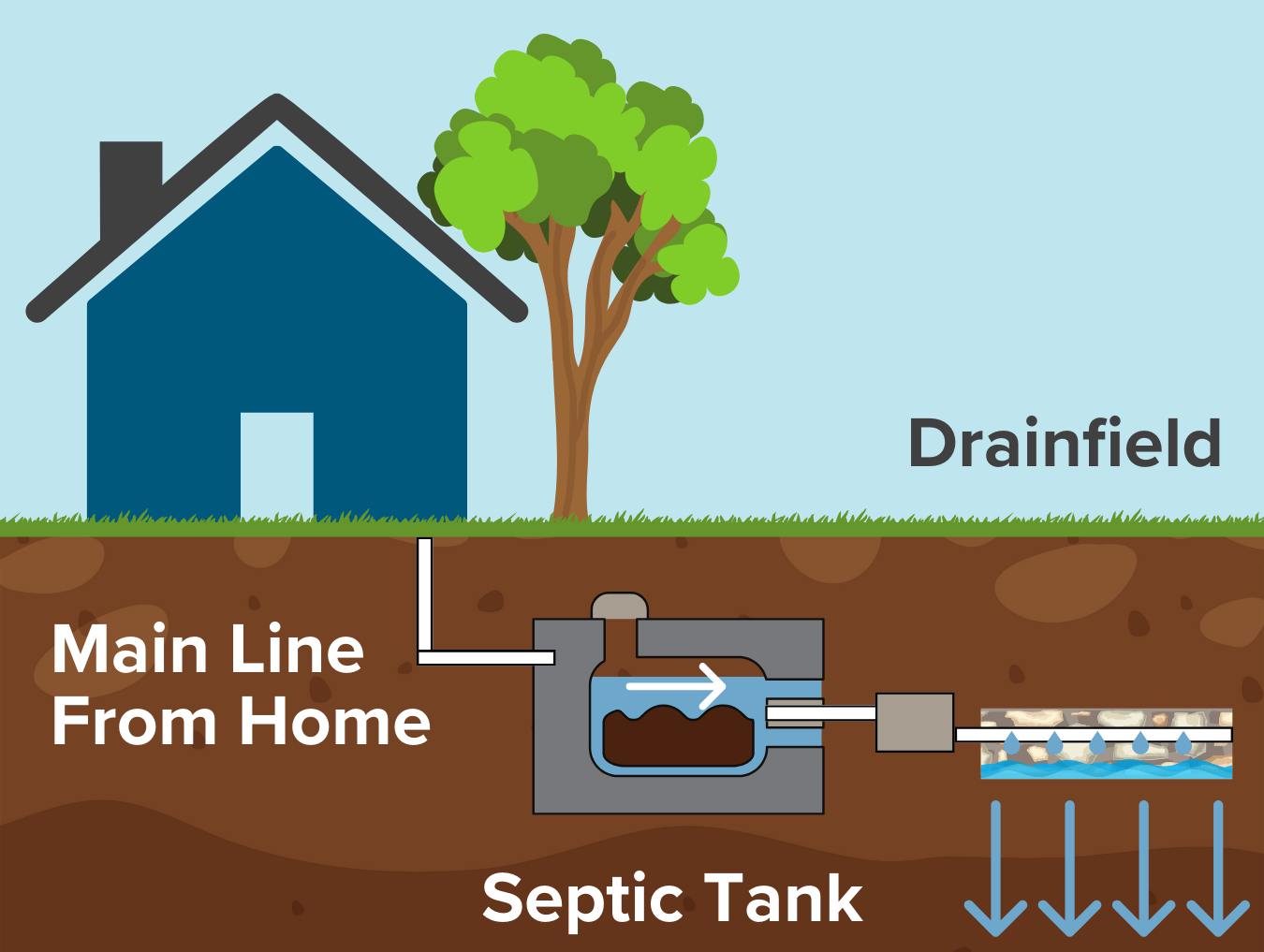
Sanitation is directly linked to human health, environmental protection, and a dignified life. Without access to safe toilets, neither a healthy community can be built nor can water sources be protected.
In this context, for a geographically diverse country like Nepal, onsite sanitation has increasingly been established as a practical solution.
Onsite sanitation refers to a sanitation system in which human excreta and wastewater generated in a house, institution, or settlement are collected, treated, and safely managed at or near the place of origin. In this system, waste does not need to be transported to distant treatment plants through sewer pipelines. Instead, it is managed locally through septic tanks, pits, or other structures constructed along with the toilet.
In many rural, hilly, and scattered settlements of Nepal, expanding sewerage systems is technically, economically, and geographically challenging. Sewerage systems are not only expensive to construct, but their long-term operation and maintenance costs are also high. For this reason, onsite sanitation is considered the most appropriate and cost-effective option in such areas.
Major examples of onsite sanitation systems include septic tanks, pit latrines, flush toilets, double pit toilets, biogas toilets, ecosan toilets, and other fecal sludge treatment systems. These systems can be selected according to household conditions, topography, availability of water, and economic capacity.
Generally, this system works as follows: excreta from the toilet is collected in a septic tank or pit. Solid matter settles at the bottom, while the liquid portion gradually infiltrates into the ground through a soak pit or soil. Microorganisms inside the tank or pit partially treat the waste. After a certain period, when the tank or pit becomes full, the accumulated sludge must be safely removed and treated or disposed of.
For the success of onsite sanitation, this aspect of fecal sludge management is extremely important. If sludge extraction and management are not carried out in a systematic manner, there is a high risk of groundwater contamination, pollution of drinking water sources, and the spread of diseases. Therefore, along with toilet construction, a long-term plan for sludge management is essential.
Overall, onsite sanitation is not just about building toilets; it is a complete system that ensures human excreta are managed in a way that is safe for both the environment and public health. Amid limited resources, complex geography, and water scarcity, onsite sanitation has become an indispensable option for Nepal to ensure safe sanitation.
To achieve the goal of sustainable sanitation, future discussions should no longer be limited to the construction of infrastructure alone, but should focus on making onsite sanitation systems safe, well managed, and sustainable in the long term.