413 पटक हेरिएको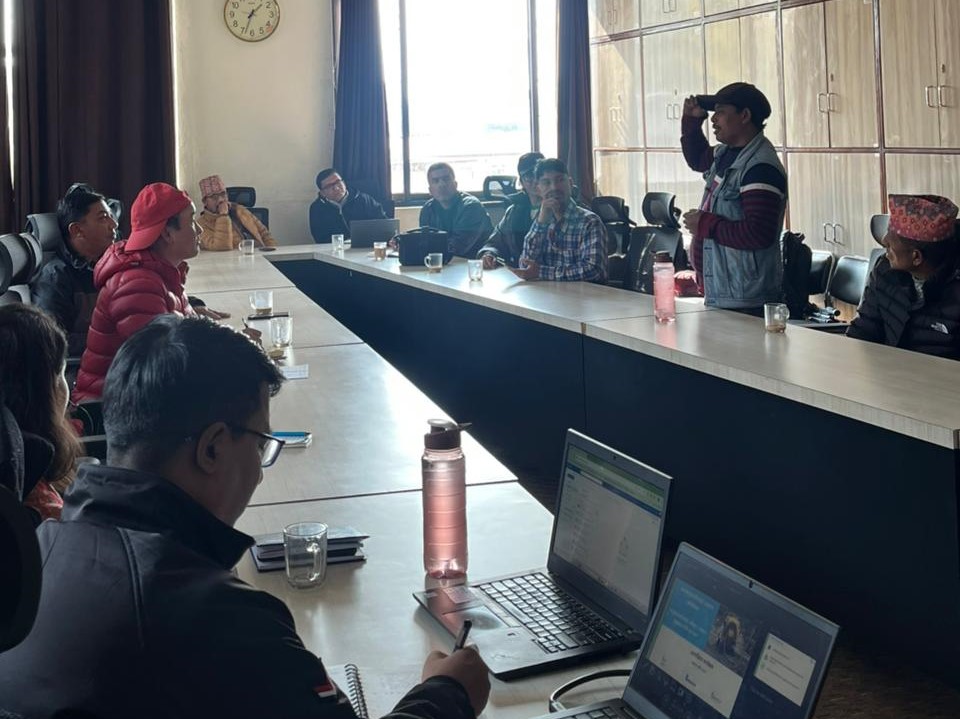
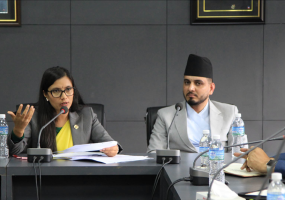
Kathmandu: An interaction programme was held with sanitation workers on issues related to their rights, dignity, and safety.
The interaction was organized among the Ministry of Water Supply, the Department of Water Supply and Sewerage Management, Lalitpur Metropolitan City, WaterAid Nepal, Environment and Public Health Organization (ENPHO), and sanitation workers.
During the programme, sanitation workers shared their personal experiences regarding the problems and challenges they face in the course of their work.
Major Problems Faced by Sanitation Workers
-
Lack of designated sites to dispose of waste after emptying septic tanks
-
Absence of a platform to express grievances or seek redress
-
No insurance coverage
-
Compulsion to provide services at very low fees
-
Risk of being forced out of the profession due to fines imposed by local governments
-
Lack of a dignified working environment
-
Absence of risk assessment tools, leading to hazardous working conditions
The interaction also included extensive discussions on possible measures to address these problems faced by sanitation workers.
It was noted that some of the problems are related to infrastructure, some are linked to dignity and social respect, and others need policy-level interventions. Therefore, discussions were held on immediate, medium-term, and long-term solution options.
During the programme, Yogendra Chitrakar, Chief of the Sectoral Capacity Development Section at the Ministry of Water Supply, informed that the Ministry has started drafting guidelines on occupational health and safety.
Similarly, Dr. Rajit Ojha, Chief of the Service Regulation Section at the Department of Water Supply and Sewerage Management, stated that some of the problems cannot be resolved by the Department or the Ministry alone and require inter-ministerial coordination. He added that the problem of lacking disposal sites after septic tank cleaning would be resolved once wastewater treatment plants are completed.
At the programme, Rajendra Shrestha, Executive Director of the Environment and Public Health Organization (ENPHO), said that sanitation workers should take pride in their profession. He mentioned that although voices have been raised in the sanitation sector for a long time, some changes have only recently started to take place.
At present, there is no official data on how many sanitation workers are working in the Kathmandu Valley. It is said that the number of informal sanitation workers is much higher than those working in the formal sector.