367 पटक हेरिएको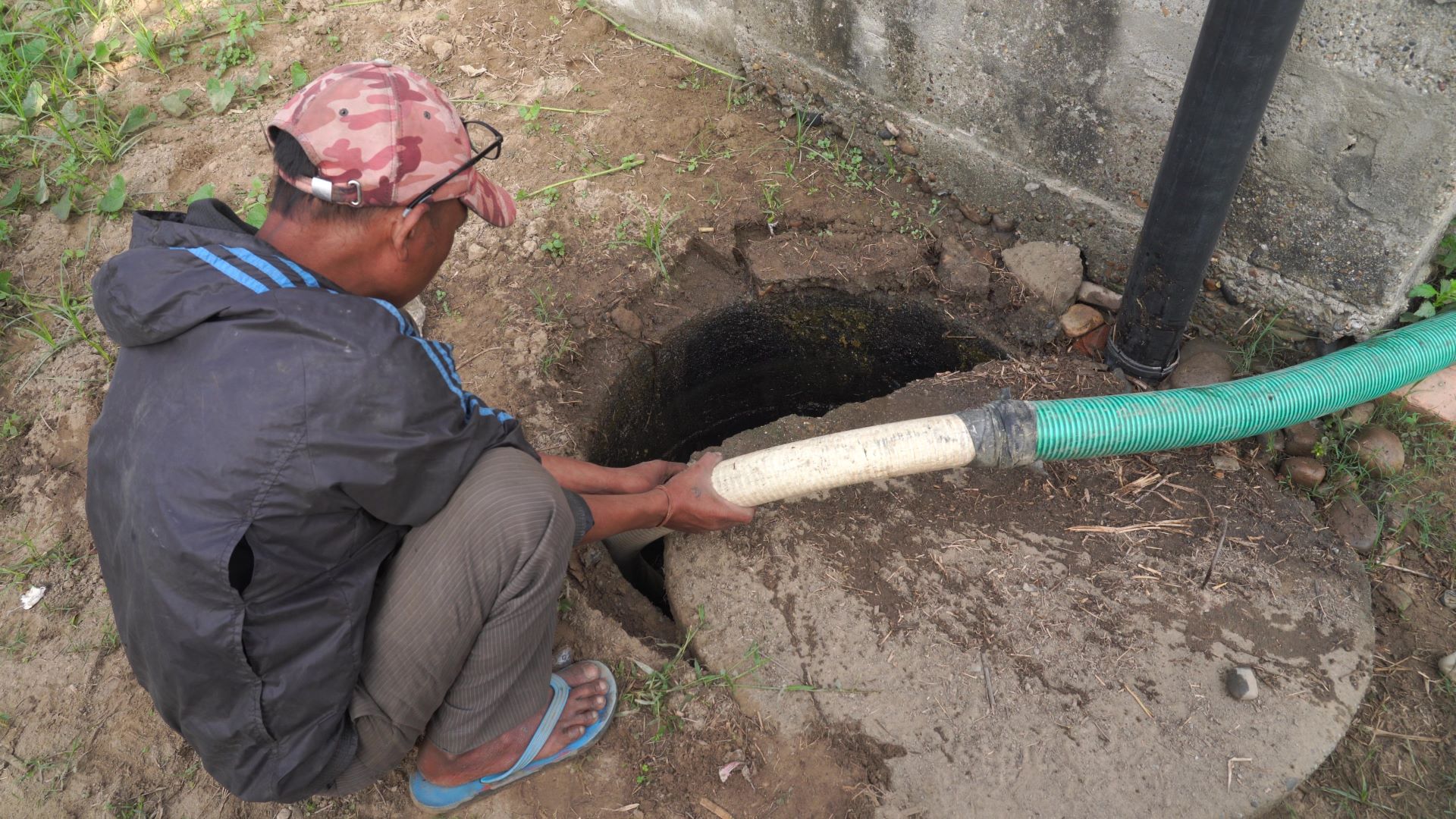
When the roads around our homes are clean, wastewater is flowing, and garbage is collected on time, behind all of this lies the labor of sanitation workers who begin their work early every morning. This labor is as essential as it is risky.
Sanitation workers are exposed daily to solid waste, sewage, chemicals, sharp objects, biological waste, and disease causing germs. In such conditions, if occupational and health safety measures are not followed, their lives and health can be placed at serious risk.
While working, sanitation workers must first pay attention to the basic practices that protect their own bodies. Wearing protective gear such as gloves, masks, boots, and aprons before starting work should be mandatory. These items are not mere formalities; they are the first line of defense against infections, skin diseases, injuries, and long-term health problems. Even a small cut on the hand while cleaning drains or handling waste can become an entry point for infection. Therefore, working without gloves is like confronting danger directly.
At the same time, understanding the condition of the worksite is equally important. Is there a buildup of gas inside the drain? Are there needles, broken glass, or sharp objects in the waste? Are chemicals mixed in? Such risks require constant alertness. Many accidents occur due to lack of information and haste. Therefore, providing necessary information and awareness before assigning work is the responsibility of those who deploy sanitation workers, while taking that information seriously is the responsibility of the workers themselves.
Health protection and self respect for sanitation workers are not limited only to the time spent working. Post work hygiene and health practices are equally essential. Washing hands and feet thoroughly with soap and water, bathing, keeping work clothes separate from household clothes, and cleaning them regularly can prevent many diseases. Neglecting these practices can allow infections to spread to family members, which becomes an even more serious concern.
Regular health check ups are also a critically important aspect of sanitation workers’ well being. Problems related to the skin, lungs, eyes, respiratory system, and digestive system can be treated more easily if identified at an early stage. However, many sanitation workers stay away from health check ups due to financial constraints, lack of time, or insufficient information. In such situations, it becomes a social responsibility of local governments, institutions, companies, or municipalities to arrange health insurance, regular medical examinations, and counseling services.
At the center of all this lies the dignity and mental health of sanitation workers. Discriminatory attitudes and social neglect can negatively affect their mental well being. On the other hand, a safe working environment, respectful behavior, and the feeling of being able to care for one’s own health strengthen their morale and commitment to work. Sanitation workers themselves must also internalize the belief that “my health is my right” and adopt safety practices as the foundation of long term protection.
Ultimately, the occupational and health safety of sanitation workers is linked to public health, human dignity, and social justice. Only when sanitation workers are safe can our neighborhoods, cities, and society truly become safe and clean.