432 पटक हेरिएको
Sewerage management has become one of the most serious environmental challenges facing today’s cities and human settlements. With rapid population growth, unplanned urbanization, and changes in lifestyle, the volume of wastewater generated on a daily basis is increasing at an alarming rate.
In such a context, wastewater treatment systems that rely on expensive machinery, high energy consumption, and complex technologies are not practical for all locations. Against this backdrop, nature based wastewater treatment systems are increasingly being recognized as an effective, sustainable, and environmentally friendly alternative.
Nature based wastewater treatment refers to methods that purify sewage or wastewater by utilizing natural processes. These systems primarily rely on plants, soil, gravel, water, and microorganisms. The core concept is to scientifically design and harness the natural self-purification processes found in rivers, lakes, wetlands, and marshlands, where water is gradually cleaned by nature itself.
How Does the System Work?
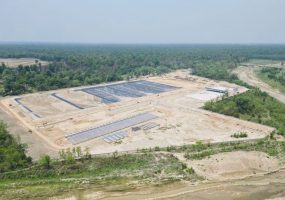
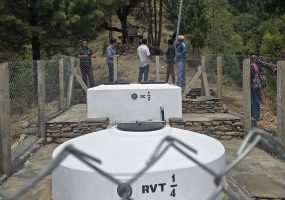
Such treatment facilities commonly include structures like constructed wetlands, reed beds, and stabilization ponds. Initially, wastewater flows into a primary tank where larger solid waste materials are separated. The partially treated water is then directed toward areas planted with vegetation.
In these planted zones, microorganisms living around plant roots play a crucial role by breaking down organic pollutants and rendering them harmless. The plants themselves absorb nutrients from the wastewater, further improving water quality. As a result, unpleasant odors are reduced and the concentration of harmful pathogens gradually decreases.
Key Advantages
One of the most significant strengths of this system is its low cost and ease of operation. It does not require excessive electricity, chemicals, or continuous involvement of highly skilled technicians. Since local materials can be used, construction costs remain relatively low. Routine maintenance is generally limited to plant care and monitoring water flow.
For these reasons, nature-based systems are particularly suitable for rural areas, small towns, schools, hospitals, and residential communities.
Relevance for Nepal
For a country like Nepal, this approach is especially relevant. Many settlements are located along riverbanks and in valleys, where the lack of proper wastewater treatment has led to severe river pollution.
Nature based wastewater treatment systems help prevent the direct discharge of untreated sewage into rivers, thereby supporting environmental balance.
Moreover, the treated water can be safely reused for irrigation, greenery promotion, or groundwater recharge, turning wastewater into a valuable resource rather than a liability.
Environmental, Social, and Educational Benefits
The benefits of these systems extend beyond environmental protection. Because they are green and landscape friendly, such treatment facilities often resemble community open spaces. They contribute to increased public awareness about sanitation and promote a mindset that views wastewater as a reusable and valuable resource.
In summary, nature based wastewater treatment systems represent a sustainable solution that balances development and environmental conservation. For countries like Nepal, which are facing the dual challenges of rapid urbanization and climate change, this approach has strong potential to serve as a long-term and resilient solution.