366 पटक हेरिएको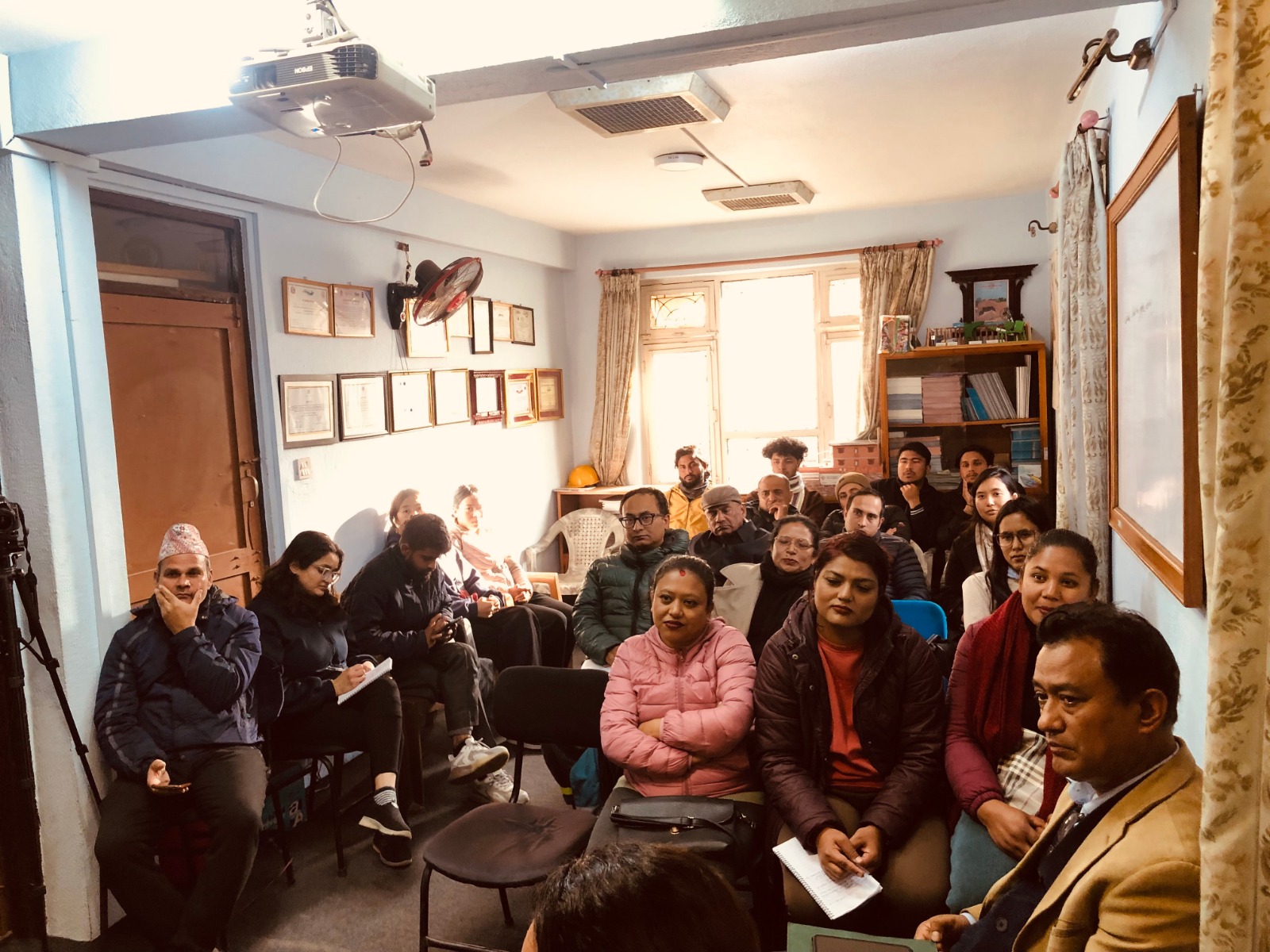
Kathmandu : The Centre for Urban and Infrastructure Development (CIUD) organized an Urban Dabali Talk on “Plastic Circular Economy for Sustainable Cities” on Friday, bringing together municipal officials, waste management practitioners, academics, civil society representatives, and students to explore practical solutions for plastic waste management in Nepal’s urban areas.
Held at the CIUD Hall in Gusingal, the event aimed to promote shared learning on Plastic Circular Economy (PCE) approaches and strengthen collaboration among municipalities and stakeholders addressing urban waste challenges.
The program was formally opened and facilitated by Yash Man Karmacharya, Program Manager at CIUD, who welcomed participants and outlined the objectives and schedule of the session. Delivering the opening remarks, Rija Joshi, Executive Director of CIUD, highlighted Urban Dabali as a platform for experience sharing, innovation, and collaborative problem solving among urban actors.
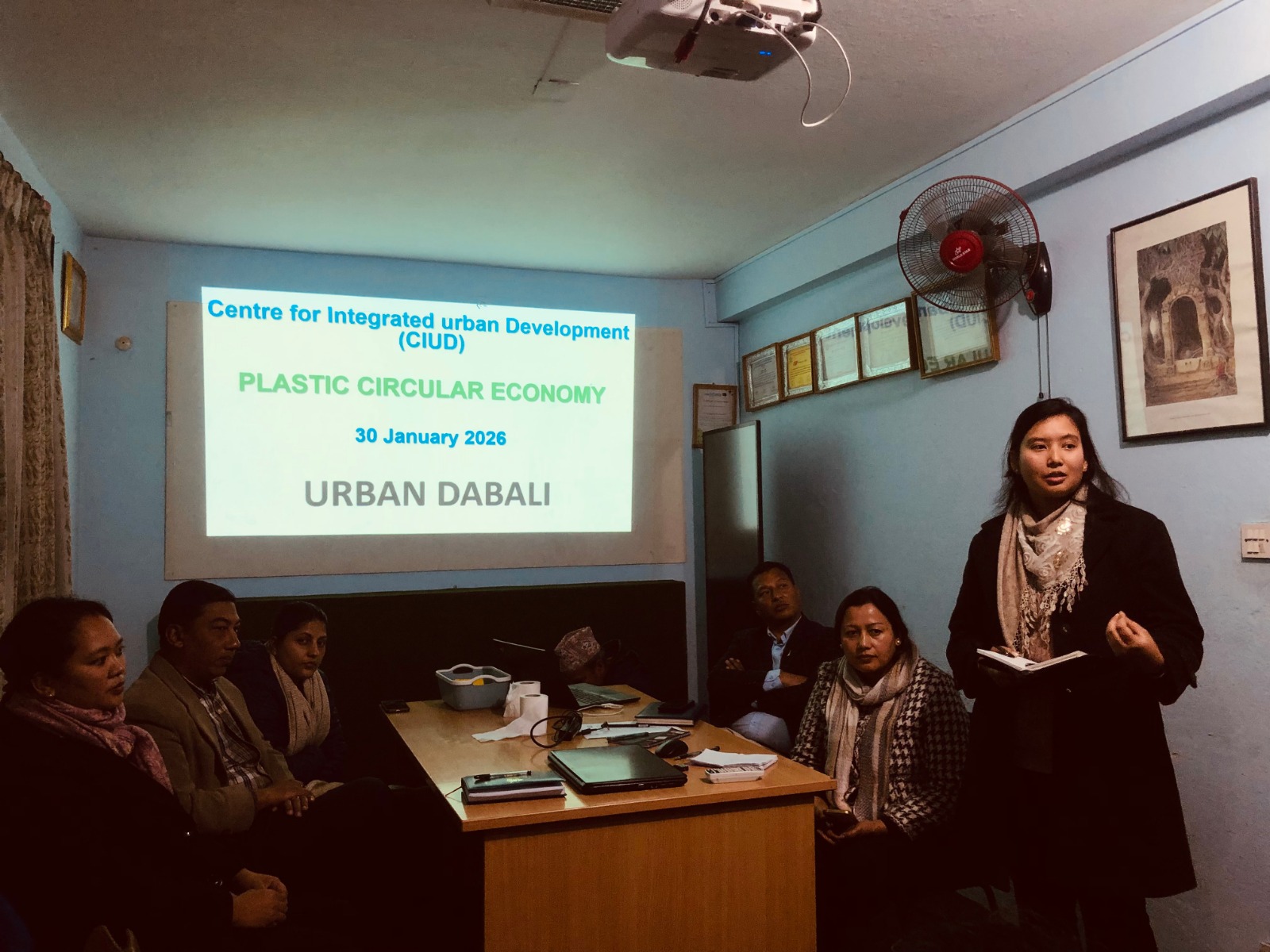
She emphasized the growing relevance of the Plastic Circular Economy in addressing Nepal’s escalating plastic waste problem, noting that CIUD has already initiated innovative PCE-related interventions. The Dabali, she said, aims to showcase field experiences, address public perception challenges, and explore opportunities for co-financing and scaling up successful initiatives. She encouraged participants to actively engage and translate dialogue into action.
Understanding Plastic Circular Economy
The technical session was led by Ms. Aastha Bindu Malla Thakuri, PhD Fellowship Scholar at Seoul National University and Team Leader for Plastic Circular Economy at CIUD. Presenting Nepal’s current waste scenario, she highlighted that plastic waste poses serious environmental and public health risks due to low recycling rates and poor segregation practices.
According to her presentation, nearly 90 percent of plastic waste in Nepal is unrecyclable, while only about 10 percent is effectively recycled. If current trends continue, landfill sites could reach capacity by 2030, she warned. Improper waste management practices such as open dumping and burning contribute to groundwater contamination, air pollution, and climate change.
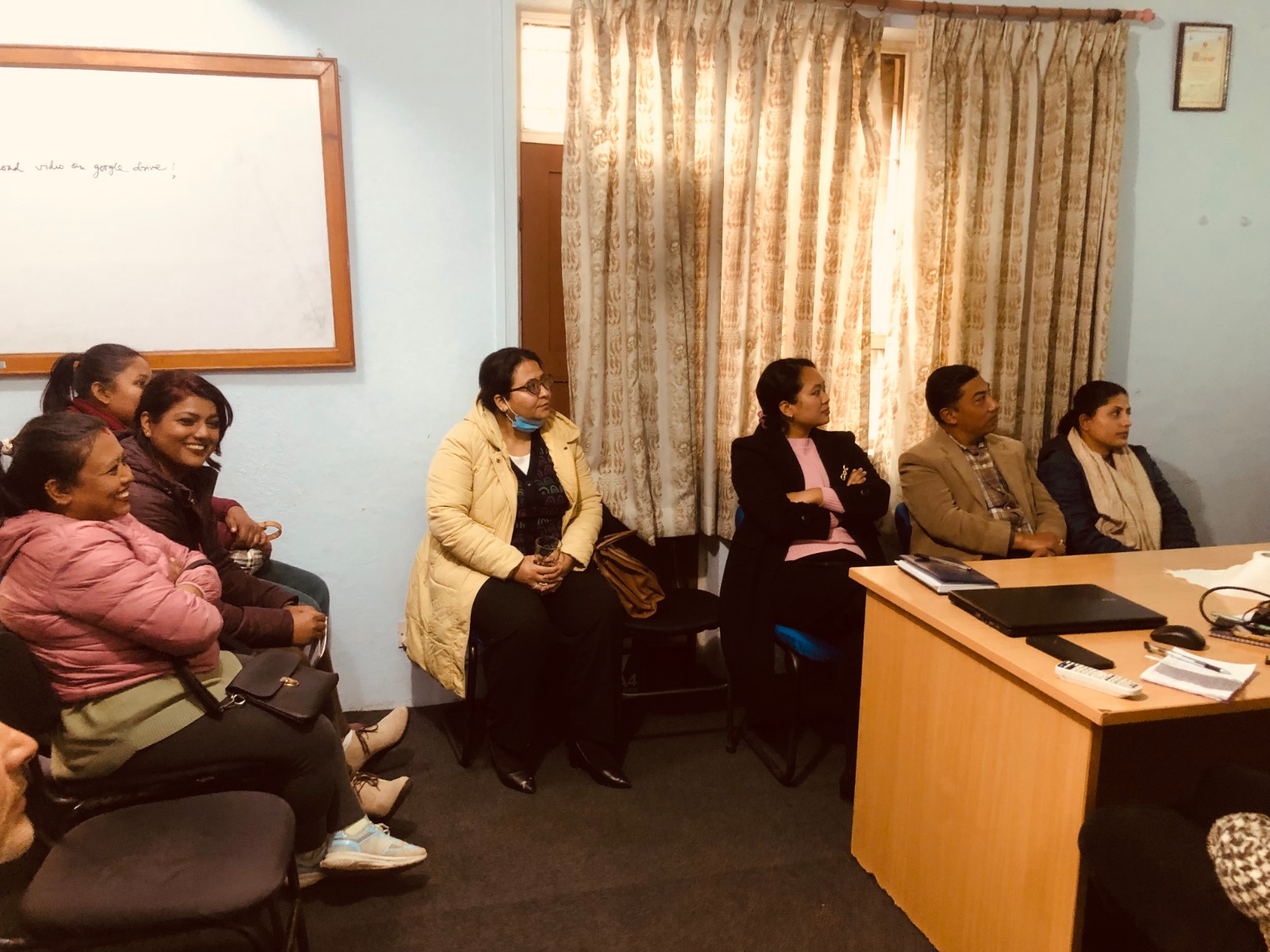
She emphasized that cities in Nepal can benefit from global best practices alongside locally developed solutions by adopting PCE approaches that reduce plastic use, promote reuse and recycling, and ensure safe handling and recovery without harming human health or ecosystems. Contrasting the linear “take use dispose” model with the circular economy approach, she highlighted reuse, recycling, and energy recovery as key strategies.
International examples from Japan and Chennai, India where wastewater and sludge are converted into biogas and agricultural inputs were shared alongside local success stories from Lumbini and Dhangadhi, where waste segregation and community engagement have yielded positive results. She stressed that behavior change, source segregation, and viewing plastic as a resource rather than waste are critical to advancing circular economy practices in Nepal.
Municipal Experiences and Innovations
Representatives from four municipalities shared their experiences, highlighting both progress and persistent challenges.
Tokha Municipality, represented by Anusha Sharma, Environment Officer, showcased initiatives such as household-level segregation training, plastic waste characterization, river clean-up campaigns, promotion of cloth bags, and rooftop (kaushi) farming. She noted challenges related to land scarcity, long-term sustainability, and the “Not In My Backyard” (NIMBY) mindset, emphasizing the need to formalize informal waste workers and promote practical alternatives to plastic packaging.
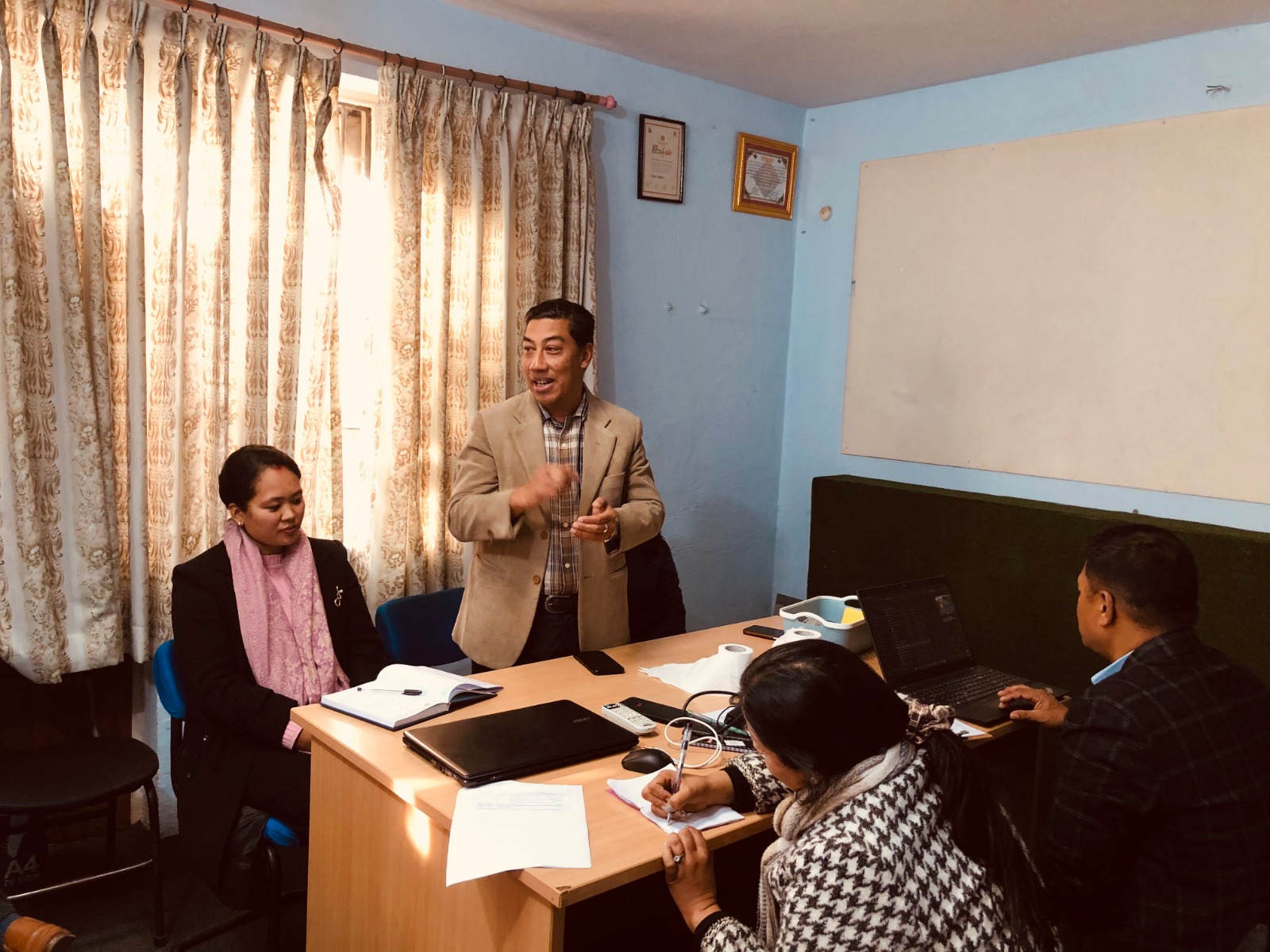
From Lalitpur Metropolitan City, Pradeep Amatya, Chief of the Environment Department, highlighted plastic reduction campaigns, PET bottle collection systems, distribution of red and green dustbins, and ward-level plastic recovery schemes. He pointed to economic incentives as an effective driver of behavior change, citing examples where plastic is purchased at NPR 7 and sold at NPR 22, demonstrating circular economy principles in practice.
Shristi Shrestha, Environmental Inspector from Kathmandu Metropolitan City, discussed cluster-based dry waste management, collaboration with private service providers, and initiatives such as river trash booms, rainwater harvesting, and biogas systems. She noted that plastic constitutes about 21 percent of Kathmandu’s waste, while challenges remain in segregation, monitoring, landfill dependency, and land availability.
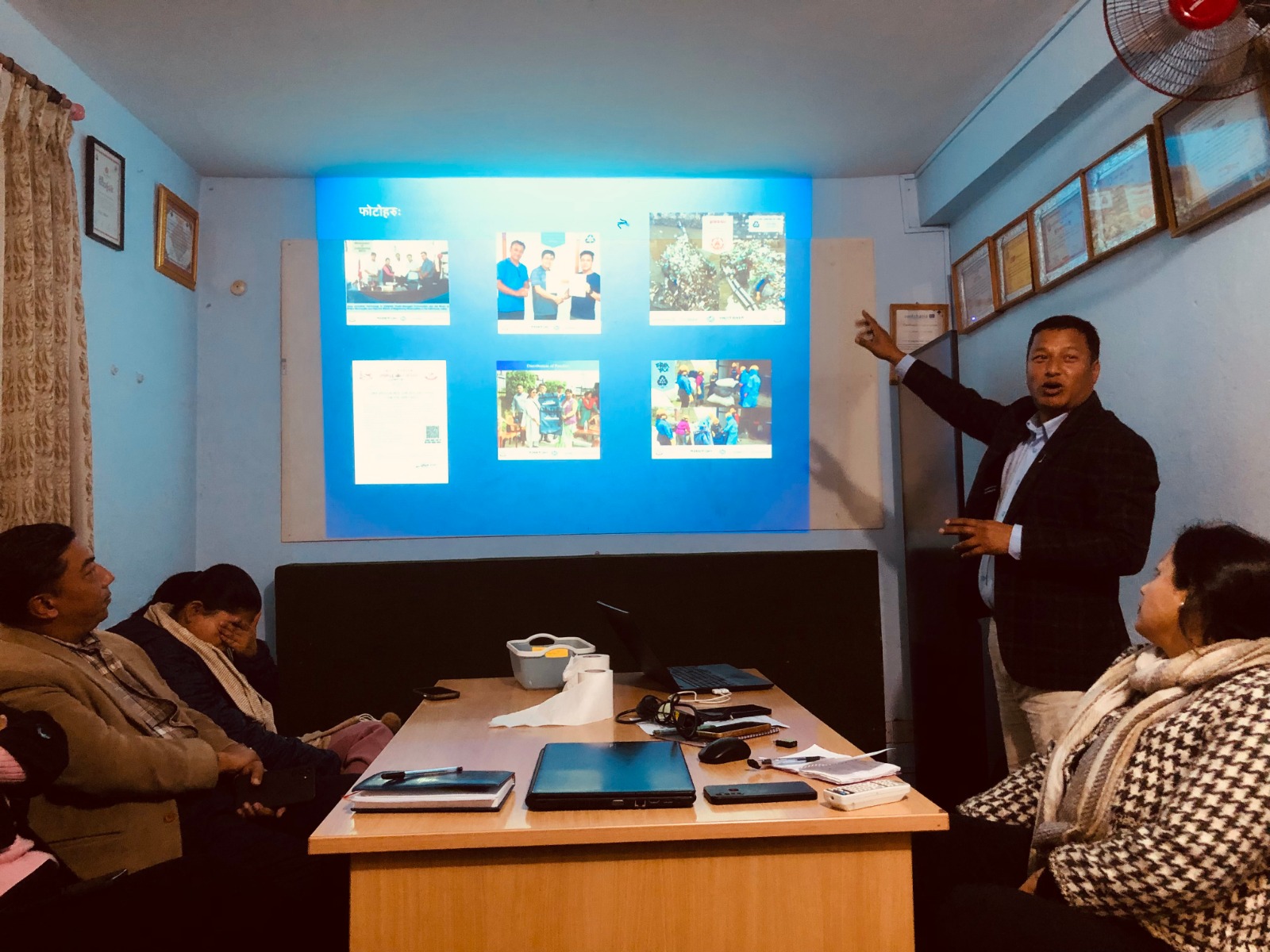
Representing Kirtipur Municipality, Gyan Bazra Maharjan, Chief of Environment and Disaster Risk Reduction, highlighted community-based plastic management practices and public–private partnerships that have achieved up to 75 percent plastic recovery. He shared examples where revenue from plastic sales was used for public street lighting and awareness campaigns such as “Mero Plastic, Mero Jimmebari.” He also highlighted the installation of a trash boom in the Balkhu River under the PLEASE Project, one of the first such initiatives in Nepal, along with the establishment of a Plastic Managed Community in Kirtipur.
Ms. Dipu Khaiju, Director of the Plastic Recycling and Upcycling Center (PRUC), shared operational experiences and challenges faced by the women-led plastic entrepreneurship center. The center was established in 2024 under the PLEASE Project in Kirtipur Municipality, with technical support from CIUD and funding from UNOPS/SACEP/The World Bank.
Shared Challenges and the Way Forward
An open floor discussion facilitated by Mr. Karmacharya allowed participants to reflect on grassroots experiences and policy gaps. Sarita Joshi from Nagarik Samaj emphasized citizen responsibility and community-led action, while Pratik Devkota, an environmental science student, called for stronger legal frameworks, enforcement of the Polluter Pays Principle, and greater institutional accountability.
Participants across sessions identified common challenges, including limited community participation, financial constraints, lack of infrastructure and machinery for scaling up recycling and upcycling, weak market linkages for recycled products, land scarcity, and gaps in policy enforcement and inter-agency coordination.
Conclusion
In her closing remarks, Rija Joshi stressed that plastic waste management requires collective solutions rooted in strong citizen responsibility. She emphasized that Urban Dabali is not merely a discussion forum but a practical platform for identifying implementable social and policy solutions. She called for stronger policy frameworks, integration of waste management education into school curricula, and coordinated efforts among local, provincial, and federal governments.
Participants expressed appreciation for the interactive and learning-oriented nature of the session, reaffirming the importance of collaboration in advancing Nepal’s vision of “Zero Waste to Landfill by 2030.”