1107 पटक हेरिएको
For generations, South Asian society has conditioned men to believe that strength means silence. From early childhood, boys are told, “Be a man,” “Don’t cry like a girl,” “Crying is for girls.” These sentences are spoken casually at home which are reinforced by culture, and echoed across Nepal, India, Pakistan, Bangladesh, and beyond, teach men to suppress their emotions in the name of honor, masculinity, and reputation.
What we rarely talk about is the invisible cost of this silence, a burden that grows heavier with age .I understood this deeply a few months ago when my 66-year-old father shared something he had never expressed before in family gathering. At my own relative’s cremation, he suddenly broke down. Later, he said quietly, “I had never cried at the ghat before, but this time I couldn’t stop myself. Maybe I’m getting older.” That moment after a lifetime of emotional restraint touched me profoundly.
Again, few month ago , on a flight to Dubai, I witnessed another glimpse of the emotional pressure the young boy carry. The young boy sitting beside me was quietly crying. I gently asked if he was alright. He broke down and said, “Didi, I have never left my parents before. I wasn’t always kind to them. Now they are old, and I regret leaving. But society pushes us to go abroad for studies.
I couldn’t even cry in front of my family. It’s hard for boys.” His words reflected the silent suffering of countless South Asian men’s pain that remains unspoken, unseen, and unresolved. Lately, I have begun noticing this emotional restraint everywhere, especially within my own family and circle. Men often hide their stress behind phrases like “I’m just busy with work” or “Everything is fine,” while carrying deep exhaustion, pressure, fear, and loneliness.
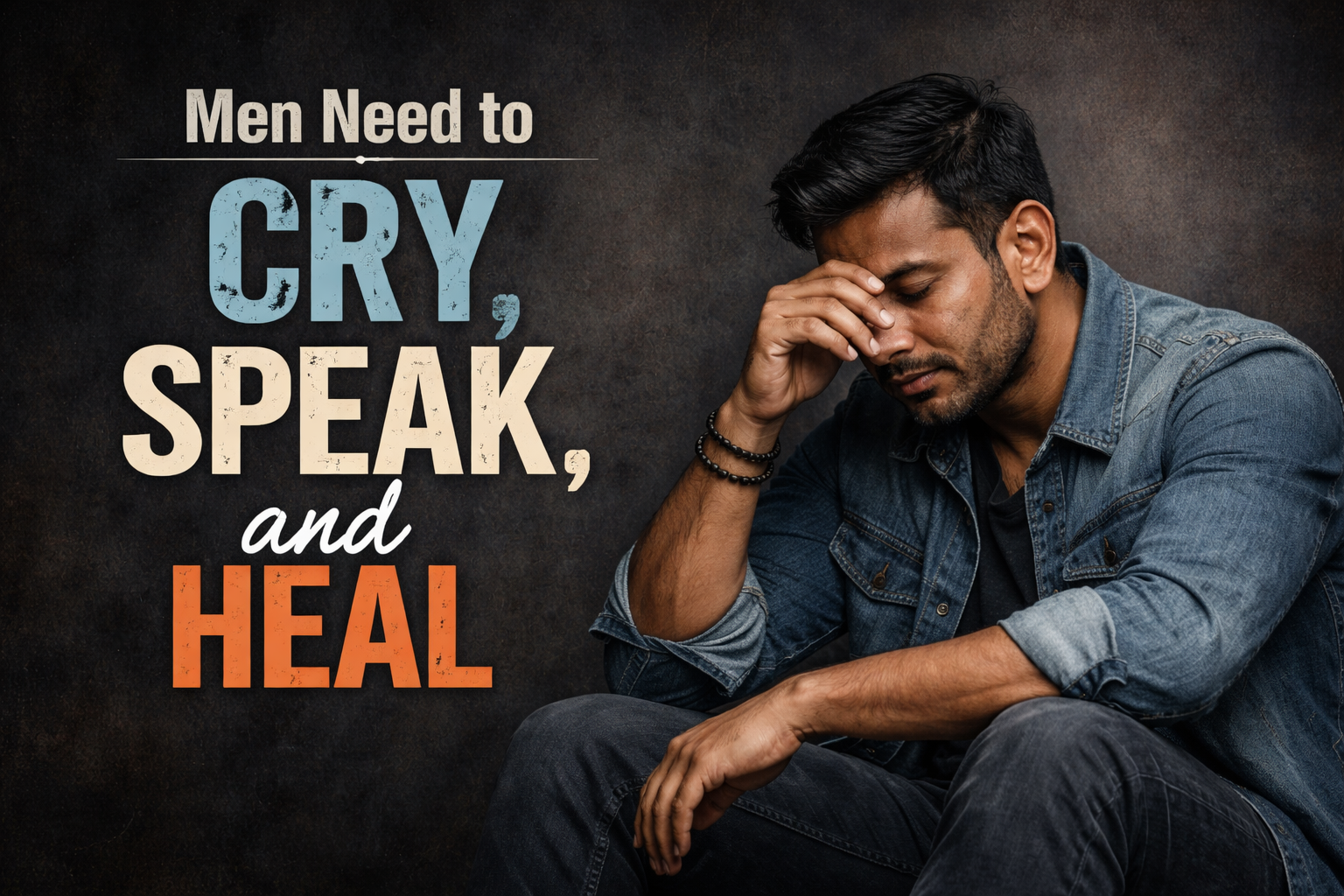
But men have emotions too. They feel deeply. They hurt deeply. They love deeply. And it is time we normalize men expressing what they feel. Strength is not silence. Strength is honesty. These experiences made one truth clear: we don’t just need a Men’s Day (19 November) but we need a cultural shift. The reality is alarming. Globally, men die by suicide at significantly higher rates than women. In South Asia, the crisis is even more severe than we are willing to acknowledge. Across countries like Nepal, India, Bangladesh, Pakistan, and Sri Lanka, studies consistently show higher suicide rates among men, alongside widespread depression and anxiety.
The belief that men must remain silent is not just outdated but it is dangerous.Yet the idea that “real men don’t cry” remains deeply woven into our cultural fabric. Boys grow up believing that vulnerability brings shame, that emotions weaken family honor, and that tears somehow make them “less manly.” Popular media often reinforces this image, glorifying the stoic hero who suffers alone. Crying is shown only in moments of extreme tragedy, never as a healthy response to everyday emotional pain.
This conditioning is often called hyper‑masculinity and comes with serious consequences. It increases stress, anxiety, and heart disease; delays seeking medical and psychological help; fuels emotional isolation; and contributes to rising suicide rates among men. As one psychiatrist aptly said, “Just like we eat and breathe, we also need to cry. Tears signal something that needs attention. When ignored, it becomes illness.” In collectivist societies like ours, seeking mental‑health support is still heavily stigmatized. Men are expected to endure silently for the sake of duty, family, and social expectations.
Their pain is often dismissed, misunderstood, or minimized. When vulnerability is punished, suffering becomes invisible and invisibility can be fatal. If South Asia wants healthier families and society, relationships, and communities, we must expand our understanding of men’s emotional needs. Boys must learn early that crying is human, not shameful. Families must listen without judgment instead of equating vulnerability with weakness. Schools must teach emotional literacy. Media and public figures must show that vulnerability is strength. Communities must create safe, accessible mental‑health support systems that include and encourage men.
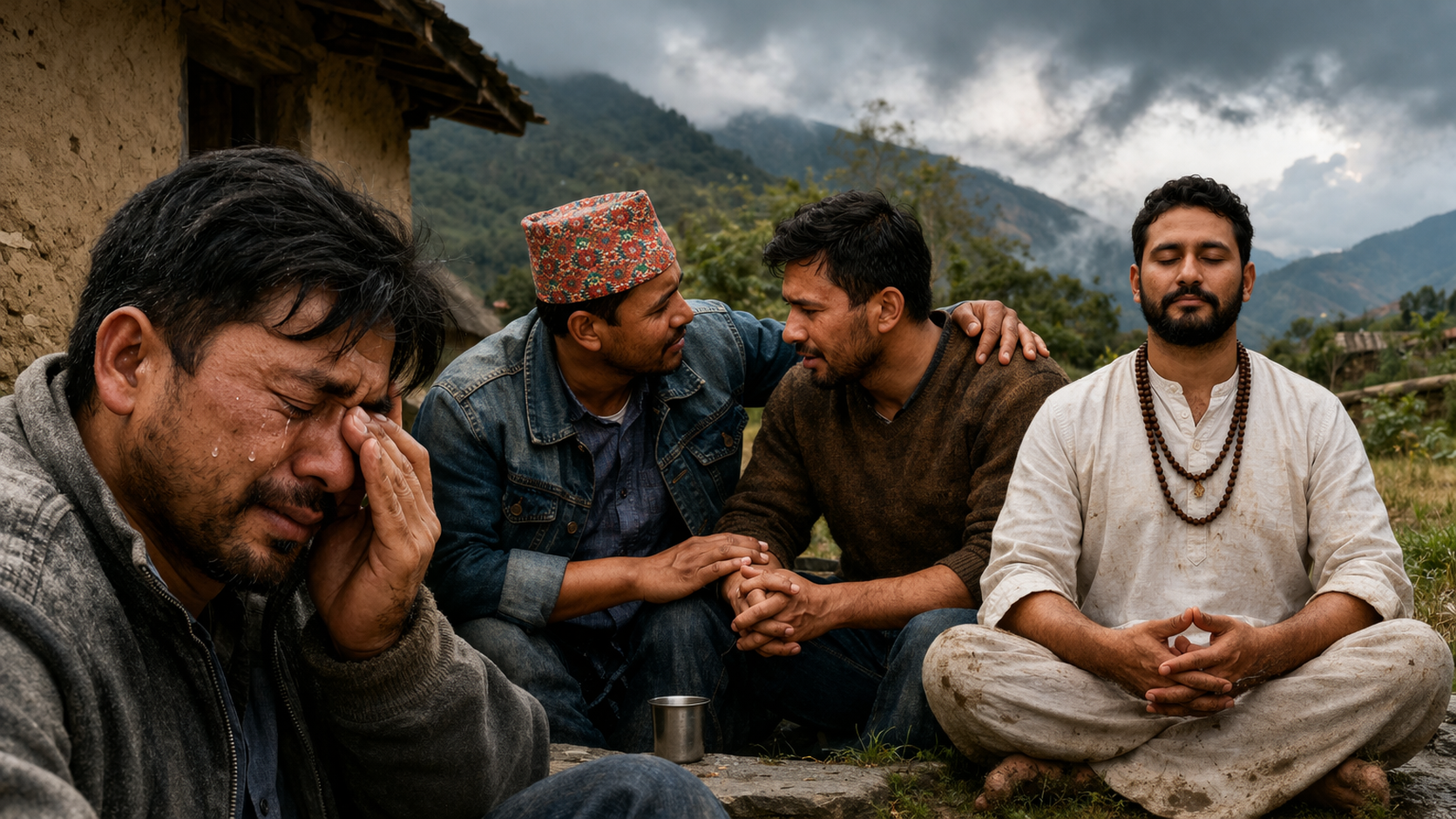
Research shows that social expectations often discourage men from expressing their emotions, which can lead to higher stress levels and strain both personal and professional relationships. When these pressures go unexpressed, they may affect how men communicate, manage conflict, and cope with responsibility at home and at work. On the other hand, men who feel emotionally supported are more likely to engage openly, regulate stress effectively, and build healthier connections with others.
This not only strengthens family relationships and creates more positive workplace interactions, but also helps ease the emotional burden that women often carry. In this way, supporting men’s emotional wellbeing contributes to healthier households, more balanced partnerships, and more supportive professional environments
Men do not need to “man up.” Men need space to feel, to speak, to cry, and to heal.
This issue goes beyond South Asia, but in our region where tradition and social pressure deeply shape daily life,the need for change is urgent. We must create a culture where men can cry without shame, sons can admit fear, fathers can express pain, brothers can ask for help, and husbands can speak without being labeled weak.
Men’s mental, emotional, and physical health shapes the wellbeing of entire families and communities, society and nation. Supporting men is not just kindness it is social responsibility. To every father, son, husband, brother, and friend: If you need to cry, let your tears fall. If you need support, speak up.
If you feel overwhelmed, reach out. Vulnerability is strength. Emotion is human. And men deserve healing too.
Author: Srijana Karki (Social Activist)