305 पटक हेरिएको
Siraha: A little south of the East–West Highway in Lahan lies Matiarwa Tole of Siraha district. Mostly inhabited by members of the Saday community, the settlement presents a scene that immediately captures attention – a tiny hut made of bamboo fencing and mud, beside which stands a solid concrete toilet.
The contrast between the fragile house and the sturdy toilet tells a powerful story of social transformation. At the center of that story is Bimala Saday.
Bimala’s financial condition did not allow her to build a concrete house. But her awareness and sense of dignity would not allow her to continue defecating in the open. During earlier sanitation campaigns, she had built a temporary toilet, but it gradually collapsed with time.
Many families in Matiarwa returned to their old ways. Some began waiting in line to use shared toilets, while others were once again forced to defecate in open spaces.
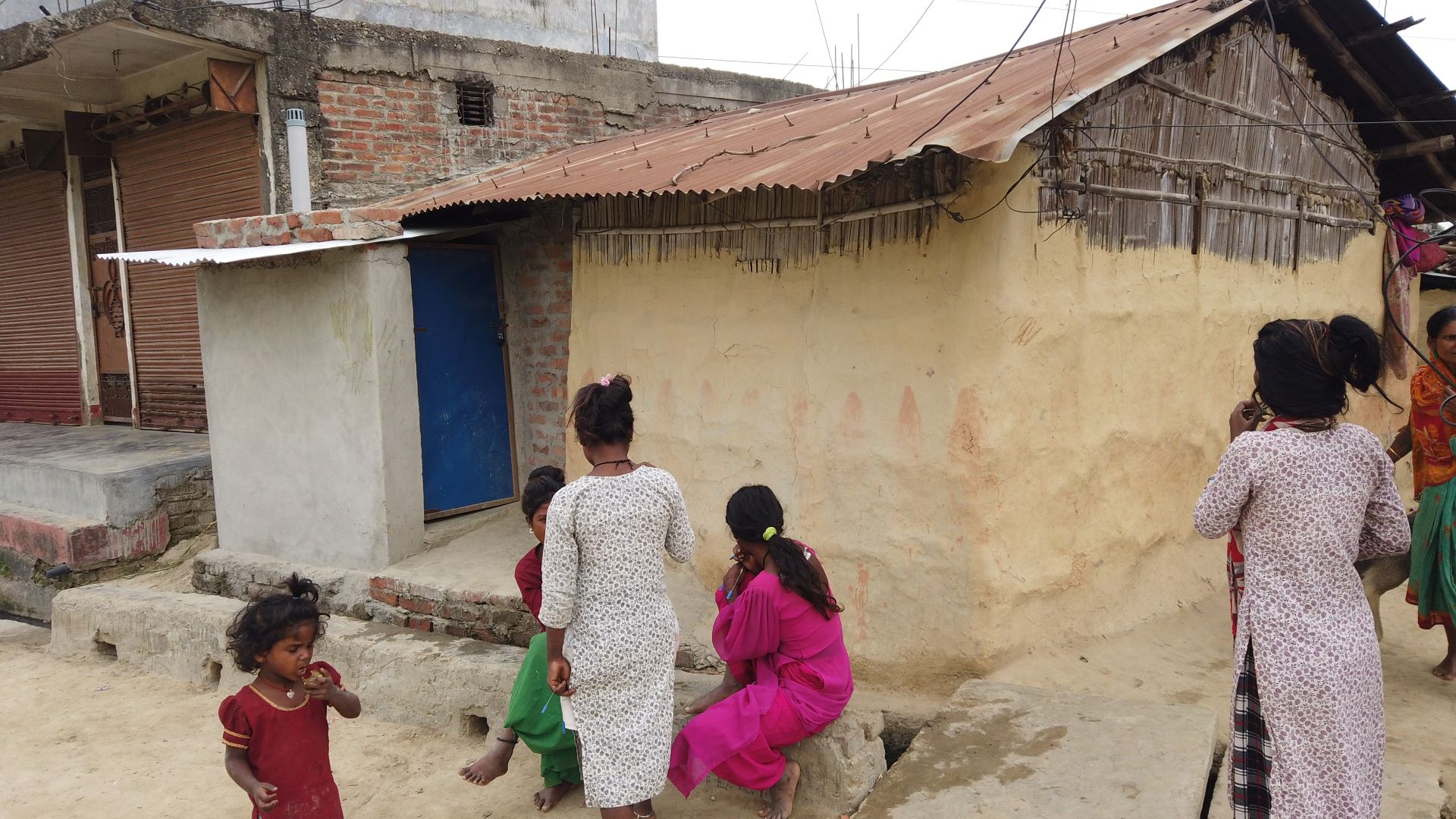
But Bimala refused to give up. She says, “Even if a house made of bamboo and mud somehow gives shelter, for a woman, going out in the open for defecation feels like placing her dignity on the street. I did not want to wait for charity from others, so I built this concrete toilet with my own effort.”
Although Lahan was declared an Open Defecation Free municipality nearly a decade ago, a recent assessment found that around 4,200 households still lacked toilets. Following this revelation, the municipality, with support from WaterAid Nepal, launched the “Ghar Ghar Ko Shaan, Swachhata Abhiyan” (Pride in Every Home, Cleanliness Campaign) on November 19, World Toilet Day.
That campaign deeply influenced Bimala. Rather than being counted among households without toilets, she decided to become an example for others. Without any external financial support, and through her own small savings and hard work, she built a permanent toilet beside her home.
The Dignity and Self-Respect a Toilet Brought
For Bimala, the toilet is no longer just a place for sanitation. It has become a symbol of dignity and self-respect.
Many of her neighbors still struggle due to the lack of toilets, but the transformation in Bimala’s home has sparked new conversations throughout the settlement.
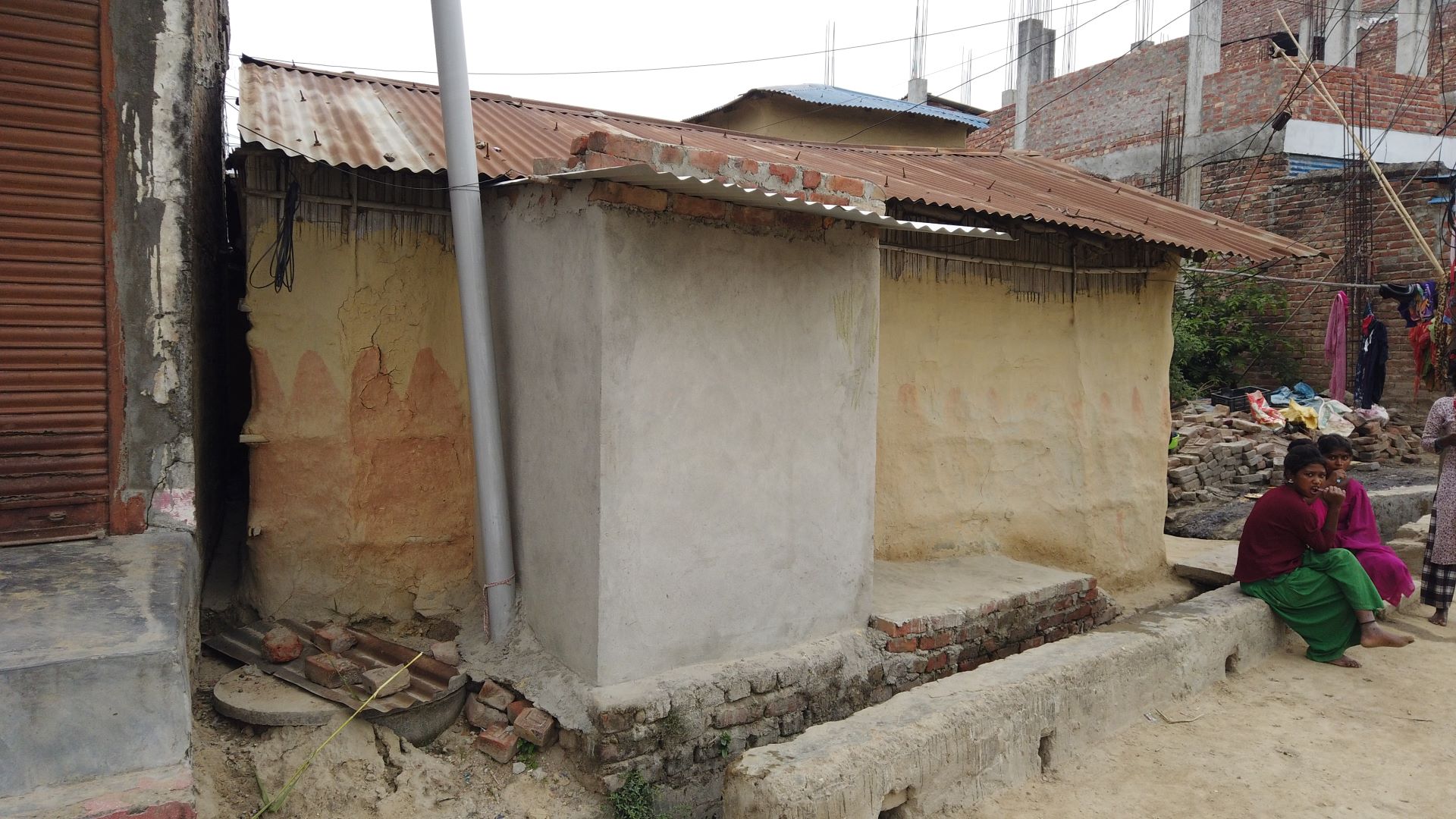
With pride, Bimala says: “My house is right beside the road, so people passing by always look at it once. Maybe it is because the toilet looks better than the house itself.”
Having a toilet is not only about sanitation; it is deeply connected to women’s dignity and safety.
Bimala recalls: “When I remember the hardships and humiliation I faced while going out in the open for defecation, it still frightens me. Life has become so much easier now.”
The courage shown by Bimala Saday in Matiarwa Tole of Lahan teaches an important lesson: transformation requires determination more than budget.
If a woman living in a mud-plastered bamboo hut can build a concrete toilet through her own perseverance, then the dream of a “Clean Lahan, Pride of Every Home” may not be far away after all.