486 पटक हेरिएको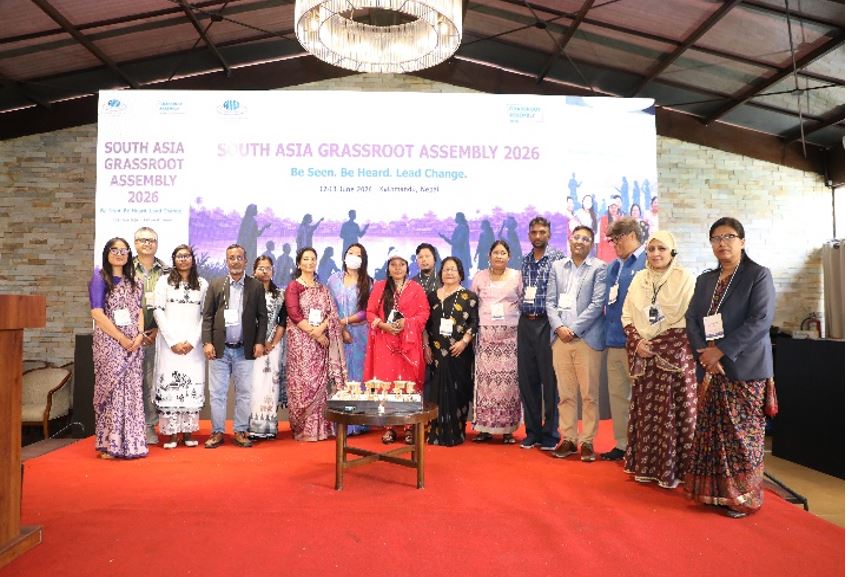
Kathmandu: The South Asia Grassroots Assembly 2026 concluded in Kathmandu, placing community leadership, participation, and decision-making at the center of discussions on Water, Sanitation and Hygiene (WASH).
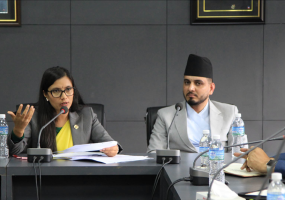
Organized by the Freshwater Action Network South Asia (FANSA), the two-day assembly was held under the theme “Be Seen. Be Heard. Lead Change.” The first day was dedicated as “WASH Day,” bringing together grassroots leaders, government representatives, development partners, WASH experts, and civil society actors from across South Asia.
A distinctive feature of the assembly was its reversal of the traditional conference format. Community representatives were positioned as speakers and knowledge holders, while policymakers and development practitioners assumed the role of listeners. According to the organizers, this approach conveyed a clear message that communities are not merely beneficiaries of development programs but genuine agents and leaders of change.
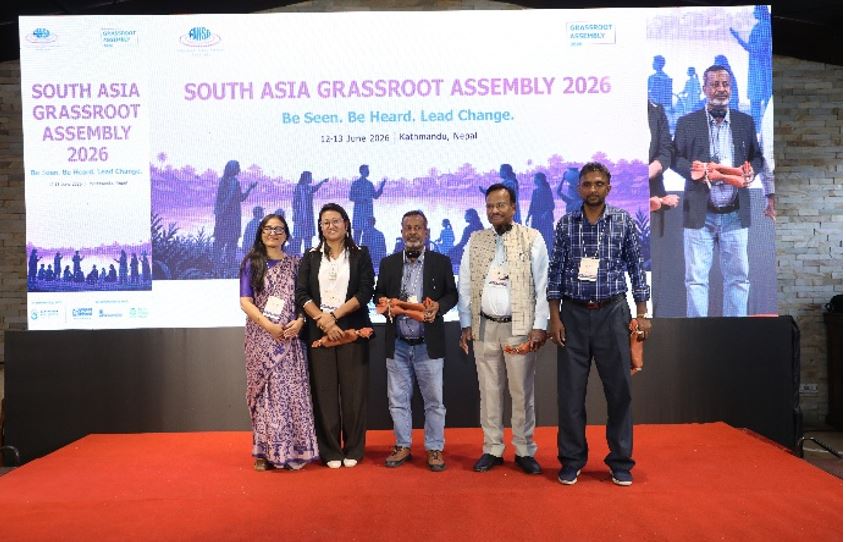
Opening the event, Samira Shakya, Programme Manager at FANSA, stated that the assembly aimed to ensure that community voices are meaningfully integrated into WASH governance systems. Welcoming participants, Lajana Manandhar, FANSA Regional Coordinator, emphasized that meaningful transformation in the WASH sector begins not in conference halls but within communities themselves.
Special speakers included Meena Shrestha, Executive Director of the National Drinking Water, Sanitation Research, Innovation and Capacity Development Centre, and Shahiya Ali Manik, Director at SAARC. They stressed that community experiences are not merely narratives but valuable sources of evidence and innovation. They further highlighted the need for research, policies, and programs to be grounded in the lived realities of communities.
Keynote speaker and community activist Bimala Lama underscored the importance of women’s leadership in the WASH sector and called for community-led initiatives to be integrated into institutional structures. WASH expert and strategist Dr. Roshan Raj Shrestha noted that addressing challenges such as climate change, inequality, and social exclusion requires community-driven innovation, inclusion, and resilience. He interpreted the assembly’s theme “Be Seen,” “Be Heard,” and “Lead Change” as a call to make the invisible visible, transform listening into meaningful partnerships, and position communities as partners in governance.
Discussions on Institutionalizing Community Engagement
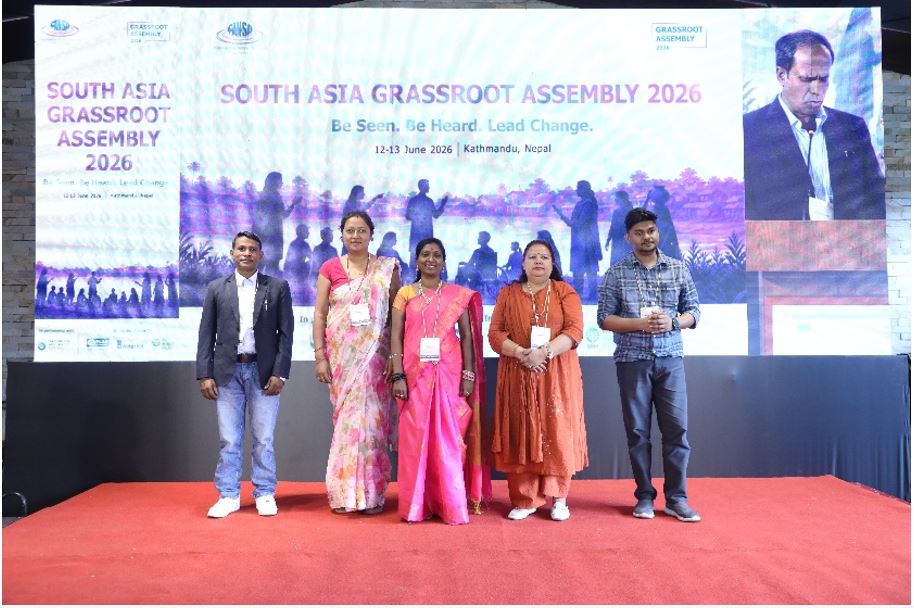
Under the session titled “Institutionalizing Community Engagement,” grassroots leaders from Bangladesh, Nepal, Sri Lanka, and India shared experiences related to water management, inclusive WASH services, sanitation improvements, and accountability mechanisms.
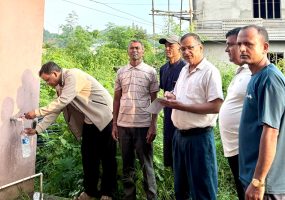
From Nepal, Kiran Thapa, representing the LGBTQI+ community, highlighted issues of dignity and inclusion in WASH services. Kumar Khadka of the Kalitar Water Supply and Sanitation Users Committee in Godawari presented examples of community accountability practices.
During the panel discussion “Community at the Core,” local government leaders and regional experts emphasized the importance of systematically integrating community voices into planning, implementation, and monitoring processes.
The second session focused on resource mobilization and financial access within the WASH sector. Community representatives from Bangladesh, Nepal, and India shared their experiences regarding financial challenges and community-led investments.
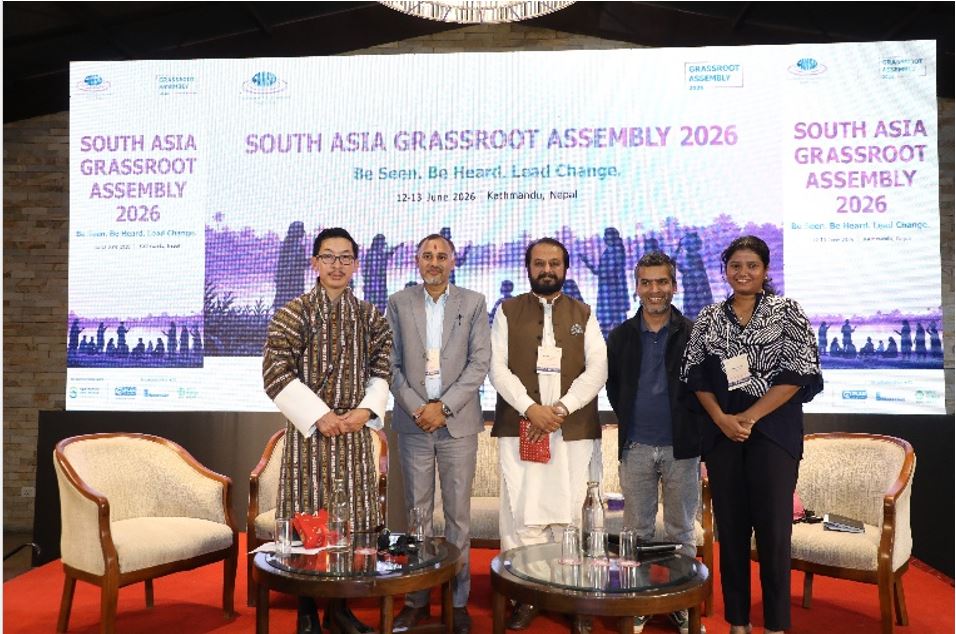
Representatives from the informal settlement communities along Khudi Khola in Pokhara highlighted the financial barriers faced by low-income urban communities. Geeta Oli of Basobas Women Cooperative in Kohalpur, Banke, shared how women-centered financial mechanisms have contributed to improvements in WASH services.
During the panel discussion titled “Financing Must Follow Communities,” experts and community representatives stressed the need for community-responsive financial systems. Participants collectively concluded that resource allocation should be guided by community needs and priorities.
Call to Place Communities at the Center of Governance
Concluding the event, Kabir Rajbhandari, FANSA Regional Coordinator, emphasized that communities must be recognized not as beneficiaries of programs but as active actors in governance. He called for equitable financing, inclusive services, community-based leadership, and evidence-based advocacy to become key priorities in the WASH sector.
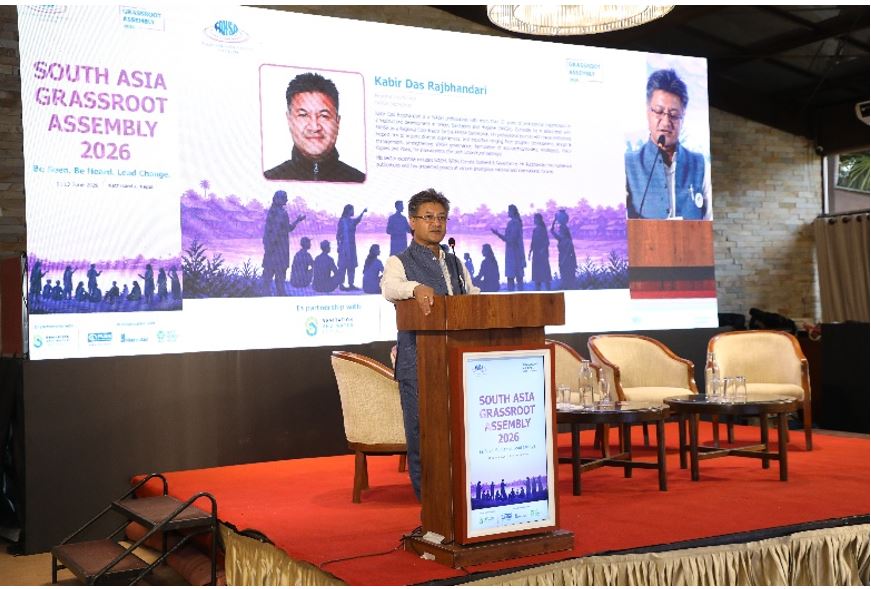
He also announced that the second day of the assembly would focus on WASH Plus, continuing the effort to make the invisible visible, transform listening into partnership, and establish communities as partners in governance.
Summarizing the outcomes of the first day, Rajbhandari stated that the assembly had powerfully reinforced the message that “communities are not the last mile of development; they are the front line of change.”
The session “Echoes of Solidarity and Leadership” featured participants from Nepal, Sri Lanka, India, and the Maldives, who expressed their experiences and aspirations through poetry, songs, and oral presentations. Speakers emphasized that leadership is not merely structural but is deeply connected to human dignity, culture, and solidarity.
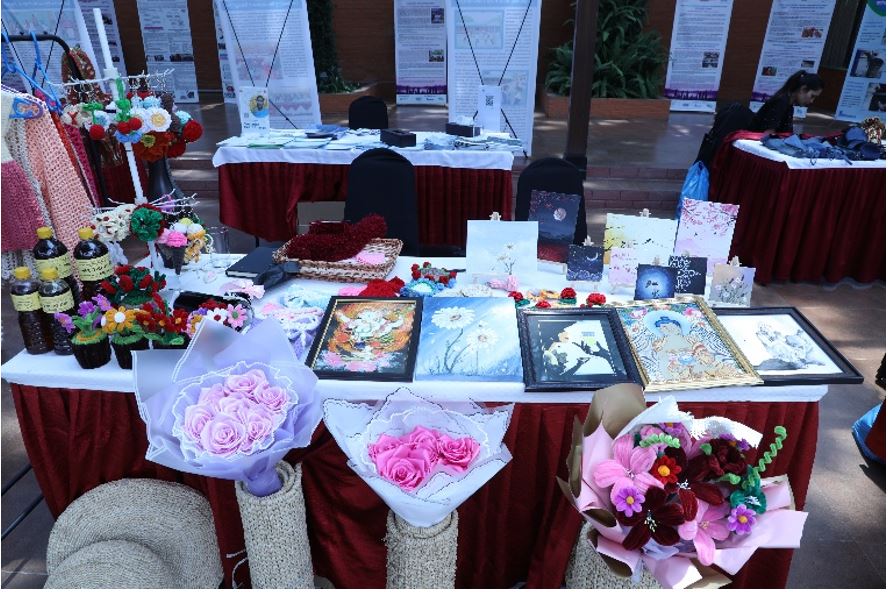
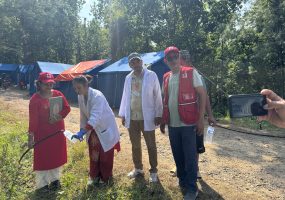
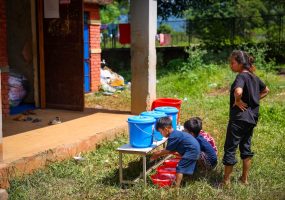
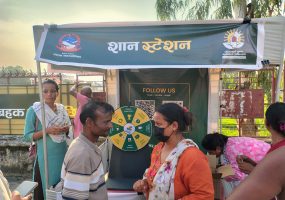
As part of the “Marketplace of Innovation,” communities from different countries showcased locally developed WASH solutions through photo exhibitions, live demonstrations, posters, and learning materials. These community-owned practices were presented as foundations for sustainability and models with potential for replication and scaling.
The South Asia Grassroots Assembly 2026, organized by FANSA, was supported by the Gates Foundation, Sanitation and Water for All (SWA), Urgent Action Fund, Plan International Nepal, WaterAid Nepal, Welthungerhilfe (WHH) Nepal, and FANSA national networks across South Asia.