228 पटक हेरिएको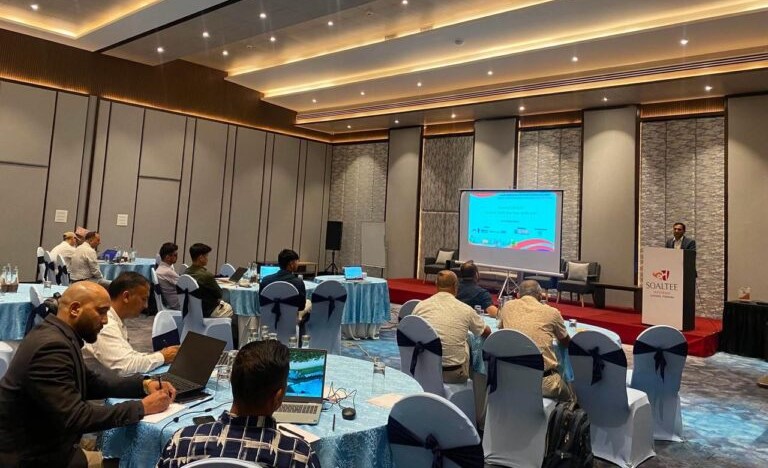
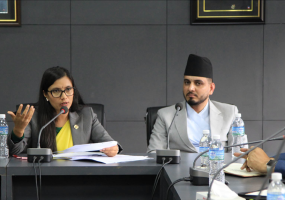
Pokhara: A capacity development program has been organized to strengthen municipalities’ Water, Sanitation and Hygiene (WASH) Information System capacity and institutional development at the local level. The training focused on enhancing municipal capacity for WASH plan preparation through the effective use of the WASH Information Management System.
According to the Municipal Association of Nepal (MuAN), the training was organized with the objective of supporting local governments in evidence-based planning, effective service management, and ensuring sustainable, inclusive, and quality water supply and sanitation services.
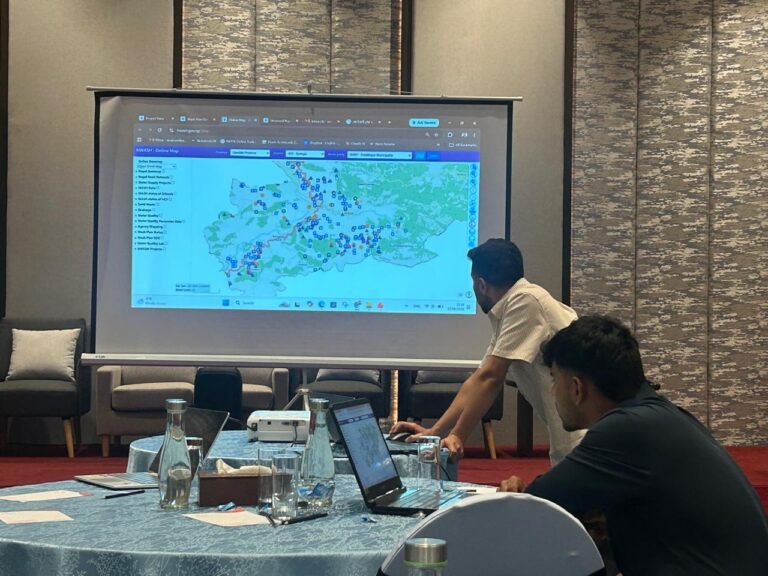
During the program, discussions were held with representatives of local governments on the importance of evidence-based decision-making systems while facilitating the planning process for the overall development of the WASH sector. Presentations and interactive sessions were also conducted on the effective use of the National WASH Management Information System (NWASH MIS) for WASH data management, service-level assessment, and sustainable service delivery.
The program was attended by 15 representatives from municipalities including Lalitpur Metropolitan City, Pokhara Metropolitan City, Ghorahi Sub-Metropolitan City, Mechinagar Municipality, Lahan Municipality, Gorkha Municipality, Godawari Municipality, Sharada Municipality, Waling Municipality, Sundarbazar Municipality, Bhirkot Municipality, Byas Municipality, and Rainas Municipality.
Participants shared their views that NWASH MIS serves as an important tool for preparing needs-based plans, mobilizing resources effectively, and improving the quality of service delivery through the systematic use of WASH-related data available at the local level.
Speaking at the program, Kalanidhi Devkota, Executive Director of the Municipal Association of Nepal, stated that such capacity-building initiatives would be continued to further strengthen local governments’ planning and monitoring systems and achieve sustainable outcomes in the water supply and sanitation sector.
Similarly, Engineer Nirav Baidya from the Department of Water Supply and Sewerage Management facilitated sessions on the introduction of NWASH MIS and the importance and usefulness of WASH planning. Muskan Shrestha, Program Manager at the Municipal Association of Nepal, emphasized the need for evidence-based policy advocacy in the sanitation sector and noted that the association has been working in line with this principle. She further highlighted that data generated through WASH planning provides a strong foundation for policy reforms and advocacy at the municipal level.
The program also included detailed discussions on the current status of sanitation data collection in municipalities, management of survey findings, and the use and analysis of data through the NWASH MIS platform.
Participants expressed confidence that evidence-based planning and the use of digital information systems would significantly contribute to improving the access, quality, and sustainability of water supply and sanitation services at the local level.
The training was organized by the Municipal Association of Nepal under the “Scaling Citywide Inclusive Sanitation Service Systems (Nepal) Programme.”
The programme is being implemented with financial support from the Gates Foundation, while UN-Habitat serves as the executing agency.
The Municipal Association of Nepal, WaterAid Nepal, the Ministry of Water Supply, the Department of Water Supply and Sewerage Management, and the National Centre for Water Supply, Sanitation Research, Innovation and Capacity Development are partner organizations of the programme.