191 पटक हेरिएको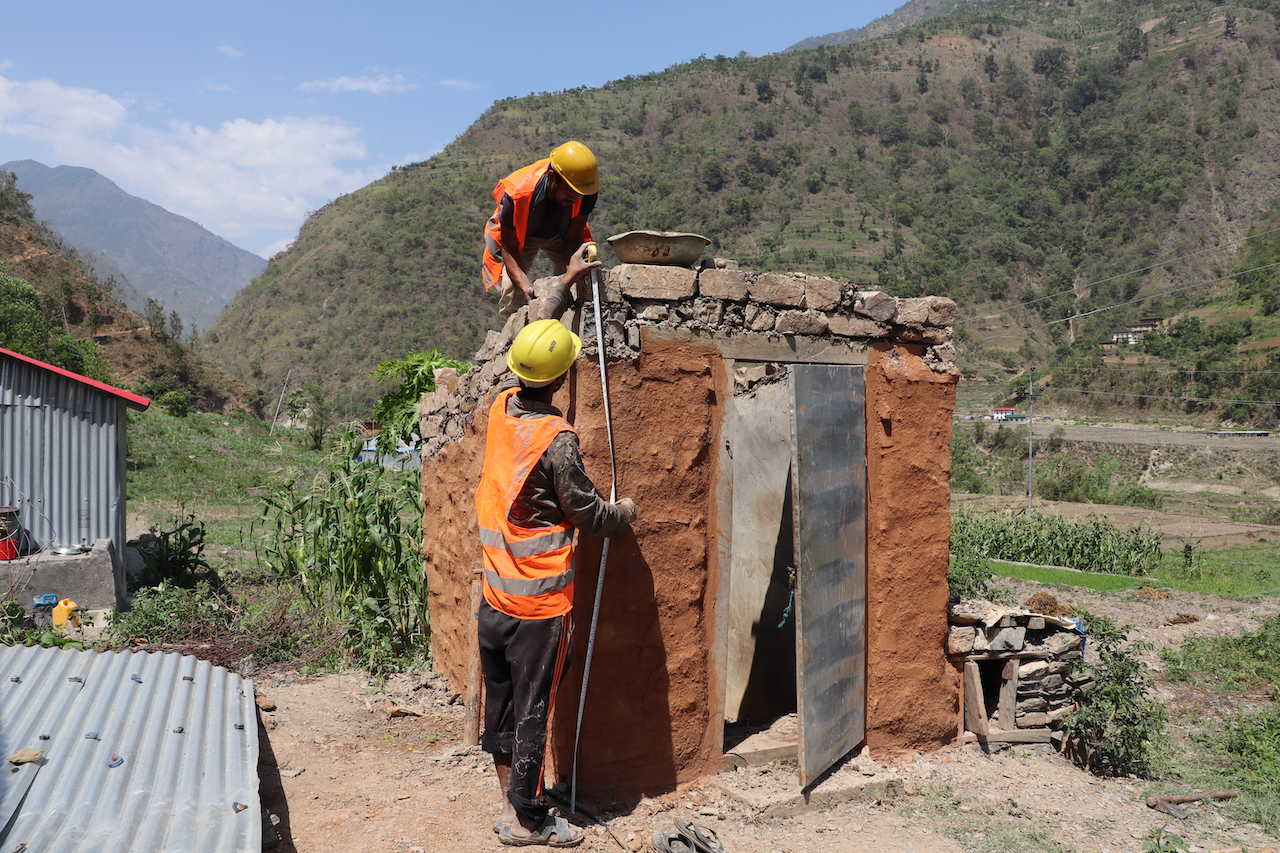
Nepal declared itself an Open Defecation Free (ODF) nation in 2019, marking a historic milestone in the country’s sanitation journey. Millions of households gained access to toilets, open defecation significantly declined, and public awareness of sanitation improved remarkably.
However, does the sanitation journey end with toilet construction?
According to Govinda Raj Rokaya, Sanitation and Hygiene Specialist at SUSWA (Sustainable Water, Sanitation and Hygiene for All), the answer is no.
“The real journey of Total Sanitation begins where ODF ends,” he says.
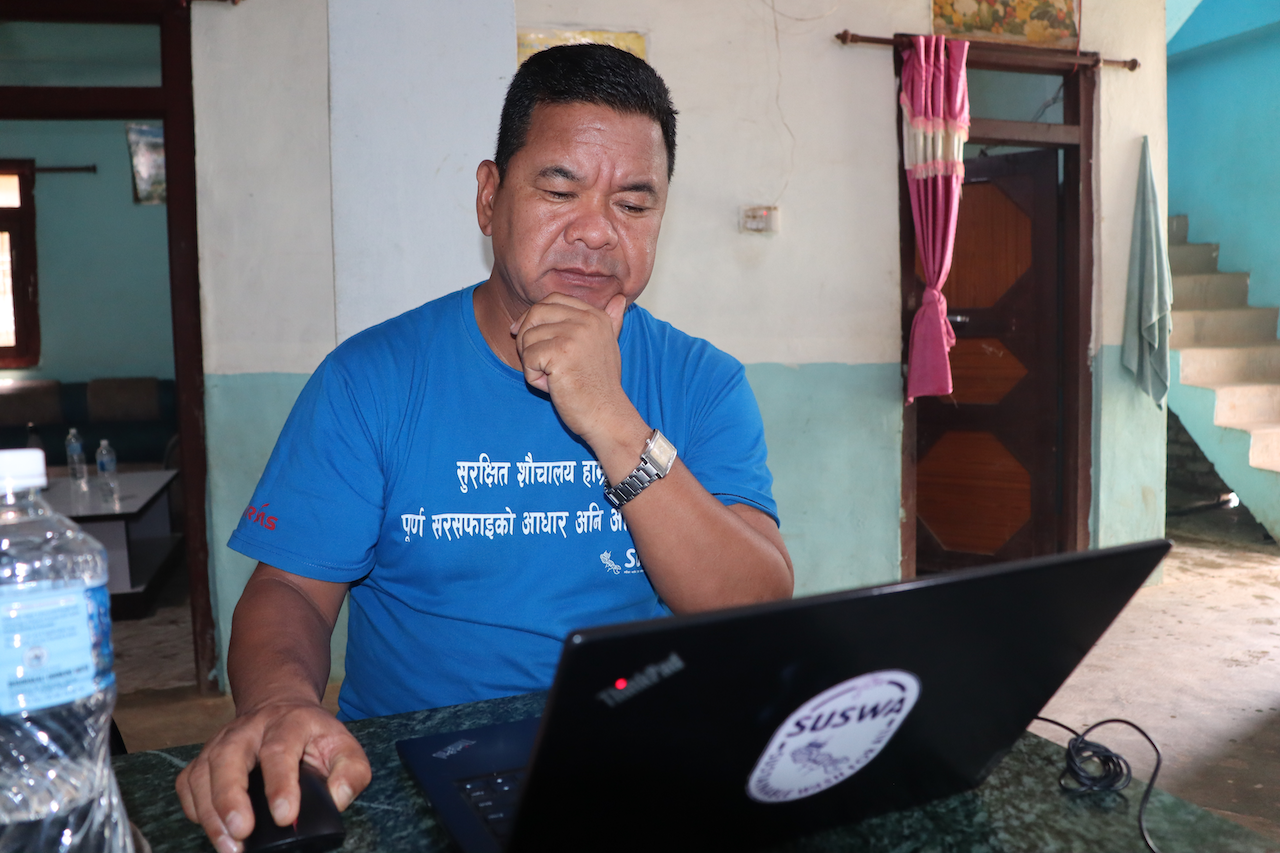
Total Sanitation is not limited to toilet use alone. It encompasses the full range of services and behaviors necessary to ensure human health, environmental cleanliness, and dignified living. It covers everything from household hygiene practices to community sanitation, and from individual behavior to effective service delivery by local governments.
Why is Total Sanitation Important?
According to Rokaya, even if toilets are available, the risk of disease remains high if drinking water is contaminated, people do not practice handwashing, human waste is not safely managed, solid waste is improperly disposed of, or wastewater systems are ineffective.
Diseases such as diarrhea, cholera, typhoid, hepatitis, and various intestinal infections are closely linked to unsafe water and poor sanitation. Children, older persons, pregnant women, and people with weakened immune systems are particularly vulnerable.
“Total Sanitation is not only a health issue; it is equally important for education, nutrition, gender equality, economic development, and environmental protection,” he explains.
Key Components of Total Sanitation
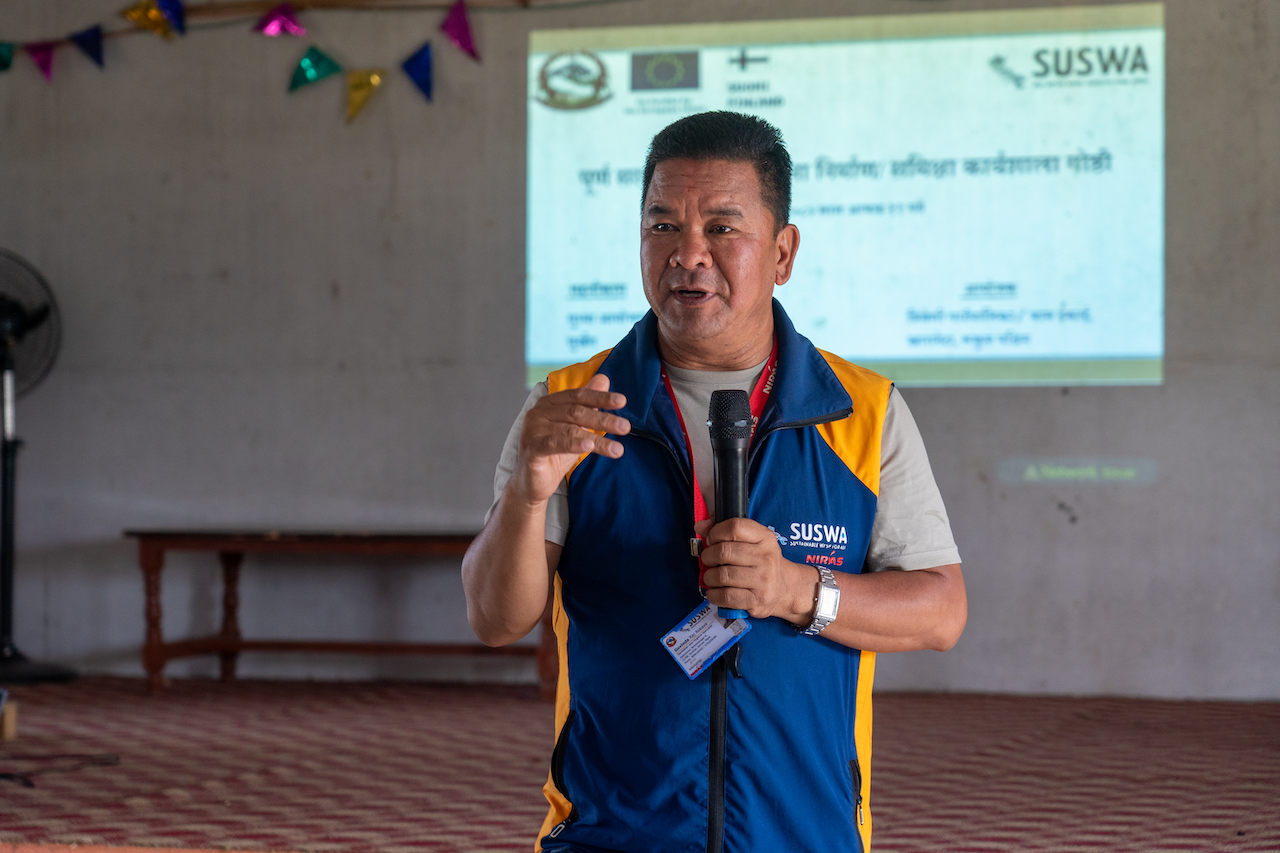
Total Sanitation is fundamentally a behavior change initiative. Its key elements include:
• Ensuring that everyone consistently uses safe and hygienic toilets.
• Promoting handwashing with soap at critical times.
• Using safe and quality drinking water.
• Preparing and consuming food in clean and hygienic kitchens.
• Keeping homes, schools, healthcare facilities, and public spaces clean.
• Properly managing solid and liquid waste.
• Safely collecting, transporting, treating, and disposing of fecal sludge.
• Ensuring safe, dignified, and inclusive menstrual hygiene management.
• Providing accessible and inclusive sanitation facilities in schools, healthcare institutions, and public places.
• Sustaining positive sanitation and hygiene behaviors throughout communities.
Total Sanitation and Safe Drinking Water
Water supply and sanitation are inseparable. Total Sanitation cannot be achieved without safe drinking water, and safe water cannot be protected without proper sanitation.
Rokaya emphasizes that during the monsoon season, water sources become increasingly vulnerable to contamination. Flooding and inundation often cause wastewater and septic tank contents to mix with drinking water sources.
“In such situations, boiling or treating drinking water, protecting water sources, and regularly testing water quality become essential practices,” he says.
The Role of Local Governments
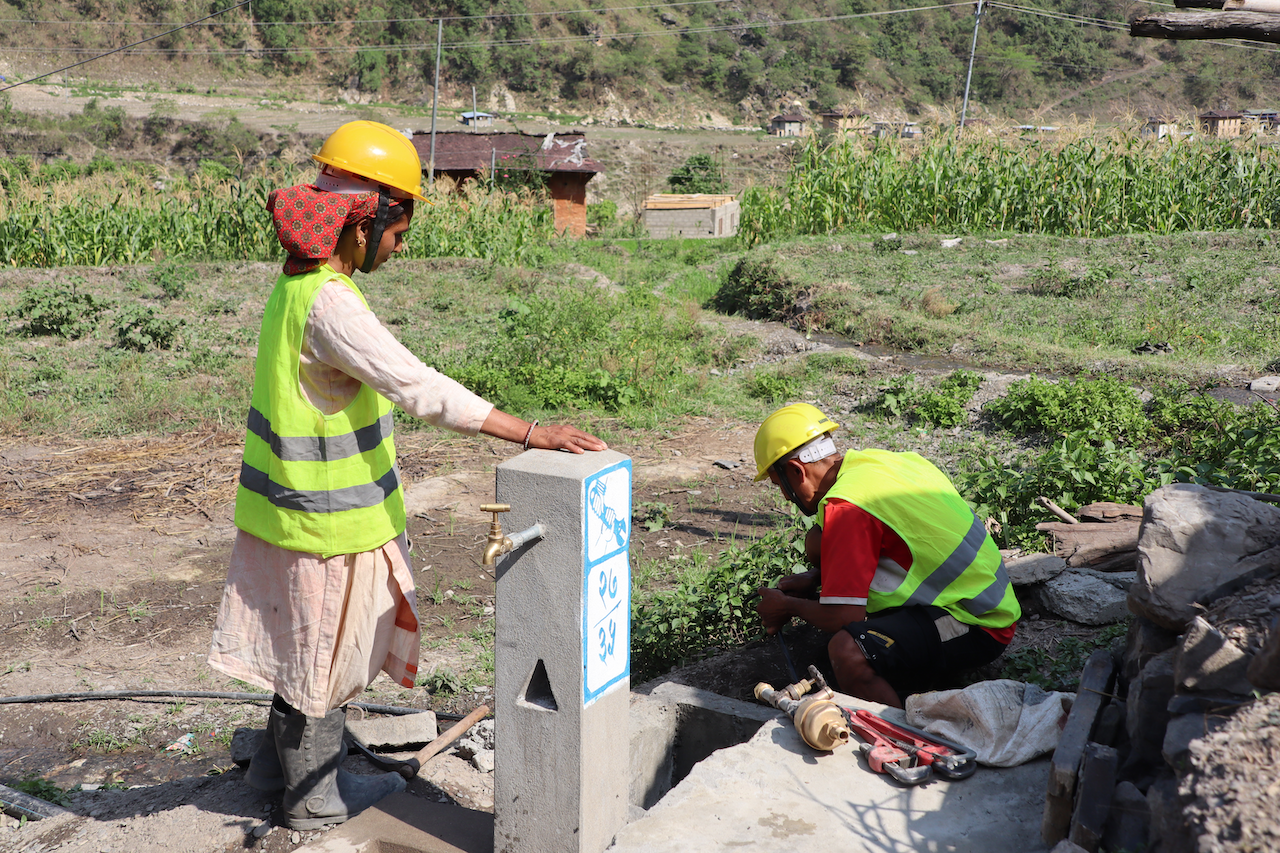
Under Nepal’s federal governance system, local governments play the leading role in implementing Total Sanitation.
They are responsible for developing policies, preparing plans, allocating budgets, raising public awareness, monitoring sanitation, and establishing effective waste management systems.
Rokaya notes that in the 28 municipalities of Karnali Province where SUSWA is working, Total Sanitation Action Plans are being implemented through community mobilization, school sanitation improvements, water quality monitoring, and safe waste management practices.
These initiatives can serve as inspiring examples for municipalities across Nepal.
Community Participation is the Key to Success
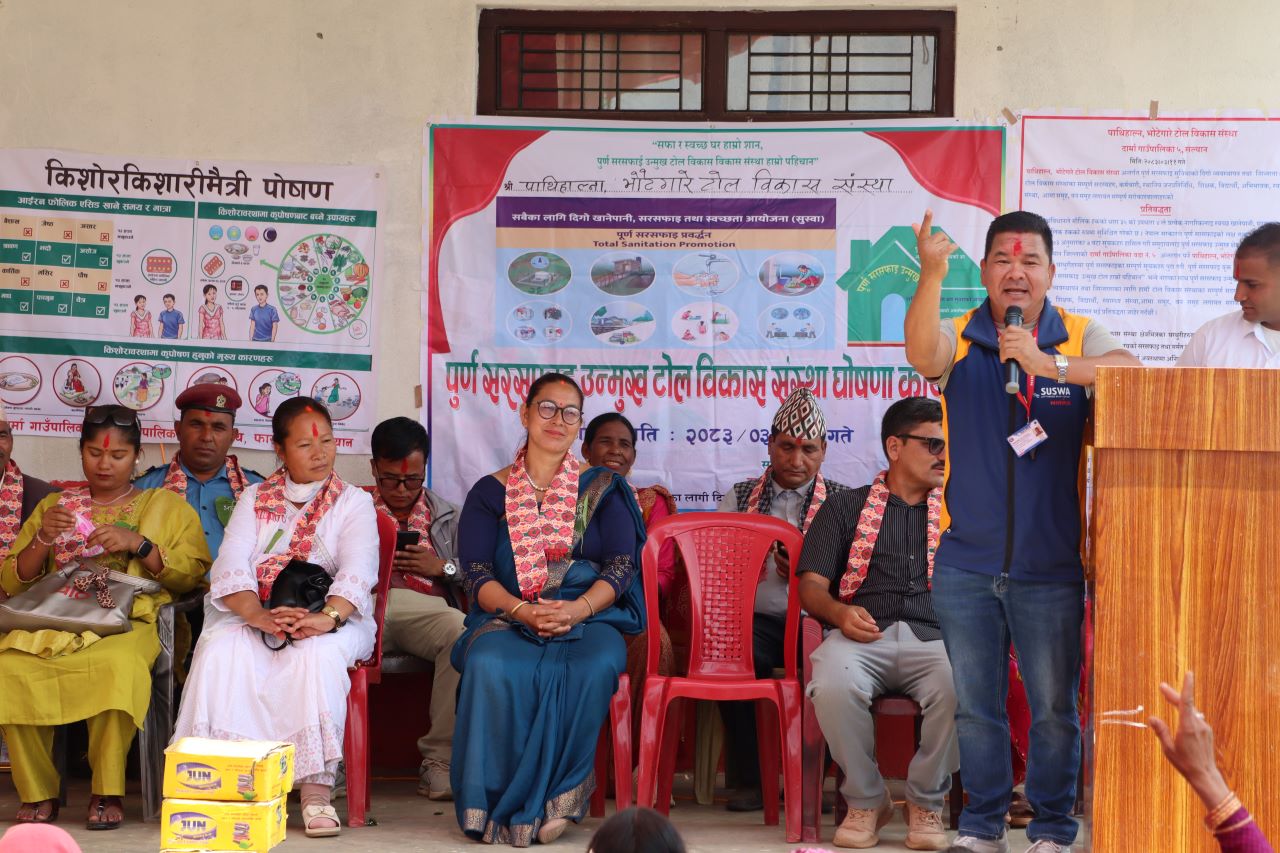
Total Sanitation is not solely the responsibility of governments or development organizations. Every citizen has an important role to play through simple daily practices, including:
• Always using toilets.
• Washing hands with soap after using the toilet, before eating, and before preparing food.
• Keeping homes and surrounding environments clean.
• Segregating and properly managing plastic and other waste.
• Emptying septic tanks safely and at the appropriate time.
• Protecting drinking water sources from contamination.
These everyday behaviors form the foundation of healthy and resilient communities.
The Next Step: Safely Managed Sanitation
While Nepal’s declaration as an Open Defecation Free nation was a remarkable achievement, the next challenge is to sustain those gains and move towards Safely Managed Sanitation.
According to Rokaya, constructing toilets alone is not sufficient.
“We must also consider where the waste from toilets goes, how it is managed, whether drinking water is safe, how waste is handled, and what sanitation behaviors communities practice. Equal attention must be given to all of these aspects,” he says.
Total Sanitation is not a one-time campaign, it is a way of life. It reduces disease, improves public health, protects the environment, safeguards children’s futures, and promotes dignity for all.
Nepal can achieve the true goal of Total Sanitation only by building upon its success in toilet construction and integrating it with sustained behavior change, safe drinking water, effective waste management, clean kitchens and safe food, menstrual hygiene management, safe fecal sludge management, and environmental sanitation.
Photos: Lok Chandra Thapa / WASH Khabar