165 पटक हेरिएको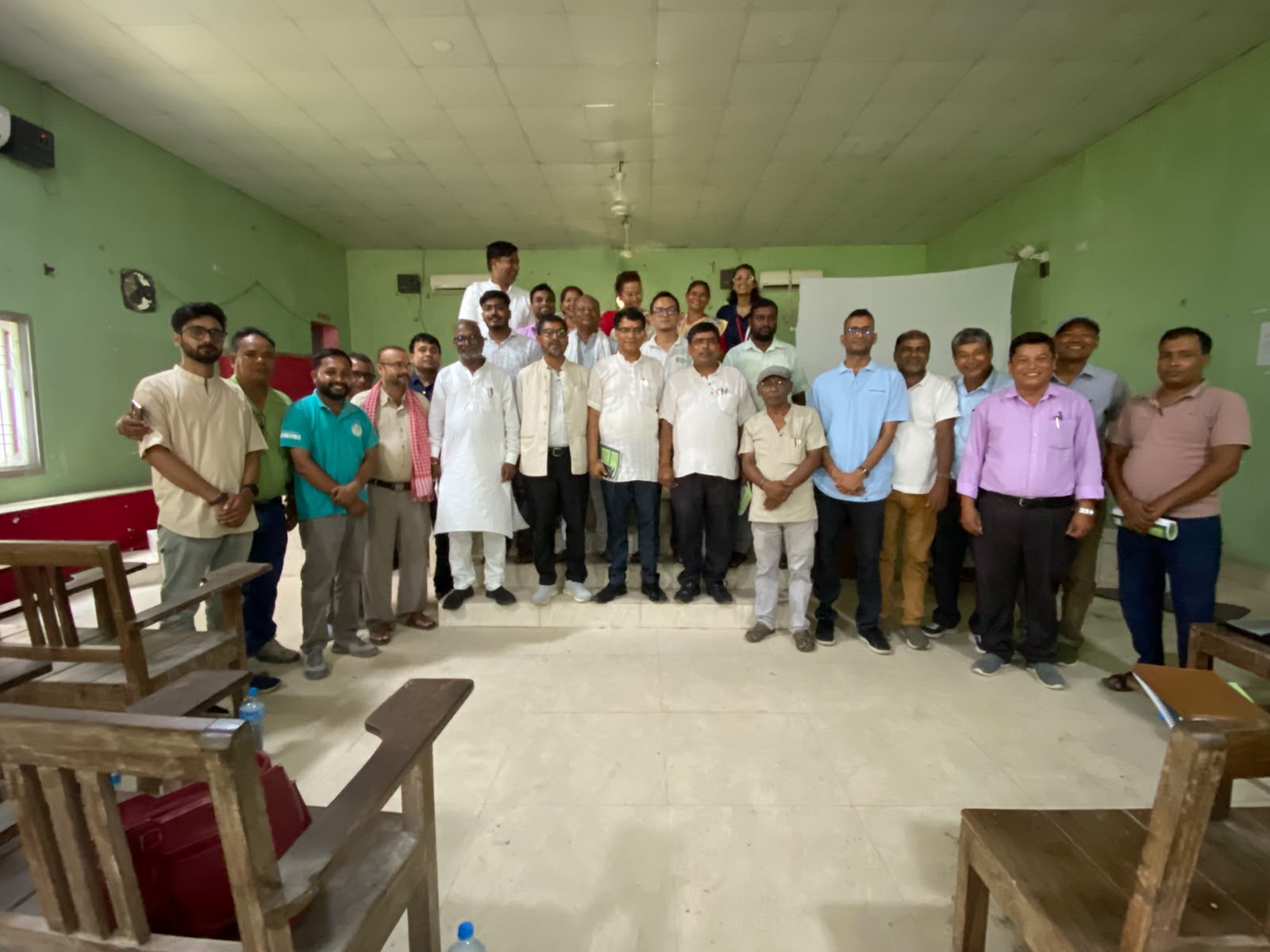
Saptari: Local representatives and stakeholders in Saptari have pledged their support for the operation and management of Madhesh Province’s first Faecal Sludge Treatment Plant (FSTP), currently under construction at Bishal Chowk, Ward No. 4 of Agnisair Krishnaasawaran Rural Municipality.
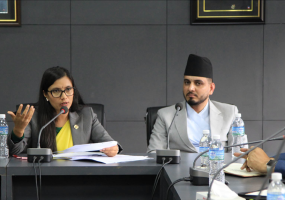
The commitment was expressed during a District-Level Stakeholder Interaction on the Operation and Management of the Faecal Sludge Treatment Plant, held in Rajbiraj. The event was organized by the Mahuli Community Development Center (MCDC) in coordination with the District Coordination Committee, Saptari, with support from Welthungerhilfe (WHH) and the German Federal Ministry for Economic Cooperation and Development (BMZ).
Participants emphasized the importance of collective efforts and pledged to provide the necessary institutional and technical support to ensure the effective operation and sustainable management of the treatment facility.
With financial support from Welthungerhilfe (WHH) and the German Federal Ministry for Economic Cooperation and Development (BMZ), the Mahuli Community Development Center (MCDC) is implementing the project “Supporting the Nepalese Government in Achieving SDG 6 through System Strengthening WASH Approaches.”
Mayor Lalan Prasad Gupta of Kanchanrup Municipality expressed confidence that the establishment of the Faecal Sludge Treatment Plant would significantly improve the management of human waste. He stressed that active participation from all stakeholders is essential for its effective operation.
Mayor Geeta Chaudhary of Surunga Municipality highlighted that the treatment plant would make an important contribution to environmental protection and pledged her municipality’s support for its operation and management.
Mayor Krishna Prasad Dhakal of Saptakoshi Municipality stated that the treatment plant would provide multiple benefits to the people of the district. He noted that the organic fertilizer produced by the plant could help reduce the shortage of chemical fertilizers and emphasized the need for strong collaboration among all stakeholders to ensure its successful operation.
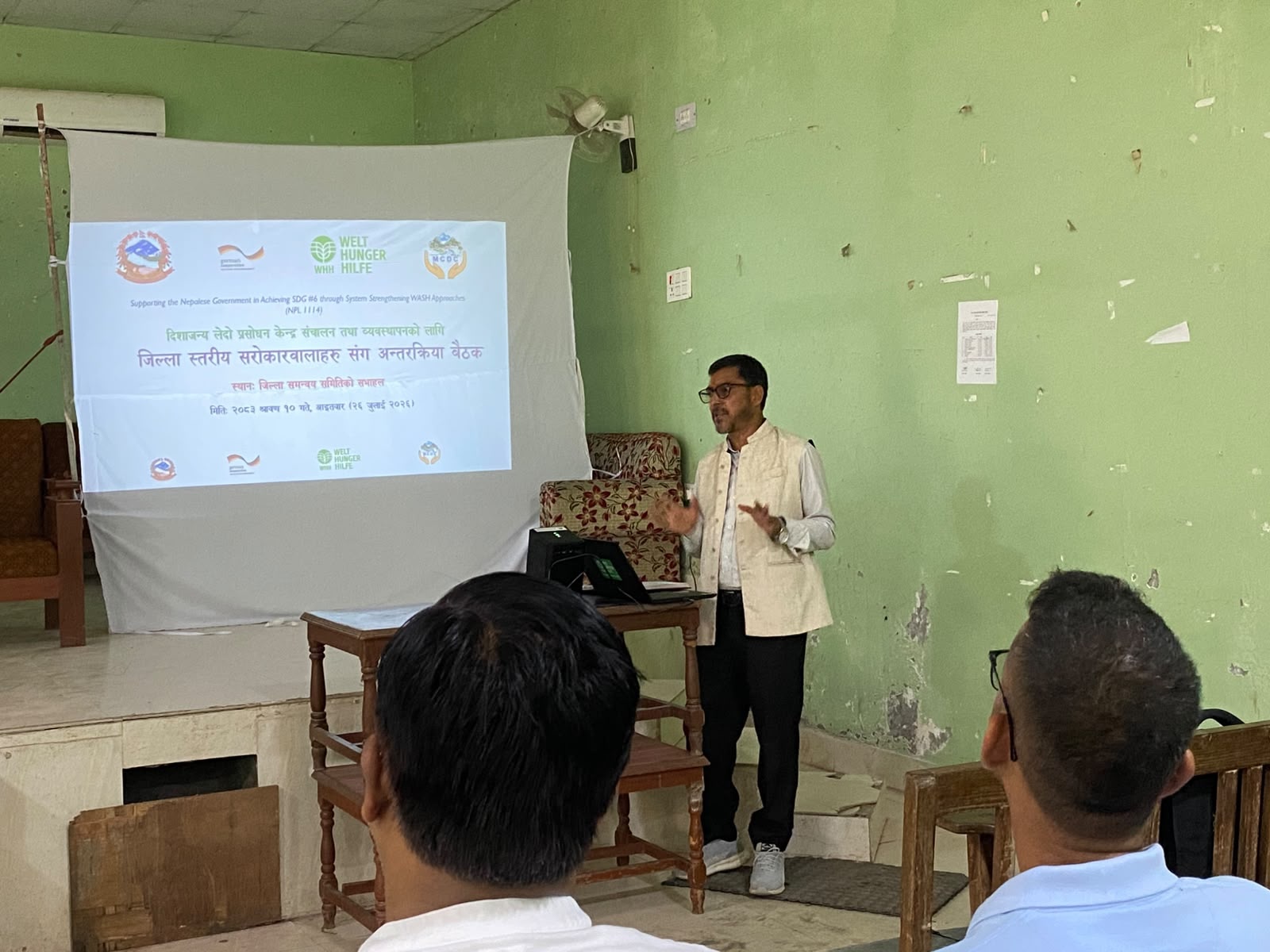
Chairperson Vijay Kumar Yadav of Tirahut Rural Municipality suggested commercializing the treatment plant to create income-generating opportunities and employment. He emphasized that maximum utilization of the facility would require the collective support of all concerned stakeholders.
Chairperson Dinanath Chaudhary of Agnisair Krishnasavaran Rural Municipality stated that the treatment plant has been established as a project of pride for Madhesh Province with a unique objective. He informed participants that infrastructure construction is in its final phase and called for continued support and suggestions from local governments and stakeholders for its successful operation.
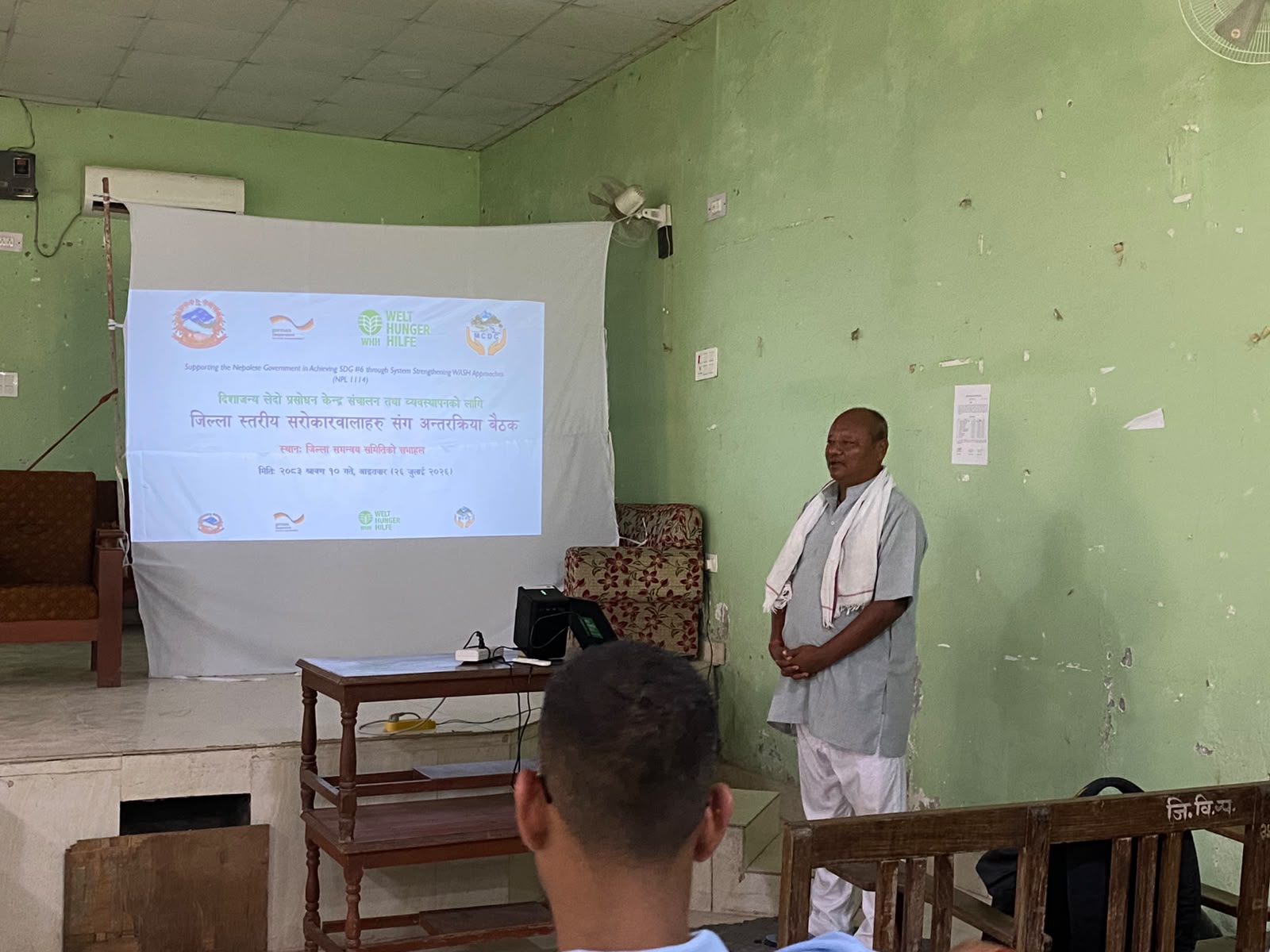
Prabhu Narayan Chaudhary, Executive Director of the Mahuli Community Development Center (MCDC), said the treatment plant was envisioned not only to protect the environment but also to generate income and employment through the production and marketing of organic fertilizer and the promotion of sanitation tourism. He added that the treated solid compost and reclaimed water produced by the facility could be used in agriculture, providing direct benefits to local farmers.
Chief Administrative Officer Dhirendra Prasad Yadav of Agnisair Krishnasavaran Rural Municipality shared plans to develop the treatment plant into a sanitation tourism destination. He expressed confidence that this initiative would strengthen farmers’ sense of ownership and increase the value of the facility.
Nabin Rana Magar, Technical Coordinator of Welthungerhilfe (WHH), informed participants that around 60 percent of the construction work has been completed. The project aims to become operational by Kartik (October–November). He noted that the infrastructure is being constructed at a cost of NPR 25.3 million. Once operational, the facility will safely manage faecal sludge collected across the district and convert it into useful agricultural products, benefiting communities throughout Saptari.
The interaction program was chaired by Shiv Narayan Sah, Chief of the District Coordination Committee, Saptari. Participants also included Bishwanath Prasad Yadav, Chief of the Drinking Water and Sanitation Division Office, Rajbiraj; Birendra Kumar Sah, Acting Chairperson of Rajbiraj Municipality Ward No. 3; Dev Narayan Sah, representative of Shambhunath Municipality; and other stakeholders.
The program was moderated by Chandra Narayan Chaudhary, Deputy Director of MCDC and Program Coordinator of the Faecal Sludge Treatment Plant, while the welcome remarks and facilitation were delivered by Executive Director Prabhu Narayan Chaudhary.
During the interaction, representatives from nine local governments agreed to jointly promote safe faecal sludge management by developing relevant policies and guidelines, ensuring the transportation of faecal sludge from municipalities to the treatment plant, encouraging farmers to use treated compost and reclaimed water for agriculture, advancing the concept of joint ownership of the facility under the coordination of the District Coordination Committee, strengthening coordination among stakeholders, and making the district cleaner, safer, and more environmentally sustainable.