215 पटक हेरिएको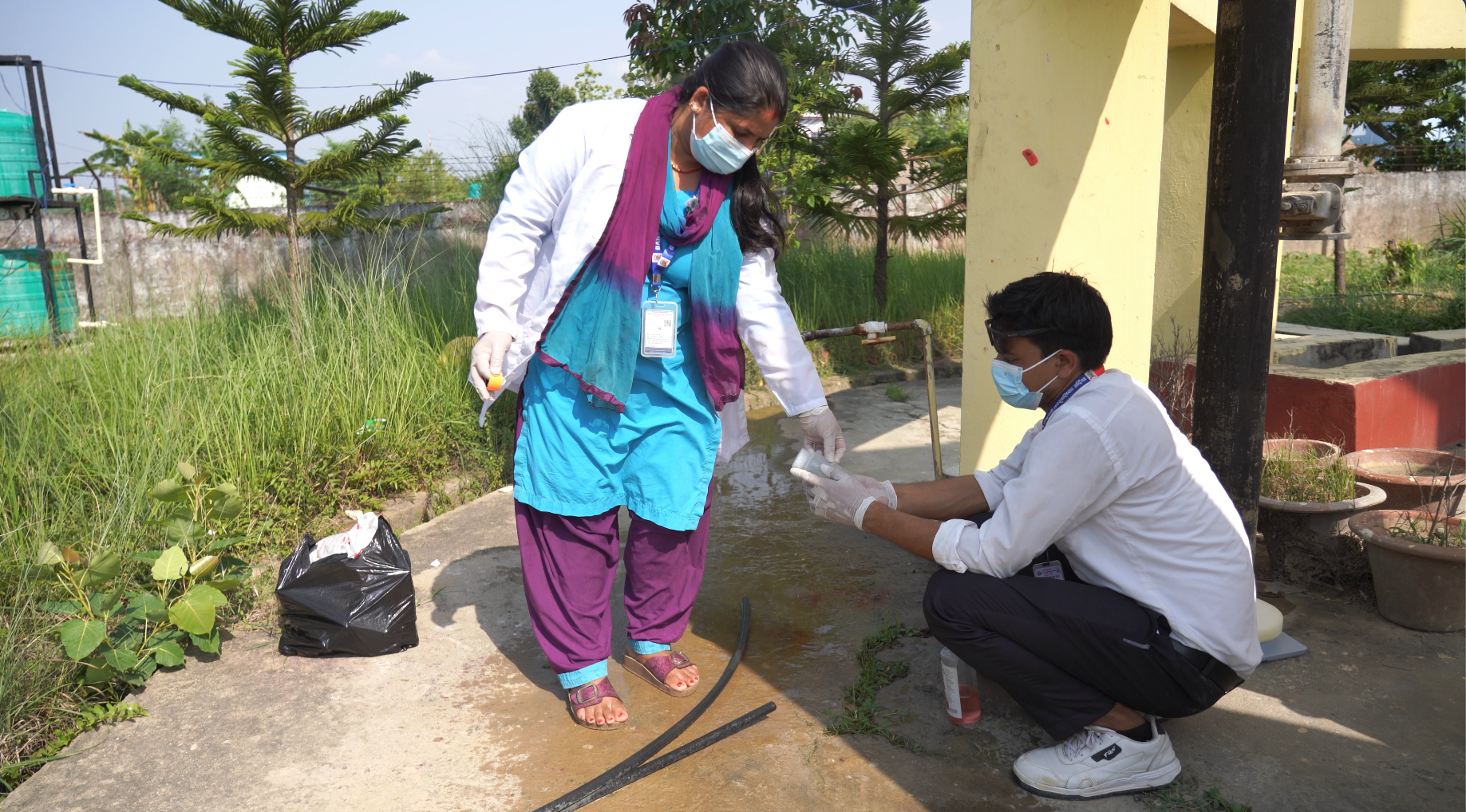
Ensuring safe drinking water has long been a priority for Bansgadhi Municipality. Guided by its vision of “Muhaan Dekhi Mukh Samma” (From Source to Mouth), the municipality aims to ensure water safety from source to consumption. Achieving this vision requires more than infrastructure; it called for a stronger municipal WASH system with institutional capacity, routine monitoring, sustainable financing, accountability, and coordinated action. Accordingly, the initiative adopted a WASH systems strengthening approach, positioning the laboratory as part of a broader municipal water quality system rather than a stand-alone investment.
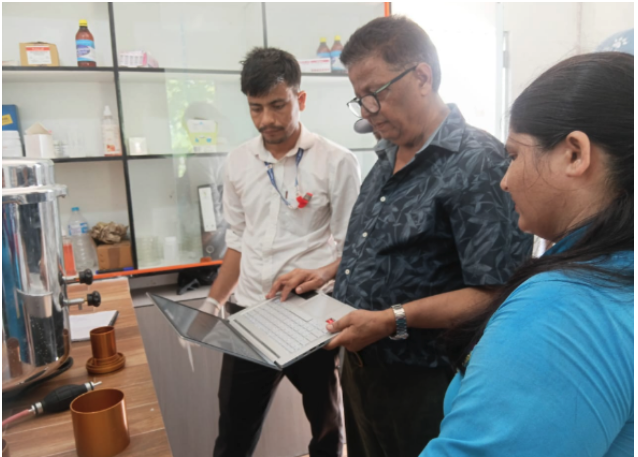
To translate this vision into action, the municipality partnered with Tdh and Geruwa, with support from SWSC/SDC (Phase IV), to establish a Municipal Water Quality Mini Laboratory while simultaneously strengthening the institutional, technical, financial, and operational systems required for its long-term functioning. The municipality agrees to invest 55% of the total investment, while the project contributed the remaining 45%. This shared investment reflected a partnership built on municipal leadership, ownership, and shared responsibility, while progressively embedding the service within existing local government structures and financing mechanisms.
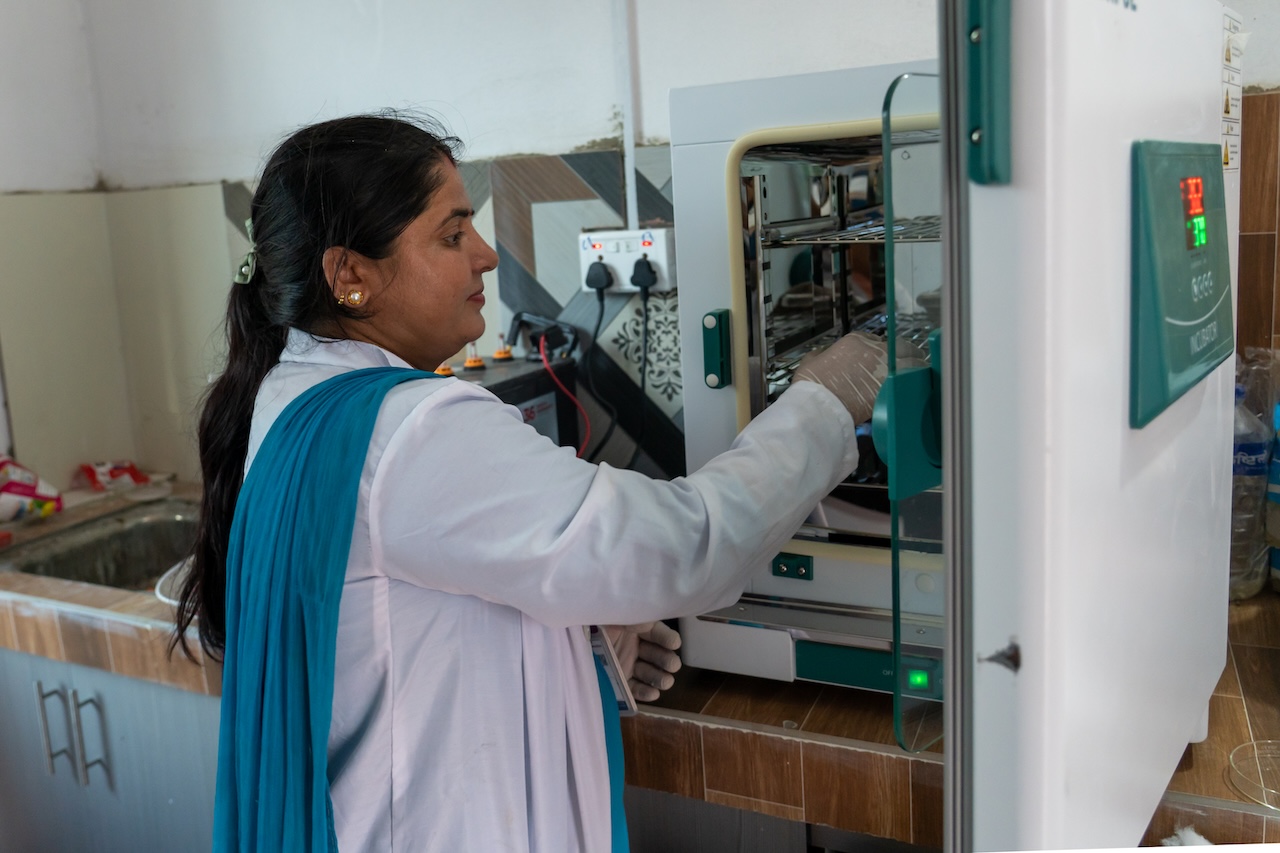
Beyond cost-sharing, the project provided close technical assistance, institutional advocacy, capacity strengthening, and contextualized planning to ensure that the laboratory would become an institutionalized municipal service rather than a project-dependent facility. A crucial aspect of this process was the technical support and strategic guidance provided by the Swiss Water and Sanitation Consortium’s (SWSC) Regional Advisor–Asia, from shaping the initial vision for the laboratory to strengthening the systems and sustainable mechanisms for water quality monitoring, financing, and service delivery.
Support included establishing an appropriate laboratory space, technical guidance while procuring essential lab equipment and testing materials, strengthening the capacity of laboratory personnel, and developing a comprehensive operational strategy covering governance, financing, quality assurance, service delivery, and long-term operation.
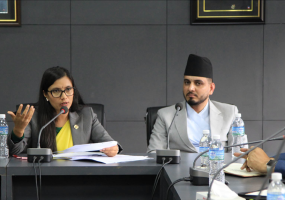
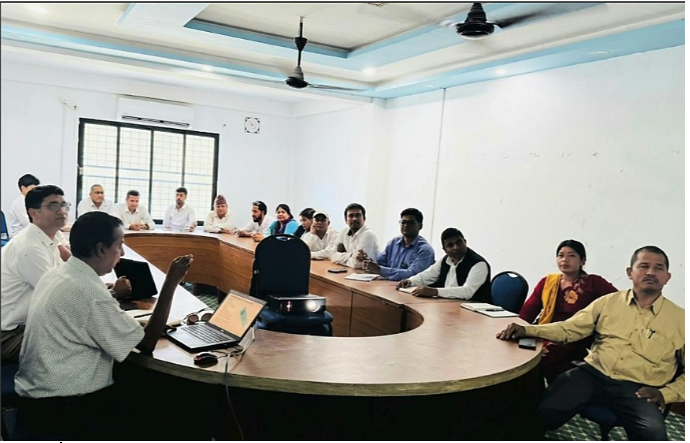
A key milestone was the WASH Systems Strengthening Workshop, where representatives from different municipal departments jointly assessed the municipality’s WASH system using the WASH System Building Blocks framework. This participatory process enabled stakeholders to identify systemic bottlenecks, prioritize practical solutions, and strengthen coordination across departments, reinforcing a shared commitment to improving municipal water quality services.
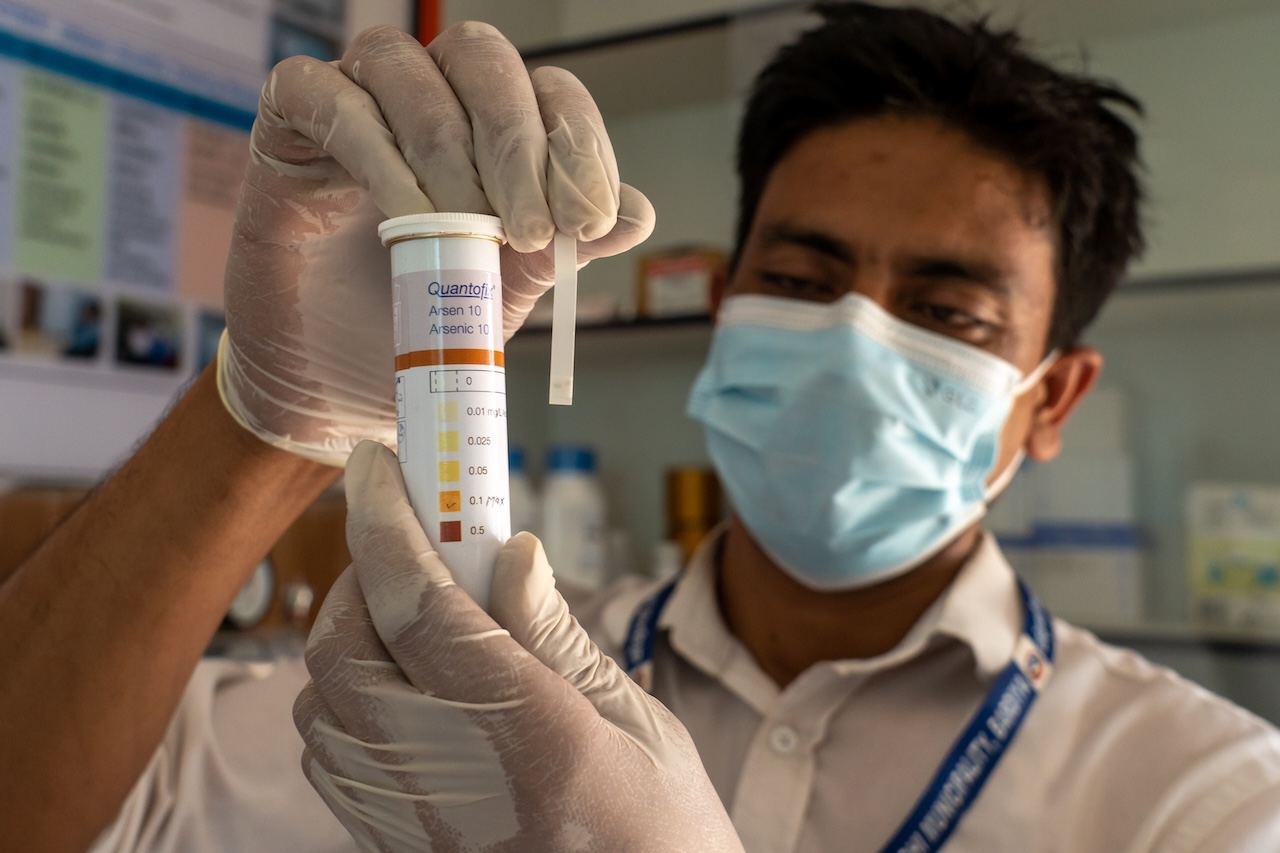
Today, Bansgadhi Municipality has successfully established a Water Quality Mini Laboratory, marking an important step towards institutionalizing routine water quality monitoring within the municipal WASH system.
Watch the full video for more details :
Key achievements include:
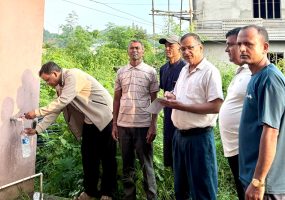
• Establishment of a municipal laboratory equipped to conduct regular drinking water quality testing.
• Strengthened technical capacity of laboratory personnel through hands-on training and mentoring.
• Development of a comprehensive operational strategy to guide governance, quality assurance, financing, and sustainable service delivery.
• Strong municipal ownership demonstrated through a 55% financial contribution towards laboratory establishment.
• Enhanced collaboration among municipal departments for integrated water quality management.
As guided by SWSC’s Regional Advisor–Asia, the project supported the municipality in estimating costs based on the planned service coverage, helping identify resource needs and leverage municipal financing. The cost estimate was formally submitted to the municipality to support resource mobilization and progressively advance its vision. The municipality has further reinforced its commitment by allocating approximately NPR 1.8 million in the current fiscal year’s budget, to strengthen laboratory operations and expand service delivery. This shift towards municipal financing is an important step in institutionalizing the service and reducing dependence on external support.
Looking beyond its own boundaries, Bansgadhi Municipality envisions the laboratory serving as a water quality testing hub in the district, providing services to neighboring municipalities. This model is expected to improve access to reliable water quality testing while generating revenue that can be reinvested to sustain and continuously improve laboratory services. It also offers potential for a locally led service model that can extend the benefits of strengthened municipal systems beyond Bansgadhi.
Bansgadhi Municipality’s experience demonstrates that sustainable public services are built on local leadership, institutional ownership, and long-term investment. While the municipality led the vision, decision-making, and resource allocation, technical partners played a catalytic role by providing expertise, advocacy, capacity strengthening, and strategic support.
The municipality is now well positioned to sustain and expand water quality monitoring services beyond the life of the project. Its journey illustrates how development partners can strengthen local systems by acting as facilitators rather than implementers empowering municipalities to lead, finance, and continuously improve essential public services.
Through this collaborative and systems-strengthening approach, Bansgadhi Municipality has strengthened a locally owned and institutionalized water quality monitoring system, reinforcing governance, coordination, capacity, financing, monitoring, and service delivery to sustainably protect public health and ensure access to safe drinking water for years to come.