170 पटक हेरिएको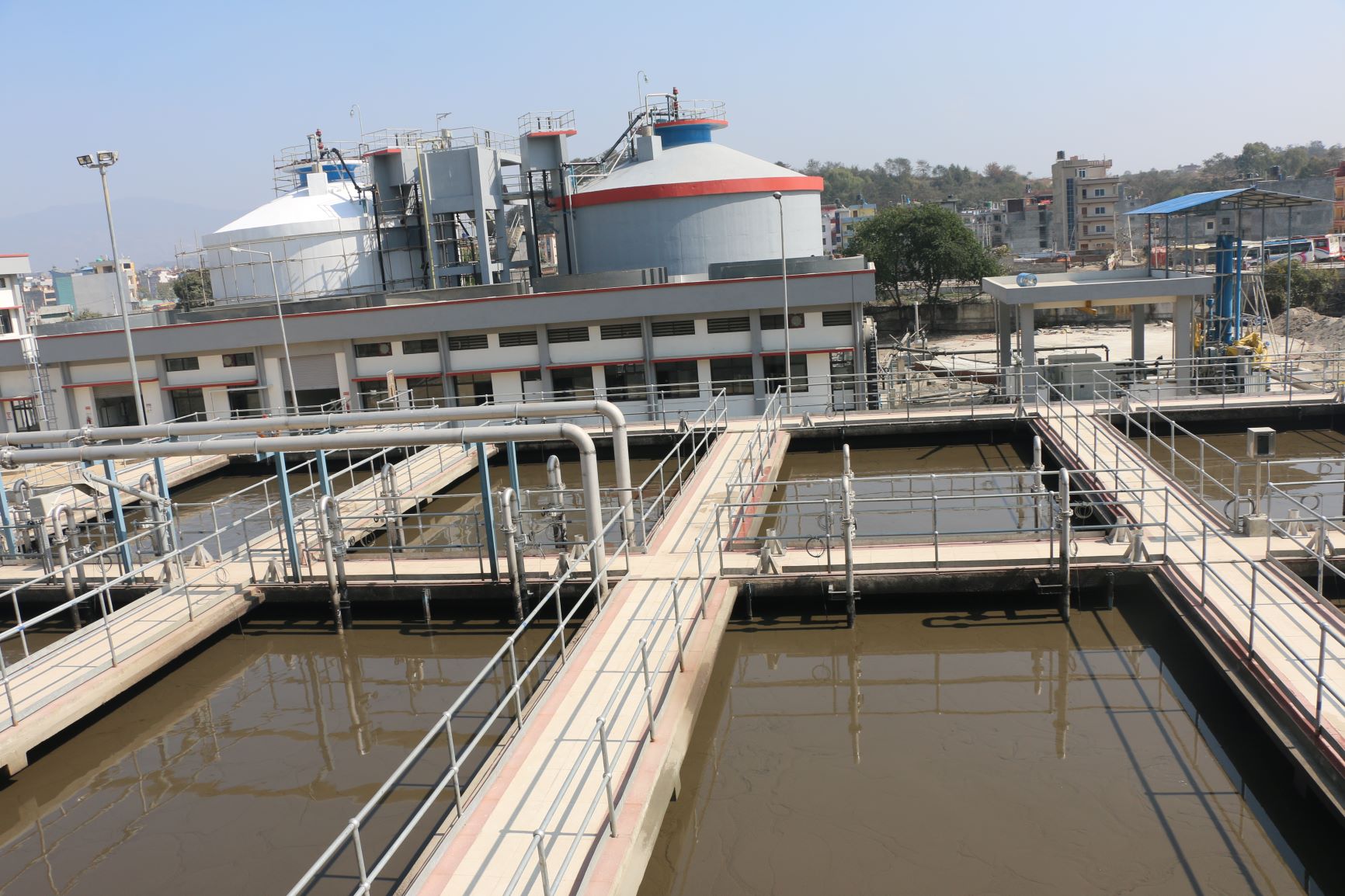
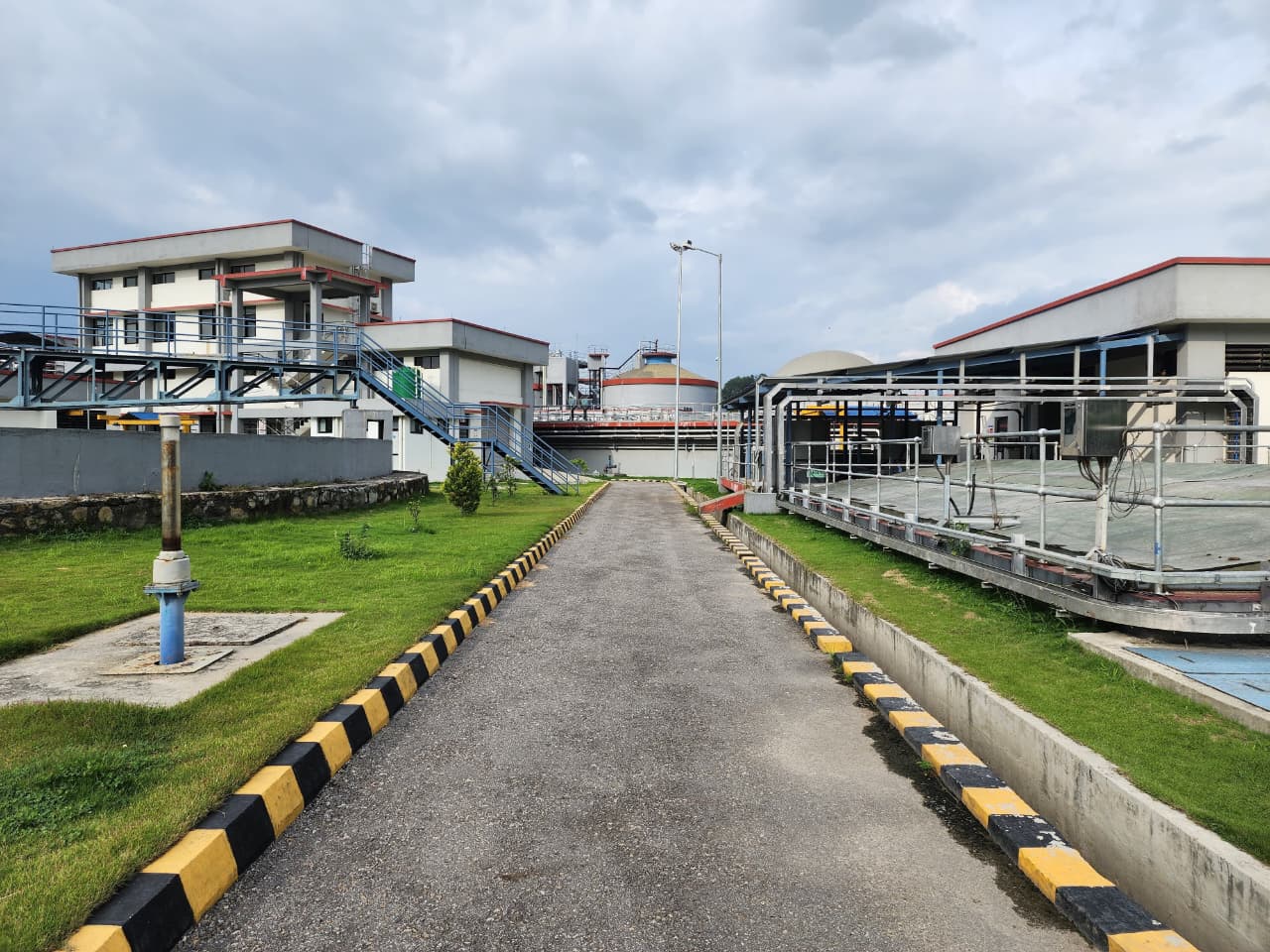
Kathmandu: The Guheshwari Wastewater Treatment Plant in Kathmandu has begun operating at its full treatment capacity. According to Er. Ram Kumar Shrestha, Project Director of the Project Implementation Directorate (PID), the plant is now treating 32.4 million litres of sewage per day.
Previously, the plant had not been able to operate at full capacity because the volume of incoming wastewater was insufficient to match its treatment capacity. In addition, the treated effluent discharged from the plant contained Biological Oxygen Demand (BOD) levels exceeding the prescribed standard.
When sewage and stormwater flow through the same drainage system, unnecessary hydraulic pressure is created at the treatment plant, reducing its efficiency.
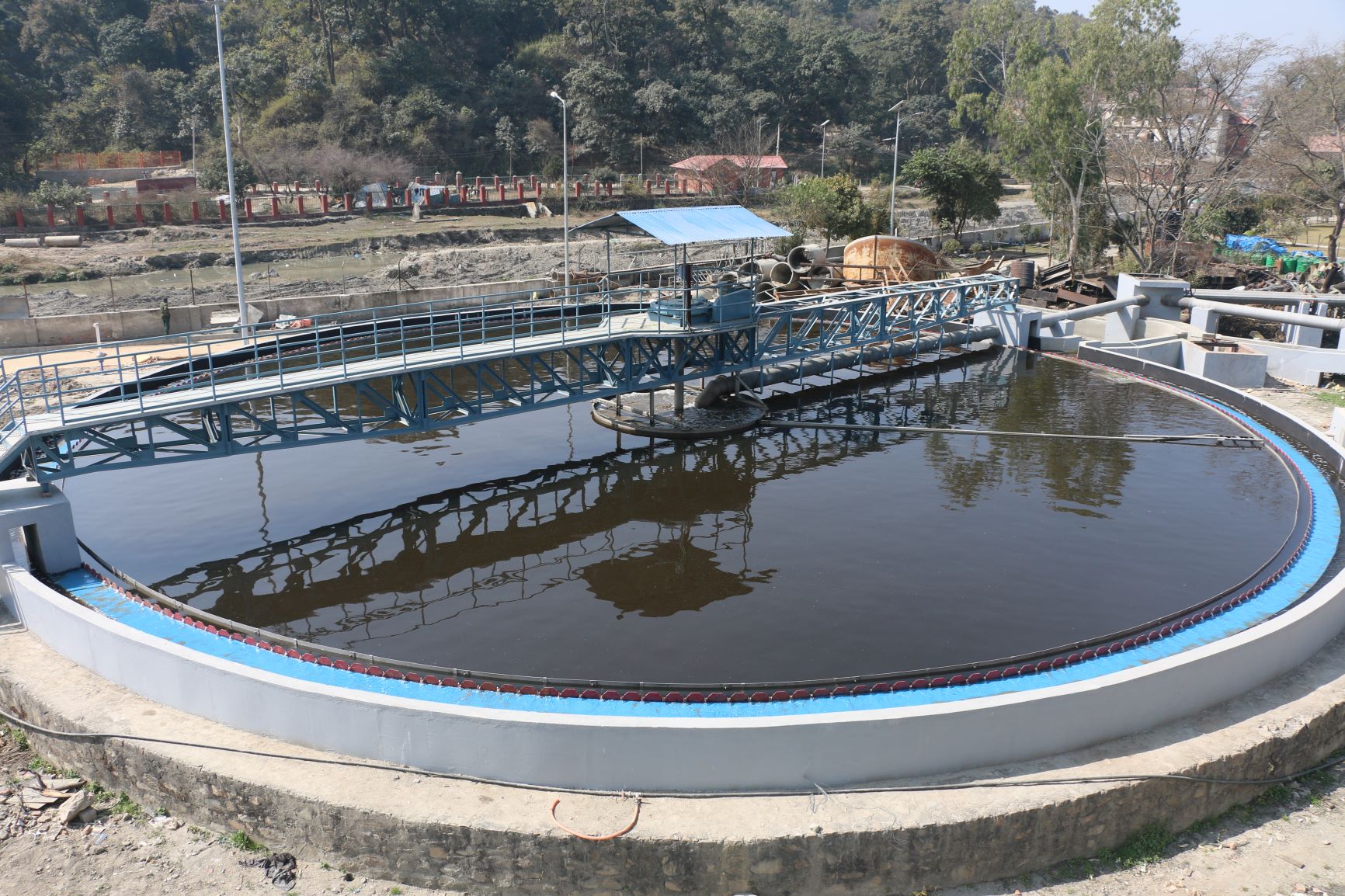
The Government of Nepal has set the maximum allowable Biological Oxygen Demand (BOD) level in treated wastewater discharged from treatment plants at 50 milligrams per litre.
The wastewater treatment plant, constructed by the Project Implementation Directorate (PID), is currently treating 32.4 million litres of sewage every day, said Project Director Shrestha.
According to him, construction of additional wastewater treatment plants is progressing in different parts of the Kathmandu Valley. PID is currently building treatment plants at Sallaghari, Kodku, Dhobighat, Gokarna, and Hanumanghat, and these projects are expected to be completed soon.
Project Chief and Engineer Ram Kumar Shrestha emphasized that additional wastewater treatment plants are essential to keep the rivers and environment of the Kathmandu Valley clean.
He said, “Wastewater treatment plants are under construction at several locations across the Valley. To maintain clean rivers and a healthy environment in Kathmandu, more treatment plants need to be built.”
He further stated that separate pipeline systems for sewage and stormwater are necessary to ensure the effective utilization of the treatment plant’s capacity. He also stressed the need for stronger coordination with local governments and effective implementation of relevant policies to achieve this.
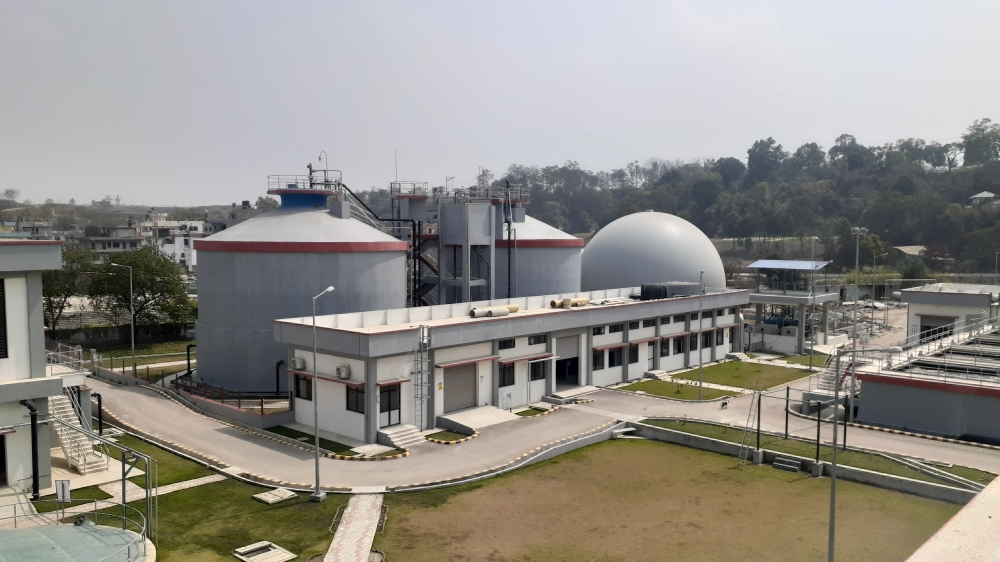
According to Shrestha, heavy water inflows, along with sand, bricks, dead animals, and other solid waste carried through the drainage system, often reach the treatment plant and reduce its operational efficiency.
PID stated that because sewage and stormwater currently flow through the same drainage network, the treatment plant is subjected to unnecessary hydraulic loads. Developing separate pipeline systems for sewage and rainwater would significantly improve both the treatment capacity and the overall efficiency of wastewater treatment operations.