272 पटक हेरिएको
A fecal sludge emptying business does not necessarily have to be limited to simply pumping out septic tanks. Service providers can offer customers an integrated service that includes septic tank inspection, emptying, and maintenance.
Under this approach, septic tanks at households, hotels, restaurants, schools, hospitals, offices, and other institutions can be inspected regularly. Records can be maintained on where the septic tank is located, whether a suction vehicle can access it, the condition of the manhole, the capacity of the tank, when it was last emptied, how full it currently is, whether there is any structural damage or leakage, and the condition of the inlet and outlet pipes, among other details.
For example, if a household’s septic tank was emptied three years ago, that information can be recorded in a digital system. Based on the tank size, the number of people living in the household, and the previous emptying interval, the service provider can also estimate when the tank is likely to require its next inspection or emptying and notify the customer accordingly.
Linking Digital Record-Keeping with the Business
To make the service more systematic, a Septic Tank Service Record can be created for each customer. The following information can be maintained through a mobile application, website, or even a simple digital database:
√ Customer’s name and contact details
√ Location of the septic tank
√ Estimated tank capacity
√ Type and condition of the tank
√ Manhole accessibility and condition
√ Whether the suction vehicle can access the tank
√ Date of the last emptying
√ Estimated volume of fecal sludge removed
√ Problems identified during inspection
√ Need for repairs to pipes, manholes, or the septic tank
√ Estimated date for the next inspection or emptying
√ Service fees and service history
This benefits both service providers and customers. Customers no longer have to remember when their septic tank was last emptied. Likewise, service providers do not have to simply wait for customers to call and say, “The tank is full; please send a vehicle.” Instead, they can notify customers in advance through SMS, phone calls, or mobile notifications when a service is likely to be required.
An Opportunity to Turn One-Time Customers into Regular Customers
This is perhaps the most important business aspect of the model.
In a conventional fecal sludge emptying business, customers generally seek the service only when an urgent need arises. The tank becomes full, a problem occurs, and the customer calls for a suction vehicle. After that, there may be no contact between the customer and the service provider for a long period.
However, once inspection and digital record-keeping are integrated into the service, the same customer can be encouraged to sign up for an annual or semi-annual service agreement.
For example:
Basic Service Package
Inspection + assessment of the septic tank condition + digital record-keeping
Regular Service Package
Inspection + septic tank emptying at scheduled intervals + digital record-keeping
Comprehensive Septic Tank Management Package
Inspection + septic tank emptying + maintenance and repairs + emergency service + annual service agreement
Maintenance Services Can Also Be Added
If problems are identified during an inspection, the service provider can coordinate, as needed, for manhole repairs, replacement of covers, pipe inspection, inlet and outlet improvements, leakage detection, and other related technical services.
This does not mean that the service provider has to carry out all technical work themselves. Depending on the need, they can collaborate with plumbers, civil technicians, and other relevant specialists to operate an “Integrated Septic Tank Service.” In this way, customers can obtain inspection, septic tank emptying, maintenance, and other necessary technical services through a single service provider.
Expanding into a Larger Business Model
In the future, this digital system could be expanded further by linking it with local governments or municipalities. For example, a digital database could be developed containing information on the location and capacity of septic tanks within a municipality, the date they were last emptied, and their service status.
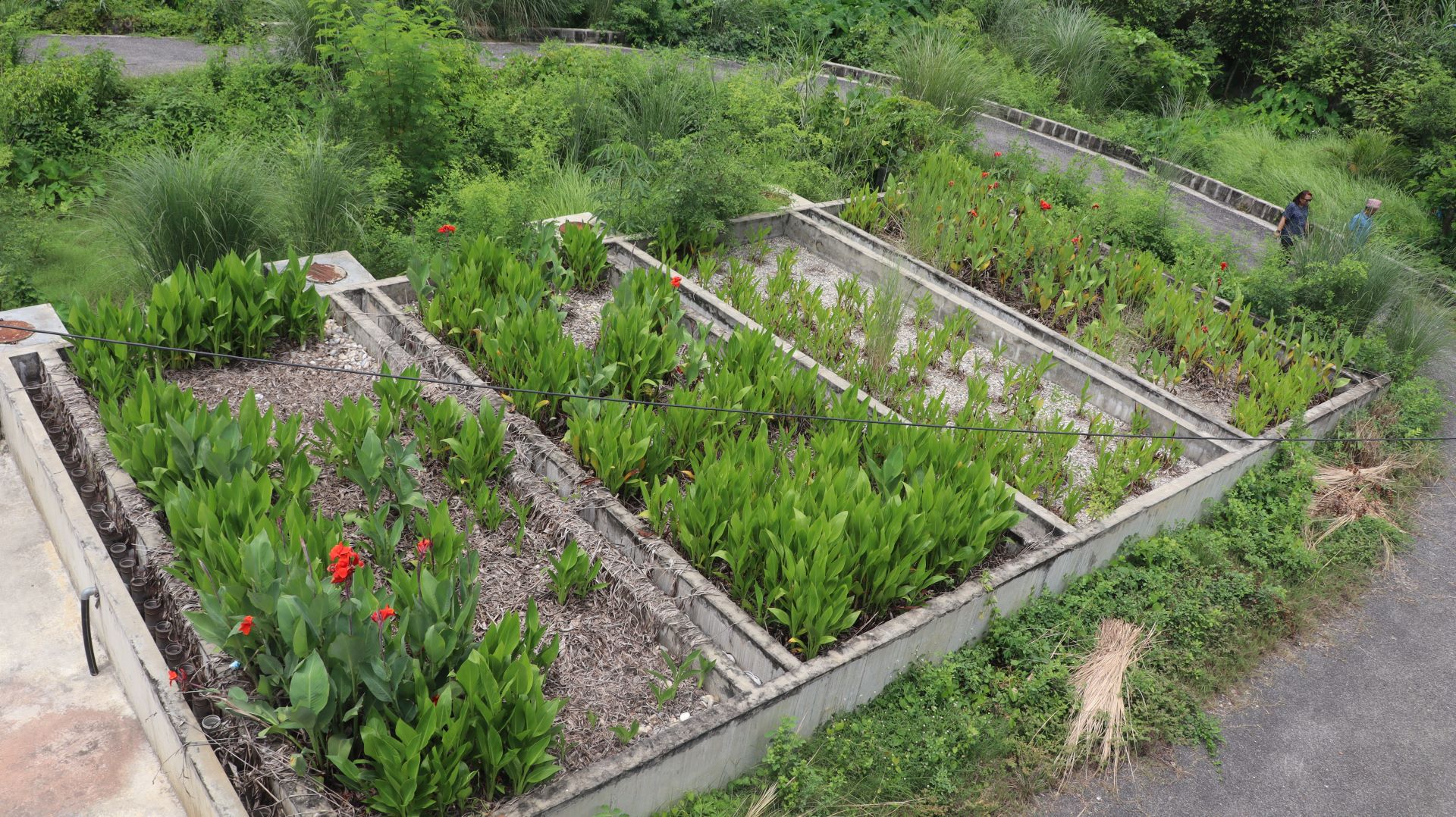
Such a system would make it easier to determine how many septic tanks are located in a particular area, when each tank was last emptied, which customers may require services again, and which areas have a higher demand for services. This would help service providers plan their operations, mobilize vehicles and personnel, and manage regular customers more effectively.
In the long term, if such a system can be integrated with the municipality’s sanitation management system, the entire process from digital record-keeping of septic tanks and regular servicing to fecal sludge collection and safe management could be made more systematic.
The service provider could then use data to determine where to dispatch vehicles, which areas require regular services, which customers are due for septic tank emptying, and where demand for services is highest.
Ultimately, this approach can transform fecal sludge management from a vehicle-and-pump-based business into a data-driven, routine sanitation service business.