222 पटक हेरिएको
 Kathmandu: The Environment and Public Health Organization (ENPHO) conducted a Training Package Discussion and Information Sharing Program to present a comprehensive set of training packages prepared by ENPHO and endorsed by the National Water Supply and Sanitation Research, Innovation and Capacity Development Center (NWSSRICDC).
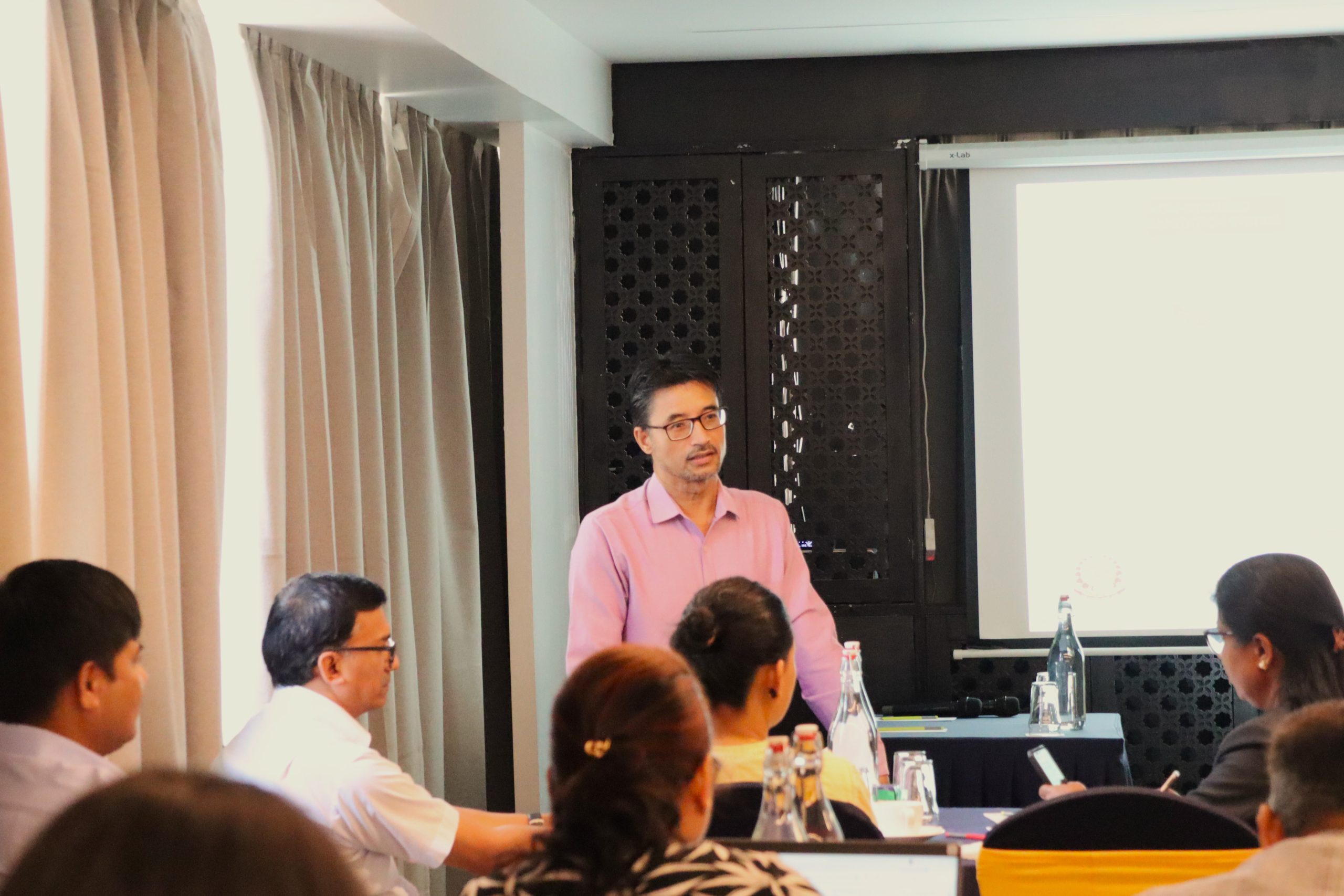
The program commenced with welcome remarks from ENPHO’s Executive Director, Rajendra Shrestha, who spoke about the importance of capacity building. He noted that learning is ever-evolving and emphasized that training packages need to be refined over time based on feedback.
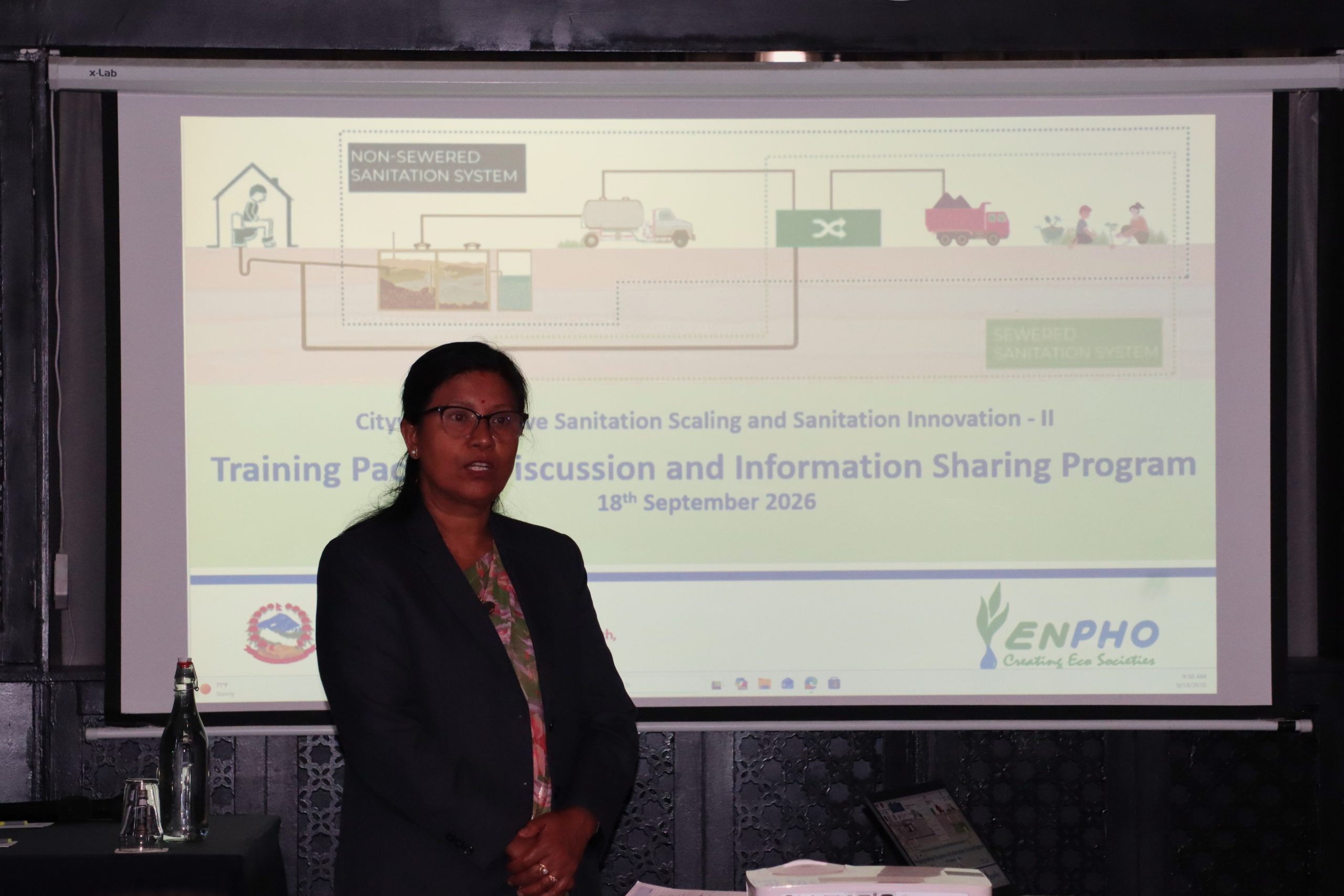
Er. Meena Shrestha, Executive Director of NWSSRICDC, thanked everyone who contributed to the development of the manuals and packages. She stated that training is essential for the sustainability of services and stressed that uniformity in training packages is important to prevent duplication of efforts.
She further emphasized that feedback is critical for continuous improvement, which was the rationale behind organizing the program.
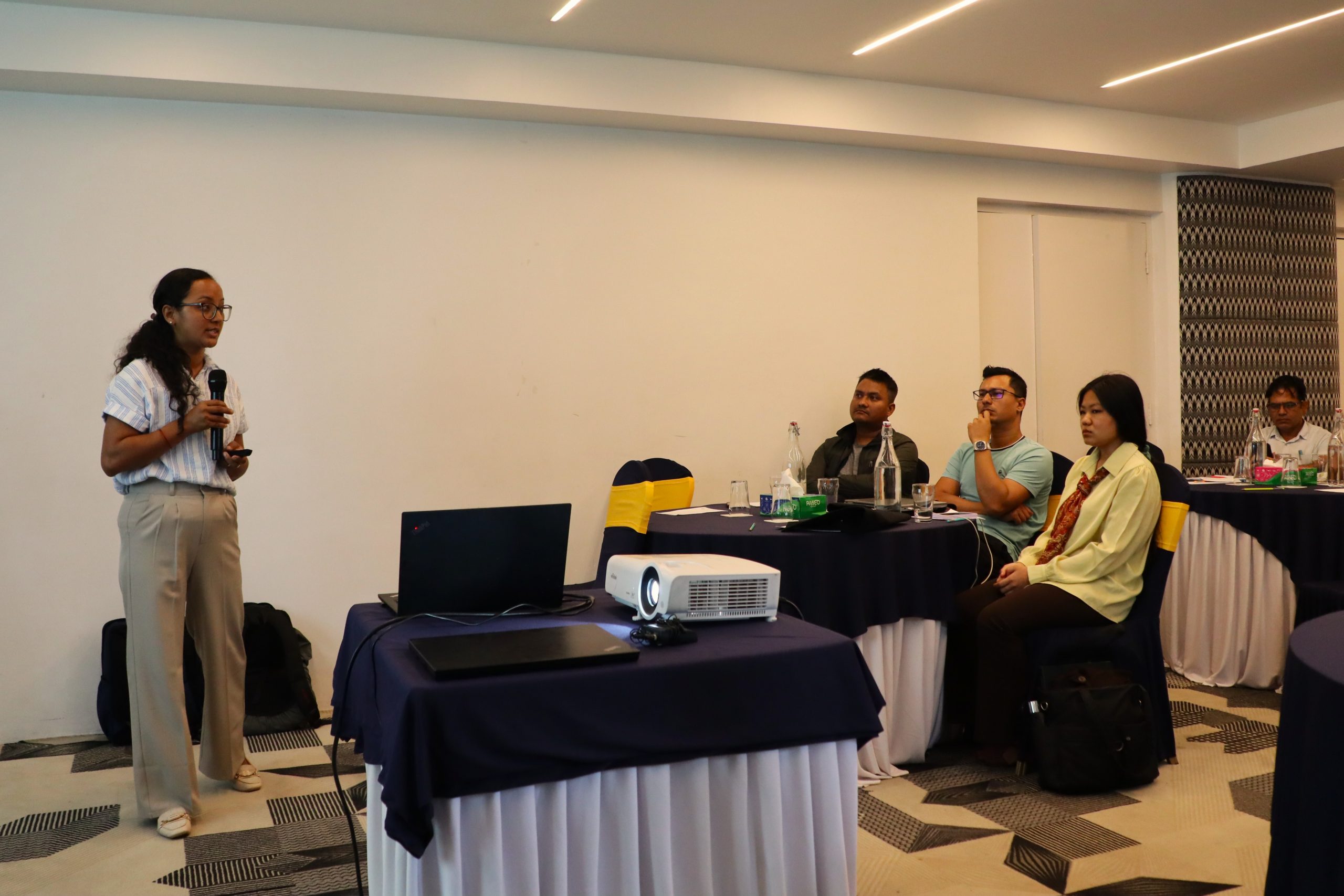
Yogita Sujhakhu, Curriculum Development Officer at ENPHO, provided an overview of the status of the packages and explained how training packages are developed – from needs assessment to rollout, follow-up, and updating.
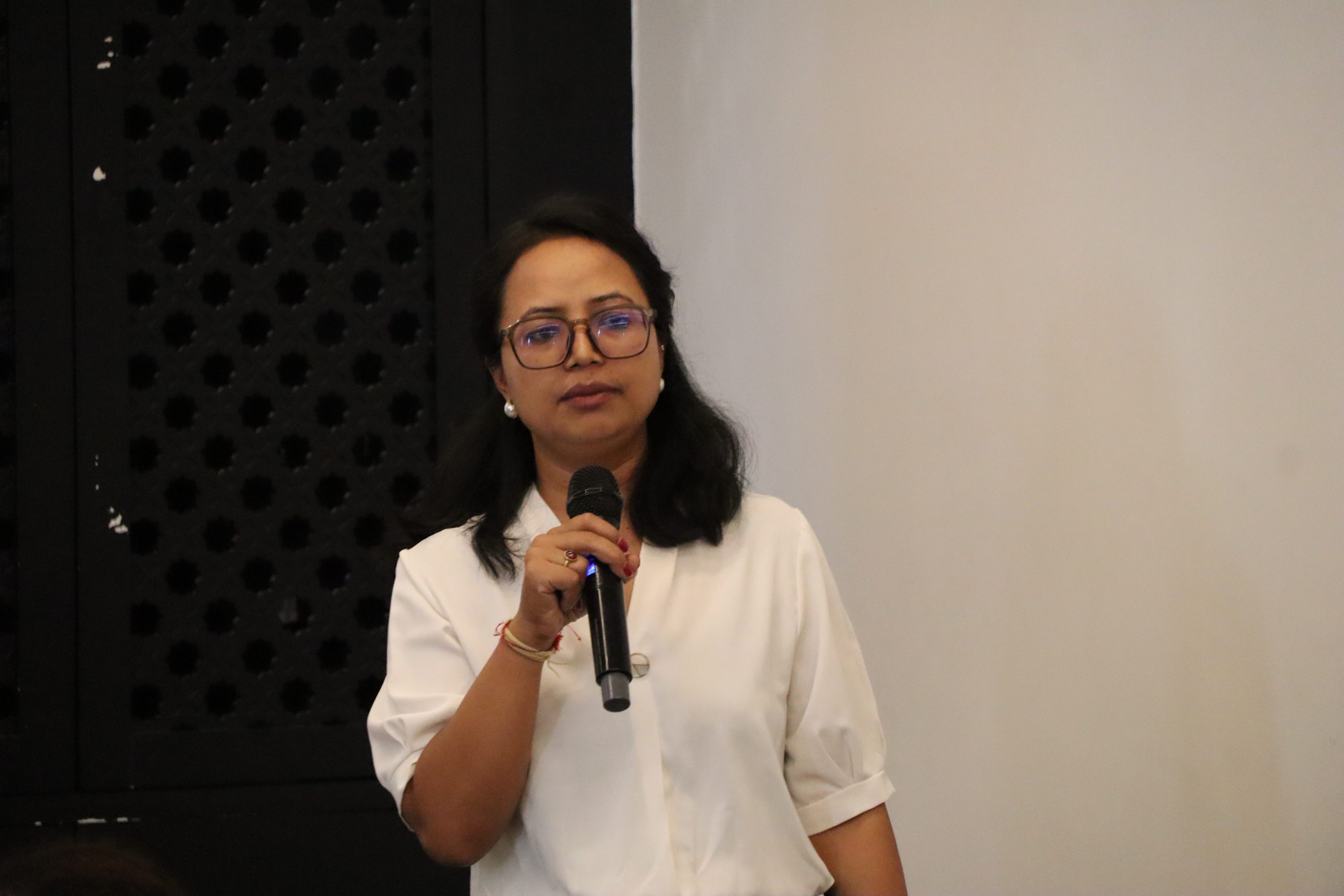
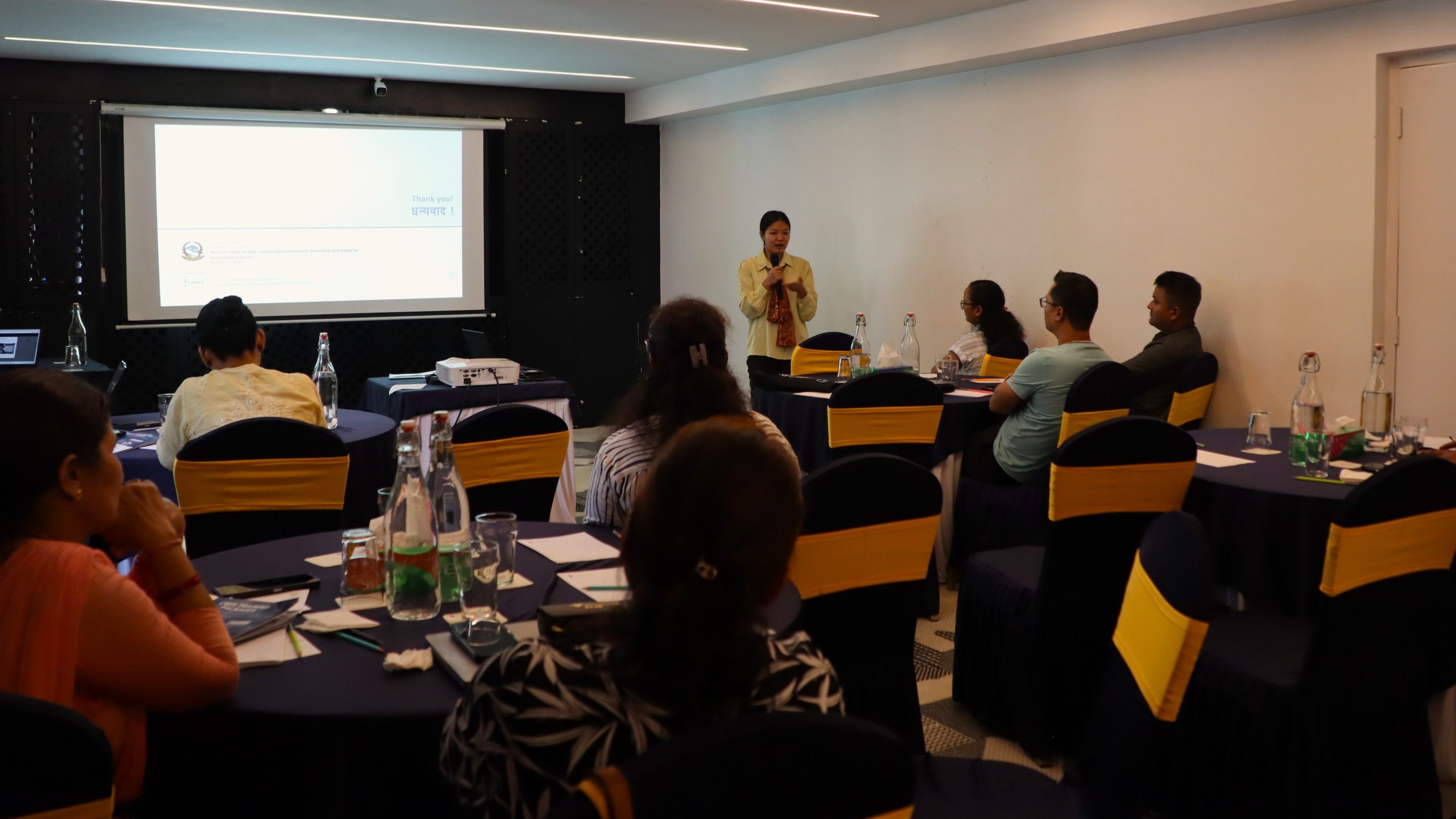
Chandra Shobha Khaitu, Training Coordinator at NWSSRICDC, then described all 21 training packages. Information about the National WASH Repository, which can be accessed at https://washrepo.enpho.org/, was also shared during the session.
The program featured an experience-sharing segment with both trainers and trainees.
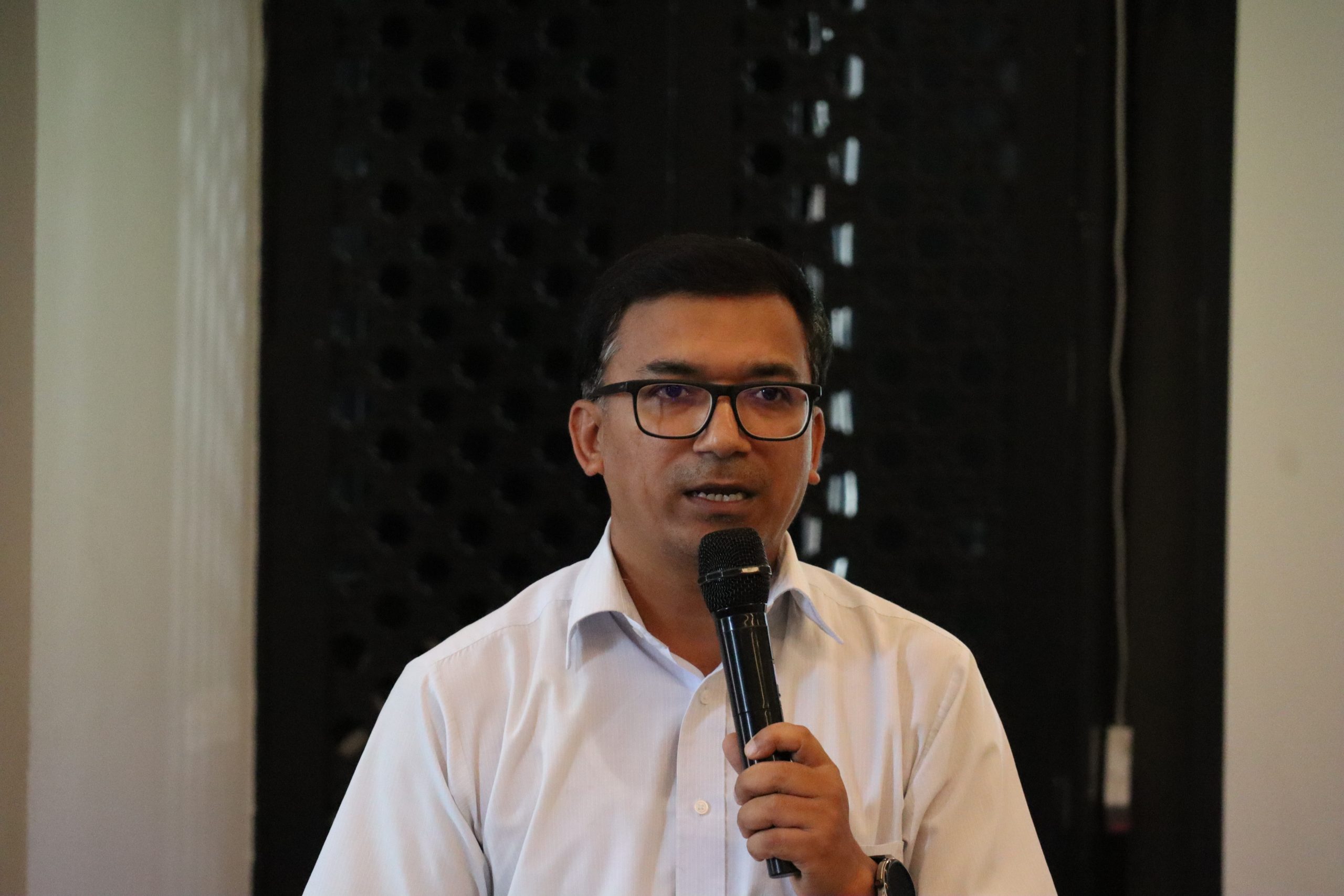
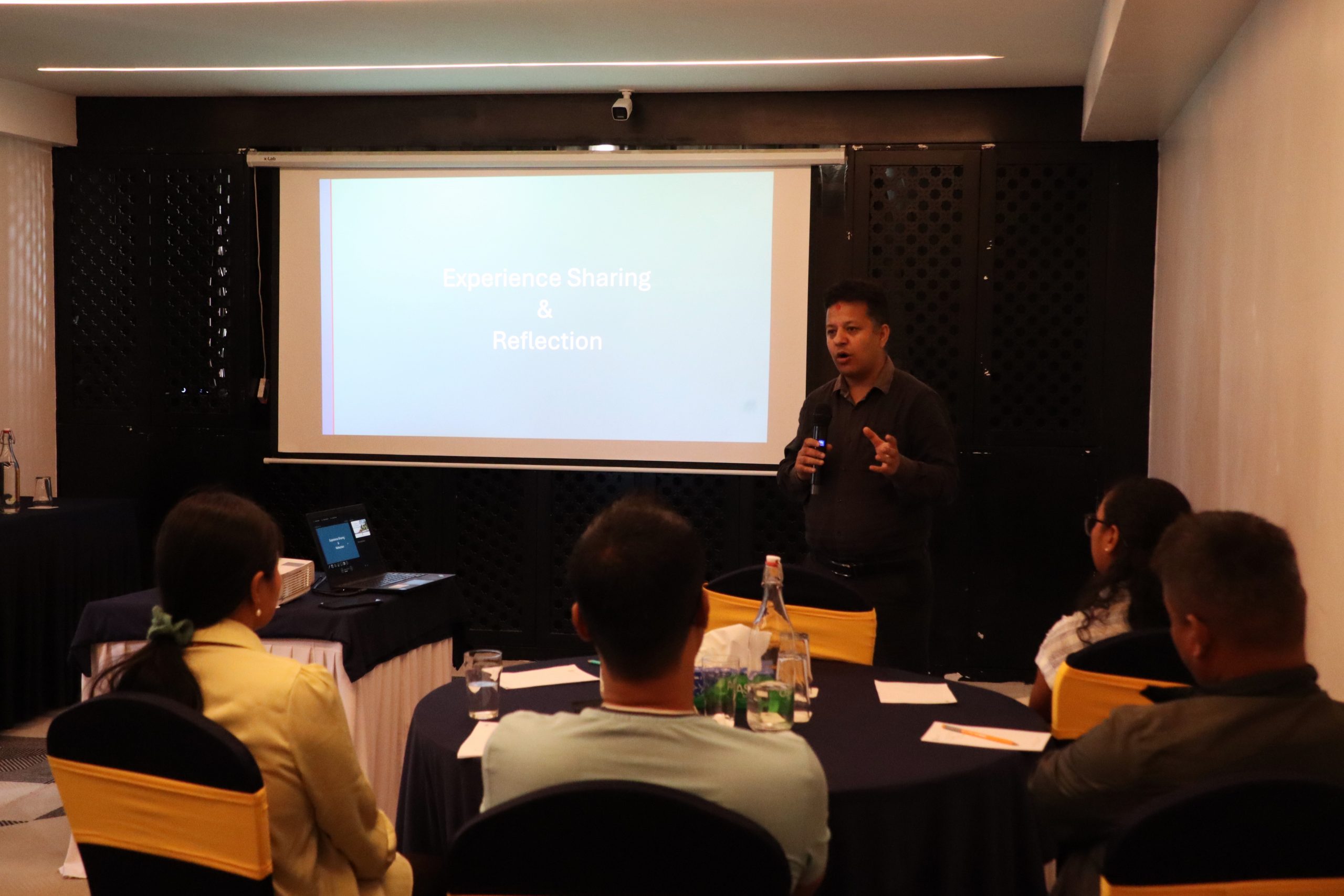
Senior Divisional Engineer Yogendra Chitrakar, representing the Ministry of Infrastructure Development, shared his experience as a trainer in the Training of Trainers (ToT) package.
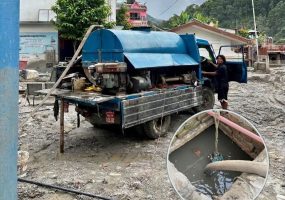
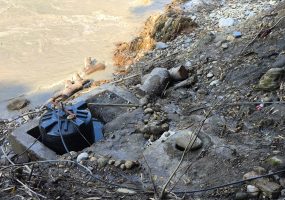
Before sharing his reflections, he drew attention to the recent Rasuwa flooding and pointed out that NGOs and INGOs have been doing tremendous work in providing basic WASH services to flood victims.
He thanked them for their efforts on behalf of the government. Chitrakar said that being a trainer gave him the opportunity to stay updated on several topics and enabled him to engage in evidence-based lobbying at the policy level.
Rija Joshi, Executive Director of the Center for Integrated Urban Development, who attended a ToT training, shared that the training was very effective and helpful.
She noted that it fostered a co-learning environment with participant feedback. She pointed out that more examples in Nepal’s context should be included in the training.
Anand Gautam, Project Manager at WaterAid Nepal and another ToT participant, also shared a positive experience. He emphasized that WASH structures should be climate-resilient and recommended that all training packages incorporate climate resiliency.
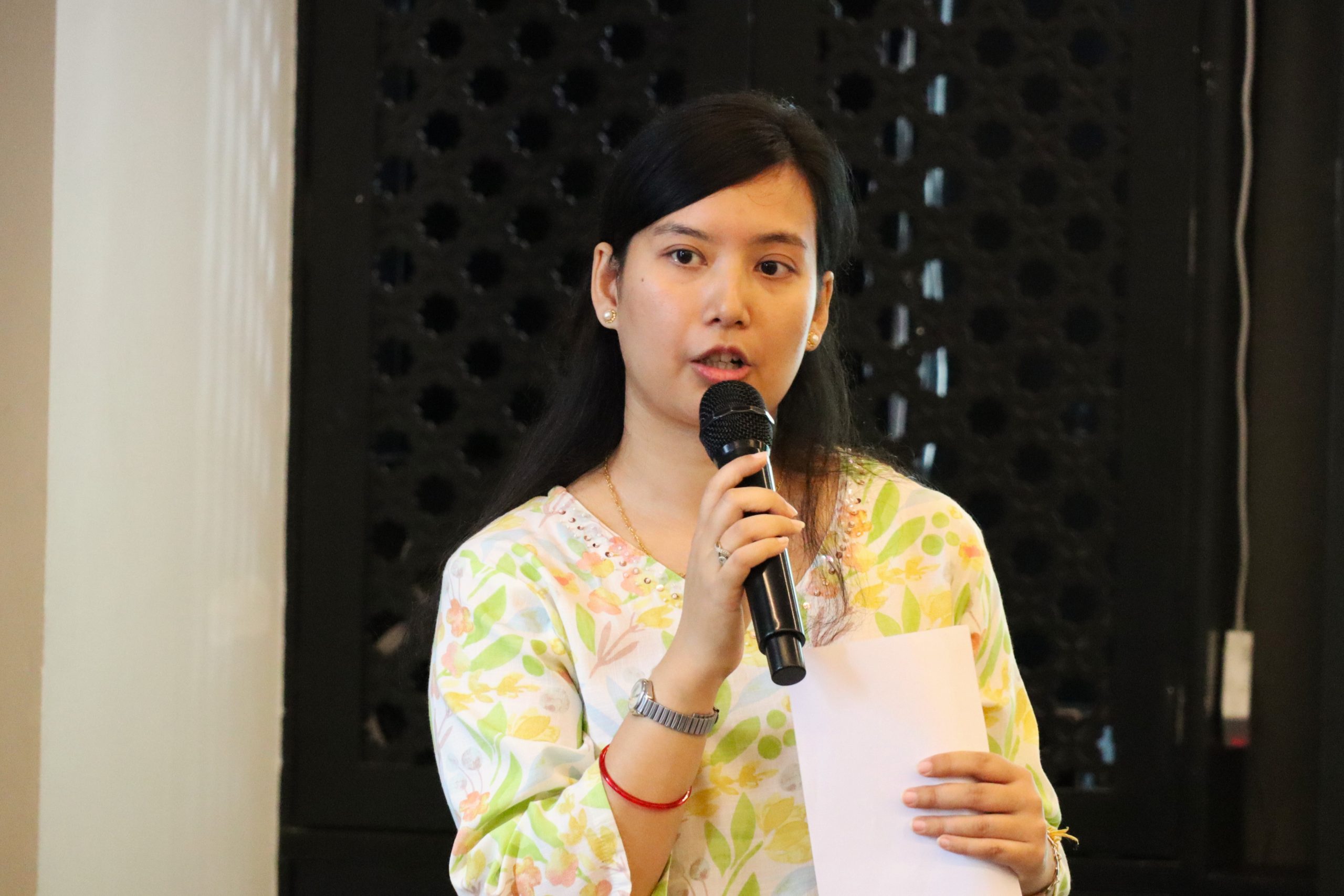
Rachana Thapa, Research Assistant at 500B Solutions, who participated in one of the ToTs, said that the training set a good example of how a training should be – well-planned, with an enabling environment, and highly effective.
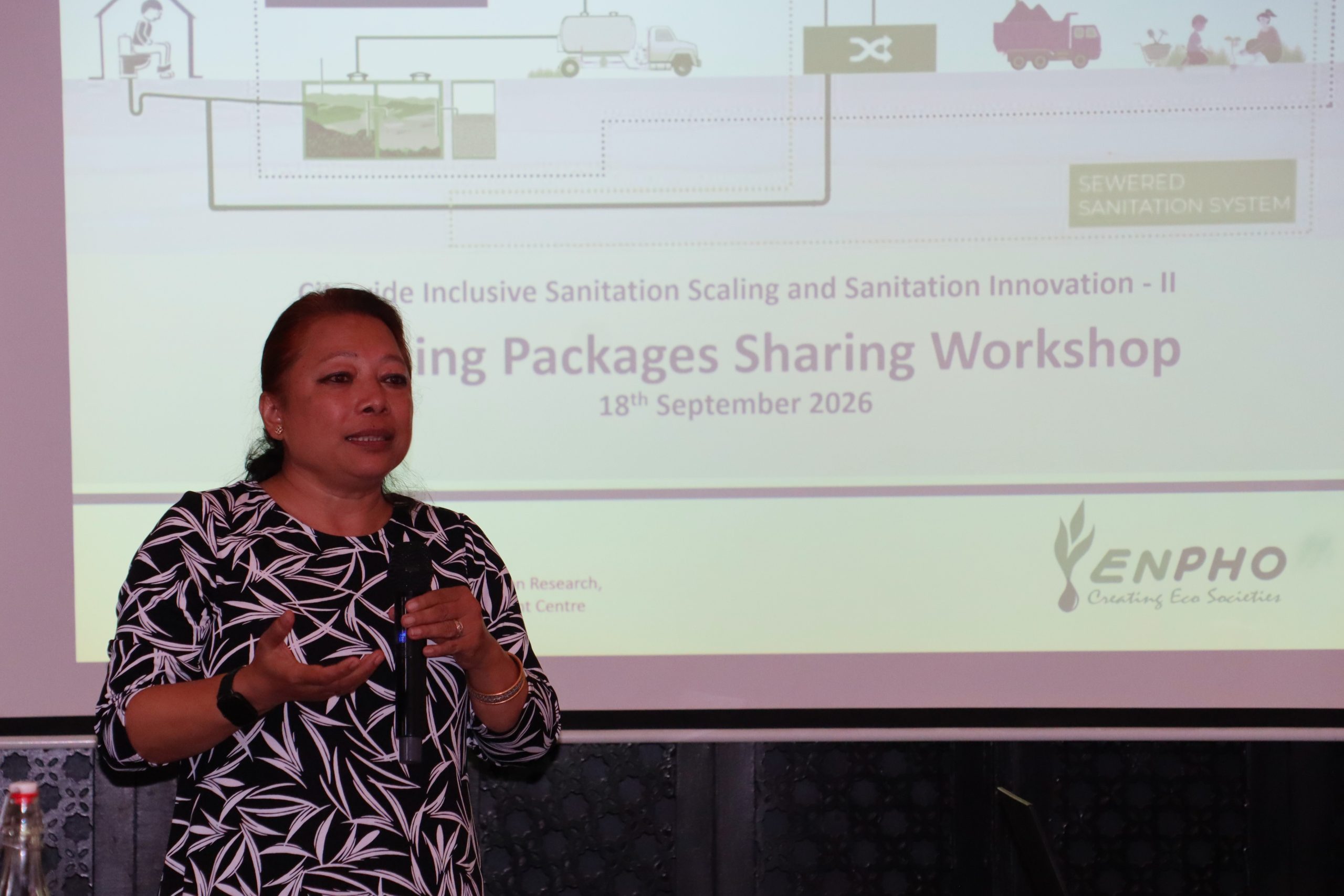
Sudha Shrestha, National Professional Officer (WASH) at UN-Habitat Nepal, delivered the closing remarks. She explained that a government entity like NWSSRICDC is important for development partners to authenticate training packages.
She stated that to maintain the quality of training and to ensure that the core message is not distorted, authentication is necessary.
Concluding her remarks, Shrestha stressed that the packages require periodic review and called on stakeholders to explore ways to scale the packages up across the country.
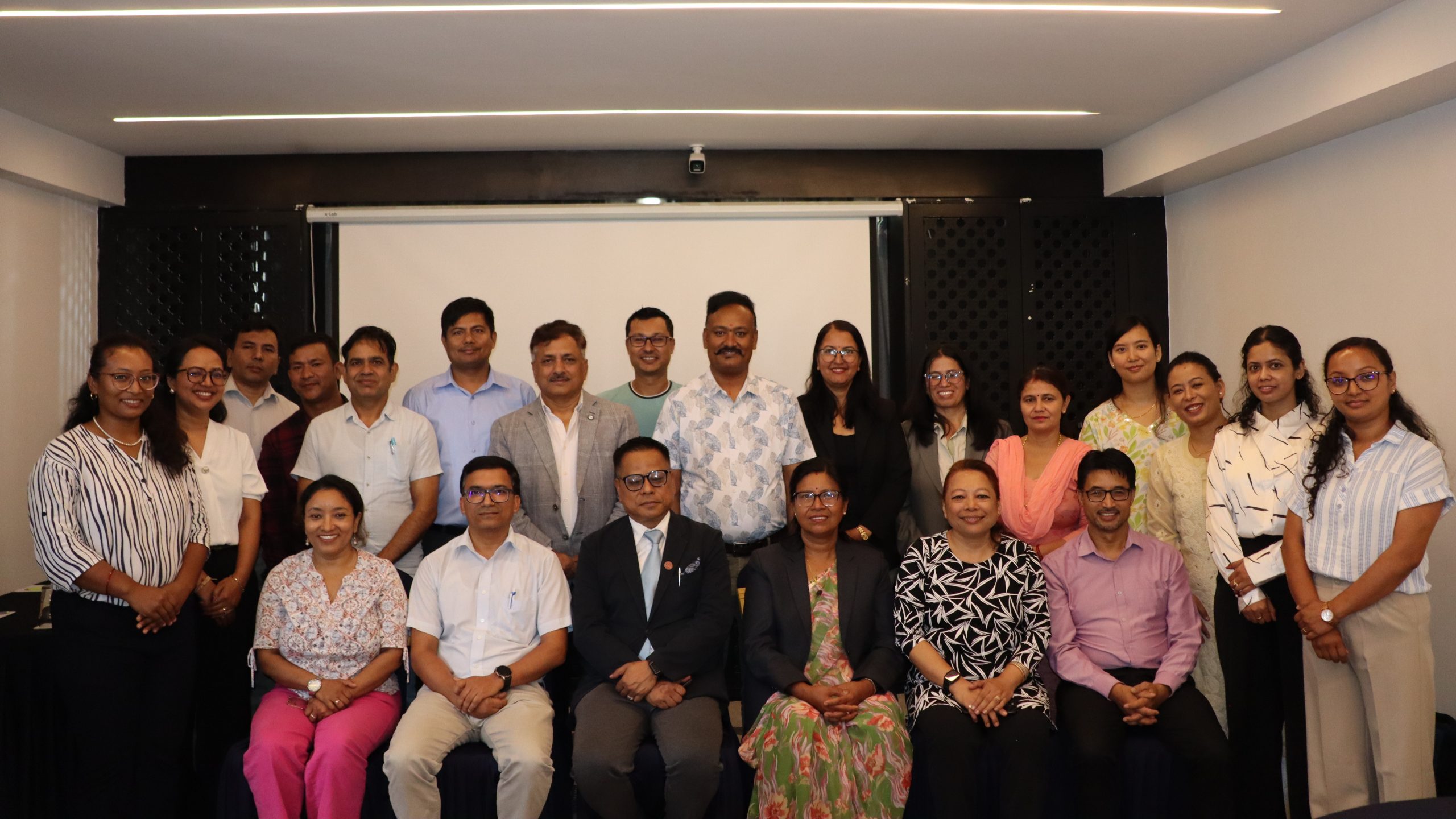
Photos: Suman Tamang/WASH Khabar