421 पटक हेरिएको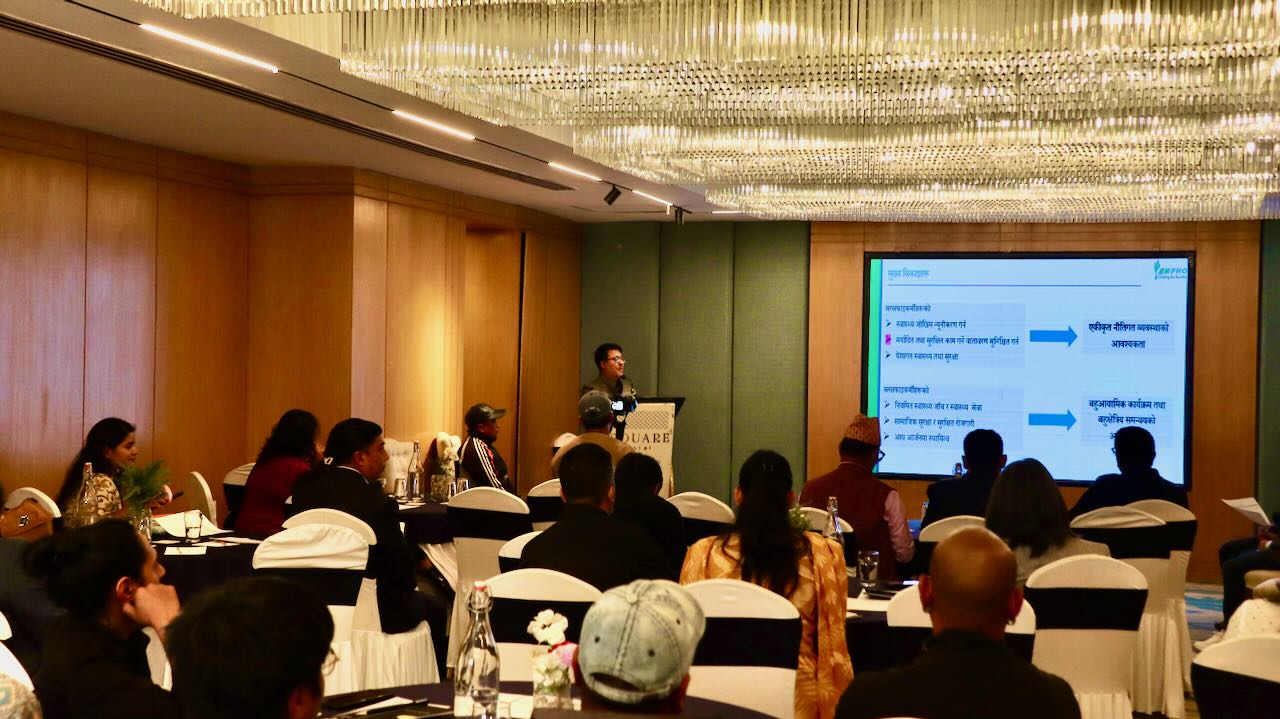
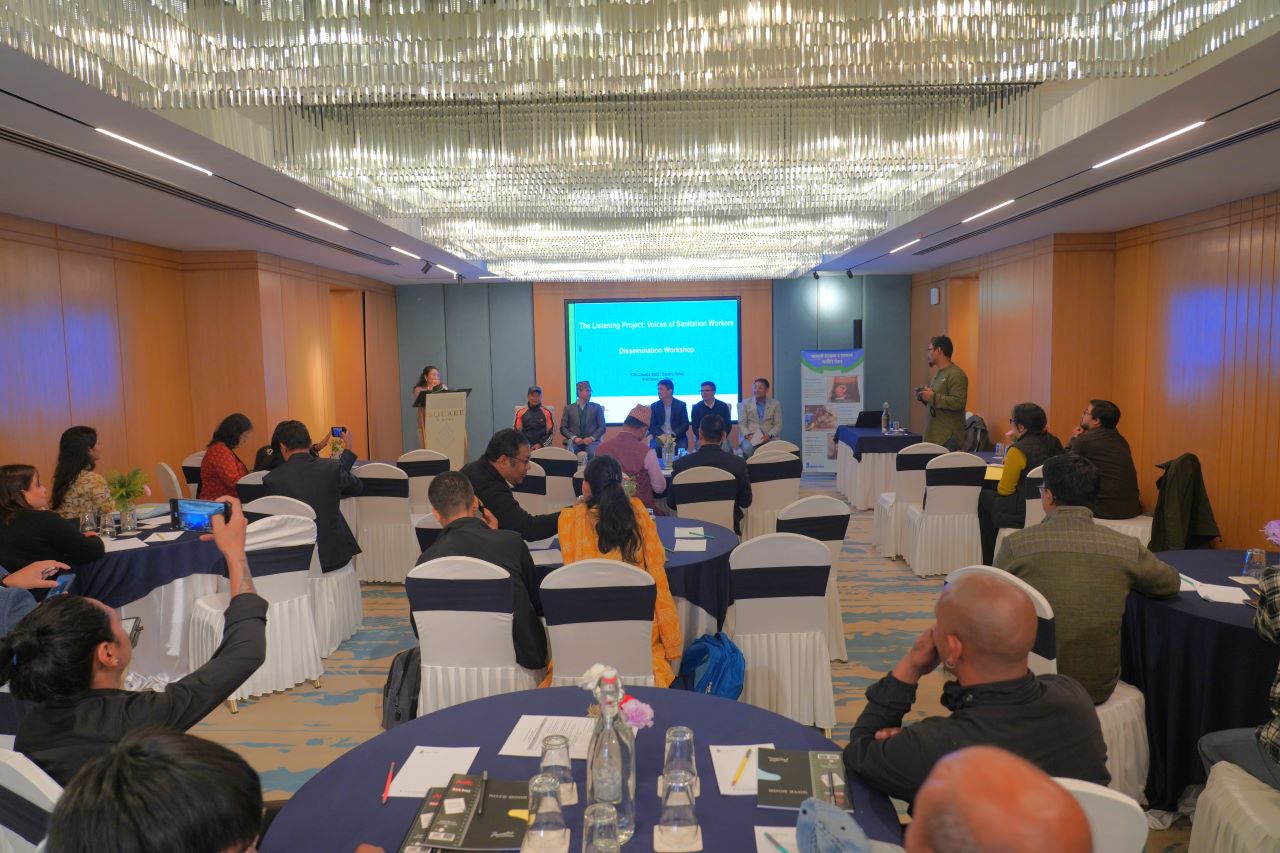
Kathmandu: The “Sanitation Workers’ Voices Project,” implemented with a focus on the experiences, voices, and rights of sanitation workers, has achieved significant accomplishments at multiple levels. Keshav Shrestha, Program Manager at the Environment and Public Health Organization (ENPHO), shared the project’s major achievements during the National Workshop on Sanitation Workers’ Experiences and Voices.
The Environment and Public Health Organization (ENPHO), in partnership with WaterAid Nepal, implemented the project from September 2025 to March 2026. The project worked primarily through awareness raising, capacity development, participatory documentation, and policy advocacy.
The project was designed with the objectives of empowering sanitation workers to express their challenges and advocate for their rights, supporting the documentation of their lived experiences through participatory videography and photography, and engaging policymakers to improve sanitation workers’ safety and welfare through evidence-based advocacy efforts.
Leadership Development and Capacity Strengthening
Under the project, four manual sanitation workers were selected as project companions, and notable improvements were achieved in strengthening their leadership capacities. Likewise, 24 sanitation workers received training on rights, occupational health and safety (OHS), and the use of personal protective equipment (PPE), Program Manager Shrestha said.
Similarly, 20 sanitation workers were provided with capacity-building support to effectively raise their concerns and communicate with the media. According to the project, following this empowerment, sanitation workers were able to openly share their experiences and challenges in the media for the first time.
Policy Advocacy and Institutional Initiatives
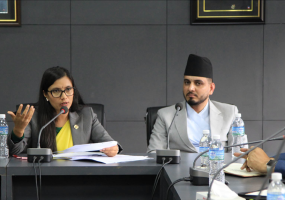
The project has also prepared a memorandum with a unified voice to institutionally present the rights and issues of sanitation workers. In addition, dialogue programs were organized between sanitation workers and the metropolitan city authorities on safe working environments and dignified treatment, Program Manager Shrestha stated.
Likewise, direct discussions were facilitated between sanitation workers and policymakers regarding occupational challenges. During these discussions, sanitation workers raised demands related to occupational safety, formal recognition, grievance management mechanisms, service and remuneration standards, and regular health services.
A recommendation report incorporating these demands has been submitted to the Department of Water Supply and Sewerage Management. Furthermore, the metropolitan authorities and policymakers have committed to incorporating these issues into the upcoming Occupational Health and Safety guideline.