432 पटक हेरिएको
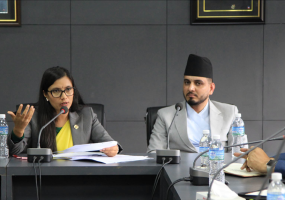
 Bhaktapur : A three-day capacity-building training for service providers on improving water supply and sanitation services is concluding today at the National Drinking Water, Sanitation Research, Innovation and Capacity Building Centre, Nagarkot. The training includes not only drinking water but also the topic of inclusive and equitable sanitation. Participants have stated that incorporating the concept of Inclusive and Equitable Water and Sanitation Services into the training for service providers is highly necessary and relevant. According to the training coordinator, Chandra Shobha Khaitu, the topic of inclusive and equitable sanitation has been included in the training with the objective of ensuring that people from all classes, communities, geographical regions, and socio-economic backgrounds can access safe, adequate, and sustainable sanitation services without discrimination. In a diverse country like Nepal, disparities in water supply and sanitation services still persist. People living in remote areas, economically disadvantaged communities, Dalits, persons with disabilities, as well as women and children are often left behind in accessing these services. In some places, even when services are available, not everyone is able to use them equally due to issues related to access, capacity, or social barriers. Therefore, she emphasized that it is extremely important to train service providers on inclusive and equitable approaches. The inclusion of inclusive and equitable sanitation in the training is mainly justified by three reasons. “First, from a policy and human rights perspective, water supply and sanitation are recognized as fundamental human rights, and it is necessary to develop an understanding among service providers that no citizen should be deprived of access to these services. Second, from the perspective of social justice, inequality will continue to increase if priority is not given to vulnerable and marginalized groups, making an inclusive approach essential to reduce such disparities. Third, for sustainable service management, ensuring the participation of all communities makes the service system more effective, transparent, and sustainable,” said Khaitu. The training is expected to enhance the capacity of service providers and support them in adopting inclusive approaches in planning, implementation, and management. Participants also expressed that increased community participation will strengthen trust and ownership towards the service system. In Nepal, the concept of Citywide Inclusive Sanitation (CWIS) is gradually developing. At a time when sanitation management remains challenging, the need for sustainable and inclusive solutions is increasing. Keeping this need in mind, the United Nations Human Settlements Programme (UN-Habitat) has been implementing the “Scalling of Citywide Inclusive Sanitation Service System in Nepal” programme as a model initiative in seven municipalities across all seven provinces of Nepal. According to Satish Jung Shahi, Coordinator of the Citywide Inclusive Sanitation Alliance, this programme has been supporting municipalities in inclusive planning, technology selection, service management, and the development of financial models. He further stated that such initiatives significantly contribute to the capacity development of water supply and sanitation service providers. If service providers understand inclusive and citywide approaches, they can apply the principle of “Leave No One Behind” in practice while expanding services. The training, jointly organized by the United Nations Human Settlements Programme (UN-Habitat) and the National Drinking Water, Sanitation Research, Innovation and Capacity Building Centre, Nagarkot, is being attended by 40 participants representing 25 service provider institutions, including water user committees and water supply and sanitation management boards.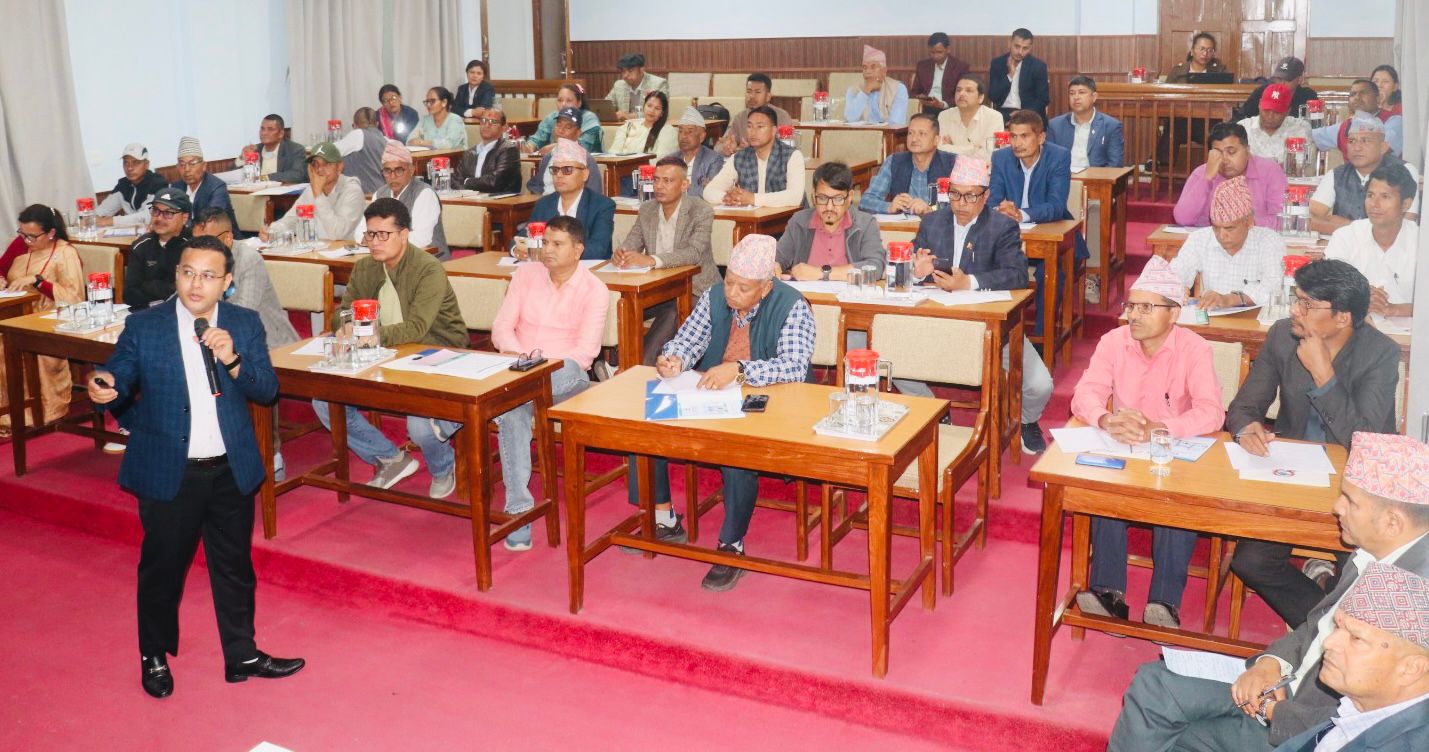
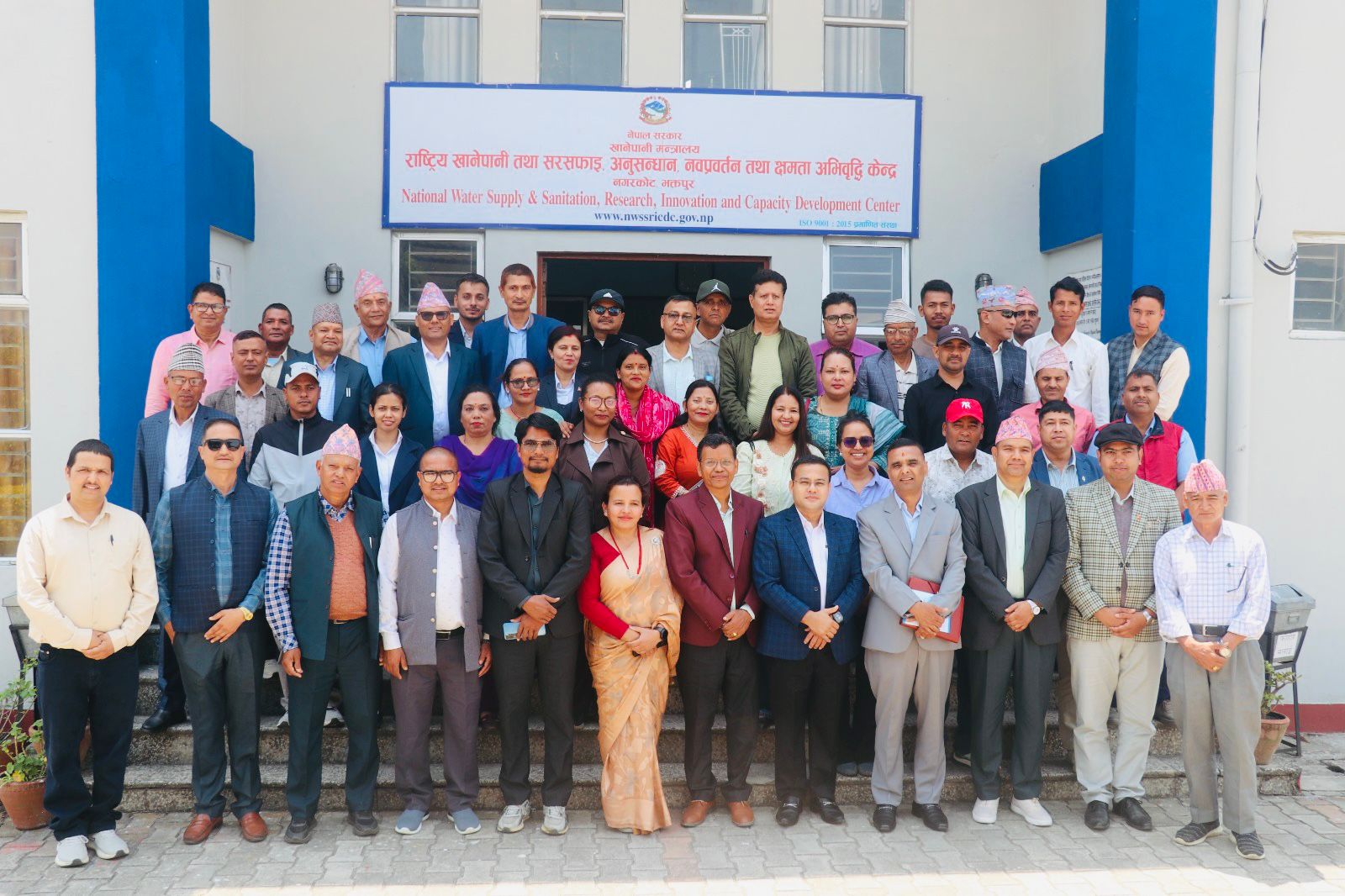
Promoting Inclusive and Equitable WASH Services Through Capacity Building
🔗
Shares