294 पटक हेरिएको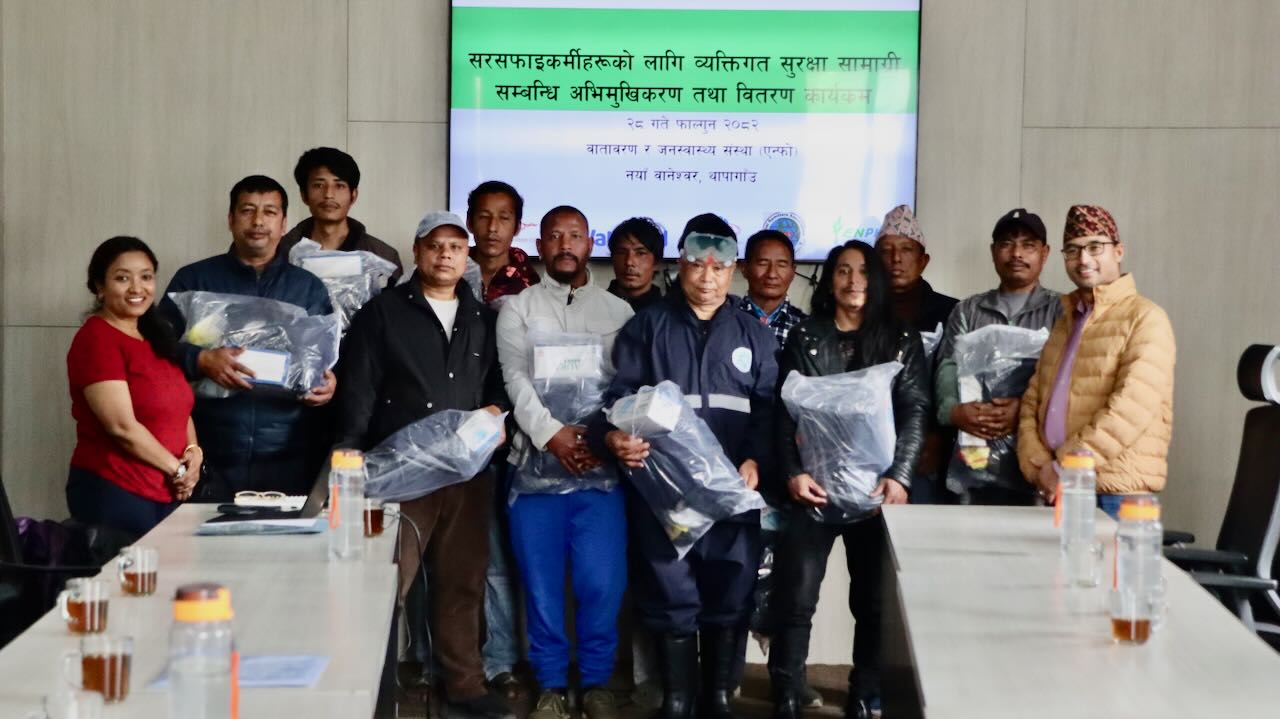
Kathmandu: The main purpose of sanitation workers wearing Personal Protective Equipment (PPE) is to protect themselves from health risks and accidents that may occur during their work.
When working with sewers, septic tanks, waste, or fecal sludge, sanitation workers face various risks from bacteria, toxic gases, chemicals, and sharp objects. Protective equipment helps reduce these risks.
Why Should Sanitation Workers Wear Protective Equipment?
1. Protection from Diseases and Infections
Sewers, septic tanks, and fecal sludge contain human excreta. Such waste may carry various types of bacteria, viruses, and parasites that can cause serious illnesses in humans. If sanitation workers perform their duties without protective equipment, these microorganisms can enter the body through the skin, wounds, eyes, or hands.
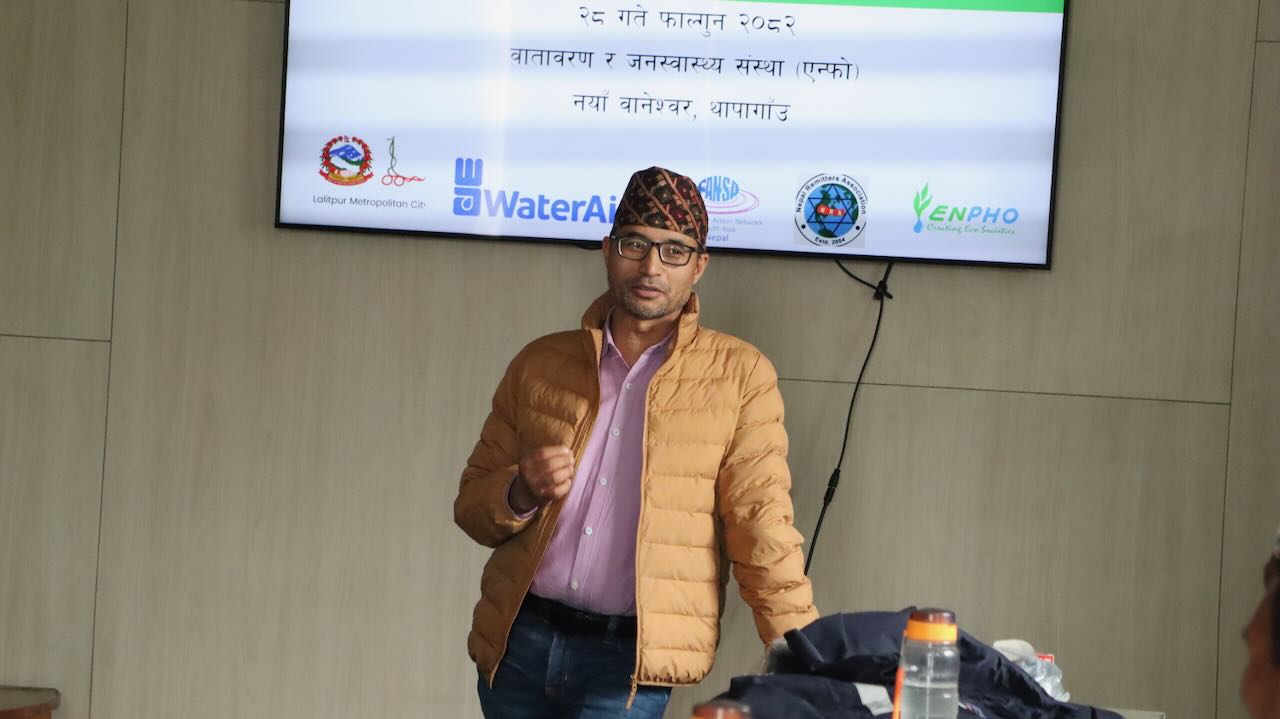
According to Rajendra Shrestha, Executive Director of the Environment and Public Health Organization (ENPHO), wearing protective clothing, gloves, and boots prevents direct contact between the body and waste. This helps protect sanitation workers from infections such as cholera, typhoid, diarrhea, skin infections, as well as eye and gastrointestinal diseases.
2. Protection from Toxic Substances and Gases
During the decomposition of waste in septic tanks, sewers, or other confined spaces, various harmful gases can be produced. Gases such as hydrogen sulfide, methane, and ammonia can cause headaches, dizziness, breathing difficulties, or even unconsciousness if inhaled.
Therefore, it is essential to use masks or respirators while working in such environments. These help reduce the inhalation of harmful gases and foul odors, making the work safer.
3. Protection from Physical Injuries
It is often difficult to know what types of objects are present inside waste or sewer systems. Broken glass, pieces of metal, needles, wires, or other sharp materials may be hidden inside.
Working without protective gear can lead to cuts, injuries, and infections. However, using thick gloves, rubber boots, and protective clothing significantly reduces the risk of such injuries and helps keep sanitation workers safe.
4. Preventing Direct Contact with Chemicals and Waste
During sanitation work, chemicals such as chlorine, detergents, or other cleaning agents are sometimes used. If these substances remain in contact with the skin for a long time, they may cause irritation, allergies, or skin wounds.
Protective clothing, gloves, and boots cover the body properly, preventing direct contact with waste and chemicals. This helps protect the skin and prevents long-term health problems.
5. Making Work Safer and More Organized
Wearing protective equipment gives sanitation workers a sense of safety, which helps them perform their duties with confidence. It also ensures that the work is carried out in a systematic, responsible, and professional manner.
Moreover, the use of safety equipment helps establish sanitation work as a dignified and safe profession.
While distributing personal protective equipment to sanitation workers, Rajendra Shrestha, Executive Director of the Environment and Public Health Organization (ENPHO), stated that the first responsibility for adopting personal safety measures lies with the workers themselves. He acknowledged that behavioral change is challenging but emphasized that PPE must be used as it helps ensure their own safety.
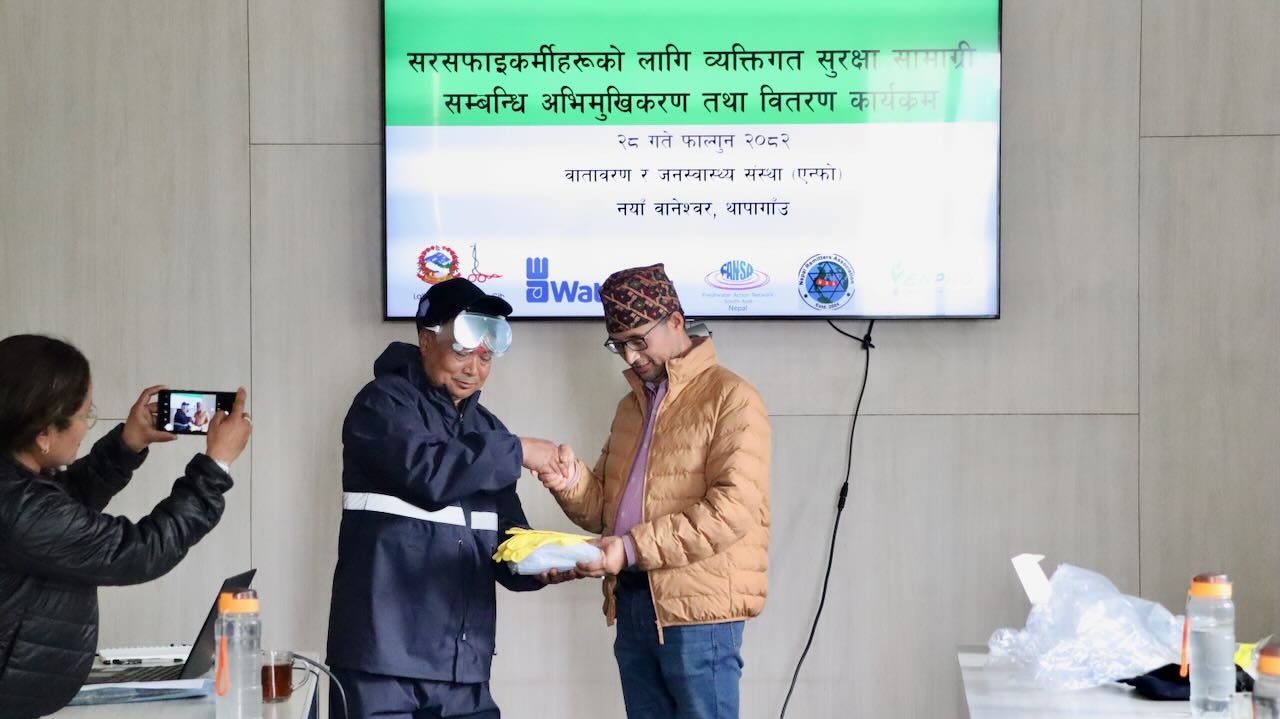
“Behavior change is very difficult, but it is also unavoidable,” he said.
He further added that regulations should be implemented to make the use of personal protective equipment mandatory in sanitation work.