150 पटक हेरिएको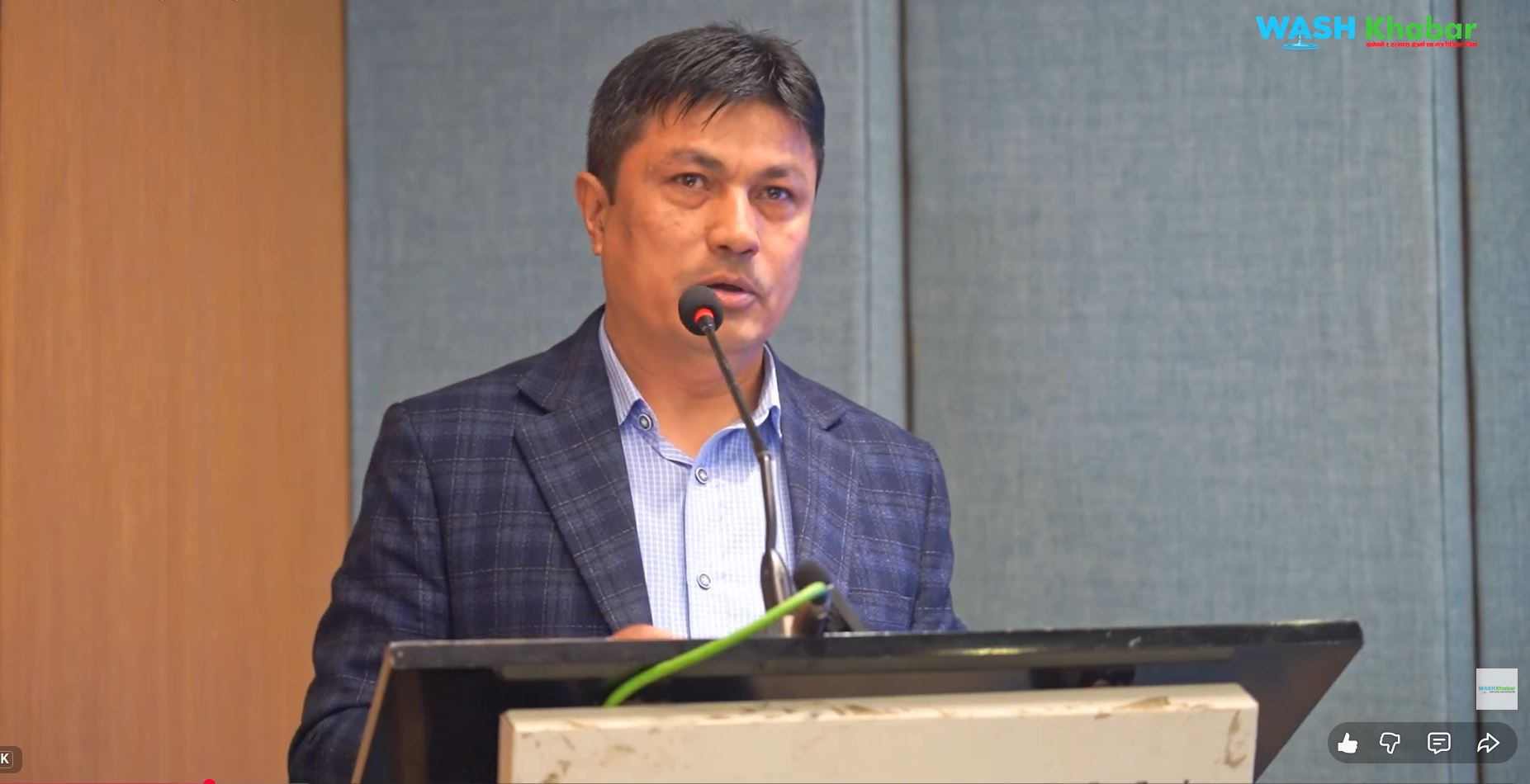
Kathmandu: Director General of the Department of Water Supply and Sewerage Management, Kamal Raj Shrestha, has emphasized the urgent need to reduce the serious health and safety risks faced by sanitation workers engaged in human waste management, particularly in urban areas where rapid population growth, limited land, and unplanned infrastructure continue to intensify the challenge.
Speaking at the review program of the “The Listening Project : Voices of Sanitation Workers,” Director General Shrestha highlighted the indispensability of preparedness, technical knowledge, and protective measures to minimize occupational hazards during sanitation work.
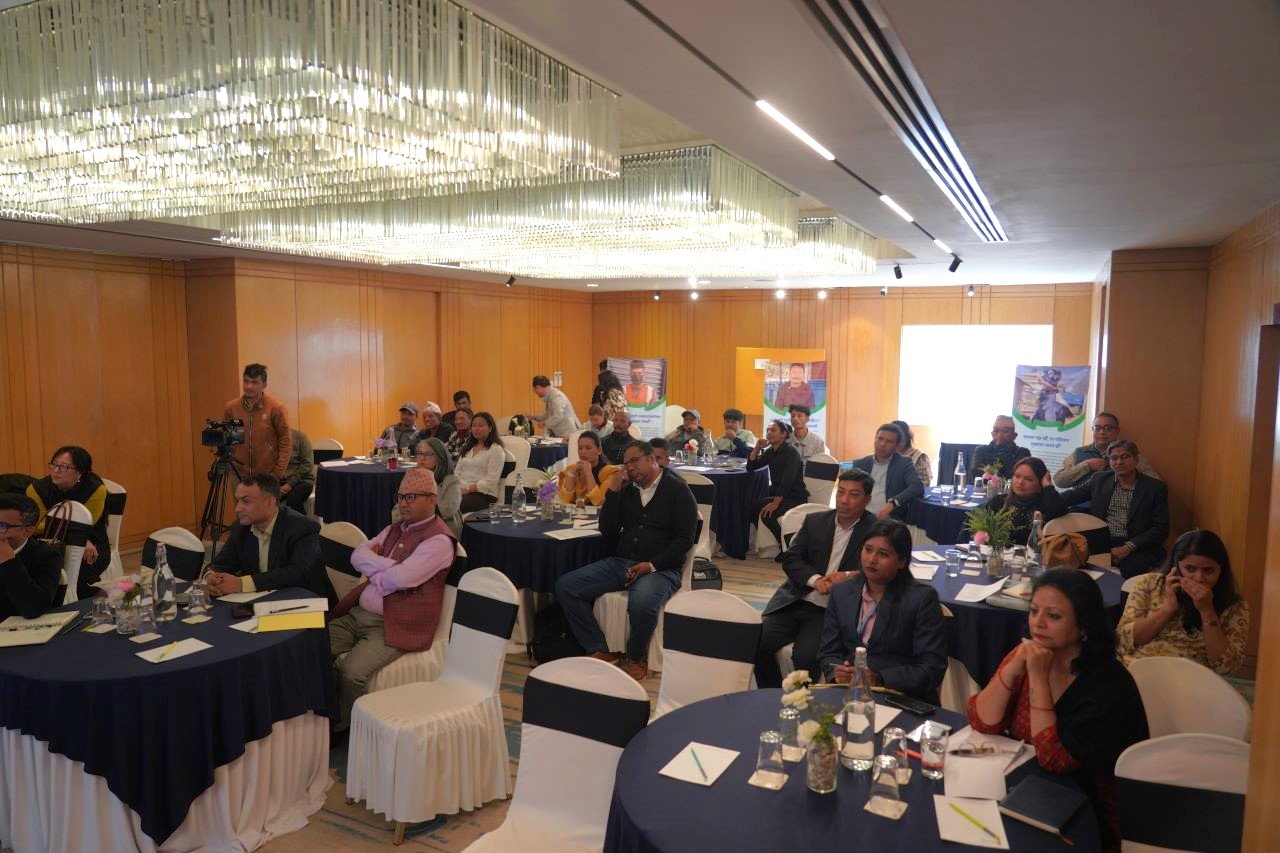
He noted that in major cities across the country, houses are increasingly being built on limited plots of land, while small septic tanks are often shared by many households, causing them to fill up quickly.
“This has created a situation where septic tanks need to be emptied regularly. In many densely populated urban neighborhoods with narrow inner alleys inaccessible to vehicles, workers are still compelled to clean them manually,” he said.
For more details, watch the video below:
According to him, this situation is directly affecting the health of sanitation workers. The lack of adequate safety equipment, insufficient training, and work pressure often prevent workers from applying the safety measures they have learned in practice.
A major risk, he added, comes from the toxic gases generated inside septic tanks. As human waste accumulates, gases such as hydrogen sulfide, methane, ammonia, and carbon dioxide are produced, which can cause breathing difficulties, unconsciousness, and even fatal accidents.
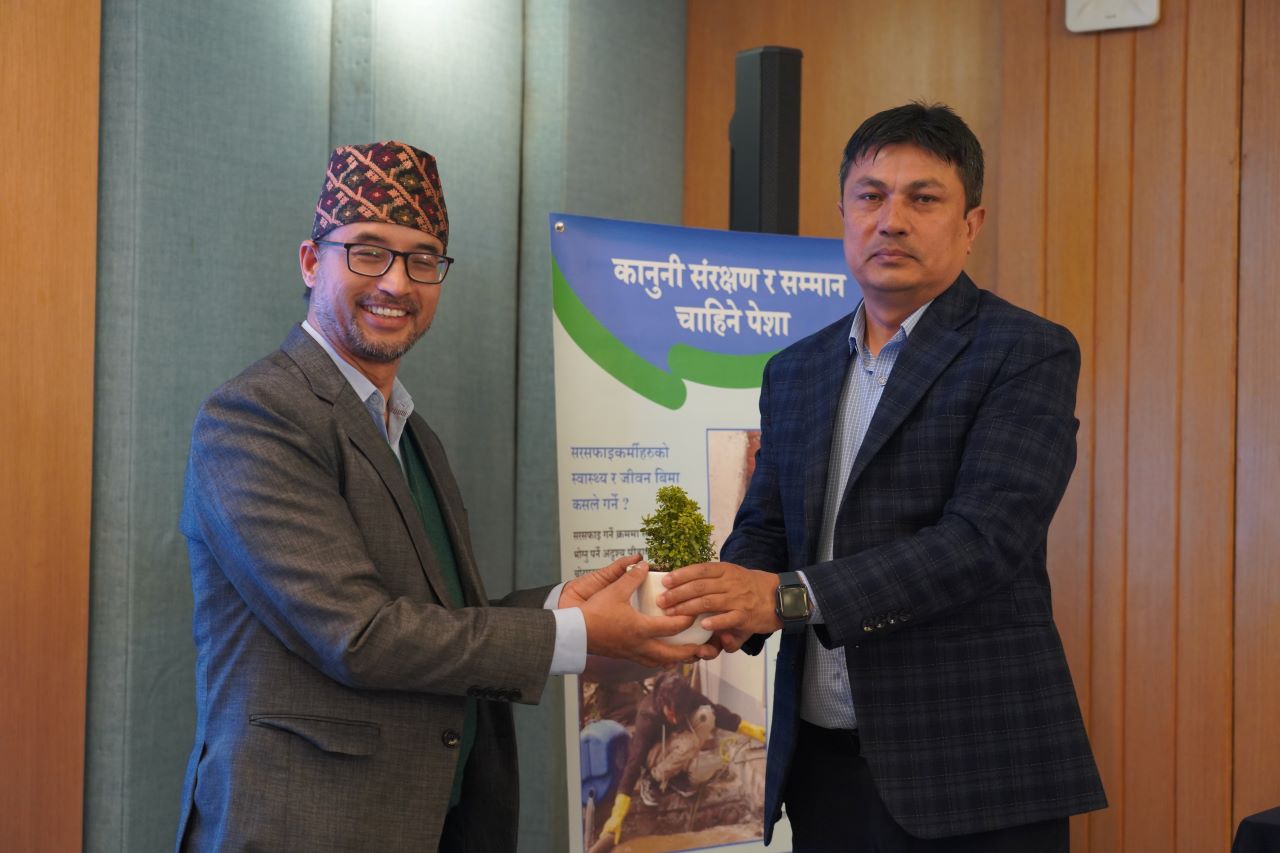
“The moment the septic tank lid is opened, these gases can be released. Without prior knowledge and adequate precautions, the possibility of accidents is extremely high,” Director General Shrestha warned.
He stressed that adopting safety precautions is crucial for minimizing such risks. This includes conducting risk assessments before sanitation work begins, using personal protective equipment (PPE) such as masks, gloves, boots, and gas detectors, and developing and following a clear Standard Operating Procedure (SOP).
Similarly, he pointed out the need for policy reforms that prioritize regular training for sanitation workers, emergency rescue systems, and the use of mechanized equipment wherever possible.

Experts at the event also stressed that closer coordination among local governments, concerned agencies, and communities is essential to make the sanitation sector safer. In the long term, there is a need to ensure systematic waste management systems, adequate infrastructure development, and a dignified working environment for sanitation workers.
Director General Shrestha stated that only by prioritizing the safety of sanitation workers and improving both policy and practice can safe and healthy cities truly be built.
At the program, Keshav Shrestha, Program Manager at the Environment and Public Health Organization (ENPHO), presented the activities carried out under the Voices of Sanitation Workers Project, its achievements, and the way forward.
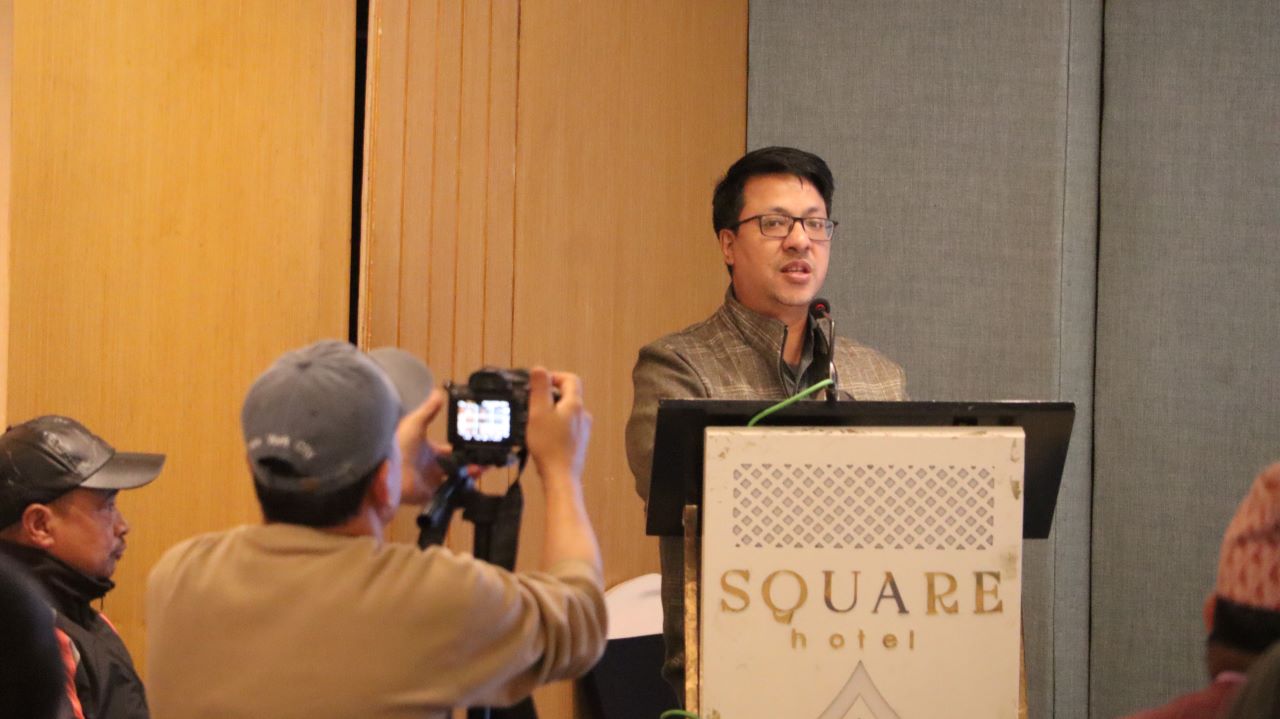
Likewise, Sudarshan Neupane, Country Director of WaterAid Nepal, noted that it is impossible to maintain a clean environment and protect public health without sanitation workers, stressing the need for an integrated effort to address their occupational health and safety.
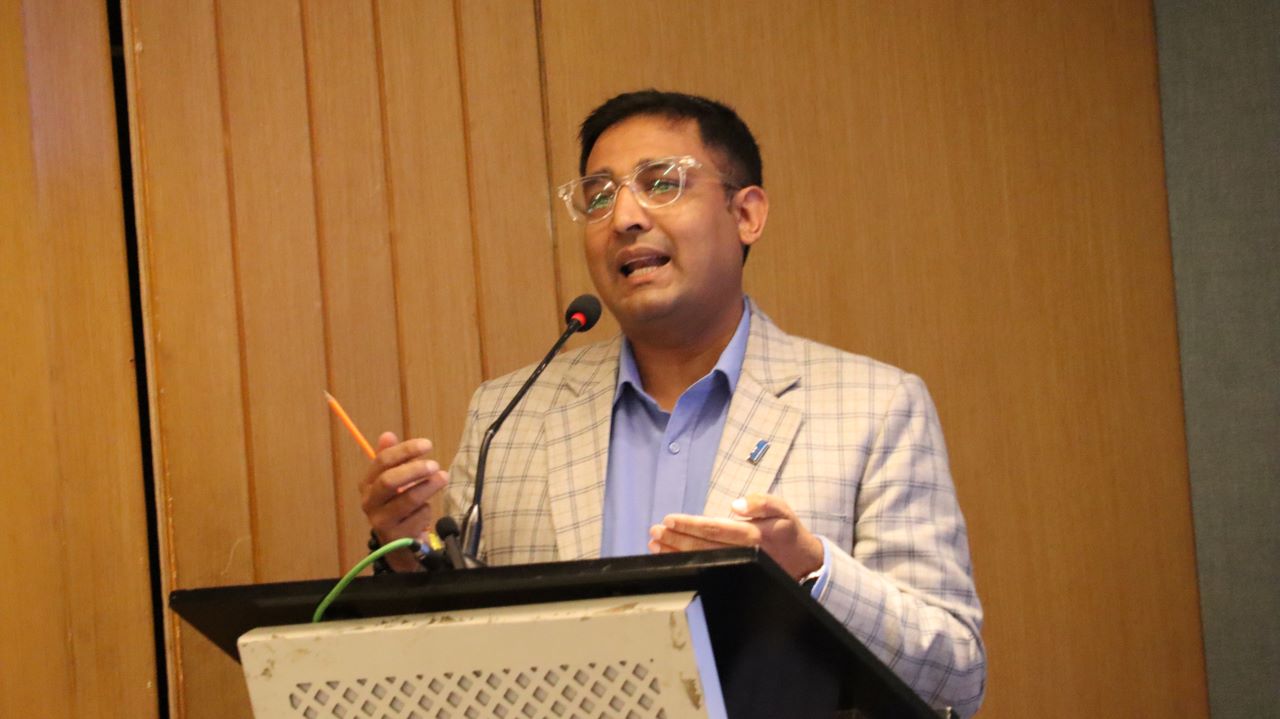
The program, chaired by Rajendra Shrestha, Executive Director of ENPHO, also featured a panel discussion among sanitation worker Man Bahadur Pode, Pradip Amatya, Environment Engineer at Lalitpur Metropolitan City, Yogendra Chitrakar, CDE at the Ministry of Water Supply, and Archana Shrestha, Manager at Aerosan, among others. The discussion focused on the challenges faced by sanitation workers and possible policy and practical solutions.