151 पटक हेरिएको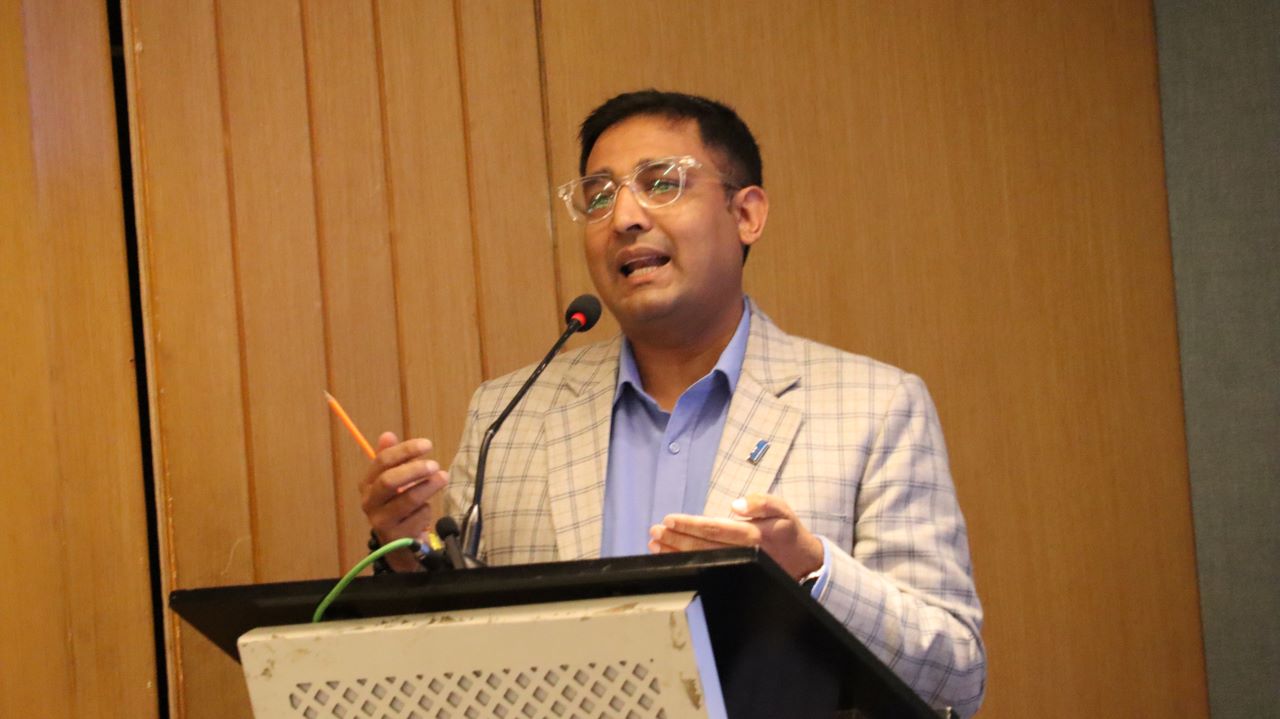
Kathmandu: WaterAid Nepal Country Director Sudarshan Neupane has stated that sustainable improvements in the Water, Sanitation and Hygiene (WASH) and public health sectors will not be possible unless the contributions of sanitation workers are properly recognized and valued.
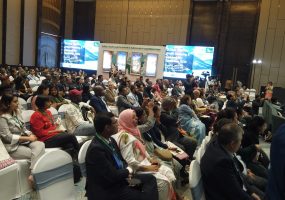
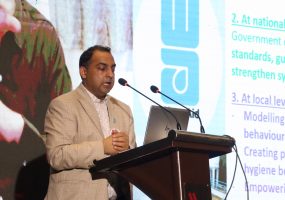
Speaking at the public event of the “Sanitation Workers’ Voices Project,” Country Director Nyaupane mentioned that WaterAid Nepal has been working with a strong focus on the nexus between water, sanitation, and hygiene.
He said, “As long as the issues faced by sanitation workers remain unaddressed, it will be difficult to control the various infections and epidemics seen in communities.” According to him, from a factual perspective, the role of sanitation workers is extremely important in infection prevention and health security.
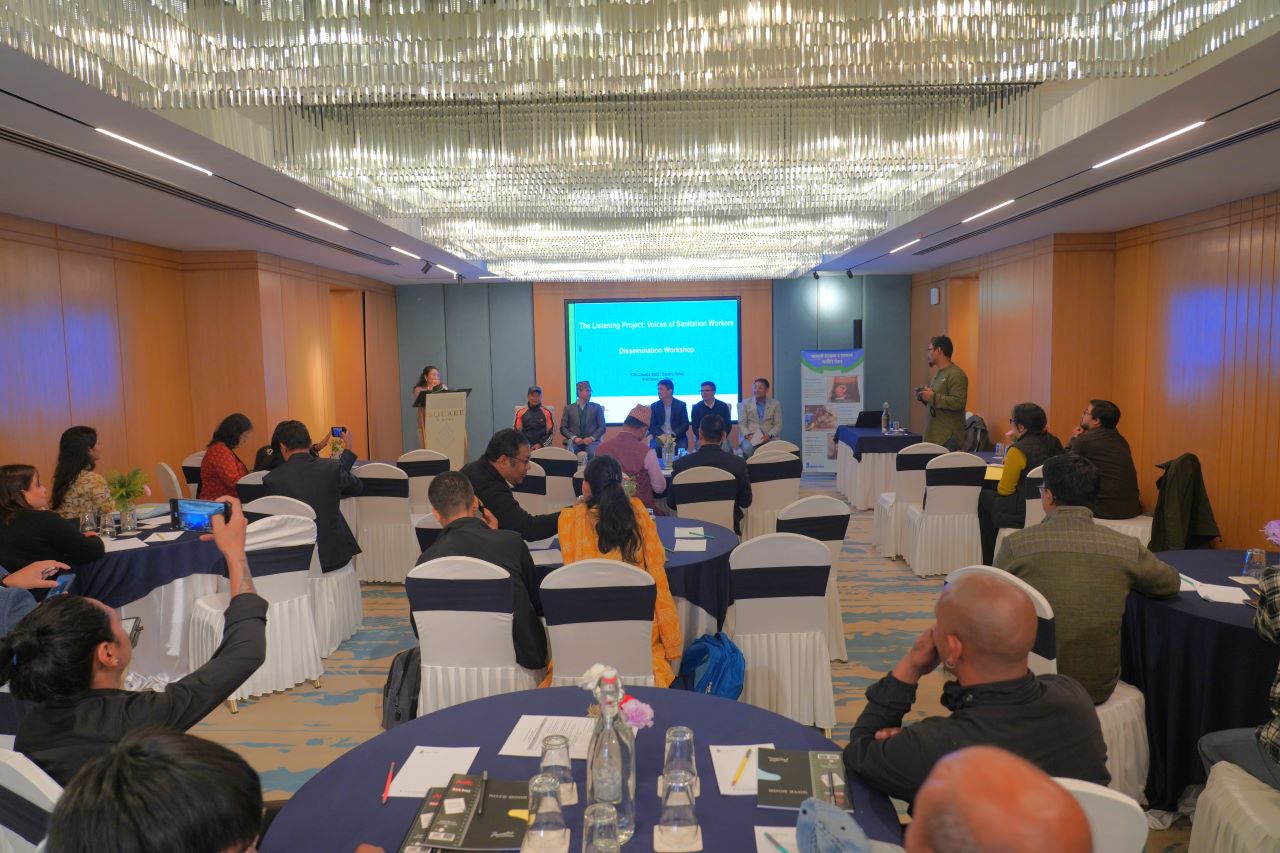
Neupane emphasized the need for proper recognition of sanitation workers’ work, respect for their labor, and appreciation of their contributions. “If we fail to acknowledge their contribution, the expected improvements in both WASH and public health cannot be achieved,” he added.
He further noted that the achievements and findings presented by the “Sanitation Workers’ Voices Project” also revealed that sanitation workers continue to face numerous challenges. According to him, these findings provide clear direction for the work that needs to be carried out in the coming days.
He also highlighted the need to formulate policies and programs that ensure the rights, safety, and dignity of sanitation workers.
For more details, watch this video:
The Environment and Public Health Organization (ENPHO), in partnership with WaterAid Nepal, implemented the “Sanitation Workers’ Voices Project” from September 2025 to March 2026. The project primarily focused on awareness raising, capacity development, participatory documentation, and policy advocacy.
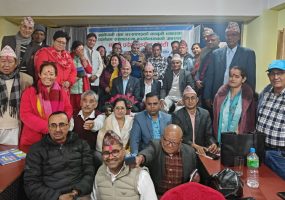
Under the project, four manual sanitation workers were selected as project companions, and significant improvements were made in strengthening their leadership capacity. Likewise, 24 sanitation workers were provided training on rights, occupational health and safety (OHS), and the use of personal protective equipment (PPE), according to Keshav Shrestha, Program Manager at ENPHO.
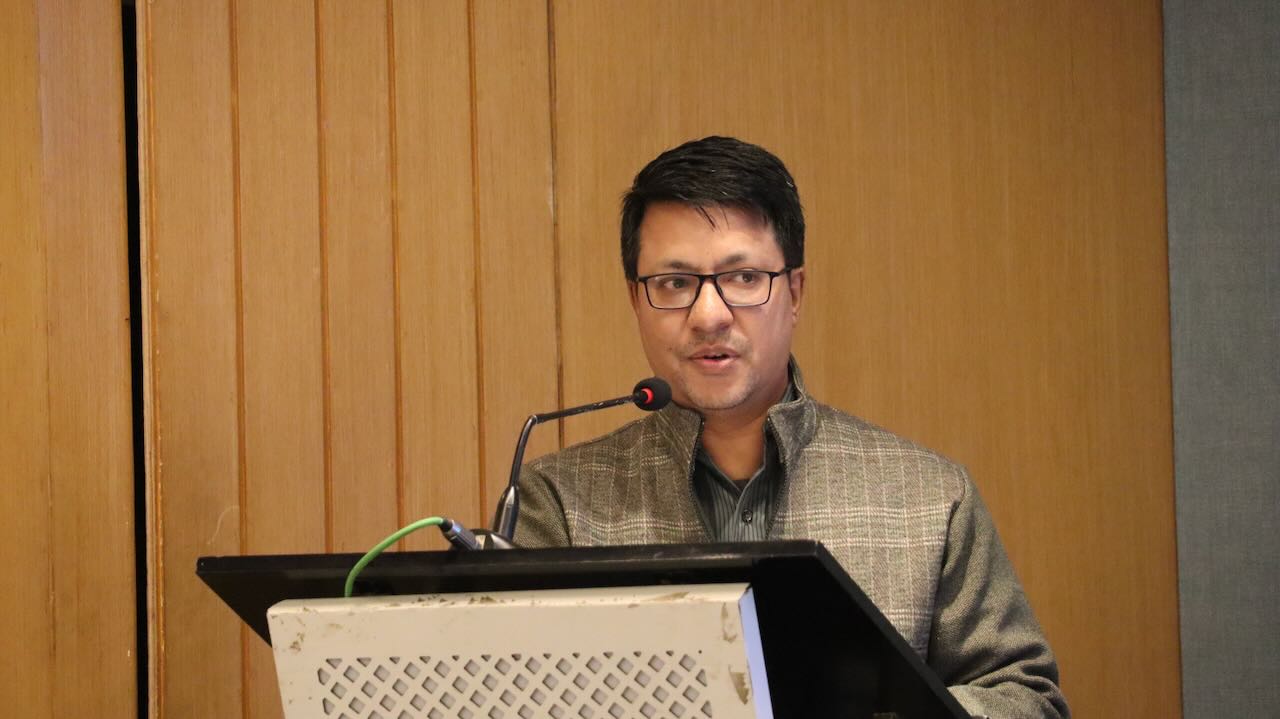
Similarly, 20 sanitation workers were empowered with skills to effectively raise their issues and engage with the media. Following this empowerment process, sanitation workers were able, for the first time, to openly share their experiences and challenges through the media, Program Manager Shrestha informed.