1505 पटक हेरिएको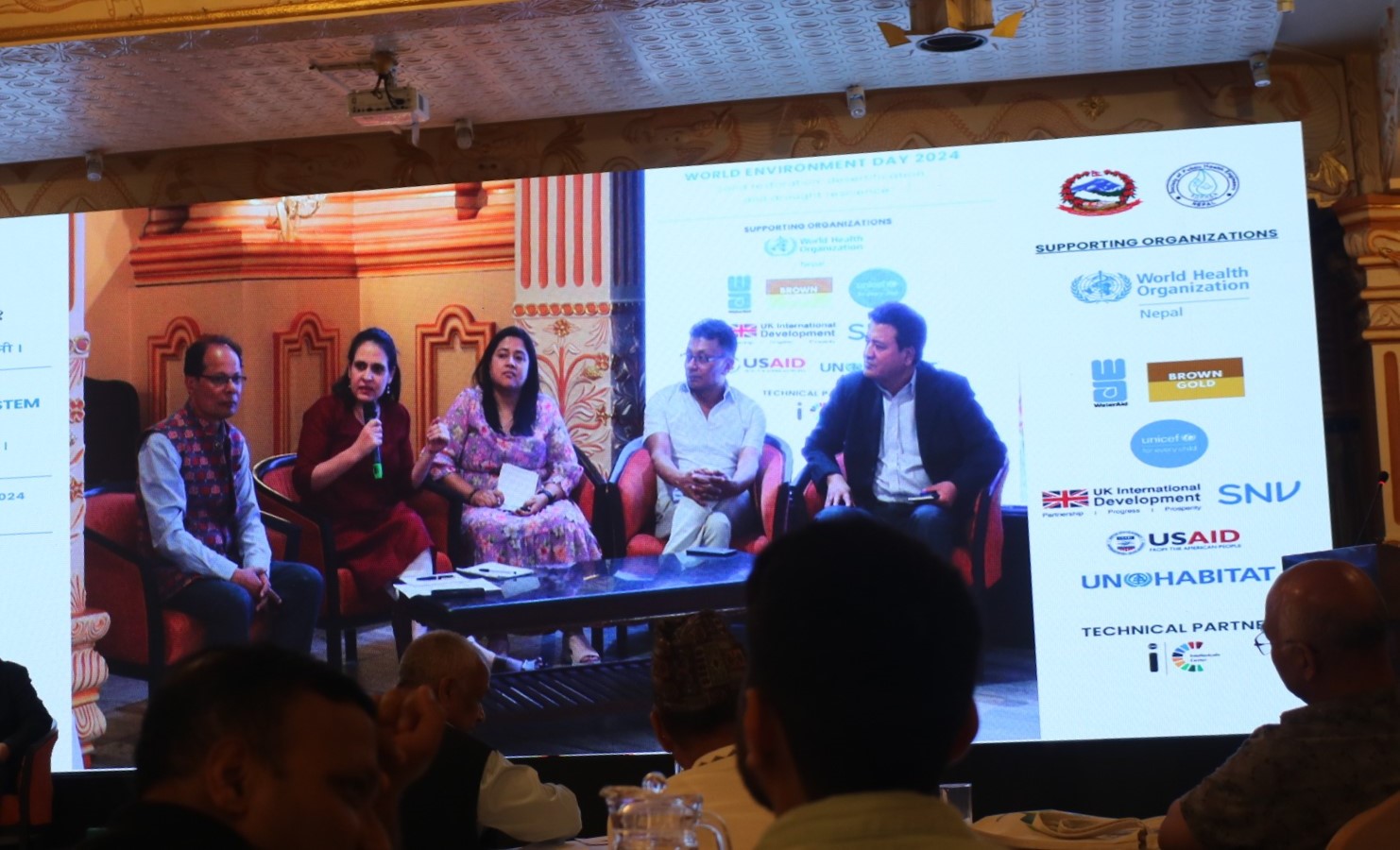
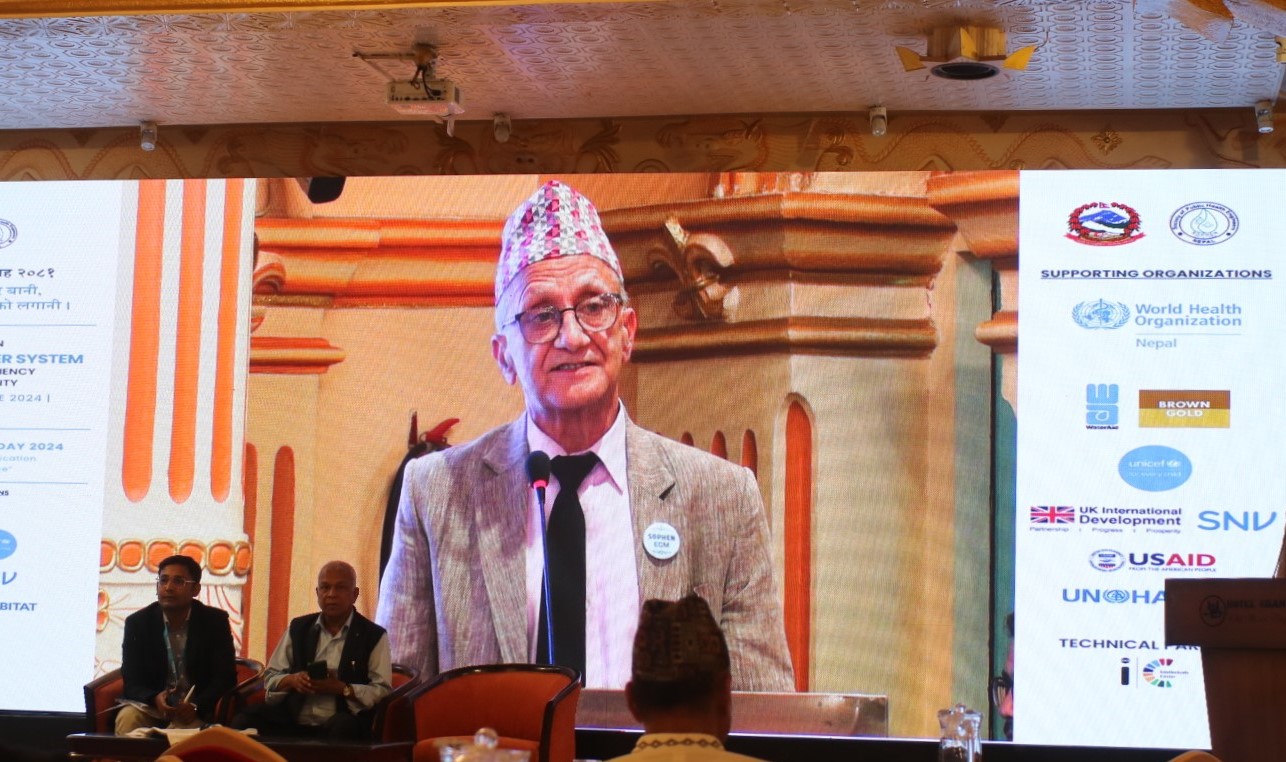
Kathmandu: World Environment Day was celebrated globally with the theme “Accelerating Land Restoration, Drought Resilience, and Desertification.” To mark the occasion, the Society of Public Health Engineers Nepal (SOPHEN) organized a National Workshop on Urban Wastewater Systems: Reliability, Resilience, and Sustainability. The Ministry of Water Supply (MoWS) and the Department of Water Supply and Sewerage Management (DWSSM) endorsed the event, with the Intellectuals Center (I.C) serving as the technical partner. Several organizations lent their support, including the World Health Organization Nepal Country Office, WaterAid Nepal, SNV, UNICEF, UN Habitat, and USAID Karnali Water Activity.
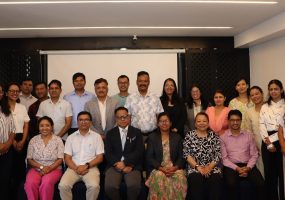
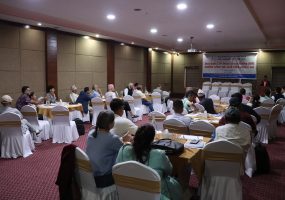
The workshop had a clear goal: to tackle the challenges within Nepal’s urban wastewater system alongside key WASH stakeholders. Drawing in over 100 participants from diverse sectors, the event was structured into an opening session, two technical discussions, and a closing session.
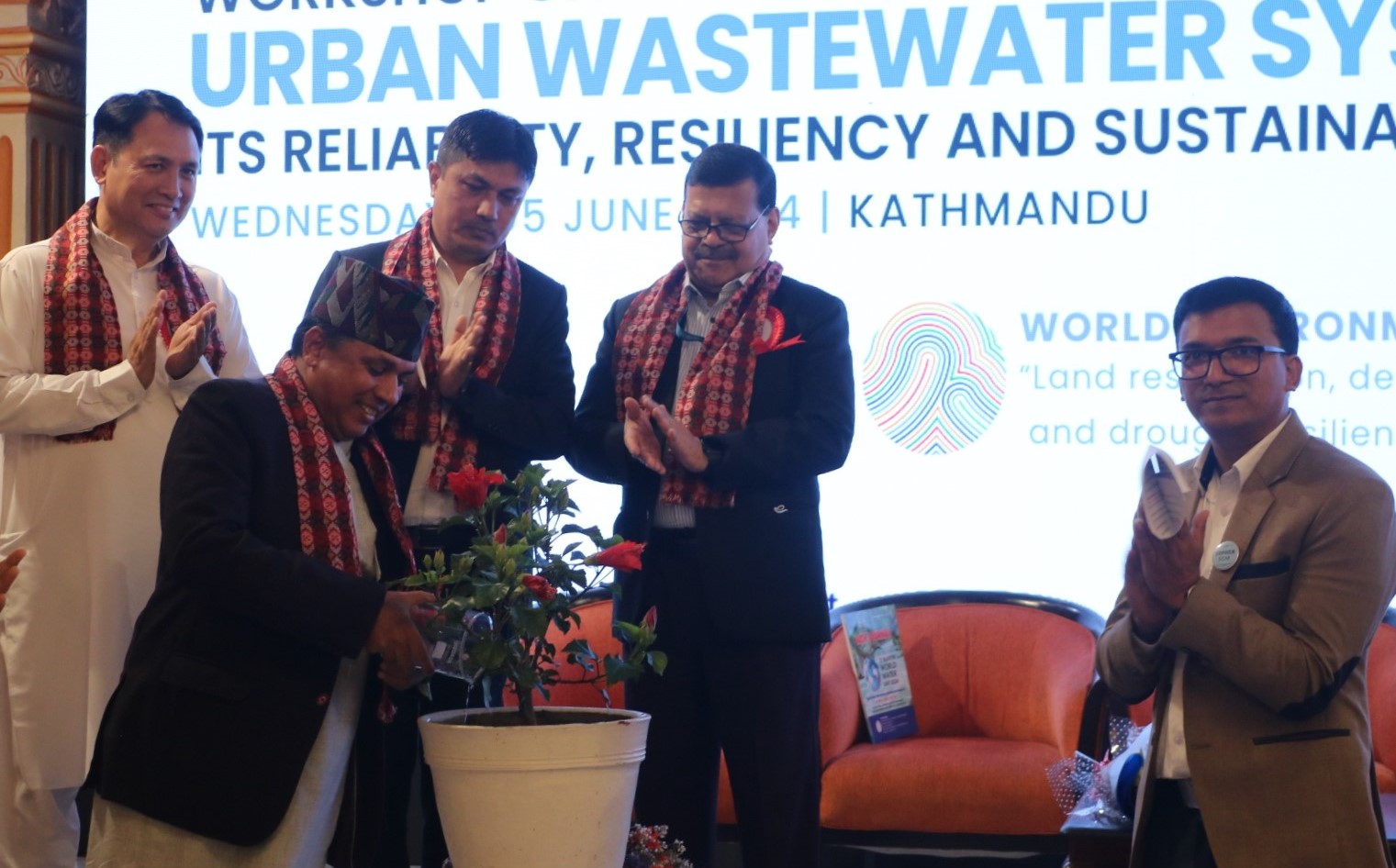
The workshop started with an opening session chaired by SOPHEN President Mr. Sharad Prasad Adhikary. Mr. Yogendra Chitrakar, SOPHEN General Secretary, welcomed everyone. The Chief Guest, Mr. Suresh Acharya – Secretary from MoWS, was joined by special guests: Er. Kamal Raj Shrestha, Director General of DWSSM, and Dr. Khursid Alam Hyder – Public Health Administrator from the WHO Country Office in Nepal. After their speeches, Mr. Raju Ghale gave an inspiring talk on spiritual empowerment. Ms. Charu Nakarmi from SOPHEN then outlined the workshop’s objectives.
The first technical session, chaired by Assoc. Prof. Iswar Man Amatya, featured three presentations. Mr. Ram Kumar Shrestha from DWSSM discussed the urban wastewater situation in Nepal, covering WASH sector targets, current technical, managerial, and legal conditions, treatment systems, challenges, and solutions. Mr. Siddhi Shrestha from UNICEF provided an overview of safely managed on-site sanitation in rural and urban Nepal. Ms. Sudha Shrestha from UN-Habitat Nepal presented key points from a newly released global report by UN-Habitat on sanitation and wastewater management in cities and human settlements.
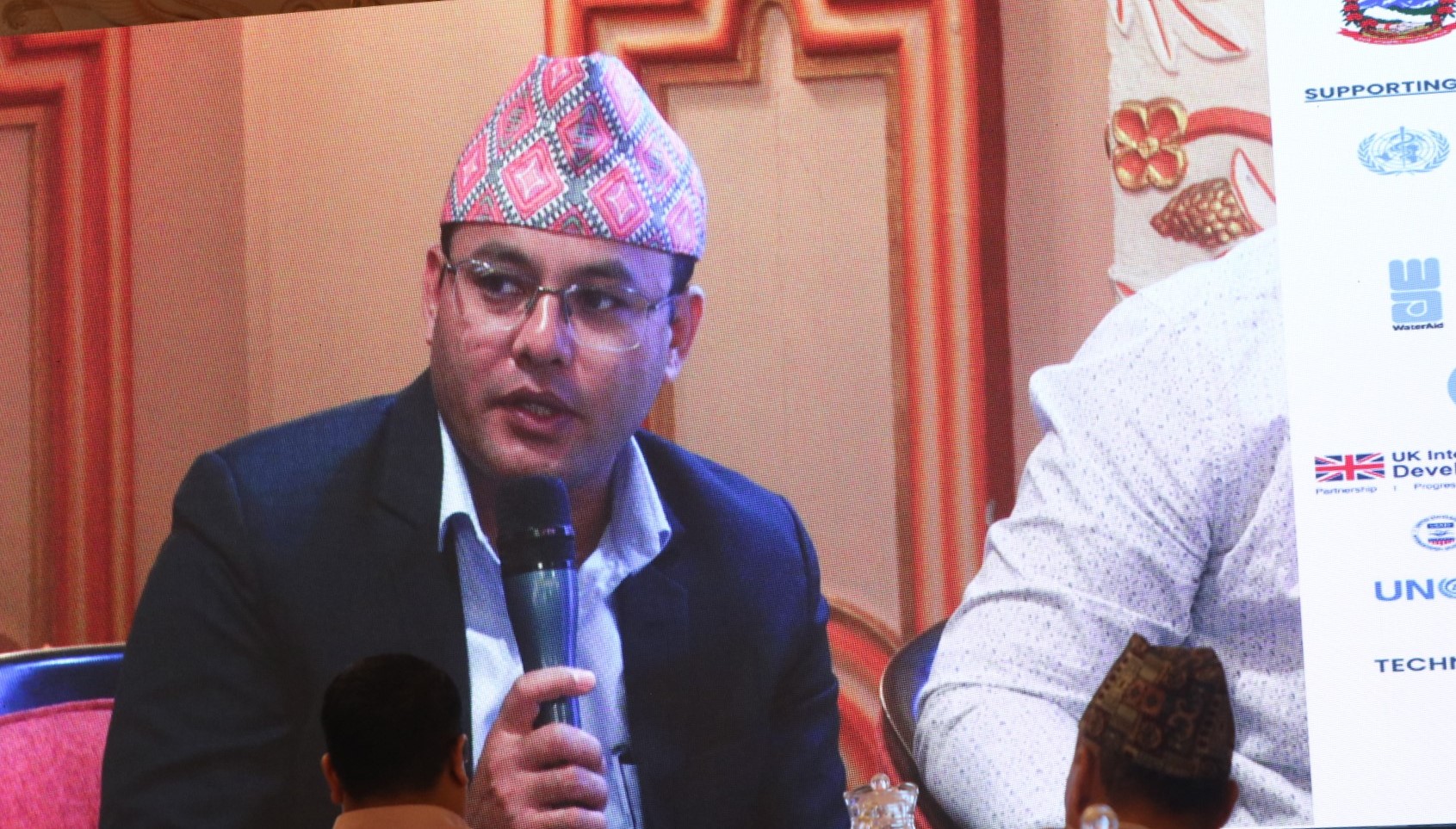
The second technical session, chaired by Dr. Dinesh Raj Manandhar, featured four insightful presentations. Ms. Nadira Khawaja from SNV discussed the applicability of Sanitation Safety Planning (SSP) in the wastewater system of Birendranagar Municipality. Following her, Ms. Manima Budhathoki, Mr. Nitesh Shrestha, and Dr. Mingma Sherpa presented on the City Sanitation Planning process, using data from twelve Nepalese municipalities, with Dallu serving as a case study from the USAID Karnali Water Activity. Mr. Govind Shrestha from Water Aid Nepal highlighted the importance of strengthening climate resilience through sanitation systems and reducing greenhouse gas (GHG) emissions. Lastly, Mr. Raja Ram Pote Shrestha from WHO Nepal provided insights into opportunities for climate financing in WASH and wastewater systems, discussing GHG trends, climate adaptation financing in Nepal, and the Global Climate Finance project cycle.
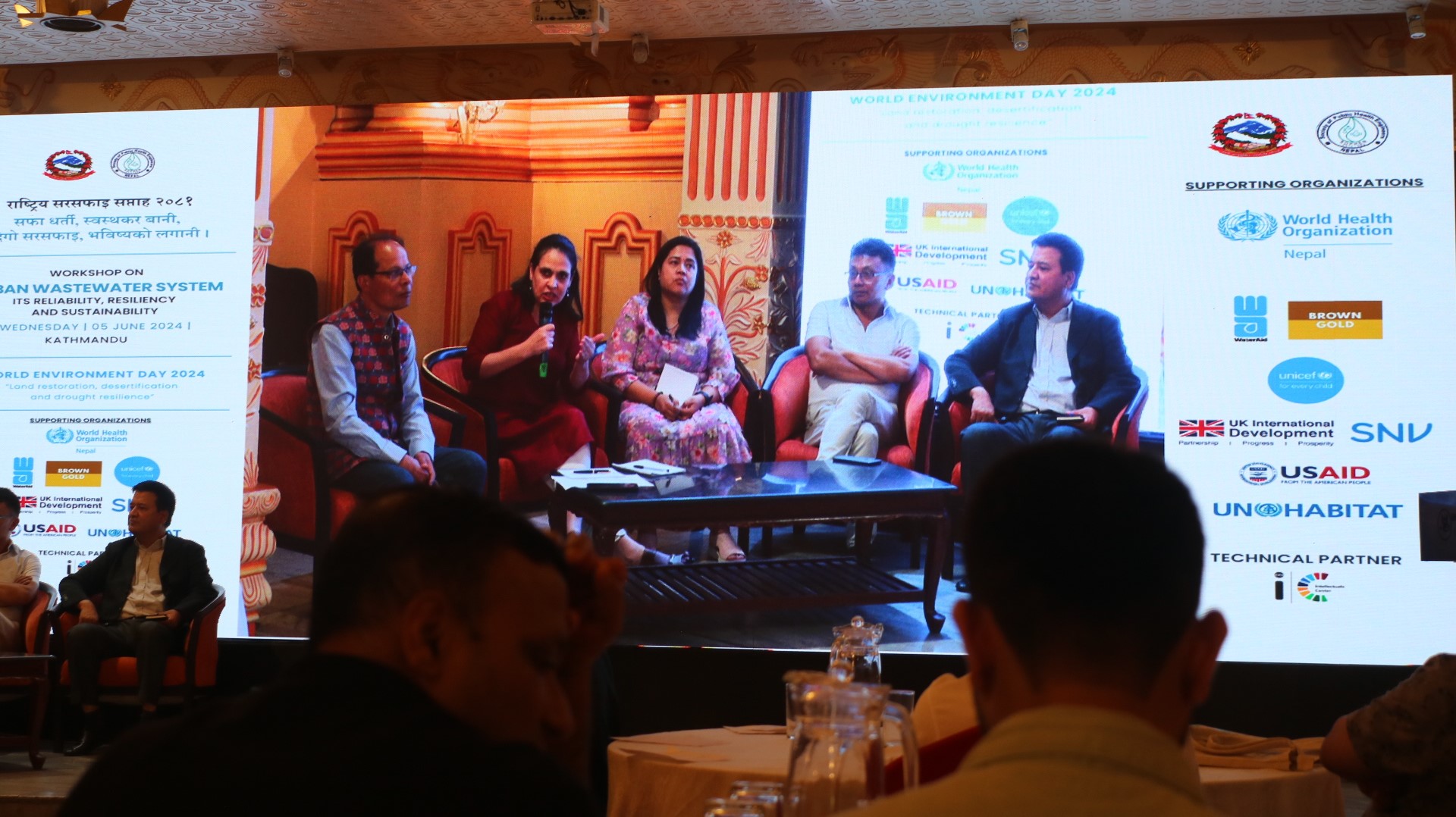
The technical sessions were followed by an interactive question and answer session between the presenters and participants, facilitated by Mr. Suman Dhun Shrestha from SOPHEN, using the Mentimeter application. Participants gave positive feedback on the event’s activities, noting the usefulness of the session’s content.
The closing session featured special remarks by Mr. Sudarshan Neupane, Country Director of Water Aid Nepal, and Er. Ganesh Shah, Brand Ambassador of SOPHEN and former Minister of Environment. They both emphasized the importance of innovations, mutual collaboration, and partnership with government agencies to ensure sustainability in the future. The event concluded with a vote of thanks presented by Mr. Sharad Prasad Adhikary, President of SOPHEN.