1035 पटक हेरिएको
Kathmandu, May 14: The Aquatic Ecology Centre (AEC) hosted a learning and sharing seminar on Climate Change and WASH, in collaboration with the University of Bristol, University of Leeds, University of Technology – Sydney, and the Swiss Federal Institute of Science and Technology (Eawag), at the Radisson Hotel on Tuesday, May 13. With active participation from experts, practitioners, and stakeholders, the event highlighted critical research findings, warning that greenhouse gas (GHG) emissions from onsite sanitation cannot be overlooked in climate-resilient WASH initiatives.
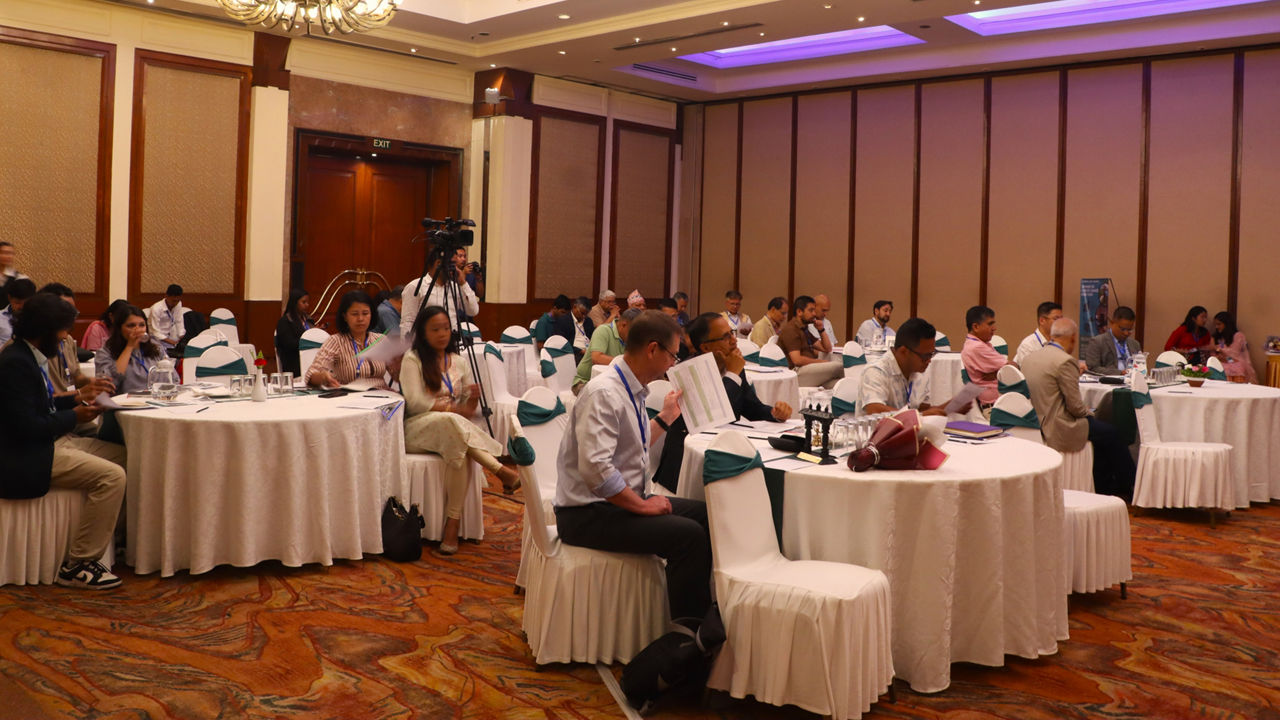
Professor Meera Mehta emphasised the importance of monitoring and finance in climate-resilient WASH. She stressed that there is a funding gap in this sector, but the focus should be more on public sector financing rather than on international funding.
Professor Guy Howard, from the University of Bristol, gave an introduction to the “Sanitation and Climate: Assessing Resilience and Emissions” (SCARE) Project. Based in Nepal, Ethiopia and Uganda, SCARE is a joint project by the Universities of Bristol, Leeds and Technology Sydney and their partners. The project estimates the GHG emissions from sanitation activities in select locations. He also announced that the data from the project would soon be made public, which would offer valuable insights for policymakers and researchers.
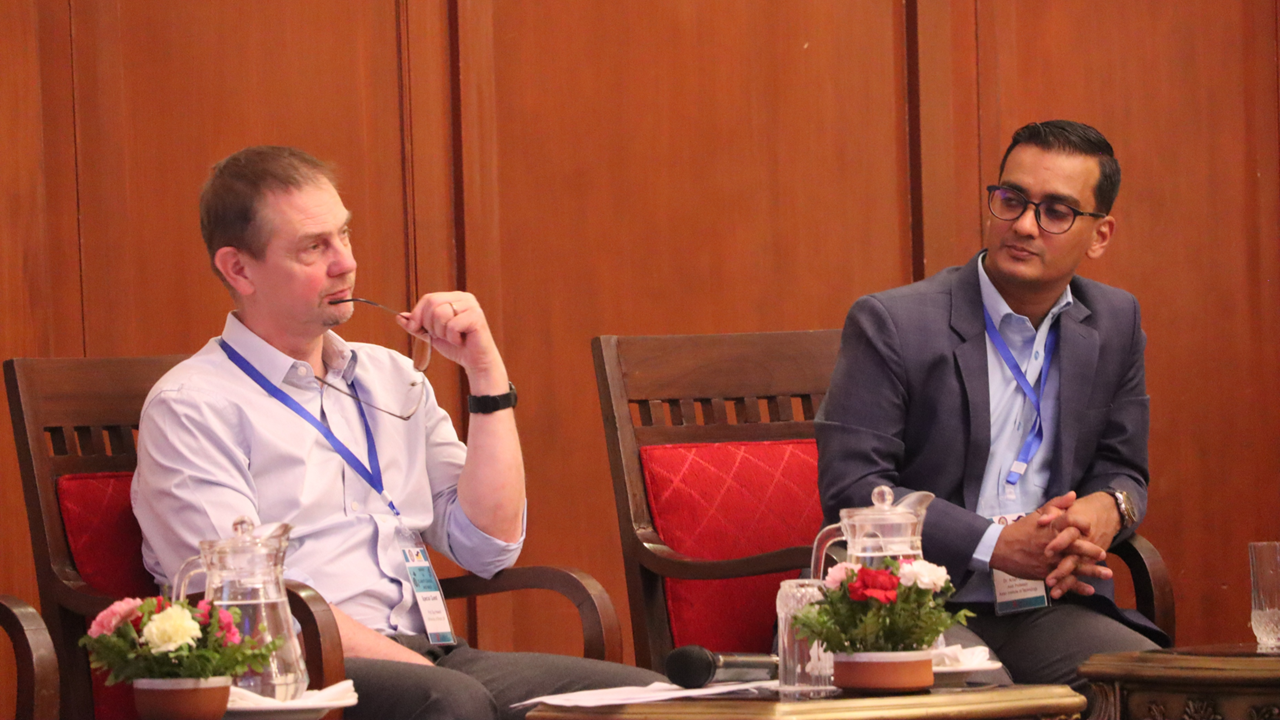
Presentations revealed findings on GHG emissions from onsite sanitation. Prativa Poudel detailed the SCARE Project and its findings. The project involved sampling carbon dioxide, methane and nitrous oxide gases at 30 sites, which consisted of various containment types, viz, septic tanks, holding tanks and pit latrines. Measurements were carried out using the Modified Flux Chamber Method and onsite probes and gas analysers. She shared that lined septic tanks emit more greenhouse gases than unlined and sealed tanks. To study if emptying of the tanks had any effect on the emissions, 8 of the 30 containments were emptied and monitored for 30 weeks. It was found that the emissions declined up to the 28th week and then steadily increased after that, indicating that the optimal emptying time is 28 weeks to limit emissions. However, this is neither cost-effective nor practicable in controlling the emissions from onsite sanitation. She pointed out that the effect of GHG emissions from sanitation activities cannot be overlooked in the overall climate change.
Ms Poudel added that the emission values obtained from the recommendations by the Intergovernmental Panel on Climate Change (IPCC) were found to be overestimated when compared to field observations.
The seminar also featured discussions on climate-resilient sanitation systems by Ramakanta Dawadi, Prof. Juliet Willetts, Dr. Anish Ghimire, and Anjali Sherpa.
The event concluded with insights into the Water Flow Diagram (WFD) project, including Prof. Praveen Ramamurthy’s presentation on biomolecule-based biosensor technology for detecting E. coli and heavy metal contaminants, and an overview of WFD’s preliminary findings by Eawag’s Loic Fache.
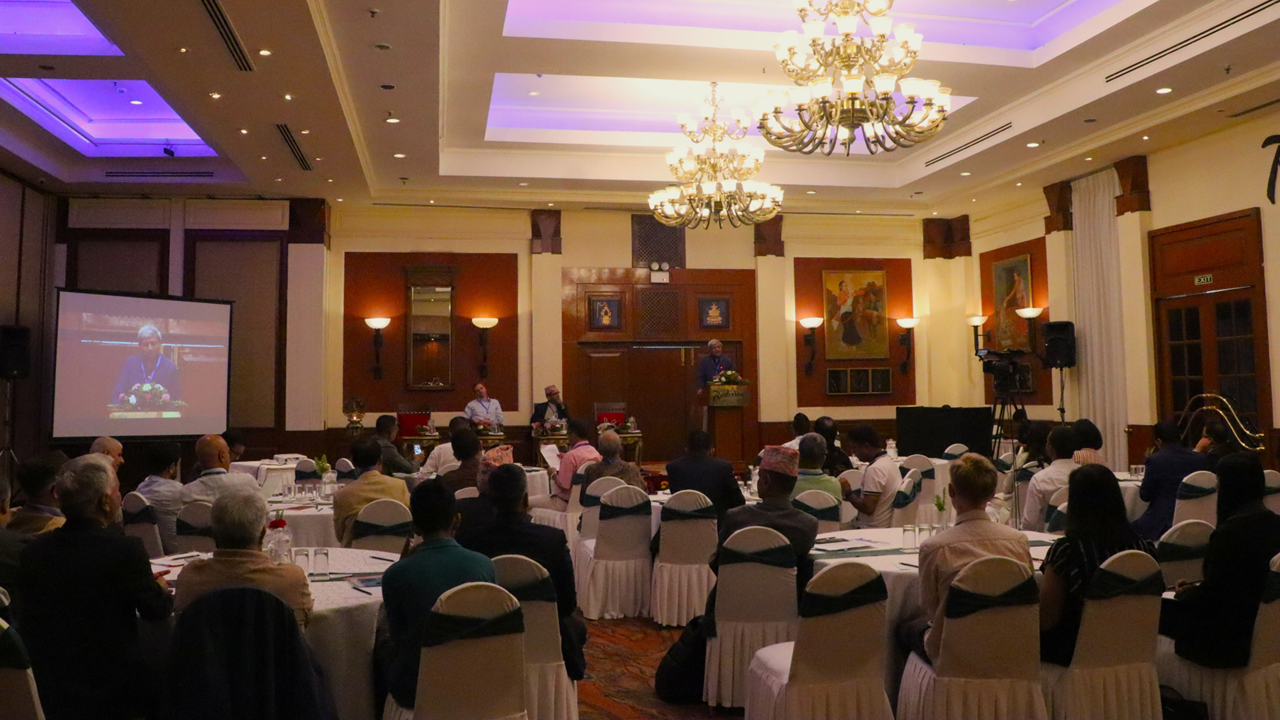
Participants of the seminar urged that countries like Nepal should focus more on adaptation than on mitigation of climate change. They expressed that at the current state, faecal sludge treatment plants with methane recovery capabilities are the best solutions to control GHG emissions from onsite sanitation.
The seminar brought together experts from different parts of the globe and served as a platform for knowledge exchange and insightful discussions, highlighting the contribution of sanitation to GHG emissions and encouraging innovative solutions with localised strategies to address climate change impacts on WASH systems.